

Preparing Your Garden for Ramadan in Kuwait: Quick Ideas
Ramadan changes the way a home garden is used in Kuwait because an ordinary outdoor seating area may become a space for Iftar, coffee gatherings, or welcoming family members after Taraweeh prayers. For this reason, preparing your garden for Ramadan in Kuwait does not necessarily require a complete redesign or buying many new items. What it really needs is smart organization based on the number of guests and the way the space will be used. Start by cleaning the area, checking the lighting and irrigation, and deciding where the dining table, seating area, and walking routes will be before adding decorations. The real difference appears when the garden remains comfortable during gatherings and easy to serve and clean afterward. This guide explains the preparation step by step, from everyday garden use to Iftar, Suhoor, and larger Ramadan gatherings, including practical solutions when there is only a short time left before Ramadan.
Preparing Your Garden for Ramadan in Kuwait
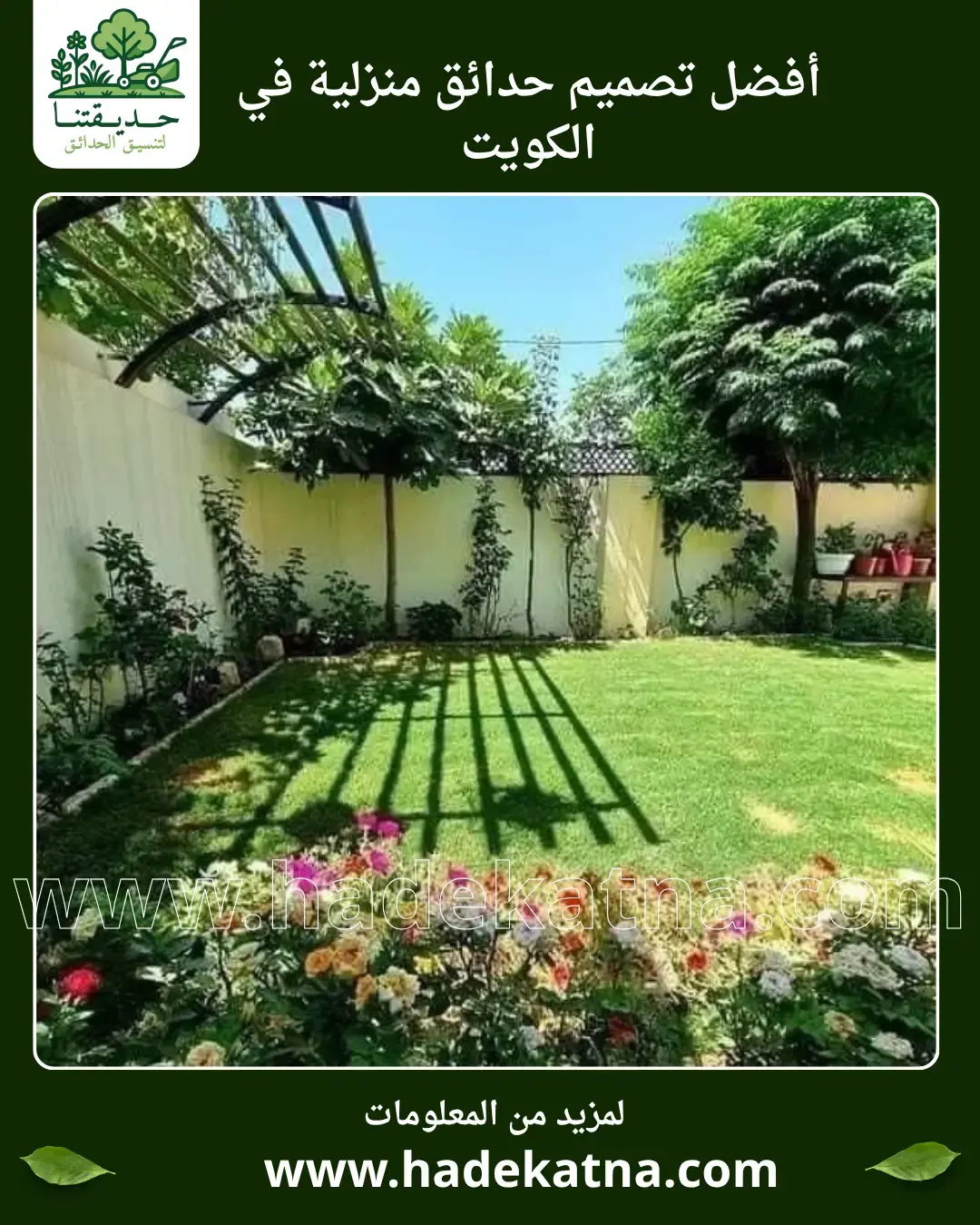
Preparing your garden for Ramadan in Kuwait starts by deciding how the space will actually be used during the month because a garden hosting a small family every day has different requirements from one prepared for gatherings with larger numbers of guests. Before buying lanterns or adding new seating, walk through the garden as though you were a guest. Identify the entrance route, seating location, food-serving area, and the easiest access to the house. This simple walkthrough can reveal issues that matter more than decorations, such as a planter narrowing the path, an exposed hose, or a low branch hanging above the seating area.
Next, assess what you already have instead of starting from scratch. If the existing seating area is suitable in terms of capacity and comfort, rearranging it may be enough. If the main lighting is adequate, Ramadan lights can be used as an additional decorative layer rather than the only source of visibility. You should also make sure the sprinklers are not scheduled to operate during Iftar or after tables have been arranged because an irrigation program that worked before Ramadan may conflict with evening garden use during the month.
A practical example would be a garden with permanent seating for six people while ten guests are expected. Instead of filling the garden with permanent furniture, the existing seating can remain while temporary chairs are added in a way that keeps the service route clear.
When planning the budget, prioritize safety, movement, seating, and lighting first, followed by decorative details. This prevents most of the budget from being spent on appearance only to discover that the seating arrangement itself is impractical during Iftar.
-
Determine the expected number of people and how the garden will be used during Ramadan before adding furniture so the arrangement reflects a genuine requirement rather than copying a decorative setup seen elsewhere
-
Walk along the guest route from the garden entrance to the seating area and identify anything that narrows movement or needs relocating so entry and exit remain comfortable when several people are using the space
-
Review the irrigation schedule before the first gathering so sprinklers do not start during Iftar or after tables and chairs have been arranged and create a problem that could have been prevented with a simple adjustment
-
Use Ramadan lighting to complement the main outdoor lighting instead of depending on decorative lights alone because a warm atmosphere does not replace clear visibility along pathways and service areas
-
Divide the preparation budget according to essential requirements first and decorative additions afterward so money is not spent on decorations before confirming adequate seating easy movement and practical garden use
Landscaping the Home Garden Before Ramadan
Landscaping the home garden before Ramadan is better approached as a thoughtful reorganization of what is already there rather than a completely new landscaping project when the garden is generally in good condition. Start with plants that have grown into pathways or blocked part of the seating area and decide what genuinely needs attention and what is simply healthy natural growth that causes no problem. Not every shrub needs to be cut simply because Ramadan is approaching because pruning should depend on the plant species and its condition rather than the date of an occasion.
Potted plants provide considerable flexibility before the month because they can be rearranged when their size allows. A group of plants can define the edge of a seating area or partially screen a service zone without placing containers directly in guest routes or around chairs in a way that restricts movement. If you have several different containers, try grouping them into organized arrangements instead of spreading them throughout every corner because grouped displays often look calmer and are easier to clean around.
Next, review the paving, planting-bed edges, and lawn. The objective is not to make every leaf in the garden look perfect but to ensure the areas guests will actually use are clean and organized. If part of the lawn is weak, covering it with large amounts of decoration does not solve the underlying issue that needs inspection.
If the budget is limited, concentrate on what guests will actually see and use, such as the entrance, main seating area, and the route between them. Directing spending this way usually creates a more noticeable improvement than buying many small elements and spreading them throughout the entire garden.
-
Rearrange existing containers to create an organized scene around the seating area and entrance before buying new plants because the current elements may already be enough once they are positioned more effectively
-
Approach pruning according to plant condition and pathway requirements instead of cutting every shrub before Ramadan because good organization does not mean forcing all plants into one shape for an occasion
-
Focus cleaning and organization on paving planting-bed edges and frequently used areas so guests experience a prepared space without introducing unnecessary landscaping changes
-
Group visually related elements instead of randomly distributing decorations and containers because clear arrangements create a calmer appearance and reduce visual clutter throughout the garden
-
If the budget is limited prioritize the entrance access route and main seating area because improving the spaces guests actually use provides more value than spreading purchases across distant corners
Preparing a Villa Garden for Ramadan Iftar
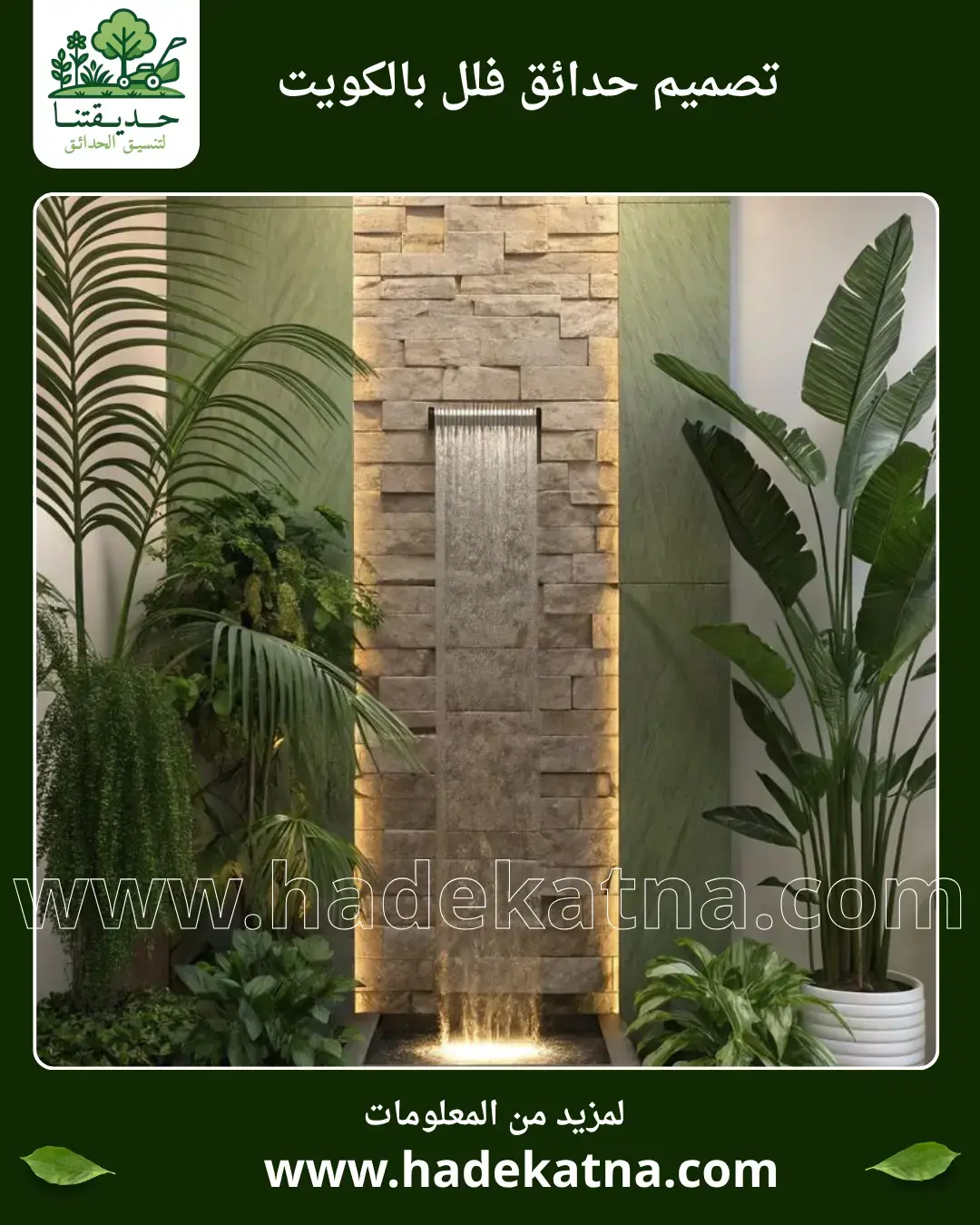
Preparing a villa garden for Ramadan Iftar requires different planning from an ordinary evening seating arrangement because Iftar involves guests, dishes, drinks, and service movement within a relatively short period. The dining location should therefore be selected according to convenient access from the kitchen or house entrance rather than simply choosing the most attractive corner of the garden. Every additional meter someone has to walk while carrying serving trays becomes more noticeable when the gathering is large.
If the choice is between placing one long table where it blocks a pathway or dividing the seating arrangement in a way that preserves movement, the more practical layout will usually be more comfortable. Enough space should also be left behind chairs so guests can stand without hitting a plant or another chair. For larger gatherings, a separate serving table can also be useful as long as its location does not create congestion at the entrance to the seating area.
Lighting should support both dining and movement. Decorative lights around trees may look attractive, but the dining area itself requires sufficient visibility for food, tables, and the surrounding floor. The direction of sprinklers and the moisture level of the lawn should also be considered if tables or chairs will be placed over natural grass.
In terms of cost, compare buying additional permanent furniture with using flexible or temporary arrangements according to the expected number of gatherings. If the increase in guest numbers is only seasonal, purchasing a large quantity of permanent outdoor furniture may not be the best use of the budget.
-
Choose the Iftar location according to how easily food can be moved from inside the villa before selecting a spot purely for its view because service movement will be repeated several times during the gathering
-
Leave sufficient space behind chairs and around the ends of the dining table so guests can move without having to rearrange an entire row of seating whenever one person stands up
-
Add a separate serving area for larger gatherings in a location close to the seating space without blocking the entrance so serving trays move less between guests and the main table remains better organized
-
Review lighting over the dining area and along the access route because decorative lights around plants create a Ramadan atmosphere but cannot replace practical lighting where guests actually eat and walk
-
Compare permanent furniture purchases with flexible or temporary arrangements according to how often larger gatherings will occur because a seasonal increase in guests does not necessarily mean the garden needs extra furniture throughout the year
Arranging the Garden for Ramadan Gatherings
Arranging the garden for Ramadan gatherings means treating the outdoor area as a complete hosting space rather than simply adding more chairs around the existing seating area. As the number of guests increases, movement becomes more important than the appearance of individual tables because congestion around one entrance or food-serving area can make even a large garden feel restricted. It is therefore better to mentally divide the garden into reception, seating, serving, service, and circulation zones before moving any furniture.
If the gathering includes elderly guests or children, route selection becomes even more important. The seating area farthest from the house is not necessarily the best choice even if it has the most attractive view because reaching it may require crossing grass or another surface that is less comfortable for some guests. Additional chairs should also not be placed in every available gap only to discover that they block the entrance, access to the house, or another important route.
A common mistake is overusing small tables and decorations in every empty area. During a large gathering, open space itself has value because it supports movement and reduces the feeling of crowding. Clear zones are more useful than turning every corner into another functional or decorative area.
In terms of cost, determine the realistic maximum number of guests before renting or purchasing additional items. A small improvement in layout can sometimes reduce the amount of furniture required because a better seating arrangement may accommodate the gathering without unnecessarily doubling the number of pieces.
-
Divide the garden into clear reception seating food service and circulation zones before distributing furniture so different activities do not overlap and guests are not standing directly in serving routes or entrances
-
Maintain one clear main route between the house and seating area because increasing chair numbers at the expense of circulation makes the gathering less comfortable even when it technically provides more seats
-
Consider accessibility for elderly guests and children when selecting the seating location instead of relying only on the most attractive part of the garden if reaching it requires crossing an unsuitable surface
-
Intentionally leave some areas open because empty space is part of effective planning and supports movement while preventing the garden from becoming a tightly packed collection of tables chairs and decorations
-
Calculate furniture requirements according to realistic guest numbers and the planned seating layout so unnecessary pieces are not purchased or rented when better organization could accommodate the same gathering
Preparing an Outdoor Iftar Area in the Garden
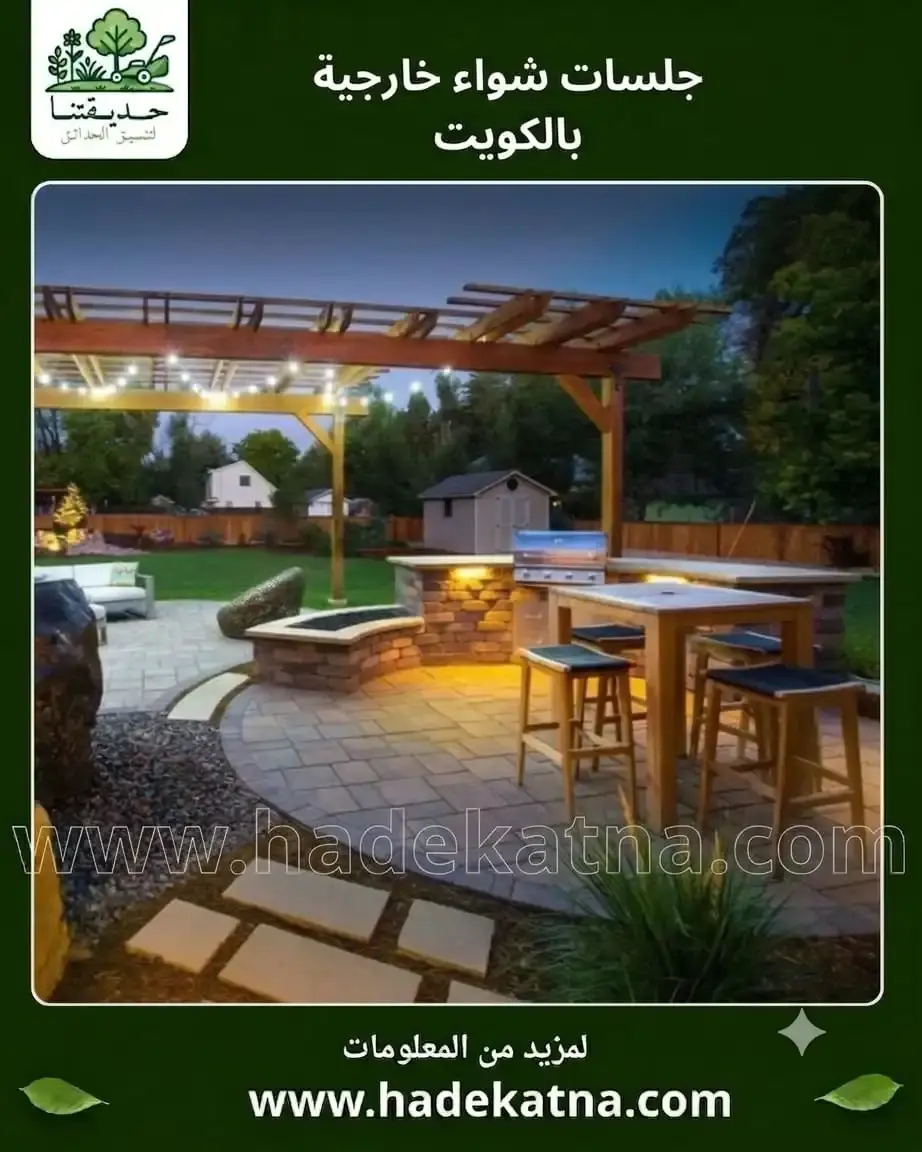
Preparing an outdoor Iftar area in the garden begins by choosing a suitable surface for tables and chairs before thinking about how the dining setup will look. A level and stable surface makes movement easier and reduces the need to adjust chairs repeatedly. If natural grass is the available option, its condition and irrigation timing should be checked before furniture is placed because wet soil or irrigation scheduled close to Iftar can make the area less comfortable to use.
Once the surface has been selected, consider the dining area’s position in relation to the kitchen. The table does not have to be directly beside the door, but the route used to carry dishes should be clear and should not pass through rows of chairs. For medium and large gatherings, a side surface can be allocated for water, drinks, or additional dishes so the main dining table is not overloaded from the beginning of Iftar.
Outdoor conditions should then be considered. Wind direction and exposure vary from one garden to another, so the seating location should be chosen according to actual conditions at the expected time of use. Lightweight objects on the table may also need to be secured or reduced if the location is exposed to wind rather than relying on decorative arrangements that are not practical outdoors.
Planning should also include what happens after Iftar. Collecting dishes and reaching the cleaning area should be easy without repeatedly moving through seated guests. Designing the service route from the beginning makes the entire space work more comfortably rather than focusing only on the moment when food is first served.
-
Choose a stable and level surface for the dining area whenever possible so tables and chairs remain steady and guests do not need to keep adjusting their positions because of uneven ground
-
If Iftar will take place on natural grass review the irrigation schedule and ground condition beforehand so chairs are not arranged over wet soil and the system does not start after the dining area has been prepared
-
Allocate a side area for drinks and additional serving items when guest numbers are larger so the main table remains organized and does not become crowded with items that are not needed at the same moment
-
Plan the route for carrying food and collecting dishes so it remains short clear and does not repeatedly pass between seated guests because efficient service is an essential part of a successful outdoor dining area
-
Reduce lightweight or unstable table decorations if the area is exposed to wind because outdoor Iftar decor needs to remain practical during use rather than looking attractive only before guests arrive
Landscaping the Garden for Ramadan Guests
Landscaping the garden for Ramadan guests begins at the first point visitors see rather than only at the main seating area. If garden access passes through a side entrance or a long pathway, that route becomes part of the welcoming experience and should be clear, organized, and sufficiently illuminated. It does not need to be filled with decorations, but gardening tools, hoses, or poorly positioned containers should not obstruct movement.
Once guests reach the seating area, the layout should be understandable without repeated explanation. Visitors should be able to identify where to sit, where personal items can be placed, and where the food area is located. Existing furniture and plants can help define these zones naturally without adding numerous barriers or unnecessary objects.
Privacy can also influence the arrangement, particularly in gardens exposed to the street or neighboring properties. If an area requires temporary visual screening, planting dense new shrubs only a few days before the occasion will not provide instant mature coverage. The solution should depend on the existing landscape, site design, and suitable elements for the available space without unnecessarily blocking airflow or narrowing the garden.
For Ramadan decorations, it is usually better to create one clear focal point instead of distributing decorations equally across every tree and wall. A lantern or lighting arrangement near the reception area combined with lighter details around the seating space can give the garden a distinct Ramadan character without making it visually crowded.
-
Begin the welcoming arrangement at the entrance gate and the route leading toward the seating area because guests form their first impression of the garden before reaching the main table or seating zone
-
Remove gardening tools hoses and unused objects from guest routes instead of trying to conceal them behind additional decorations because genuine organization is more effective than covering visible clutter
-
Use existing furniture and plants to define seating and dining zones naturally without adding numerous barriers that reduce the available movement space inside the garden
-
Address privacy according to actual site conditions instead of planting new shrubs shortly before the occasion and expecting them to provide mature screening they have not yet developed
-
Select one or two main focal points for Ramadan decorations and keep other details lighter so the garden develops a clear character without repeating lanterns and lighting in every corner
Garden Preparation Ideas Before Ramadan
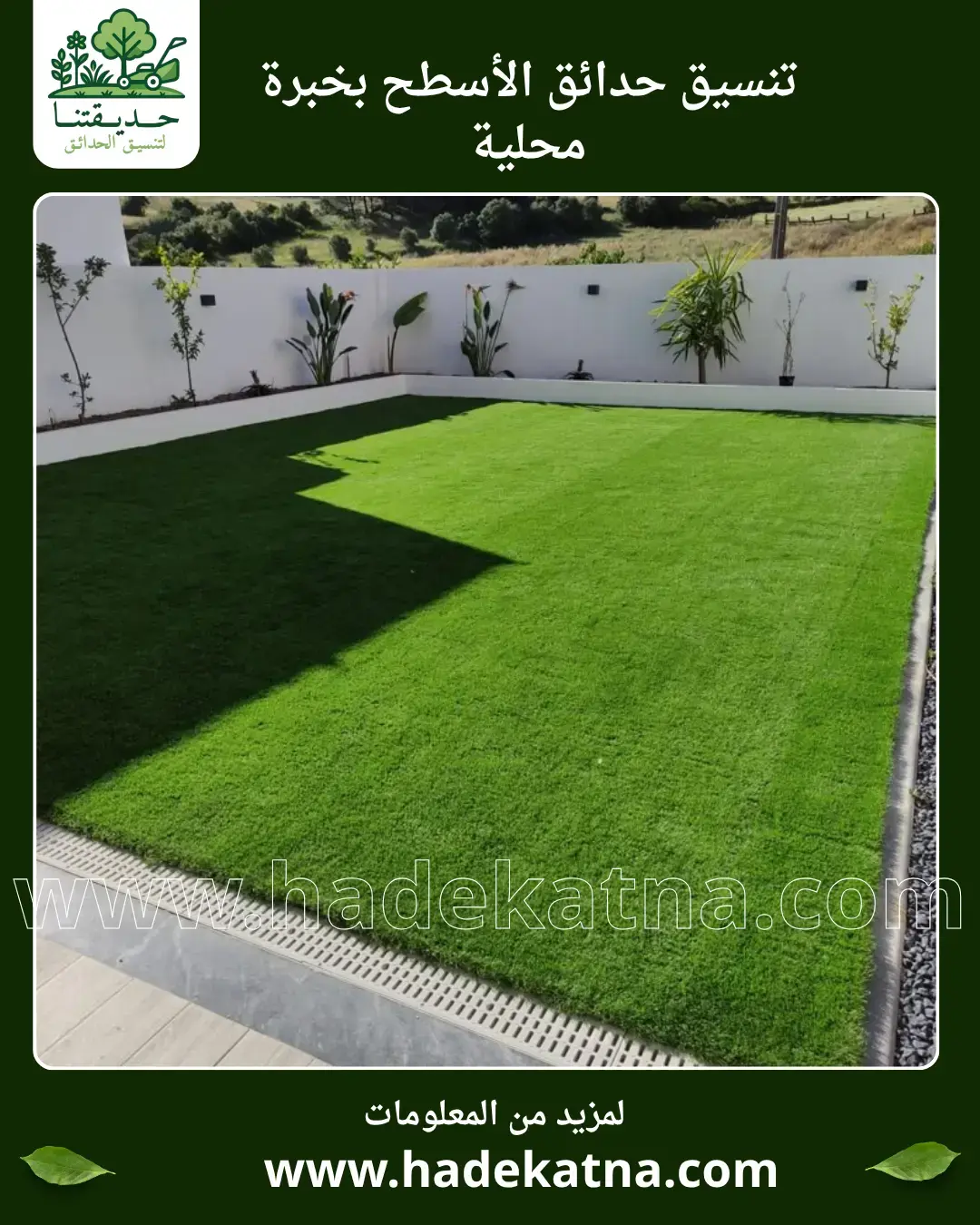
Garden preparation ideas before Ramadan do not necessarily require buying new items because some of the strongest improvements can come from using existing elements differently. Before making a shopping list, photograph the garden from several directions and look for areas that appear crowded and other spaces that could be used more effectively. A photograph can sometimes reveal scattered containers or furniture with no clear function more easily than you notice them when seeing the garden every day.
One simple idea is to regroup containers around a specific focal point instead of leaving each pot isolated. Another option is to transform a rarely used corner into an after-Iftar coffee area using existing seating moved to a more suitable location if space allows. The number of objects around the dining area can also be reduced rather than increased because a Ramadan atmosphere does not depend on the quantity of decorations.
If you are deciding between spending money on new plants or improving the seating area, identify the actual problem first. If the garden is already green and organized but does not have enough seating, adding more plants will not solve the issue. If the seating is excellent but the entrance looks neglected, directing a modest budget toward the entrance may create a larger improvement than replacing furniture.
Most importantly, permanent changes should remain useful after Ramadan. Any lasting modification to irrigation, planting, or paving should benefit the garden throughout the year rather than being a rushed decision for one month that needs to be changed again afterward.
-
Photograph the garden from several angles before shopping so crowded and underused areas become easier to identify and you can decide what needs moving or removing before introducing anything new
-
Try regrouping existing containers and plants around specific focal points because changing their arrangement can create a fresh appearance without increasing the number of items or raising preparation costs
-
Turn a rarely used corner into a coffee area or quiet seating space when circulation and lighting allow instead of purchasing a new seating set and placing it beside furniture that already serves the same purpose
-
Identify the problem you want to solve before spending the budget because insufficient seating requires a completely different solution from a neglected entrance weak lighting or a narrow access route
-
Make permanent changes useful after Ramadan so irrigation paving or planting is not modified only for temporary use and then changed again when the month ends
Preparing the Garden for Outdoor Suhoor
Preparing the garden for outdoor Suhoor differs from preparing for Iftar because the space is used later at night, making quiet surroundings and comfortable lighting more important than a large serving setup. Before arranging the seating, select an area with easy access from the house and keep it as far as practical from potential disturbances such as garden equipment or an irrigation system scheduled to operate during Suhoor. The entire access route should also be checked for lighting because guests need to see where they are walking clearly even if the seating area itself uses softer illumination.
The seating arrangement does not need to remain identical to the Iftar setup. For Suhoor, a lighter and more compact layout may be more appropriate, particularly when fewer people are expected. A practical table for food and drinks combined with enough comfortable seating is often better than keeping a large gathering arrangement occupying the garden every night. If several outdoor areas are available, choose the location according to comfort and ease of service rather than simply selecting the farthest corner of the garden.
Excessive lighting should also be avoided. Very strong lighting can remove the calm feeling of a late-night garden gathering, while insufficient light near steps and walkways can make movement difficult. It is better to separate functional lighting from decorative lighting so areas requiring clear visibility remain properly illuminated while the seating space retains a more relaxed atmosphere.
Temporary elements should also be easy to move and clean because they may be used repeatedly throughout the month. The less time required to reset the space after Suhoor, the easier it becomes to use the garden regularly during Ramadan.
-
Choose a Suhoor area reasonably close to the service route so moving food and drinks late at night does not require repeated long trips between the house and the farthest part of the garden
-
Review the irrigation schedule and sprinklers close to the seating area because a nighttime program that was suitable before Ramadan may directly conflict with Suhoor hours during the month
-
Provide practical lighting at entrances steps and pathways while maintaining softer lighting around the seating area so the garden combines safe movement with a comfortable late-night atmosphere
-
Use furniture and a layout appropriate for the usual Suhoor group instead of keeping the garden arranged every night for the same capacity as a large Iftar gathering when actual use is smaller
-
Choose elements that are easy to move and clean after use because a setup requiring a long time to dismantle and reorganize every night makes regular use of the garden less practical during Ramadan
Preparing the Garden for a Group Iftar
Preparing the garden for a group Iftar requires more accurate space planning because increasing the number of people does not simply mean adding more chairs. Every additional guest needs a seat, circulation space, and access to food, while the service team needs a route that allows them to work without struggling between chairs. Before confirming the final capacity, it is better to test an actual layout or prepare a simple plan showing tables, seating, entrances, and movement routes.
If space is limited, do not try to reach the maximum possible chair count at the expense of comfort. Sometimes removing the equivalent of one table’s seating can open a circulation route that serves the entire gathering more effectively. A door, exit, or access to indoor facilities should also never be blocked by an additional table because the success of a group Iftar depends on managing movement just as much as it depends on the appearance of the setup.
There is also a difference between placing all food on dining tables and creating a separate serving zone. The right choice depends on available space, guest numbers, and the service style. A separate serving area can reduce congestion on dining tables, but it needs to be positioned where it does not interrupt the main entrance route.
If the setup requires temporary furniture, lighting, or other arrangements, compare costs according to expected frequency of use. Buying a large number of items for a single gathering is not always the most practical choice, while permanent elements may be worth considering when the garden will continue to be used in the same way after Ramadan.
-
Calculate circulation space together with seating capacity instead of counting chairs alone because the garden’s real capacity depends on guests and service staff being able to move after everyone is seated
-
Test the table arrangement before the day of the gathering so narrow routes and blocked doors can be identified before guests and food arrive rather than rearranging the space at the last moment
-
Do not use every available gap for another chair because leaving one wide circulation route can serve a large number of people more effectively than a small increase in total seating
-
Decide whether food will be served directly on dining tables or from a separate area according to garden size and service style so the serving point does not become a congestion zone near the entrance
-
Compare temporary and permanent preparation costs according to how often the items will be used after Ramadan because purchasing decisions become clearer when linked to expected use rather than one large gathering
Preparing a Ramadan Garden in a Short Time
Preparing a Ramadan garden in a short time requires prioritizing rather than attempting to complete every garden idea that has been postponed throughout the year before the first gathering. If only a few days remain, start with the things that directly affect use: cleaning, removing obstacles, checking lighting, reviewing irrigation, and arranging the seating area. Once the space is practical, move on to decorations and smaller details that improve its appearance.
Do not begin a major planting project if there is not enough time to monitor the plants properly after installation. Rearranging existing containers, cleaning planting beds, and organizing their edges can create a faster and more sensible improvement. There is also no need to heavily prune every plant simply to make the garden look new because pruning should be based on plant requirements and condition rather than the approaching occasion.
If you only have one day, organize the work according to impact. Start with the entrance, then the main circulation route, followed by the Iftar or Suhoor area, and finally secondary details. If the garden contains several outdoor seating areas, do not try to prepare all of them to the same level when actual use will be concentrated in one place. Completing one main area properly is better than spreading time and budget across the entire garden and leaving every section unfinished.
Successful quick preparation depends on using what is already available intelligently. Moving a table, grouping containers, or removing an item blocking a walkway can change the way the garden functions more than buying a new set of decorations that does not solve an actual problem.
-
Start with cleaning pathways lighting irrigation and the seating area before adding decorations because these elements determine whether the garden is genuinely ready for use even if no decorative item is added
-
Concentrate available time on the main hosting area instead of attempting to redesign the entire garden when time is limited because completing one space properly provides a stronger result than several unfinished areas
-
Use existing containers and furniture after rearranging them before purchasing replacements because a short preparation period requires quick decisions based on items already available at the property
-
Avoid heavy pruning or unnecessary planting changes simply to improve appearance before the occasion because plants should be managed according to their condition rather than the date on the calendar
-
If both time and budget are limited spend first on the problem preventing comfortable use such as insufficient seating or weak lighting instead of spreading the budget across minor decorative details
Conclusion
Successful garden preparation for Ramadan in Kuwait does not depend on the number of lanterns or how many new items are added to the outdoor space. It depends on how easily the garden can actually be used for Iftar, Suhoor, and Ramadan gatherings. The right starting point is to determine guest numbers, the entrance route, seating location, and food-serving method before checking lighting, irrigation, and ground conditions and then moving on to decorations. Not every garden needs a complete transformation before Ramadan because rearranging furniture and containers and organizing the areas guests actually use can create a noticeable improvement at a lower cost. When time is limited, priority should go to the spaces guests will use directly. With this approach, the garden becomes a practical part of the Ramadan atmosphere rather than turning its preparation into an exhausting project that needs to be reorganized for every gathering.
Frequently Asked Questions
When should I start preparing the garden before Ramadan?
It is better to start early enough to inspect the garden, test the seating arrangement, and review lighting and irrigation before the first gathering. There is no single preparation period that suits every property because a garden needing only cleaning and simple organization is different from one requiring additional furniture or larger adjustments.
What should I prioritize if my garden preparation budget is limited?
Start with elements that directly affect use, such as seating, pathways, lighting, and the organization of the dining area. Once these requirements are covered, use the remaining budget for decorations because decorative elements cannot compensate for insufficient seating or difficult movement.
Do I need to buy new furniture for Ramadan gatherings?
Not necessarily. If the existing furniture is sufficient for everyday use, it can be rearranged and temporary additions can be used for larger gatherings. Purchasing additional furniture makes more sense when it will continue to be used after Ramadan rather than only for a single occasion.
How can I prepare the garden for both Iftar and Suhoor?
Choose a flexible arrangement that allows the main seating area to be used for Iftar and then simplified for Suhoor without moving a large amount of furniture every day. Lighting and irrigation schedules should also be reviewed because nighttime garden use will continue for longer periods during Ramadan.
How can I prepare a Ramadan garden quickly when there is little time left?
Focus on the entrance, circulation route, seating area, cleanliness, lighting, and irrigation first, then organize existing furniture and containers effectively. Avoid major planting changes or excessive purchases when the main issue can be solved by reorganizing what is already available.


