

Hotel and Resort Garden Design and Maintenance in Kuwait
A hotel or resort garden is not simply a green space that decorates the property. Guests see it when they arrive, walk through it while moving between facilities, and may spend hours using its outdoor seating areas. For this reason, hotel garden design in Kuwait needs to balance an elegant appearance with easy movement, plants suited to local conditions, and maintenance that can be carried out without unnecessarily disturbing guests. The garden also needs to be designed with daily operations in mind from the beginning because an impressive appearance on opening day is not enough if plants require constant intervention or the irrigation system is difficult to access. This guide focuses on the differences between hotel and resort gardens and explains green-space planning, maintenance, costs, entrances, and seating areas in a way that supports the guest experience while remaining practical for the operations team over the long term.
Hotel Garden Design in Kuwait
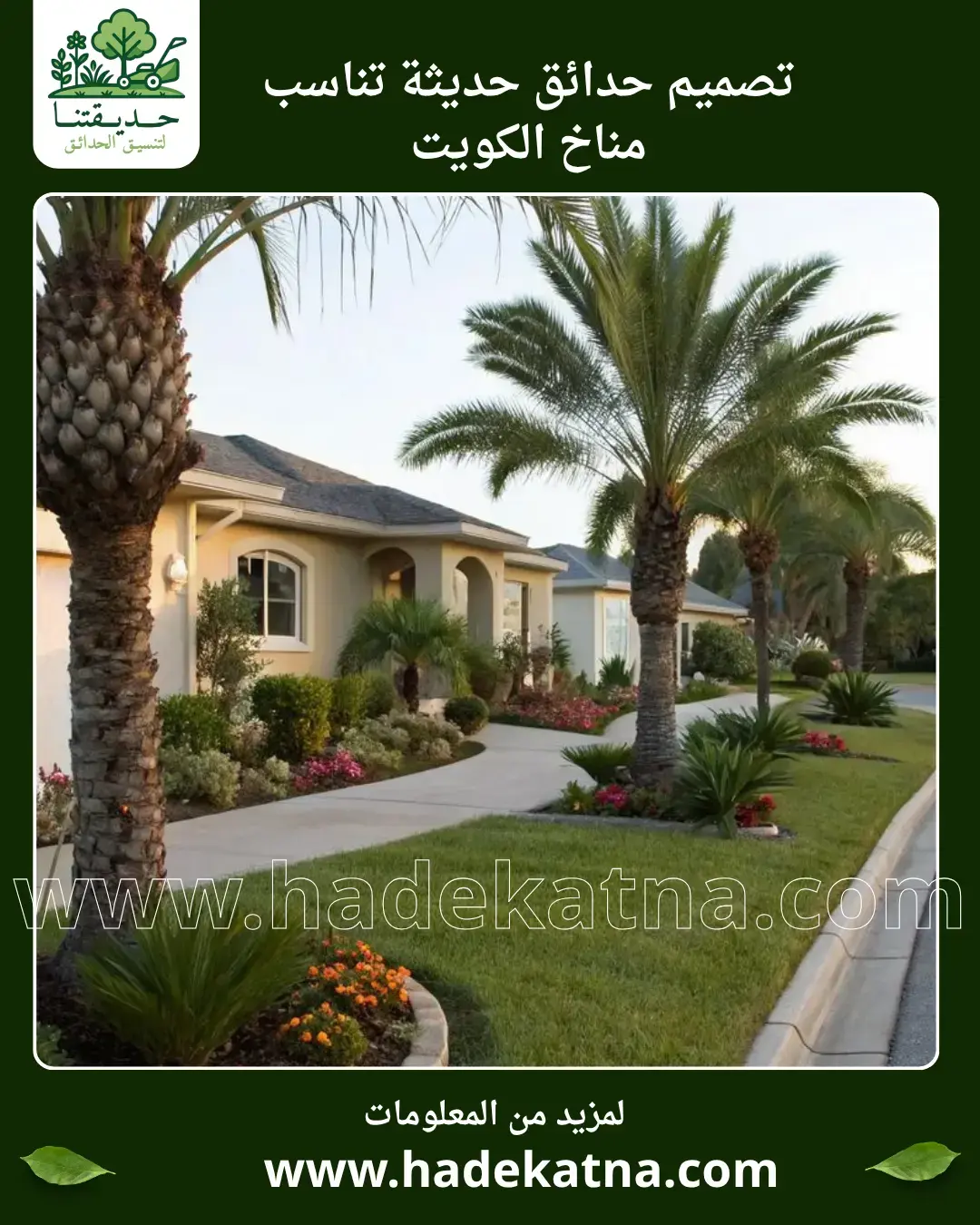
Hotel garden design in Kuwait starts with understanding guest movement before choosing plants. It is important to know where visitors enter, where they get out of their vehicles, which route leads to reception, and whether restaurants, function halls, swimming pools, or event areas are connected to the garden. Once movement patterns are mapped first, it becomes easier to decide where planting should create a strong visual feature and where it should remain lower so that pathways are not narrowed and views or directional signs are not blocked.
A hotel differs from a residential garden because the property operates every day and receives varying numbers of people. A plant that requires frequent trimming beside the main entrance may increase maintenance requirements in a sensitive location, while another species with a more suitable mature size may maintain a tidy appearance with less intervention. Tree locations should also be selected after considering future canopy and root growth and their relationship with pathways, lighting, and the building.
A realistic design example would be a hotel entrance containing a vehicle lane, pedestrian walkway, and a long planting bed. Filling the bed with tall trees and shrubs may create dense greenery, but it can also conceal part of the facade and make pedestrian movement harder to see. A carefully planned solution distributes plant heights according to sightlines while keeping access points clearly visible.
In terms of cost, the design price cannot be determined from land area alone. The scope of work, percentage of planted space, irrigation system, trees, paving, lighting, and outdoor elements all affect the total. Accurate pricing therefore requires a clearly defined project plan.
-
Analyze guest vehicle and service movement before distributing plants so green areas become part of site organization rather than obstacles between the entrance and hotel facilities
-
Determine planting heights around entrances and pedestrian routes according to required sightlines so doors signs and access points remain easy for first-time guests to identify
-
Select plant species after reviewing their expected mature size and maintenance requirements because a hotel needs a consistently organized appearance without excessive trimming in heavily used areas
-
Compare alternatives according to both installation and future maintenance costs instead of choosing a plant or outdoor element only because it has a lower initial price and then requires frequent intervention after opening
-
Include the irrigation system and maintenance access points within the original design so the operations team can inspect faults and carry out repairs without removing planted areas or unnecessarily disrupting guest routes
Tourist Resort Garden Landscaping
Tourist resort garden landscaping differs from landscaping an urban hotel because resort spaces are often larger and guests usually spend more time outdoors while moving between several different areas. A resort may contain chalets or accommodation units, a swimming pool, restaurants, long walkways, seating areas, and open spaces. Each area can have a different character while the overall landscape still needs to feel visually connected.
The first step is to divide the resort into functional zones instead of planting the entire site at the same density. Around a swimming pool, for example, guest movement, visibility, cleaning requirements, and the characteristics of nearby plants need to be considered. A walkway leading to accommodation units may need shade or visual guidance without restricting movement. Areas farther away from direct guest use can sometimes use lower planting density if this supports the overall design and reduces unnecessary maintenance.
A costly mistake is designing the resort as though it will only be viewed from one attractive angle. Guests experience the property while walking, sitting, entering their rooms, and moving toward the pool. Views therefore need to be considered from several directions. Even service areas may require appropriate visual screening without using plants that prevent maintenance access.
Plant selection also needs to account for sunlight, wind exposure, and the conditions of each individual area. A species that performs well beside a protected building may not behave the same way in an exposed open space. This is where specialized landscape design adds value because it connects appearance with operations instead of filling the resort with plants and leaving the maintenance team to solve avoidable problems after opening.
-
Divide the resort into zones according to guest use so planting density and height can differ between pools walkways accommodation areas and seating spaces instead of repeating the same arrangement throughout the property
-
Study the landscape from different directions along guest routes because resort landscaping should remain visually coherent while guests move through the site rather than looking attractive only from the main entrance
-
Use plants for wayfinding and visual separation when necessary without blocking walkways or preventing access to operational facilities and service areas that require regular entry
-
Compare plant choices according to sunlight wind available root space and maintenance requirements in each area instead of selecting one standard plant list for every part of the resort
-
Consider future maintenance requirements during the design stage because large resort spaces multiply the impact of any plant choice that requires frequent trimming cleaning or replacement
Hotel Garden Maintenance
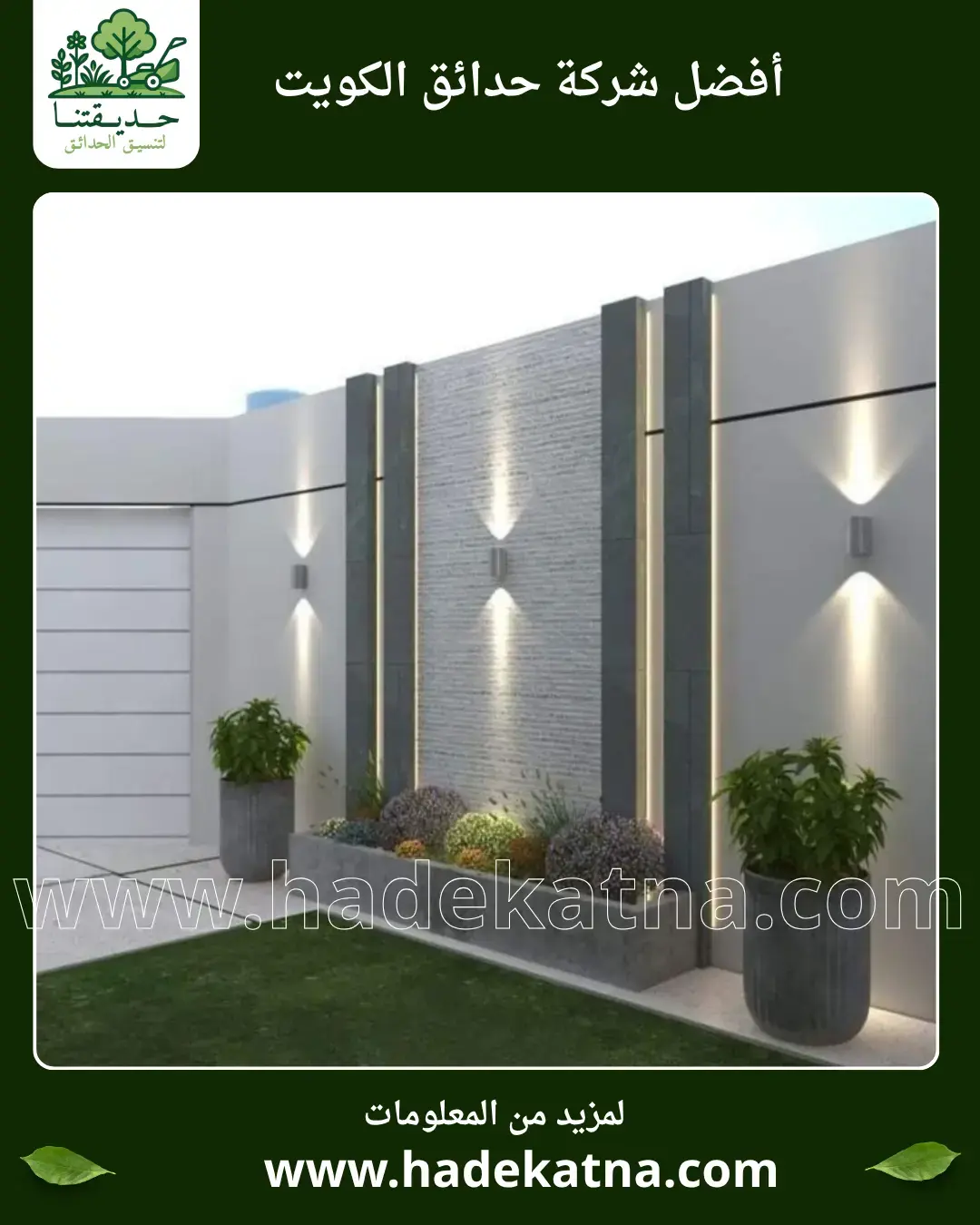
Hotel garden maintenance requires a schedule that considers the presence of guests before the convenience of the maintenance team because many landscaping tasks create noise, debris, or water on pathways. Mowing grass, pruning shrubs, or cleaning planting beds during busy arrival and departure periods can turn maintenance from something that protects the hotel’s appearance into a source of inconvenience. Tasks should therefore be organized according to location, timing, and their effect on guest use.
Daily or frequent inspections do not mean that pruning, irrigation, and fertilization must be performed every time. The purpose is to identify a problem before it becomes clearly visible to guests. A sprinkler spraying onto a walkway, for example, may require immediate adjustment, while a healthy shrub showing normal growth can wait until its appropriate maintenance time. Fallen leaves at the main entrance also have a different operational priority from leaves inside a planting bed away from guest movement.
The irrigation system is one of the most important maintenance components because a leak or incorrectly directed sprinkler can affect pathways and seating areas as well as the plants themselves. Inspection should therefore focus on coverage, leaks, and soil condition instead of simply increasing irrigation duration whenever one weak area appears.
Maintenance costs vary according to project size, number of zones, types of plants and lawns, visit frequency, and the required scope of work. The better way to compare maintenance proposals is by reviewing included tasks, monitoring standards, and the process for handling observations rather than comparing the monthly price alone.
-
Schedule tasks that produce noise or debris during periods with lower guest movement in the affected areas so maintenance protects the garden without unnecessarily affecting the guest experience
-
Separate inspection from actual intervention because identifying an issue in the garden does not automatically mean pruning fertilizing or changing irrigation before the cause and genuine need are established
-
Give entrances walkways and seating areas different priorities for cleanliness and presentation because guests use these spaces continuously while less visible areas can follow a different service schedule
-
Monitor irrigation coverage spray direction leaks and water reaching the soil so a small system fault does not become a wet walkway or visibly weak planting area in front of guests
-
Compare maintenance contracts according to included work inspection frequency and the process for handling faults and observations rather than choosing the lowest price without understanding the actual service level
Green Space Design for Resorts
Green space design for resorts requires defining the purpose of each area before deciding the percentage of lawn or number of trees because not every empty space in a resort needs to become a densely planted garden. Some areas are designed to welcome guests, others are used for circulation, some provide seating and relaxation, while other spaces act as a visual background for buildings or pools. Once the function is clear, it becomes possible to determine whether the area needs shade, open space, screening plants, or simply low planting that completes the overall scene.
Large lawns create a sense of openness, but they require irrigation, mowing, and continuous monitoring. They should not be used simply to fill empty areas. In some cases, concentrating natural grass in areas where guests actually use or view it and combining it with trees, planting beds, and hardscape can be more practical than covering a very large area entirely with lawn and then carrying the maintenance cost throughout the year. The same principle applies to shrub density and the number of plant species used.
The design also needs to consider distances between accommodation units and other facilities. Planting too close to guest rooms may require frequent trimming to keep growth away from windows and walkways. Allowing appropriate distances and selecting plants with suitable mature sizes can reduce this problem from the beginning.
Costs can vary considerably according to the proportion of planted space, plant size at installation, irrigation type, paving, and outdoor features. An economical design is not necessarily the one with the least planting. It is the design that directs the budget toward areas guests actually see and use while avoiding elements whose long-term maintenance requirements are greater than their operational value.
-
Define the purpose of every area before selecting plants so the treatment of reception zones quiet walkways and pool surroundings can differ instead of repeating one landscape arrangement throughout the resort
-
Use natural grass where it provides clear functional or visual value rather than automatically covering every open space and then carrying irrigation and mowing requirements across a very large area
-
Select tree and shrub sizes according to their distance from accommodation units and walkways so future growth remains within the intended space without requiring frequent trimming simply to keep plants away from guests
-
Balance planted areas with paving and open spaces so the resort remains green and visually comfortable without turning every square meter into an area requiring continuous irrigation cleaning and maintenance
-
Evaluate design costs according to both construction and future operation because an element that fits the installation budget may increase maintenance expenses when repeated across a large resort
Landscaping Hotel Entrances with Plants
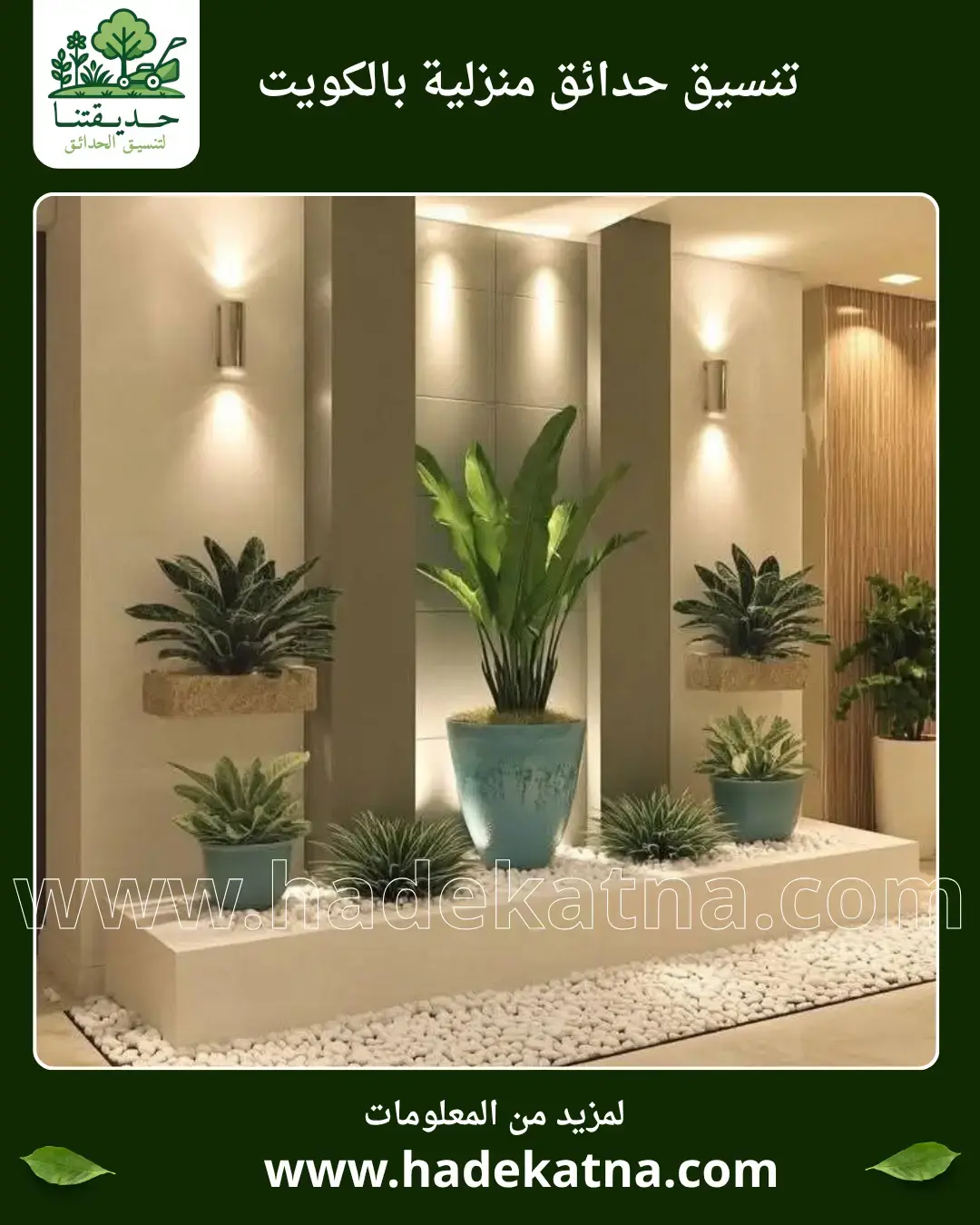
Landscaping hotel entrances with plants has a direct effect on the first scene guests experience, but the objective is not to place the largest possible number of trees and flowers near the door. The entrance is an active movement zone containing vehicles, pedestrians, luggage, and possibly valet or guest drop-off services. Planting should therefore strengthen the appearance of the facade without competing with signage, hiding doors, or reducing visibility between drivers and pedestrians.
Successful planning begins by identifying the main viewpoints. Guests may first see the hotel from inside a vehicle, then from the drop-off area, and finally while walking toward the entrance. Each viewpoint requires appropriate planting heights. Low plants can define edges while preserving visibility, while trees can be positioned carefully to add height or shade without placing dense canopies in front of the hotel name or important facade features.
Large containers may suit some hotel entrances because they create a defined visual arrangement and their position can be controlled, but their size should not narrow walkways or make the movement of luggage and service carts difficult. Plants grown in containers also require different monitoring from plants growing directly in the ground because the available soil volume is limited.
Another mistake is considering only how the entrance looks during the day while ignoring its appearance under nighttime lighting. Plants may block a lighting fixture or cast shadows over signage if the two elements are not coordinated from the beginning. The strongest entrance design therefore treats planting, movement, facade, and lighting as one system rather than treating planting as a separate decorative bed.
-
Preserve clear sightlines between vehicles and pedestrians around arrival areas so planting improves the scene without creating tall visual barriers where movement needs to remain visible
-
Arrange planting heights so the hotel name doors and directional signs remain visible instead of choosing attractive plants whose mature size competes with important facade elements
-
Review walkway widths before adding large containers because the remaining space must accommodate guests luggage and service carts without requiring people to move around planting obstacles
-
Coordinate plants with outdoor lighting from the beginning so branches do not cover light fixtures as they grow or create unwanted shadows over signage and entrance routes
-
Select entrance plants according to their ability to maintain an organized appearance with suitable maintenance requirements because this area remains under closer guest observation than many other parts of the garden
Preparing Outdoor Hotel Gardens
Preparing outdoor hotel gardens begins after the design has been approved by turning the plan into a site that can be used and maintained effectively rather than simply supplying plants and placing them in the ground. Before planting starts, levels, pedestrian routes, planting-bed locations, irrigation points, lighting, and seating positions should be established so one element is not completed only to discover later that another installation needs to pass through the same location.
Soil preparation should vary according to the area, proposed plants, and existing site conditions. The same treatment should not automatically be used for every planting bed without assessment. The irrigation system should also be divided in a way that accommodates different requirements whenever practical. An exposed lawn in direct sunlight is not the same as a shrub bed near a building, and an operating program that treats both areas identically may be difficult to manage after the hotel opens.
The next stage involves choosing plants in sizes and quantities appropriate to the approved design. Purchasing larger plants can create a stronger visual effect sooner, but it also changes the project budget and the requirements for transportation, planting, and establishment. Smaller plants may cost less initially but need more time to reach the planned appearance. The right choice depends on the opening schedule, budget, and characteristics of the specific area rather than size alone.
Before handover, the irrigation system should be tested, pedestrian movement reviewed, and the site checked for points where water may collect or where plants clearly conflict with pathways. Successful hotel garden preparation does not end when the last tree is planted. It ends when the landscape is ready to enter organized daily operation.
-
Confirm the locations of walkways planting beds irrigation lighting and seating before planting begins so construction teams do not need to modify completed work because of conflicts that could have been identified in the plan
-
Prepare soil according to the condition of each area and the plants assigned to it instead of automatically using the same soil mixture or treatment throughout the entire project without assessing actual requirements
-
Divide irrigation zones according to different site requirements whenever possible so exposed lawns and shaded planting beds are not forced to depend on one operating program that becomes difficult to manage
-
Compare plant sizes at the purchasing stage according to the required opening-day effect budget and establishment requirements instead of assuming that the largest plant is always the best choice
-
Test irrigation pedestrian routes and paving conditions before final handover so the garden enters operation ready for use and maintenance rather than revealing avoidable problems once guests are present
Hotel Garden Seating Area Design
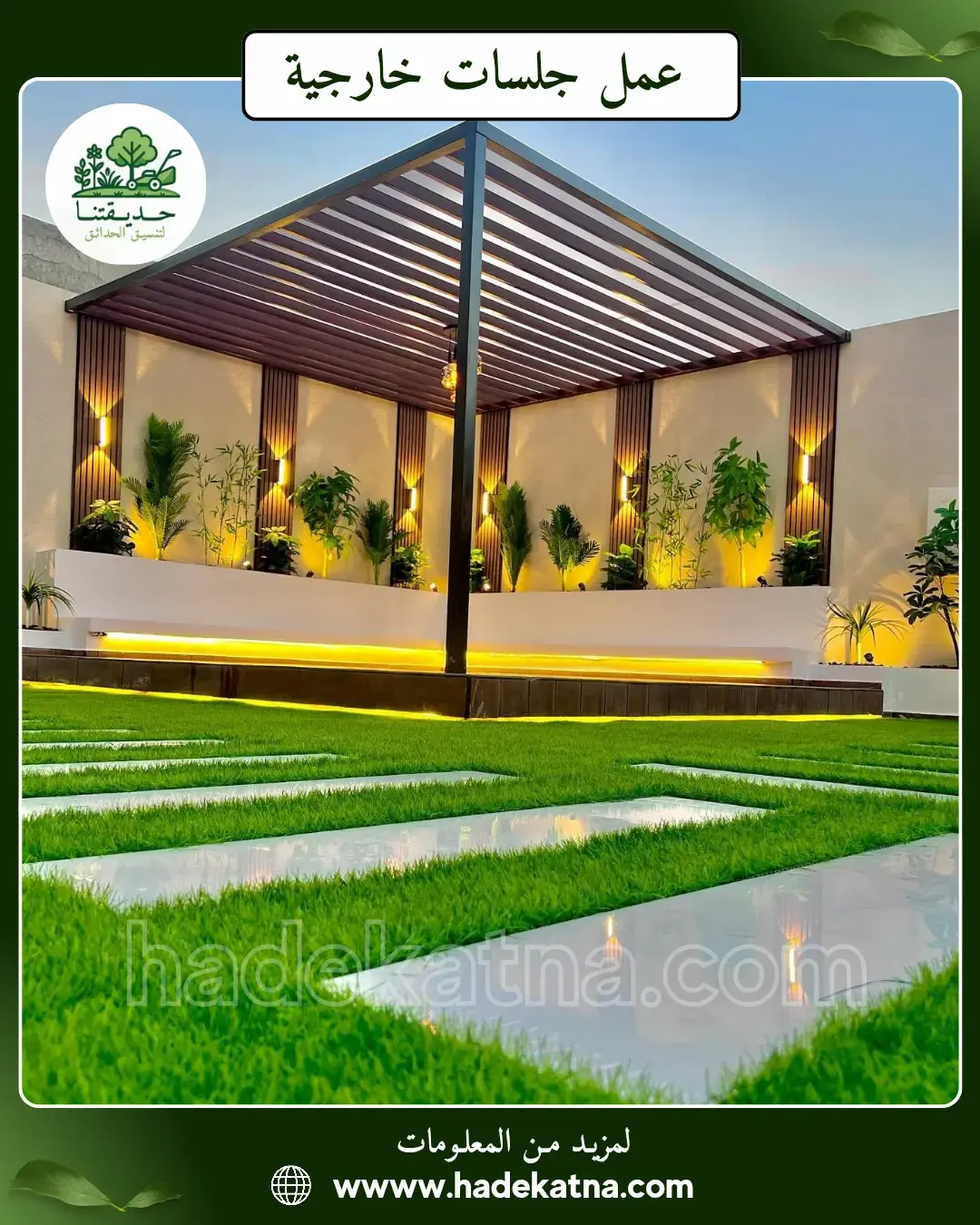
Hotel garden seating area design should begin with the guest experience inside the seating space rather than with how the furniture looks in a catalog. The first question is when the area will be used and whether it is connected to a restaurant, swimming pool, outdoor lobby, or simply intended as a quiet place to sit. From there, shade requirements, spacing between seating groups, service routes, and proximity to plants and pathways can be determined.
Privacy matters, but it should not turn a seating area into a space completely enclosed by plants. Using extremely dense shrubs around every table can reduce visibility, restrict access, and increase trimming and cleaning requirements. Sometimes a modest difference in planting height or a carefully arranged group of plants is enough to provide visual separation without creating green walls between guests.
Shade also needs to be planned according to the time of use. Having a tree close to the seating area does not guarantee that its shadow will cover the seats during the required hours. Sun direction, future canopy size, and suitable spacing between plants and furniture all need consideration. If umbrellas or permanent shade structures are used, they should be integrated with planting rather than treated as completely separate elements.
From an operational perspective, the service team needs a clear route to reach tables without walking through planting beds or squeezing between closely positioned chairs. These small details are what separate a seating area that only looks attractive in photographs from one that remains comfortable and practical when the property is busy.
-
Define the purpose of the seating area and its expected time of use before arranging plants and furniture so shade space and movement reflect how guests will actually use the area
-
Provide visual separation between seating groups in a measured way instead of surrounding every area with dense planting that restricts visibility service access and requires frequent trimming
-
Study sun direction and the location of shade structures so shade falls over the actual seating area at the required time instead of relying only on the presence of a nearby tree
-
Leave clear service routes around seating areas so staff can reach tables and clean the space without walking through planting beds or repeatedly moving furniture
-
Choose surrounding plants according to their mature size cleaning requirements and maintenance needs so the most frequently used guest area does not become a location requiring constant work beside occupied seating
Resort Lawn Maintenance
Resort lawn maintenance requires more detailed monitoring than simply mowing the grass periodically because lawn areas may extend between accommodation units, walkways, pools, and seating areas, with each section experiencing different sunlight, foot traffic, and irrigation conditions. The first step is to divide the lawn into monitoring zones so it is possible to determine whether a change in color or density is limited to one location or spread throughout the project because the difference changes how the issue should be addressed.
If a weak patch appears beside a walkway, for example, it should not immediately be assumed that the entire lawn requires additional irrigation or fertilization. A sprinkler may not be covering the corner correctly, guests may repeatedly take a shortcut across the grass, or the soil in that area may differ because of previous construction work. Investigating the cause before treatment prevents unnecessary intervention and avoids increasing water or other inputs across healthy sections.
Mowing time also matters in a resort because the work creates noise and debris and can conflict with guest use of nearby spaces. Areas should therefore be divided and work organized during suitable periods rather than mowing the entire property at the same time. Mowing height and frequency should also reflect grass type, growth rate, and current condition rather than following a purely cosmetic fixed schedule.
Maintenance costs are affected by lawn area, distribution, access for maintenance equipment, irrigation condition, and the amount of work required. One large connected lawn can be operationally different from ten small areas distributed between buildings even when their total area is similar.
-
Divide lawn areas into clear monitoring zones so changes in color or density can be linked to specific locations and conditions instead of treating every lawn in the resort as one identical unit
-
Check sprinkler distribution guest traffic and soil condition when a weak area appears before increasing irrigation or applying treatment across the entire lawn
-
Schedule mowing according to the use of nearby facilities so equipment noise and resulting debris do not coincide unnecessarily with busy periods around seating areas or walkways
-
Determine mowing frequency according to grass type growth rate and lawn condition instead of applying a fixed number of mowing visits without considering seasonal changes in growth
-
Compare maintenance costs according to area distribution accessibility irrigation condition and the required scope of work because total lawn size alone does not explain the operational effort required
Managing Hotel Garden Maintenance

Managing hotel garden maintenance is different from carrying out isolated landscaping tasks because an effective system needs to show what has been inspected, which observations have been recorded, what requires intervention, and what can wait. In a hotel, a small issue left without follow-up can quickly become visible in an area seen by hundreds of guests. Maintenance management should therefore be based on priorities, documentation, and coordination with hotel operations rather than only on frequent trimming and cleaning.
It is useful to divide the garden into operational zones such as the entrance, walkways, seating areas, lawns, areas surrounding facilities, and less visible sections. Each area can then receive a monitoring level appropriate to its use. A sprinkler wetting the hotel entrance, for example, has a higher operational priority than a minor cosmetic issue in a remote planting bed because the first issue directly affects movement and the guest experience.
It should also be clear who is responsible for recording an observation and who follows it through to completion. If every worker notices a problem but assumes someone else has reported it, minor faults can disappear between different operational teams. Maintaining a simple record of work and observations helps identify recurring problems such as a sprinkler that repeatedly shifts direction or a plant that continues to decline in the same location even after replacement.
Good management also prevents unnecessary work. Not every visit requires fertilization, pruning, or irrigation changes. A stronger service is one that distinguishes inspection from required intervention and can explain why a particular action is necessary based on site conditions instead of performing a fixed checklist simply to make every visit appear busy.
-
Divide the garden into operational zones according to guest use and visibility so maintenance priorities are determined by their actual effect on the property
-
Record recurring faults and observations together with their location and date so problems returning in the same area can be identified instead of repeatedly treating each symptom as an unrelated event
-
Assign clear responsibility for following each observation from initial identification through completion so problems are not lost between landscaping maintenance and hotel operations teams
-
Coordinate disruptive work such as mowing pruning and irrigation in certain areas with hotel schedules so it can be completed with the least practical conflict with guest movement and events
-
Evaluate maintenance quality according to garden stability and how effectively recurring causes are addressed rather than the number of tasks performed because frequent intervention alone is not evidence of good management
Hotel and Resort Landscaping Company
Choosing a hotel and resort landscaping company requires different criteria from selecting a contractor for a small residential garden because a hospitality project combines design, installation, operations, and the guest experience within one site. The right company needs to understand that plants are not separate from walkways, lighting, seating, irrigation, and service access, and that every design decision made today will affect the maintenance team after the property becomes operational.
Before making a selection, request a clear scope of work stating whether the project includes design only, design and installation, or maintenance after handover. Proposed materials and landscape elements should also be clearly defined in terms of type, size, quantities, and intended locations rather than relying on a general quotation describing “complete landscaping” without enough detail to compare different proposals.
Price should not be compared only as one final number. A lower quotation may exclude work included in another proposal, such as soil preparation, irrigation, or particular planting elements. The scope should therefore be standardized before prices are compared. For maintenance contracts specifically, ask about inspection frequency, included tasks, and how faults, materials, or replacements are handled if they become necessary.
The real value of a service specializing in hotels and resorts is that maintenance is considered from the design stage. When irrigation points are accessible, plants are appropriate for their available space, and pathways remain clear, daily operation becomes easier and the need for repeated modifications after opening can be reduced.
-
Request a written scope defining design installation irrigation planting maintenance and exclusions so companies can be compared according to the same workload rather than differently named service packages
-
Review the plan in terms of guest movement maintenance access and the future mature size of plants instead of evaluating it only from presentation images and overall appearance before approving construction
-
Compare prices after standardizing items quantities and specifications because a difference between two quotations may result from excluded work rather than a genuine difference in the price of the same service
-
For maintenance contracts clarify monitoring frequency trimming cleaning irrigation inspection and how materials and replacements are handled so unclear additional items do not appear after operations begin
-
Prefer a solution that balances appearance guest experience and ease of operation because a design requiring repeated changes after opening does not fully achieve its purpose even if it looks impressive at handover
Conclusion
Successful hotel garden design in Kuwait does not depend on plant density or the amount of lawn as much as it depends on connecting every landscape element with the way the hotel or resort is actually used. Entrances need clear visibility and easy movement, seating areas need shade and service routes, and lawns require irrigation and maintenance that can be carried out without unnecessarily disturbing guests. Plant selection should also consider mature size and future trimming and cleaning requirements rather than focusing only on appearance on the day of planting. In larger hospitality projects, operational planning becomes even more important because any choice repeated dozens of times multiplies its effect on maintenance and costs. The better design is therefore one that remains organized and manageable after opening, provides guests with a comfortable outdoor experience, and avoids turning the garden into a continuous series of modifications and recurring problems.
Frequently Asked Questions
What is the most important factor when designing a hotel garden in Kuwait?
The starting point is understanding guest, vehicle, and service movement and the distribution of hotel facilities before selecting plants. Areas requiring shade, low planting, or visual separation can then be identified while considering irrigation, maintenance access, and the mature size of plants so the design remains practical after the hotel becomes operational.
What is the difference between landscaping a hotel and a resort?
A hotel garden is often more closely connected to entrances, walkways, seating areas, and facilities within a concentrated space, while a resort may contain much larger outdoor areas distributed between accommodation units, pools, restaurants, and long pedestrian routes. Resort landscaping therefore requires clearer zoning and stronger coordination with the way guests move throughout the property.
How is the cost of hotel garden design and installation determined?
Cost depends on the size of the project, proportion of planted areas, type and size of plants, irrigation system, soil preparation, paving, seating, outdoor elements, and the required scope of installation. The total site area alone is therefore not enough to make an accurate cost comparison between different projects.
Do hotel gardens require a daily maintenance schedule?
Some inspection and cleaning tasks require frequent attention, particularly around entrances and walkways, but not every landscaping task needs to be carried out daily. Pruning, mowing, fertilization, and irrigation adjustments should be determined according to plant condition, season, and the type of work while timing is organized to minimize unnecessary disturbance to guests.
How do I choose a landscaping company for a hotel or resort?
Compare the scope of work, landscape plan, plant specifications, irrigation approach, and maintenance method before comparing the final price. A company suited to hospitality landscaping should provide a solution that considers garden appearance, guest movement, maintenance access, and long-term operating requirements rather than focusing only on how the landscape looks on the day it is handed over.


