

Complete Guide to Choosing a Reliable Landscaper in Kuwait
Choosing a garden landscaping contractor should not be based on the most attractive plant photos or the lowest price written in a quotation because the project may involve site preparation, planting, irrigation, installation, and follow-up according to the agreed scope of work. When choosing a landscaping contractor in Kuwait, it is better to compare details that can actually be verified rather than relying on general promises. What did the contractor inspect at the site? Which tasks were included in the calculation? What materials and plants were proposed? Who is responsible for each stage? The difference between a detailed quotation and a vague one may not be obvious when you first agree, but it usually becomes clearer once work starts and unaccounted tasks begin to appear. This guide focuses on the selection process itself, from reviewing previous projects and asking the right questions to defining the scope, contract terms, and common mistakes that can make the cheapest quotation more expensive in the end.
Choosing a Landscaping Contractor in Kuwait

Choosing a landscaping contractor in Kuwait starts before comparing prices because you first need to make sure that the contractors you are comparing actually understand the same project. If one contractor has included removing existing planting, preparing the soil, installing irrigation, and completing the new planting while another has priced only the planting work, comparing their final prices directly will not give you a fair result. The first step is to prepare a clear description of the project and discuss the same requirements with each contractor so their quotations are based on a reasonably similar scope.
A site inspection also has considerable value. The contractor should ask about the size and current condition of the property, the water source, sunny and shaded areas, how the garden will be used, and which existing elements you want to retain. Not every project requires removing everything and starting again from the beginning. In some cases, modifying part of the garden or making use of suitable existing features can be a more practical and economical decision.
After that, compare quotations by individual items rather than the final number alone. Review what is included in site preparation, irrigation, and planting and whether waste removal or other additional work is included according to the project. This allows you to understand why prices differ instead of choosing the cheapest quotation and later discovering that half the garden was never included in the original calculation.
-
Prepare one clear description of the project and ask every contractor you are considering to price the same requirements so you compare similar scopes of work rather than different projects with unrelated totals
-
Pay attention to the questions the contractor asks during the site inspection because understanding the soil irrigation sunlight and intended use of the space matters more than immediately suggesting plants and decorative arrangements
-
Ask for the main items in the quotation to be separated so you can understand the scope and cost of preparation planting irrigation and other work instead of relying only on an unexplained total
-
Discuss which existing elements can be retained or reused because complete replacement is not always necessary and may not be the most appropriate choice for the project
-
Compare the clarity and practicality of each quotation in addition to its price because an incomplete quotation may start with a lower figure and become more expensive when excluded work appears later
Reliable Landscaping Contractor
Being described as a reliable landscaping contractor should not depend on what the contractor says about themselves but on what you can verify before the project begins. One practical indicator is the ability to turn discussions into written details. If you agree on a particular type of work, area, or stage of implementation, it should appear in the quotation or contract instead of remaining under a general phrase such as complete garden preparation because the meaning of “complete” can vary significantly from one person to another.
The second indicator is how the contractor handles matters that cannot reasonably be confirmed before inspecting the site. A professional contractor does not need to give a definite answer to every question during the first phone call. If the condition of the soil or an existing irrigation system needs inspection, it is more accurate to explain that the decision will be made after assessment rather than making a quick promise simply to secure the agreement.
You should also check whether the details remain consistent between conversations and the written quotation. The number of areas involved, type of work, agreed materials, and project stages should not change every time you ask about them. Reliability here is not simply a personal feeling. It is the ability to refer to a clear and defined agreement. The less the project depends on verbal discussions, the easier it becomes to understand each party’s responsibilities if something changes during implementation.
-
Ask for the essential agreed details to be documented because a written agreement reduces differences in interpretation and gives both parties a clear reference throughout the project
-
Consider a contractor’s willingness to request inspection or assessment before making certain decisions more professional than providing confident answers about conditions that have not actually been examined
-
Check that the verbal explanation matches the items included in the quotation so you do not rely on a service or material discussed during a conversation but omitted from the written agreement
-
Ask how changes discovered after work begins will be handled so you understand in advance how additional work will be approved and how it may affect the cost and project duration
-
Keep a copy of the quotation and all approved amendments because referring to a specific version reduces confusion if project details change during implementation
How to Choose a Landscaping Company
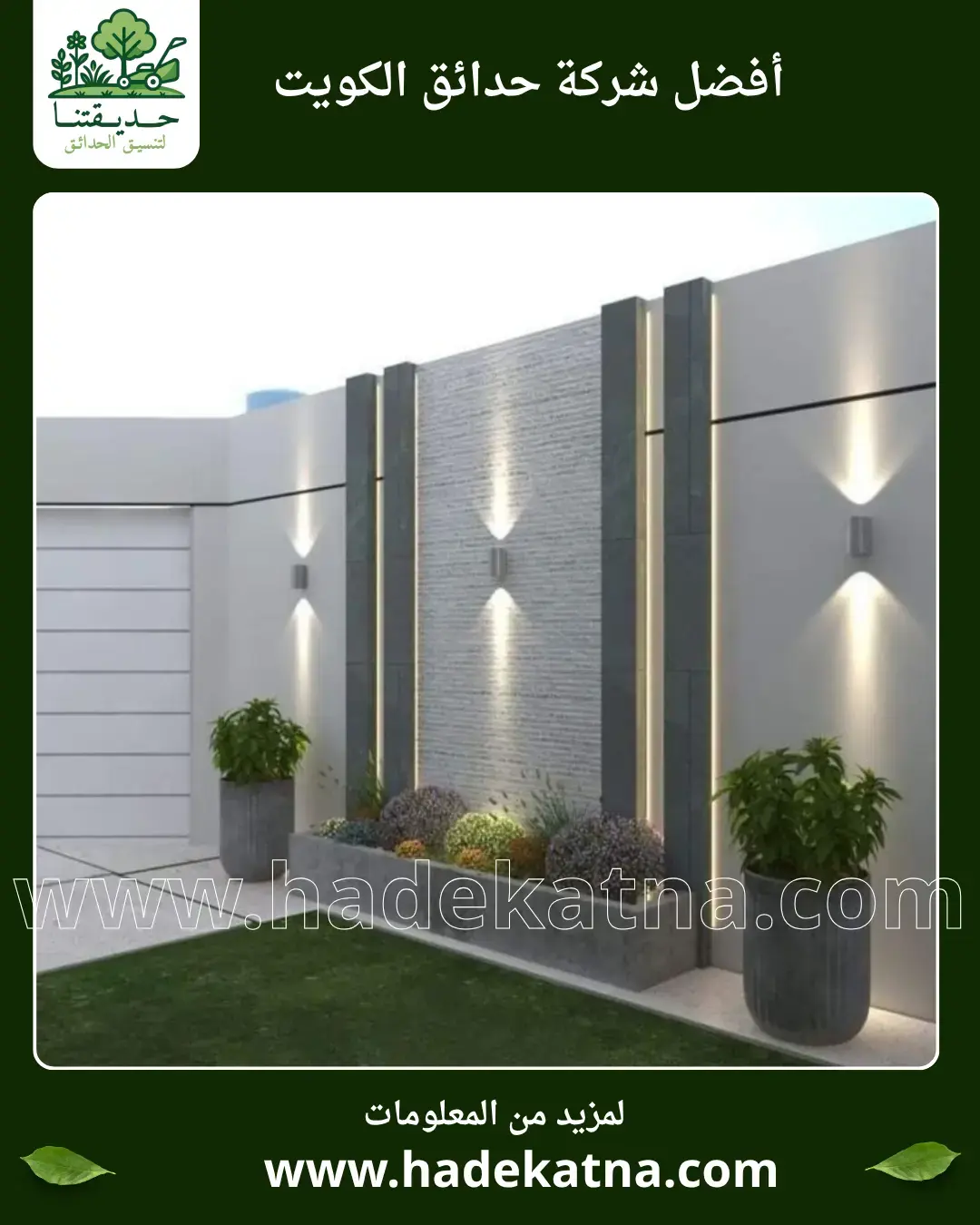
If you are asking how to choose a landscaping company, start with your own requirements rather than a list of company names. Determine whether you need completely new landscaping, renovation of an existing garden, modification of an irrigation system, or planting within a specific section because the type of project changes the questions you need to ask. The right company for your project is one that explains how it will address your particular requirements rather than offering a general package filled with services you may not need.
Next, compare companies on three levels. The first is technical and includes understanding the site and evaluating the proposed solutions. The second is operational and covers the sequence of work, materials, and responsibilities. The third is financial and includes what the price covers, what it excludes, and how changes will be calculated. If you focus only on the financial level, you may select a cheaper quotation that is based on lower specifications or a narrower scope than the alternatives.
Consider a simple example. Two companies propose landscaping the same area, but the first includes soil preparation and irrigation adjustments before planting while the second prices only the plants and their installation. The price difference does not automatically mean the second company offers better value because the basis of the two quotations is different. A meaningful choice becomes possible when you standardize the requirements first and then identify which company provides the clearest and most appropriate solution rather than simply choosing the smallest figure at the bottom of the quotation.
-
Define the type of project and the problem you want to solve before contacting companies so you can distinguish between a provider offering a solution connected to your needs and a general package containing unnecessary services
-
Compare the proposed technical solution for each part of the garden instead of comparing service names alone because identical labels can conceal substantial differences in the actual implementation method
-
Review the project stages and identify who is responsible for each one so you know whether the quotation covers the project from preparation through completion or leaves certain tasks for another provider
-
Evaluate price separately from scope because a lower total is not a genuine advantage when essential materials or work have been excluded from the original quotation
-
Make your decision using information that can be compared and verified instead of relying on attractive photographs fast responses or large promises that are not supported by written details
Landscaping Contractor Selection Criteria
Landscaping contractor selection criteria should be measurable and comparable because terms such as excellent, professional, or highly experienced are not particularly useful if you do not know what the contractor will actually deliver. The first criterion is understanding the site. Check whether the contractor connects recommendations to the size and condition of your garden, areas of sunlight and shade, the water source, and how the space will be used, or simply provides the same solution that could be offered to any other customer. A proposal tailored to the actual site is generally clearer in its details and easier to evaluate.
The second criterion is the level of detail in the quotation. You do not necessarily need a fifty-page contract, but you should know the main tasks and important quantities or specifications according to the nature of the project. If irrigation work is involved, for example, it should be clear whether a completely new system will be installed or the existing system will be modified. If planting is included, you should understand what preparation work is included rather than seeing only a short item labeled “planting.”
The third criterion is the practicality of implementation and follow-up. Ask how the project stages will be organized, which tasks depend on others, and who will be responsible for reviewing the work. This becomes especially important in projects involving several types of work because poor sequencing can result in one completed stage being affected by the next.
Communication also matters. A contractor who explains assumptions and asks before changing agreed work is easier to deal with than one who makes changes independently and presents the additional cost afterward as an unexpected surprise.
-
Evaluate how closely the proposal reflects the actual conditions of your garden because a solution that considers space sunlight irrigation and intended use provides a clearer basis than a generic quotation suitable for almost any site
-
Review the level of detail in the work items and important specifications so you understand what will actually be delivered and can identify meaningful differences between quotations before choosing a contractor
-
Confirm that the project has a logical sequence because preparation irrigation planting and other elements need coordination to prevent repeated work or damage to stages that have already been completed
-
Observe how changes and questions are managed because clear communication before any modification is carried out reduces disagreements about scope and cost after the project has started
-
Combine technical operational and financial criteria when comparing contractors instead of turning the selection process into a competition for the lowest price without understanding why the figures differ
Questions to Ask Before Hiring a Garden Contractor
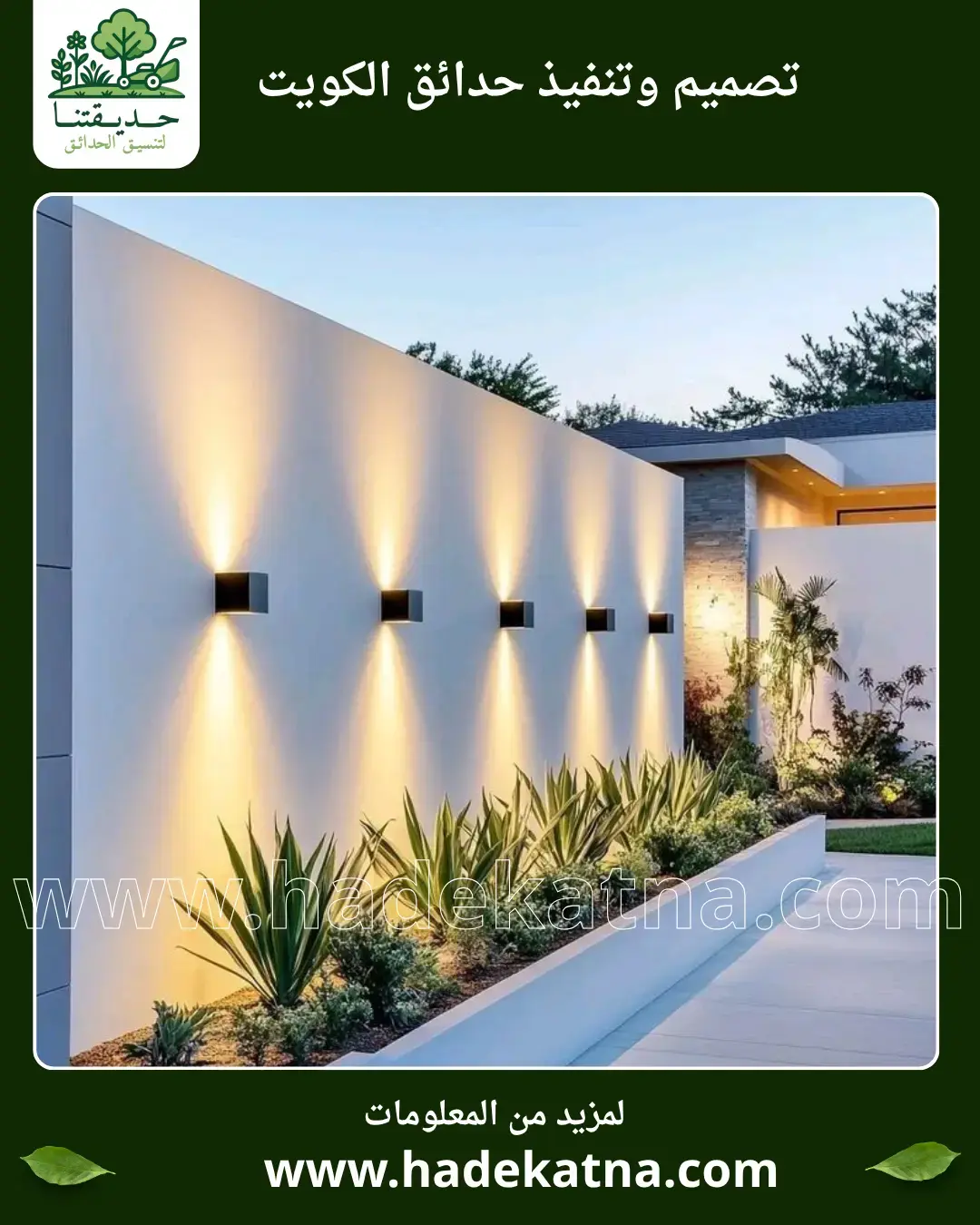
Preparing a list of questions to ask before hiring a garden contractor can save you from repeatedly discovering after work starts that something you assumed was included in the quotation actually was not. The strongest questions are not simply those that produce a yes or no answer but those that make the quotation more precise. Instead of asking whether the price includes everything, ask exactly which work and materials are included and which items are specifically excluded.
You should also ask about the current condition of the site. If there is an existing irrigation system, will it be inspected before the contractor decides to rely on it? If plants, soil, or existing planters are already present, which elements will remain and which ones need modification? These questions matter because part of the total project cost may be associated with correcting or adapting existing conditions rather than installing the new landscaping itself.
It is equally important to ask about the procedure for changes. Landscaping projects can reveal requirements that were not obvious before work started, particularly when some conditions are underground or connected to an existing irrigation system. The goal is not to assume that nothing unexpected will appear. Instead, agree in advance on how you will be informed about any change, how it will be priced, and how approval will be obtained before the additional work is carried out.
Finally, ask about project completion and any post-completion requirements within the agreed scope. What does the company consider a completed project? Are there operating or care instructions you need to understand? Written answers to these points are more useful than relying entirely on quick conversations.
-
Ask exactly what the price includes and which work or materials are excluded so you understand the limits of the quotation before signing instead of discovering them during implementation
-
Ask how existing site elements will be assessed because the irrigation system plants soil or existing structures can change both the implementation method and the amount of work required
-
Request an explanation of the project sequence so you have a clear picture of how work will begin and which stages depend on the completion of earlier tasks
-
Agree on how any change or additional work will be approved before implementation so unexpected technical requirements do not become financial disagreements after the work has already been completed
-
Ask about completion requirements and any care or operating instructions included within the project scope so you understand what needs to be managed after the landscaping work is finished
Verifying a Landscaping Contractor’s Previous Work
Verifying a landscaping contractor’s previous work does not simply mean looking through twenty attractive photographs and immediately deciding that you have found the right contractor. Photographs are useful, but they need to be examined carefully. Try to review projects that are reasonably similar to your own because a small residential garden differs from a large outdoor area or a project involving extensive irrigation and several stages of site preparation. The closer the example is to your requirements, the more useful it becomes when assessing whether the contractor has relevant experience.
If photographs are presented as examples of the contractor’s previous projects, it is reasonable to ask exactly what part of each project the contractor completed. One provider may have handled only the planting while other elements visible in the photographs were completed by another contractor. Understanding the actual role prevents you from attributing an entire project to a company that was responsible for only one section.
Pay attention to details rather than the overall photograph alone. Look at planter arrangements, transitions between planting and walkways, finishing around edges, and how difficult sections were handled where they are visible. If photographs taken some time after completion are available, they can provide different information from photographs taken on handover day because gardens continue to grow and change after installation.
The objective is not to interrogate the contractor but to turn the project portfolio from promotional material into useful evidence that helps you determine whether previous experience is genuinely relevant to the type of project you intend to complete.
-
Ask to see examples that are similar to the size and type of your project because comparable working conditions provide more useful information than a large collection of unrelated landscaping photographs
-
Ask about the contractor’s exact responsibility in each displayed project so you know whether the company completed the entire landscape or only a specific section instead of assuming responsibility for everything shown
-
Examine implementation details in photographs rather than looking only at the overall appearance because transitions edges and the arrangement of individual elements can reveal aspects that are easy to miss at first glance
-
If photographs from different stages are available review them to understand how the project developed because a photograph taken on installation day provides different information from a garden after plants have grown and the space has been used
-
Treat previous projects as one part of the overall evaluation alongside the quotation site inspection and contract rather than allowing an attractive portfolio alone to determine your decision
Landscaping Contractor Agreement Terms
Clear landscaping contractor agreement terms turn discussions into a reference that both parties can use throughout the project. A useful contract does not need to be overloaded with terminology, but it should clearly describe the project, scope of work, materials, stages, agreed value, and procedure for handling changes. If an approved detailed quotation forms part of the agreement, its relationship with the contract should be clearly established so you do not end up with two documents containing different versions of the same project.
Descriptions of materials and work should contain an appropriate level of detail for the project. If plants, planters, irrigation work, or soil preparation have been agreed, a broad description may not always be sufficient when specifications directly affect cost and implementation. Quantities that can reasonably be established in advance should also be documented so comparison and inspection at completion become easier.
The method for dealing with additional work is another important term. If a new requirement appears during implementation, it should not automatically become an additional charge without the property owner understanding what has changed. A clear procedure should explain the required work and its effect on both cost and duration before it is approved.
The payment schedule should also reflect the agreed project stages rather than remaining open-ended. Every project has different circumstances, so one payment structure cannot be assumed to suit every situation. The essential purpose of the agreement is to answer a simple question that can prevent many later disputes: who is responsible for what, when will it be completed, according to which specifications, and at what agreed cost?
-
The agreement should contain a clear description of the project and the agreed scope of work so both parties understand the contractor’s responsibilities and which tasks fall outside the agreement
-
Important specifications and quantities should be documented wherever the project allows so material selection and the amount of work do not depend on broad descriptions that can be interpreted differently
-
Any approved detailed quotation or schedule of quantities should be clearly connected to the contract so all project documents remain consistent and their details do not conflict during implementation
-
A procedure for additional work and changes should be defined so new tasks can be explained priced and approved before implementation rather than being added to the final account without prior agreement
-
The agreement should explain implementation stages payment arrangements and completion according to the actual project terms so both parties have a reference for reviewing each stage
Defining the Landscaping Contractor’s Scope of Work
Defining the landscaping contractor’s scope of work is one of the most effective ways to prevent misunderstandings before the project starts. The phrase “garden landscaping” may mean planting and arranging plants to one person while another person may understand it to include removing existing landscaping, preparing the ground, installing irrigation, constructing planters, planting, and final cleaning. Unless that broad phrase is broken down into specific tasks, you cannot accurately decide whether a quotation is expensive or inexpensive because you do not know exactly what you are buying.
Start with the site in its current condition and then describe the desired result. If existing planting is present, specify whether it should be removed or whether some of it will remain. If an irrigation system already exists, clarify whether it will be reused after inspection, modified, or replaced according to its condition. Preparation, planting, and any additional required elements can then be identified. This process exposes gaps before the agreement is signed instead of allowing them to appear only after the site has been opened and work has started.
It is also important to define the division of responsibility when more than one provider is involved in the project. If another contractor is responsible for a particular element, the sequence of work should be understood so one provider is not delayed by another.
A clearly defined scope also makes cost control easier because any new request made after the agreement can be identified as a genuine change instead of turning into an argument about whether everyone assumed it was already included.
-
Describe the current condition of the site separately from the desired result so the work required to move from the existing situation to the agreed outcome can be identified clearly
-
Divide the project into preparation irrigation planting and additional elements where required instead of grouping everything under the broad term garden landscaping which can carry several different meanings
-
Define what will happen to existing plants planters and irrigation systems so one party does not assume they will remain while the other has priced the project on the basis of replacing them
-
Clarify the responsibilities of each provider when more than one contractor is involved so the sequence of work is understood and responsibility does not become unclear when a problem occurs
-
Use the agreed scope as the basis for later changes because having a clear starting point makes it easier to identify additional work and determine its effect on both price and project duration
Mistakes When Choosing a Landscaping Company
One of the most common mistakes when choosing a landscaping company is selecting a quotation based only on the final price. Price certainly matters, but if you do not compare what is actually included in each quotation, you are comparing numbers rather than services. A quotation that includes site preparation, irrigation, and planting cannot be directly compared with one that covers only supplying and installing plants even if both documents are labeled as landscaping services.
Another mistake is relying on photographs without verifying their relevance to your type of project or understanding what work the company actually completed. A third mistake is agreeing on many important details verbally while leaving the written quotation extremely brief. As soon as the interpretation of a particular item differs, each party may remember the original discussion differently, which is not a reliable way to manage a landscaping project.
Choosing plants before evaluating site conditions is another avoidable mistake. A plant is not a piece of furniture that can simply be placed wherever it looks attractive. Sunlight, shade, irrigation, and available growth space all influence whether a plant is suitable for a particular location. Ignoring future maintenance requirements can also result in a design that looks attractive initially but requires considerably more work than expected later.
Finally, do not assume that a longer service list automatically makes one company better. The appropriate provider is the one whose scope matches your project and who clearly explains what is required rather than simply presenting an extensive list of services that makes it difficult to understand what you are actually purchasing.
-
Do not choose the lowest quotation before standardizing the scope of comparison because the price difference may result from work or materials that are completely absent from the cheaper proposal
-
Do not rely on a project portfolio alone without understanding the company’s role in the displayed work and whether those projects are comparable to the size and type of garden you intend to develop
-
Do not leave important details as verbal agreements when they affect cost or implementation because documenting them reduces differences in interpretation during different stages of the project
-
Do not finalize plant selection before evaluating the conditions of the intended location because successful planting depends on sunlight irrigation available space and the nature of the site rather than appearance alone
-
Do not ignore maintenance requirements after installation because a design that is difficult to maintain can create continuing responsibilities and costs that were not obvious when the quotation was selected
Garden Contractor Agreement Conditions in Kuwait
Establishing garden contractor agreement conditions in Kuwait is the stage where all previous decisions are brought together into a clear agreement before implementation begins. The objective is not to complicate the project with dozens of unnecessary conditions but to prevent essential points from remaining unresolved. The agreement should identify both parties, the project location, the description and scope of work, agreed specifications, project value, payment method, implementation period or stages, and the procedure for approving changes. The larger and more varied the project becomes, the more important these written details are.
Another point worth considering is avoiding payment for undefined work simply because the quotation describes the project as complete. Payments are better connected to clear stages or agreed arrangements according to the individual project, with an understanding of what has been completed before moving to the next stage. If a material, plant, quantity, or other project detail changes during implementation, the amendment and its financial and operational effects should be documented instead of relying on a brief conversation that may later be remembered differently.
Before signing, review exclusions as carefully as included services. Sometimes the problem is not what appears in the agreement but what each party assumes is included even though it was never written down. You should also avoid relying on any warranty or other commitment unless its conditions, scope, and duration are clearly documented when such a commitment forms part of the agreement.
A clear contract cannot prevent every possible disagreement, but it reduces uncertainty and gives both parties a practical framework for managing the project from the beginning through completion.
-
The project location scope of work specifications value payment method and implementation stages should be clearly defined before work begins so both parties understand their responsibilities
-
Excluded work and exceptions should be reviewed as carefully as included items because assumptions about services that were never written down are a common source of disagreement during implementation
-
Any change in materials plants quantities or scope should be documented together with its effect on cost and duration before the amendment is approved and carried out
-
Payments should follow the agreed project arrangement with clear conditions rather than allowing the payment process to depend on changing understandings during implementation
-
Any commitment relating to the period after project completion should be documented when applicable with its scope and conditions clearly defined instead of depending on general undocumented promises
Conclusion
Choosing a landscaping contractor in Kuwait becomes easier when you turn the decision from a personal impression into a comparison based on clear information. Start by defining your project and its scope, then request a site inspection and a quotation that explains the work, specifications, and responsibilities. After that, review previous projects and ask about any details that could affect either the price or implementation. Do not automatically assume that the lowest quotation is the best choice, and do not treat a large collection of attractive photographs as sufficient evidence that a contractor is suitable for your project. The contract is not merely a formality either. It is the document that brings together the scope of work, payments, changes, and completion requirements in one reference. The more details you clarify before implementation begins, the fewer unexpected issues are likely to arise later, and the easier it becomes to compare contractors according to what you will actually receive for the agreed project cost.
Frequently Asked Questions
How do I choose a landscaping contractor in Kuwait?
Start by defining exactly what your project requires, then compare contractors according to their site assessment, scope of work, specifications, implementation method, previous projects, and cost. The important point is to make sure the quotations cover reasonably similar scopes before comparing their final prices.
Should I choose the cheapest landscaping quotation?
Not necessarily. A lower price may result from different materials or from excluding some of the work required for the project. It is better to understand exactly what each quotation includes first and then compare prices based on similar services and specifications.
What should I ask a garden contractor before hiring them?
Ask about included and excluded work, the condition of existing site elements, the sequence of project stages, the procedure for approving additional work, and what is required at completion. Any point that can affect price or implementation should preferably be documented.
How can I verify a landscaping contractor’s previous work?
Review projects that are reasonably similar to the size and type of your own project and ask which parts the contractor actually completed. If photographs from different stages or some time after completion are available, they can provide a broader understanding than handover photographs alone.
What is the most important part of a landscaping contract?
The scope of work should be clearly defined together with the main specifications, cost, payment arrangements, implementation stages, procedure for changes and additional work, completion requirements, and any other commitments agreed between the parties.


