

Complete Year-Round Seasonal Garden Maintenance Guide in Kuwait
A garden in Kuwait does not require the same care in January and July because temperatures, hours of sunlight, wind conditions, and plant growth rates change throughout the year. For this reason, seasonal garden maintenance in Kuwait should not be a rigid schedule that repeats the same mowing, irrigation, and fertilization every month. It should be a plan that changes according to plant condition, weather, soil, and the types of planting found in the garden. A well-maintained garden throughout the year is inspected before seasonal changes rather than after dryness, excessive growth, or irrigation problems appear. This guide organizes maintenance according to seasonal conditions and explains when irrigation should be reviewed, when pruning may be appropriate, what should be checked on trees, and how plants can be prepared for transitions between hot and milder periods without unnecessary intervention.
Seasonal Garden Maintenance in Kuwait

Seasonal garden maintenance in Kuwait starts with a simple principle: the garden’s needs change even when the plants themselves remain the same. During summer, temperatures rise and water loss from both soil and plants increases, while during cooler periods growth rates and water consumption change. Therefore, operating the irrigation system for exactly the same duration throughout the year or pruning plants with the same intensity every month is not a genuine maintenance program. It is simply repetition that may waste water or place unnecessary stress on plants.
At the beginning of each season, it is useful to inspect the soil, irrigation system, natural grass, trees, shrubs, and planting beds. For example, if one lawn area receives direct sunlight while planting beds are shaded by the building, the two areas should not be assessed according to the same standard. Differences in sun exposure, soil type, and irrigation method mean that each area may require separate attention even within the same garden.
Seasonal maintenance also does not mean performing every possible task at once. At the beginning of one period, adjusting irrigation may be all that is required, while pruning should wait for an appropriate time according to the plant species. In other situations, the problem may not involve the plant at all. A sprinkler may have changed direction or an emitter may be blocked, causing one part of a planting bed to receive less water than the rest.
From a cost perspective, preventive planning also makes it easier to distinguish essential maintenance from cosmetic work that can wait rather than requesting a large package of tasks simply because the season has changed.
-
Assess each planting area according to sun exposure plant type and irrigation method instead of applying one maintenance program to the entire garden despite the different conditions found within it
-
Review the irrigation system as seasonal conditions change because an operating duration suitable during periods of intense heat may not remain appropriate when temperatures fall and plant water use changes
-
Separate essential maintenance from cosmetic work so priority is given to problems affecting plants or irrigation before trimming and arranging tasks that are primarily intended to improve appearance
-
Monitor changes in leaf color growth density and soil condition as signs that require interpretation rather than immediately deciding to increase water or fertilizer after the first visible change
-
Keep track of problems that repeatedly appear during particular seasons so their underlying causes can be addressed before they return the following year instead of treating them as completely new issues each time
Year-Round Garden Care Program
A year-round garden care program works better as a flexible maintenance checklist than as a calendar stating that exactly the same tasks must be completed on one specific day every month. Some tasks require frequent observation, such as checking whether irrigation is operating correctly, while other work depends on plant condition and growth stage. The program should therefore be divided into continuous monitoring, seasonal tasks, and work performed only when there is a clear need for intervention.
Continuous monitoring includes looking for leaks, blocked irrigation points, changes in plant appearance, broken branches, or lawn areas that look noticeably different from their surroundings. These issues should not wait for the beginning of a new season. Seasonal tasks include reassessing irrigation times, preparing certain plants for temperature changes, reviewing soil and planting-bed conditions, and determining pruning requirements according to the species growing in the garden.
Consider a villa garden containing natural grass, trees, shrubs, and potted plants. It would not be practical to place all of them under a single task called “plant maintenance.” The lawn has its own mowing, irrigation, and monitoring requirements. Trees require branch and overall condition inspections, while potted plants can respond more quickly to changes in soil moisture because their growing volume is limited. Dividing the program according to garden components makes problems easier to identify.
In practical terms, every maintenance visit also does not need to become a long list of paid tasks. Inspection itself has value because it identifies what requires immediate work, what is normal, and what should simply be monitored during the next period.
-
Divide the annual program according to garden components such as natural grass trees shrubs potted plants and the irrigation system so monitoring for each element reflects its actual requirements
-
Include irrigation leaks blocked outlets and broken branches within continuous monitoring because these problems should not wait for a seasonal appointment when they appear and require timely attention
-
Reassess the program when weather conditions change noticeably instead of following a fixed schedule on paper when actual conditions within the garden indicate that a different response is needed
-
Keep simple records of completed work and observed changes so the same treatment is not repeatedly applied without knowing whether the original problem improved or returned again
-
Determine maintenance costs according to the actual scope of work and the number and condition of garden elements instead of assuming that every visit must include irrigation pruning fertilization and cleaning at the same time
Garden Maintenance Tasks According to the Seasons

Garden maintenance tasks according to the seasons in Kuwait are better understood as four operational stages rather than a literal copy of the four seasons experienced in colder climates. Kuwait has periods of intense heat, transitional periods, and relatively milder months, and each stage changes the rate at which soil dries, plant activity, and the way the garden is used. Decisions should therefore be based on actual site conditions while using the season as a planning framework rather than a fixed instruction tied only to a calendar date.
During milder periods, it may be appropriate to evaluate the overall garden and reorganize certain planting activities according to species and site conditions. Before temperatures become severe, priority should be given to inspecting the irrigation system and confirming adequate coverage without leaks or weak areas. During intense heat, greater attention should be given to soil moisture and plant condition while avoiding aggressive interventions without a clear reason. When temperatures begin to fall, the effects of summer on trees, grass, and shrubs should be evaluated before immediately switching to a winter routine.
A common mistake is to combine every maintenance task at the beginning of a season. Heavy pruning, fertilization, irrigation changes, and new planting performed at the same time can make it difficult to determine the cause if plants respond poorly afterward. It is better to arrange tasks according to priority and separate interventions whenever plant requirements make that appropriate.
A successful seasonal plan is not the plan containing the largest number of tasks. It is the plan that also recognizes when no intervention is necessary and monitoring alone is the better option because a healthy plant does not require work simply because the calendar has moved into another month.
-
Before the hottest periods give priority to checking irrigation coverage and water distribution so weak areas can be identified before plant water requirements increase
-
During extreme heat focus on monitoring soil and plant condition instead of introducing numerous changes at once because demanding conditions require measured decisions rather than intensive cosmetic work
-
As weather becomes milder review stress or damage that appeared during the previous period and identify plants that genuinely need attention instead of assuming the entire garden requires the same treatment
-
Distribute pruning fertilization planting and irrigation adjustments according to suitable timing and the needs of existing species instead of combining all tasks into one week under the label of seasonal preparation
-
Use the season as a guide for organizing inspections and monitoring while keeping final decisions tied to actual garden conditions because two sites in Kuwait may differ in sunlight wind exposure and patterns of use
Garden Maintenance in Summer
Garden maintenance in summer in Kuwait requires greater attention to irrigation stability and reducing plant stress rather than increasing the number of maintenance tasks simply because conditions have become more demanding. The first thing to check is whether water is actually reaching the root zone because an operating irrigation system does not automatically mean every plant is receiving what it needs. A sprinkler may have shifted direction, an emitter may be blocked, or a particular area may dry faster because it receives more direct sunlight and wind than the rest of the garden.
There is also no single irrigation time or duration suitable for every garden. Natural grass differs from trees, potted plants differ from plants growing directly in the ground, and soil type affects how quickly water is retained or lost. It is therefore better to inspect soil moisture, observe the plants, and review system performance before adjusting irrigation duration or frequency according to the results instead of adding arbitrary minutes whenever temperatures rise.
Summer pruning also requires caution according to the species and condition of the plant. Removing a broken or damaged branch is different from carrying out heavy pruning that removes a large portion of foliage. Fertilization should not automatically be treated as a solution whenever yellowing appears because changes in color may be related to irrigation, soil, roots, or other factors that should be understood first.
In a garden containing an exposed lawn and partially shaded planting beds, for example, requirements can differ considerably even when the areas are only a few meters apart. Proper summer maintenance responds to those differences instead of increasing irrigation throughout the entire garden and giving unnecessary additional water to areas that do not need it.
-
Check whether water is actually reaching the soil instead of relying on the sound of the system or the visible operation of sprinklers because irrigation running does not guarantee equal distribution across all garden areas
-
Monitor areas exposed to direct sun and wind separately from shaded planting beds because moisture loss can differ considerably between different sections of the same villa garden
-
Avoid increasing irrigation duration across the entire system to correct one dry area before checking for a blockage weak coverage or another localized problem affecting only that section
-
Address broken or damaged branches when necessary while evaluating any broader pruning according to plant type and condition instead of performing heavy trimming simply because summer has arrived
-
Do not treat fertilizer as an automatic solution to every change in plant color because identifying the cause of stress first prevents introducing an additional input that the plant may not actually need
Garden Care in Spring

Garden care in spring provides a useful opportunity to review the garden after the cooler period and gradually prepare it for rising temperatures instead of waiting until summer problems appear. Begin with an inspection of new growth, natural grass, planting beds, trees, and the irrigation system. A weak area or a plant showing slower growth does not automatically require fertilizer. The first step is to determine whether the cause is related to irrigation, soil, light exposure, or the condition of the plant itself.
The transitional period is also a good time to review areas where growing conditions have changed. A tree that has become larger over previous years may now cast shade over a planting bed that once received more sunlight. Other plants may have expanded and begun interfering with a pathway or blocking a sprinkler. These natural changes can require minor adjustments to the garden layout even when no new plants have been added.
When considering fertilization or soil improvement, the decision should depend on the existing plants, site condition, and the specific product and its instructions. The idea that spring automatically means applying the same fertilizer to everything in the garden is not accurate. Any new planting should also account for the time required for establishment before more demanding hot conditions arrive.
A practical example is a shrub bed where new growth develops unevenly. Instead of immediately trimming all plants to the same level and adding fertilizer, inspect the irrigation points, sunlight exposure, and individual plant condition first. Sometimes the entire issue comes from one weak emitter rather than a general deficiency throughout the bed.
-
Inspect new plant growth and compare conditions across different areas so unusual differences can be identified without assuming that every instance of slow growth requires immediate fertilization
-
Review the irrigation system before temperatures rise because correcting weak sprinklers and emitters during the transitional period is easier than discovering the problem after intense heat begins
-
Evaluate plants whose size has changed during the previous year because larger canopies and wider shrubs can alter shade movement pathways and irrigation distribution around them
-
Plan any new planting with the available establishment period and site conditions in mind instead of selecting plants only for their appearance at the nursery and introducing them without proper preparation
-
Carry out soil improvement or plant feeding according to actual requirements and product instructions rather than applying one program to grass trees shrubs and containers as though they all have identical needs
Preparing Plants for Seasonal Changes
Preparing plants for seasonal changes is not a task completed in a single day before summer or winter begins. It is a gradual transition during which irrigation, growth condition, soil, and the position of sensitive plants are reviewed. Rapidly changing a care program without a clear reason can create more problems than the weather transition itself, particularly when water is suddenly increased or reduced by a large amount.
Potted plants deserve particular attention because they contain a limited volume of soil and can respond to changes in temperature and moisture more quickly than plants growing in the ground. A container positioned appropriately during mild months may receive stronger sun exposure as the angle or duration of sunlight changes. Its location should therefore be reassessed rather than assuming that a suitable position in one season will remain ideal throughout the year.
Established trees and shrubs generally require monitoring for stability rather than frequent relocation or constant changes. Weak growth, supports where present, and irrigation around the root zone should be inspected. If a species naturally passes through seasonal periods of slower growth or dormancy, every reduction in growth should not automatically be interpreted as a problem requiring treatment.
Seasonal transitions are also a useful time to tidy planting beds, review the soil surface, and ensure irrigation points have not become buried or blocked by plant growth. The objective is for the plant to enter the next period in a stable condition with a functioning care system rather than changing every aspect of maintenance within the same week.
-
Adjust the care program gradually according to changing temperatures and soil condition instead of abruptly switching between two very different programs simply because the season has changed on the calendar
-
Reassess the locations of potted plants as seasons change because sun and heat exposure around walls and paved surfaces can shift and make a previously suitable location less appropriate for some plants
-
Inspect irrigation outlets around plants before the new period and confirm they have not been covered by soil or vegetation so water reaches the intended area without increasing operating time across the whole system
-
Consider the natural seasonal growth pattern of each species before treating slower growth or changes in density as a problem requiring immediate intervention or additional products without diagnosis
-
Organize planting beds remove accumulated debris and review supports and surrounding elements as part of seasonal preparation so plants enter the new period in a stable environment that is easier to monitor
Garden Plant Pruning Schedule
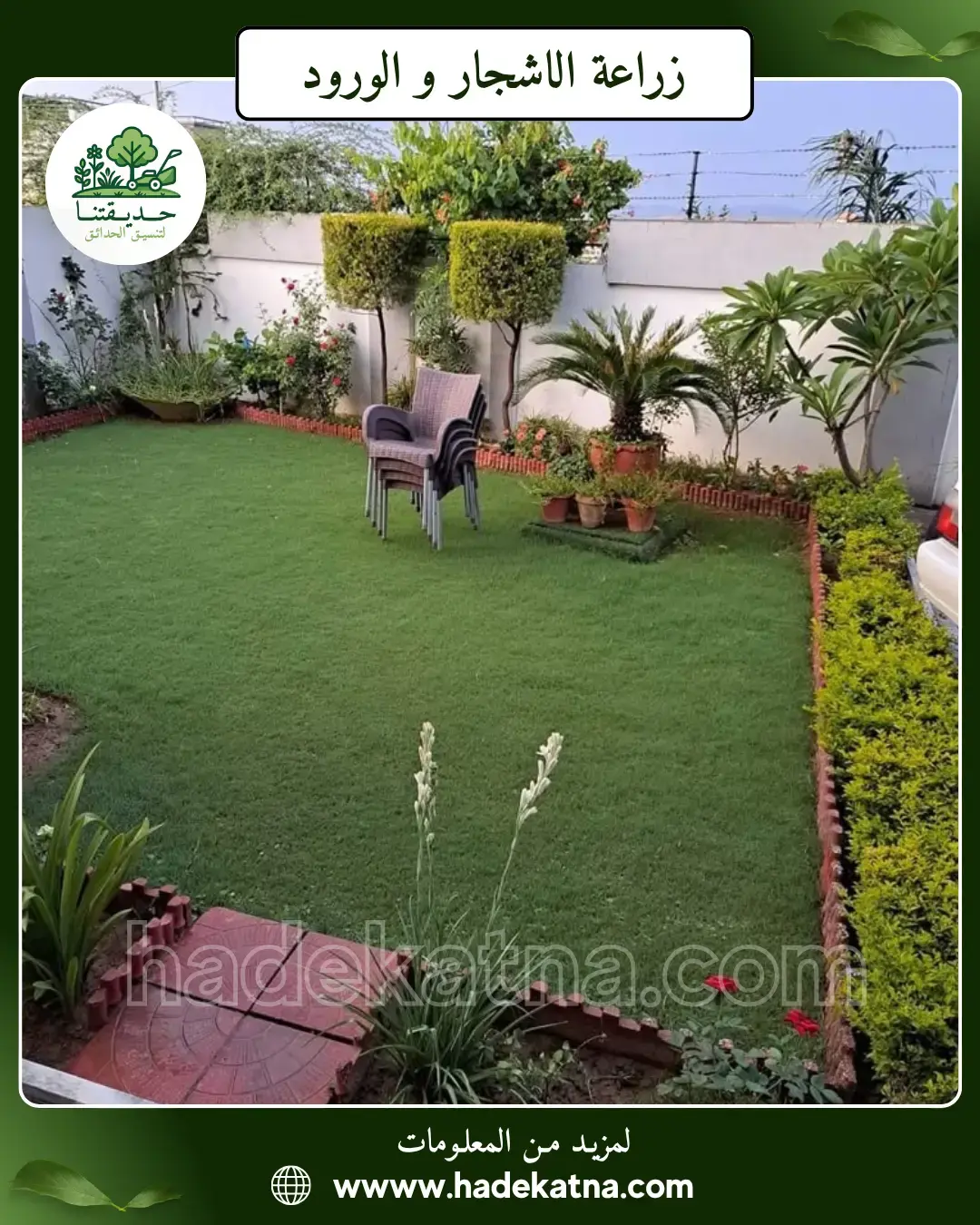
Determining a garden plant pruning schedule cannot be reduced to one date for every species because pruning depends on plant type, the reason for cutting, plant condition, and its stage of growth. Removing a dead or broken branch is completely different from shaping a hedge, reducing the size of a shrub, or managing a tree canopy. The right question is therefore not only “When should I prune?” but also “Why does this plant need pruning and what result am I trying to achieve?”
Green hedges, for example, require trimming that maintains their intended shape and size according to the growth rate of the species, while trees should not be treated with the same cutting method used for hedges. Heavy pruning without a clear need can remove a substantial amount of foliage the plant relies on and may expose previously shaded sections to stronger sunlight. The intensity of the intervention therefore matters just as much as its timing.
Before pruning, the plant should be inspected and the branches requiring attention identified rather than simply starting from the outside and cutting until everything looks uniform. If a tree is large or has elevated or damaged branches, it should be handled using an appropriate and safe professional approach rather than unsuitable access methods.
Another common mistake is trimming plants only because they have grown slightly beyond an expected geometric shape even when that growth is healthy and causes no problem. Garden maintenance is not a competition to turn every shrub into a perfect square. Pruning has a purpose, and once that purpose is clear, the appropriate timing and intensity become easier to determine.
-
Identify the reason for pruning before deciding its timing because removing damaged growth is different from shaping a hedge or reducing the size of a plant that has exceeded its allocated space
-
Treat trees shrubs and hedges according to the natural growth characteristics of each group instead of using exactly the same cutting technique throughout the garden simply to create a uniform appearance
-
Avoid removing a large proportion of foliage without a clear reason because heavy intervention changes the plant’s balance and may expose internal sections to conditions they did not previously experience
-
Review the position of branches in relation to pathways buildings and other garden elements so pruning priority is given to growth creating an actual problem before focusing on cosmetic shaping
-
When large elevated or unstable branches are present assess the need for professional assistance instead of using unsuitable tools or access methods that could place both the person and the plant at risk
Adjusting the Garden Irrigation Program by Season
Adjusting the garden irrigation program by season does not simply mean increasing operating time in summer and reducing it in winter by a fixed percentage. Appropriate water quantities depend on plant type, soil, sun and wind exposure, and the way the irrigation system distributes water. Correct adjustment begins by inspecting the soil and plants and confirming irrigation efficiency before changing duration or operating frequency according to actual need.
One of the most important mistakes is seeing one dry lawn area and increasing the operating time for the entire irrigation system. If the cause is a blocked sprinkler or one that has changed direction, the additional water will go to areas that are already receiving enough while the affected section still fails to receive proper coverage. The same situation occurs in planting beds when one weak emitter is compensated for by increasing irrigation throughout the entire line.
As the season changes, irrigation timing should also be reviewed rather than focusing only on duration. In general, the objective is to reduce unnecessary water loss through evaporation and avoid operating at times that do not use water efficiently while still considering the irrigation system, plant types, and site conditions. There is no single duration suitable for every garden in Kuwait because sandy soil behaves differently from improved soil with greater moisture retention, and a container behaves differently from a tree growing directly in the ground.
If the goal is to reduce water costs, the solution is not to deprive plants of the water they genuinely require. It is better to repair leaks, improve coverage, and eliminate unnecessary irrigation in areas that do not need it. Efficiency begins with knowing where the water is actually going.
-
Adjust irrigation after checking soil moisture and confirming that water reaches the root zone instead of changing the controller based on air temperature alone without understanding actual garden conditions
-
Correct blocked or poorly adjusted sprinklers and emitters before increasing operating duration because a localized distribution problem cannot be solved by sending additional water through the entire system
-
Separate areas with different requirements whenever the irrigation design allows so containers shrubs and grass do not receive identical treatment despite their different characteristics
-
Review operating times as conditions change to improve plant use of water and reduce unnecessary losses instead of relying on one fixed schedule throughout the entire year without reassessment
-
When reducing water consumption begin by checking leaks coverage and unnecessary irrigation before reducing the plants’ genuine requirements because efficiency is different from simply shortening system operating time
Regular Inspection of Garden Trees
Regular inspection of garden trees helps identify changes while they are still visible and can be properly assessed instead of waiting for a branch to fall or significant canopy decline to appear. Inspection should begin at ground level and around the trunk before moving visually upward toward branches and the canopy. Look for new changes such as visible trunk wounds, dead or broken branches, unusual changes in foliage density, or a lean that has appeared recently compared with the tree’s previous condition.
Recently planted trees require additional attention to supports and ties. A tie that was appropriate when the tree was planted may become tight as the trunk increases in diameter, so it should not remain in place indefinitely without inspection. At the same time, removing support before the tree is appropriately established should not be based only on the amount of time that has passed. The condition and stability of the tree need to be assessed.
The surrounding area should also be considered. Has the canopy moved closer to the building or outdoor lighting? Have lower branches begun restricting a pathway? Has the root-zone area changed because of new construction work or alterations to surrounding paving? These observations provide more useful information than simply asking whether the tree’s leaves are green.
For large trees, inspection should not turn into an attempt to climb or cut elevated branches using household equipment. If a problem appears in a difficult location or a large branch seems unstable, appropriate professional assessment is safer than experimenting with a quick solution whose consequences are uncertain.
-
Begin inspection at the base and trunk before visually moving toward branches and the canopy so new changes are observed systematically rather than focusing only on leaf appearance
-
Review ties and supports on recently planted trees regularly because increasing trunk diameter can turn an old support tie from a useful stabilizing element into a point of pressure on the plant
-
Compare the tree’s current appearance with its previous condition because a newly developed lean or a clear change in one section of the canopy provides more useful information than judging the tree from a single observation
-
Inspect the relationship between branches pathways buildings lighting and surrounding elements so conflicts can be addressed before normal growth develops into an access or maintenance problem
-
If a large broken elevated or unstable branch is identified seek appropriate assessment instead of attempting to reach it using unsafe methods because inspection is intended to identify problems rather than create additional risk
Annual Home Garden Care Plan
An annual home garden care plan brings all the previous tasks together within one clear system instead of treating irrigation, pruning, trees, and natural grass as unrelated jobs. Begin by listing the components of the garden and then identify what requires continuous monitoring, what needs seasonal review, and what should be addressed only when a condition appears that genuinely requires intervention. This makes maintenance based on priorities rather than on the number of visits or the number of tasks performed.
The year can, for example, be divided into major review points around important weather changes with lighter inspections between them. Before intense heat, irrigation coverage and plant stability should be reviewed. During summer, attention should focus on stable soil moisture and signs of plant stress. As conditions become milder, the effects of the hot period can be assessed and plant requirements for the next stage identified. During cooler months, inspections continue while irrigation and other care practices are adjusted according to the actual growth of the species present.
If you are comparing on-demand maintenance with an annual program, the main difference is not simply the number of visits. An organized program creates opportunities to observe changes and compare garden conditions over time, while maintenance requested only after a problem appears generally focuses on the symptom present at that particular moment. At the same time, there is no reason to pay for fixed tasks that the garden does not genuinely require, so the scope of service should be clear.
The better plan is the one that explains what should be inspected, when it should be checked, and why. It is not the plan that simply places the largest possible number of tasks on paper and performs them whether the plants need them or not.
-
Prepare a list of garden components and the condition of each group so the annual plan reflects the actual grass trees shrubs containers and irrigation system instead of relying on a generic maintenance template
-
Establish major review points before important weather changes so irrigation and plant condition can be adjusted proactively rather than waiting for stress symptoms to appear after conditions have already changed
-
Compare observations from different periods to determine whether a problem is seasonal and recurring or linked to a specific fault because the same symptom returning in the same location provides useful information about its cause
-
When choosing an annual maintenance service review the work included and how the need for each task is determined instead of using the number of visits alone as the measure of program quality
-
Update the plan whenever the garden design changes or new plants and planting areas are introduced because a program that previously suited the garden may no longer remain appropriate after its components change
Conclusion
Successful seasonal garden maintenance in Kuwait depends on following the garden’s changing requirements throughout the year rather than repeating the same irrigation, trimming, and fertilization schedule every month. Before intense heat, inspecting irrigation and plant stability becomes a priority. During summer, monitoring soil moisture and signs of stress becomes more important, while milder periods provide an opportunity to evaluate overall garden condition and prepare for the next stage. Pruning also has different timing and purposes according to plant type and condition, while trees require regular inspection of trunks, branches, supports, and surrounding areas. When these tasks are organized into a flexible annual plan, decisions become more accurate, unnecessary interventions are reduced, and it becomes easier to distinguish between work that genuinely requires maintenance and conditions that only need continued monitoring.
Frequently Asked Questions
Should a garden maintenance program stay the same throughout the year in Kuwait?
No. Temperatures, soil drying rates, and plant growth change throughout the year. The maintenance program should be reviewed as conditions change while continuing regular monitoring of irrigation and plant condition instead of operating the same settings and performing exactly the same tasks throughout the year.
How do I know when the irrigation program needs seasonal adjustment?
Check soil moisture and plant condition and first confirm that sprinklers and emitters are delivering water correctly. If the garden’s requirements have genuinely changed, adjust the irrigation program gradually instead of increasing or reducing operating time based only on air temperature.
Do all garden plants need pruning at the beginning of every season?
No. The timing and intensity of pruning depend on the species, the reason for pruning, and the condition of the plant. Removing a broken branch is different from shaping a hedge or reducing the size of a shrub, so one pruning date and one method should not be applied to every plant.
What is the most important thing to inspect on garden trees during the year?
Monitor the trunk, branches, canopy, and supports on recently planted trees, and look for new changes such as breakage, leaning, dead branches, or conflicts with buildings and pathways. Large trees or unstable branches should receive appropriate assessment rather than being handled using unsafe methods.
Is annual garden maintenance cheaper than requesting service only when a problem appears?
Cost alone cannot determine that because the total depends on garden size, its components, their condition, and the scope of work. An annual plan can organize inspections and help identify some problems earlier, while the important point when comparing options is to understand exactly what work is included and whether each task is actually required rather than judging the service only by the number of visits.


