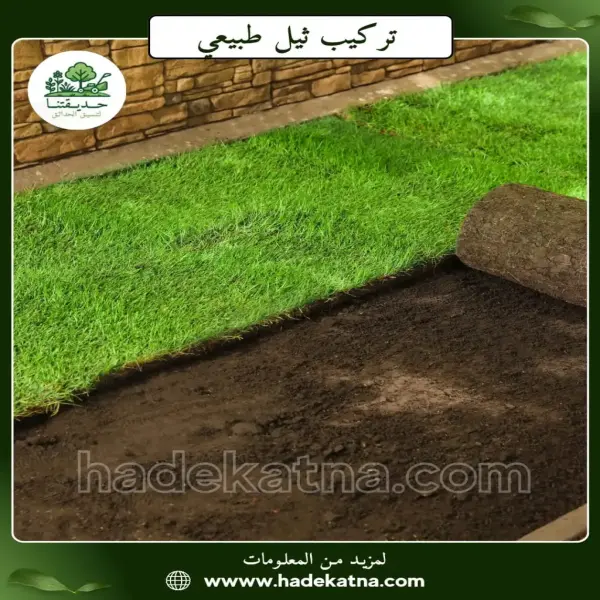
Planting Natural Grass in Kuwait During Autumn: Timing and Types
Autumn in Kuwait is an important transitional period for gardens because temperatures begin to decrease gradually, but the soil and weather do not change overnight. For this reason, planting natural grass in Kuwait during autumn requires a decision based on actual temperatures, grass type, and installation method rather than simply relying on the name of the month. Some warm-season grasses benefit from having a suitable establishment period before temperatures fall further, while other types have different growth and tolerance characteristics. A successful lawn begins before the grass rolls even arrive, starting with soil assessment, leveling, and irrigation preparation, then continuing with appropriate watering and follow-up after installation. This guide explains timing, grass types, soil preparation, establishment, and the mistakes that can cause high-quality grass to have a weak start.
Planting Natural Grass in Kuwait During Autumn

Planting natural grass in Kuwait during autumn does not have one fixed date that works for every garden because autumn itself gradually changes from relatively hot conditions to milder temperatures as winter approaches. For warm-season grasses commonly used in hot climates, an important factor is having sufficient soil warmth and enough active growing time for roots to begin connecting with the new soil before colder conditions slow the plant’s activity. This means planting earlier in the transitional period can produce very different establishment conditions from delaying installation until growth has noticeably slowed.
Before selecting a date, the site itself needs to be assessed. A garden exposed to direct sunlight for most of the day differs from a yard surrounded by tall buildings that create shade for extended periods. Having a properly adjusted irrigation system and prepared soil also affects whether the site is genuinely ready. It makes little sense to rush into installing grass simply because the weather has become milder while the ground still requires leveling, drainage corrections, or irrigation adjustments.
Another mistake is assuming that autumn success is mainly about lower water use. Milder weather may reduce moisture loss compared with peak summer conditions, but the amount and frequency of irrigation after installation still depend on the condition of the grass, soil characteristics, and actual weather.
Autumn can therefore provide a suitable opportunity under certain conditions, but the calendar alone does not create success. Timing, grass type, soil, and irrigation all need to work together rather than each part of the project following a different plan.
-
Evaluate air temperature soil temperature and the stage of the season before installation instead of relying on a fixed date because root activity in warm-season grasses changes as temperatures decrease
-
Avoid delaying warm-season grass installation until growth becomes very limited when the objective is to give roots a better opportunity to connect with the soil before colder winter conditions arrive
-
Review the actual hours of sunlight at the site because an open garden has different conditions from an area surrounded by buildings and exposed to longer periods of shade
-
Complete soil preparation leveling and irrigation system testing before the grass arrives so the rolls are not left waiting while the site is still being prepared
-
Adjust irrigation after planting according to soil condition weather and the grass itself rather than assuming that autumn requires one fixed watering schedule simply because temperatures are lower than in summer
Best Time to Plant Natural Grass in Kuwait
Determining the best time to plant natural grass in Kuwait depends first on the type of grass because warm-season and cool-season lawns do not respond to seasonal changes in the same way. Warm-season varieties are active in higher temperatures and their growth slows as temperatures decline. Therefore, when installation takes place during autumn, having sufficient time before colder conditions arrive becomes an important consideration. Assuming that the coldest weather is automatically best because the grass will not experience intense heat is not an accurate rule for warm-season lawns.
The decision also depends on the establishment method. Installing ready-grown sod differs from creating a lawn from seed because sod arrives with existing vegetation and roots that need to connect with the new soil, while seed has different germination and establishment requirements. A timing recommendation intended for one method should not automatically be applied to another as if both processes were identical.
In Kuwait, it is also important to remember that the word autumn covers a period during which conditions can change significantly. Instead of choosing a date based only on the season’s name, consider temperatures, their expected direction over the following period, and the condition of the site. Even a climatically suitable date will not compensate for rushed installation if the soil is not ready when the grass arrives.
The best timing is ultimately where three factors meet: a grass type suitable for the site, conditions that support growth and rooting, and a site that is completely prepared before delivery and installation.
-
Determine the installation period after identifying the grass type and its growth characteristics because warm-season varieties respond to falling temperatures differently from grasses used for cooler seasons
-
Consider the difference between sod installation and growing grass from seed because each method has a different establishment stage and timing recommendations should not be transferred directly from one method to another
-
Monitor the direction of temperatures during the period following installation rather than considering only the weather on installation day because the grass needs time to begin connecting with the soil
-
Delay delivery if the site is not ready instead of bringing the grass first and then completing leveling or irrigation repairs while the rolls remain outside their final position
-
Choose the most suitable period when soil preparation and irrigation readiness align with the requirements of the grass type and expected weather rather than treating one particular month as suitable for every situation
Installing Natural Grass in Autumn
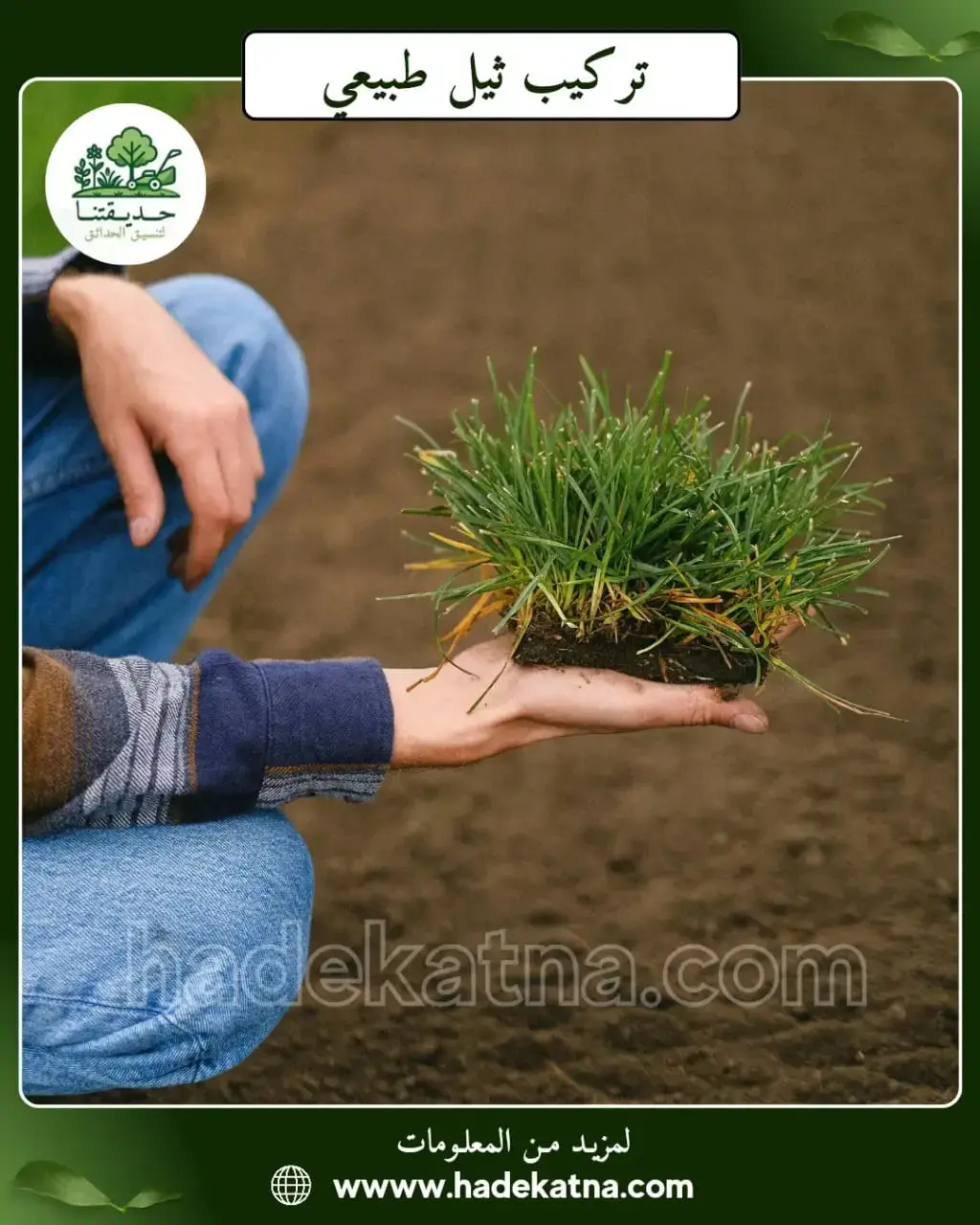
Installing natural grass in autumn requires speed and organization from the moment the rolls arrive because sod is living plant material rather than a construction material that can simply be stacked aside and dealt with whenever convenient. Before delivery, the soil should already be leveled, the irrigation system tested, and the required area accurately calculated so installation can begin on a fully prepared site. Any unnecessary delay after the grass arrives may affect its condition, particularly if the rolls remain stacked and exposed to unsuitable conditions.
During installation, the sod pieces should be positioned closely together to minimize gaps while avoiding overlapping edges. Good contact between the underside of the sod and the prepared soil is important because air pockets or uneven areas can prevent sections of the root system from making consistent contact with the soil surface. Edges also require particular attention because they may lose moisture faster if they remain exposed or are installed unevenly.
After installation, success should not be judged simply by the green appearance of the lawn on the same day. The rolls arrived green in the first place. What matters is what happens afterward. Monitoring should focus on moisture, stability of the sod pieces, the beginning of root connection with the soil, and any areas that start behaving differently from the rest of the lawn.
For larger projects, coordinating deliveries according to the team’s installation capacity is more practical than having a large quantity arrive at once simply because transport or purchasing arrangements are easier. Natural grass benefits from an organized installation plan rather than spending unnecessary time stacked and waiting for its turn.
-
Complete leveling irrigation testing and area calculations before the sod is delivered so installation can begin immediately rather than storing the rolls while site preparation is still underway
-
Position sod pieces closely together without leaving obvious gaps and without overlapping the edges so a consistent surface forms and each piece maintains suitable contact with the soil
-
Check soil levels during installation because depressions and raised areas beneath the sod may later affect the appearance of the lawn and the way water is distributed across it
-
Give edges and smaller sections additional attention after installation because they may lose moisture faster than internal areas when exposed or poorly connected
-
For larger areas coordinate delivery quantities with the installation team’s actual working capacity so more sod does not arrive than can be installed within an appropriate period
Natural Grass Types Suitable for Kuwait’s Climate
Choosing natural grass types suitable for Kuwait’s climate should not depend only on color or leaf softness because one of the most important considerations is how the variety responds to heat, sunlight, and the intended use of the lawn. Warm-season grasses are generally more closely suited to hot conditions than cool-season varieties, but even within this group there are meaningful differences in sunlight requirements, growth habits, and the ability of the lawn to recover its density after regular use.
Grass types commonly associated with warm climates include Bermuda grass, locally available warm-season turf types, Zoysia, and Paspalum for certain applications. However, simply knowing the name of the grass is not enough to make an informed decision. Bermuda grass, for example, is known for performing well with substantial sunlight, so a heavily shaded site requires a different assessment rather than selecting it merely because it is widely used. Paspalum has different characteristics as well and should not automatically be treated as the solution for every location simply because it is associated with hot climates.
It is also useful to ask the supplier for the actual grass species and cultivar rather than relying on a broad commercial name because cultivars within the same species may differ. Their requirements should then be compared with site conditions and the maintenance that can realistically be provided.
If children frequently use the lawn or the area experiences regular foot traffic, priorities differ from those of a garden where grass is mainly decorative. The right question is therefore not simply “What is the best grass in Kuwait?” but rather “Which grass is most suitable for this particular site and use?”
-
Choose the grass type according to the actual number of sunlight hours at the site because some warm-season varieties require strong sun exposure and may not maintain the same density in heavily shaded areas
-
Consider how the lawn will be used because an area exposed to regular foot traffic requires different characteristics from a green space intended mainly for visual appearance
-
Ask for the actual species and cultivar supplied rather than relying only on a short commercial name so comparisons between grass requirements and site conditions are based on clearer information
-
Review mowing irrigation and maintenance requirements before selecting the grass because the suitable variety is not simply the one that looks good when installed but the one that can be maintained appropriately afterward
-
Do not select a grass type simply because it is widely used in other projects because differences in sunlight soil irrigation and usage can cause the same grass to perform differently from one site to another
Preparing Soil for Natural Grass Planting
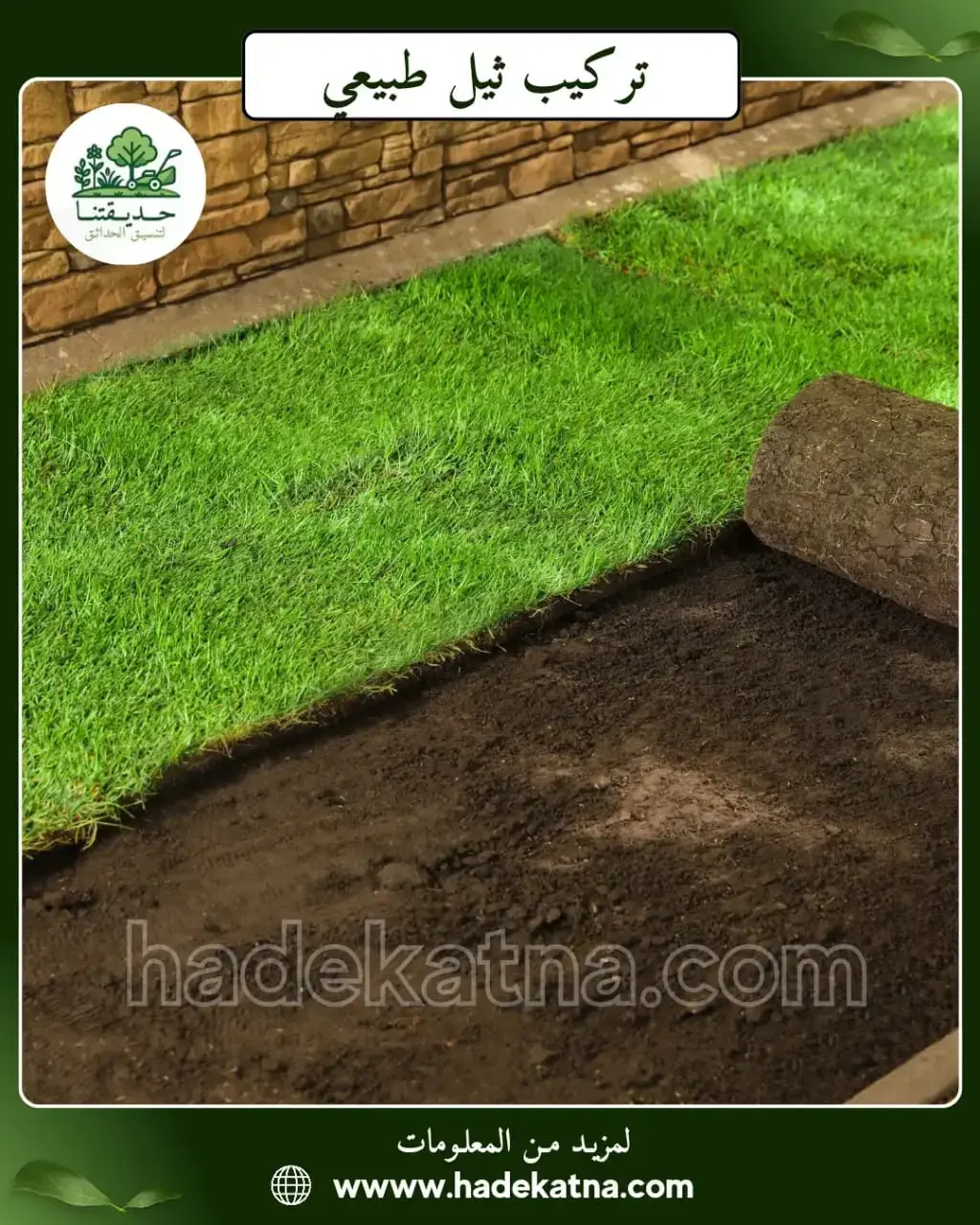
Preparing soil for natural grass planting is the stage that determines how the lawn will respond to irrigation and rooting after installation. Covering uneven ground with sod does not remove the underlying problem; it usually only delays when that problem becomes visible. Depressions can collect water, raised areas may dry more quickly, and some sections may remain weak because contact between the roots and soil is inconsistent. Leveling is therefore not merely a cosmetic step but a fundamental part of establishing the lawn.
Preparation begins by clearing the area of construction debris, stones, and other materials that interfere with the surface, followed by evaluating the existing soil rather than adding amendments randomly. The characteristics of the soil determine whether improvement is required and how it should be carried out because the issue is not always simply that the soil is “poor.” Drainage, soil structure, and moisture retention all influence the decision, which means there is no single soil mixture that suits every garden.
The surface is then leveled while considering how water will drain away from areas where accumulation is undesirable. The irrigation system should also be inspected before sod is installed because repairing a sprinkler or correcting uneven water coverage after the lawn has been laid means reopening an area that has just been completed.
A practical irrigation test before installation can reveal sections receiving insufficient water as well as areas receiving too much. A few minutes spent checking the system beforehand can prevent entire patches of grass from developing differently from the surrounding lawn later.
-
Clear stones construction debris and other obstacles from the planting area before leveling so the soil surface can be prepared consistently beneath every section of the sod
-
Evaluate the existing soil before adding amendments because soil requirements depend on structure drainage and moisture retention rather than a general assumption that every site needs the same treatment
-
Correct depressions and raised areas before installation so they do not later become sections with different moisture conditions or an uneven lawn surface after the sod settles
-
Check the direction of water drainage and make sure water does not collect in unsuitable areas because a level-looking surface alone is not enough when the underlying drainage pattern is poor
-
Test the irrigation system and sprinkler coverage before laying sod so weak or excessive watering zones can be corrected without reopening the lawn after installation
Planting Natural Grass Before Winter
Planting natural grass before winter requires understanding what happens to warm-season grass as temperatures begin to fall. These grasses depend on warmer conditions for active growth, and as colder weather approaches their growth rate decreases. Some varieties may also change color or enter a period of dormancy depending on conditions. The objective of installing grass before winter is therefore not simply to complete the project before December but to provide an appropriate period in which the lawn can begin establishing roots before its growth response slows further.
The later installation takes place in the season, the more carefully the decision should be assessed. Rolled sod can immediately cover the ground and provide a green appearance, but having green coverage does not mean the roots are fully established. If cooler temperatures arrive quickly after installation, the establishment process may be slower than it would have been with an earlier installation.
It is also important to distinguish between establishing a permanent warm-season lawn and wanting a green appearance specifically during winter. These are different objectives and may involve different grass types or management approaches. Mixing the two goals can lead homeowners to choose according to winter color while overlooking how the lawn will perform throughout the rest of the year.
If the site is not prepared and the season is already advanced, rushing is not always the best solution. Evaluating timing and conditions before installation can be more sensible than completing the work quickly simply to say it was finished before winter.
-
Consider that warm-season grass growth slows as temperatures decrease so the later installation takes place the more important it becomes to evaluate the remaining period available for rooting
-
Do not treat the green appearance immediately after laying sod as evidence of complete establishment because the lawn still requires time for its roots to connect with the new soil
-
Distinguish between establishing a permanent lawn suited to the climate and maintaining a green seasonal appearance during winter because these objectives may not involve the same choices
-
When the season is advanced assess site conditions and expected weather before proceeding rather than rushing installation without knowing whether sufficient growing conditions remain for the selected grass
-
Complete site preparation before delivery becomes even more important as winter approaches because time spent repairing soil or irrigation after the sod arrives reduces the remaining establishment period
Watering Natural Grass After Autumn Planting
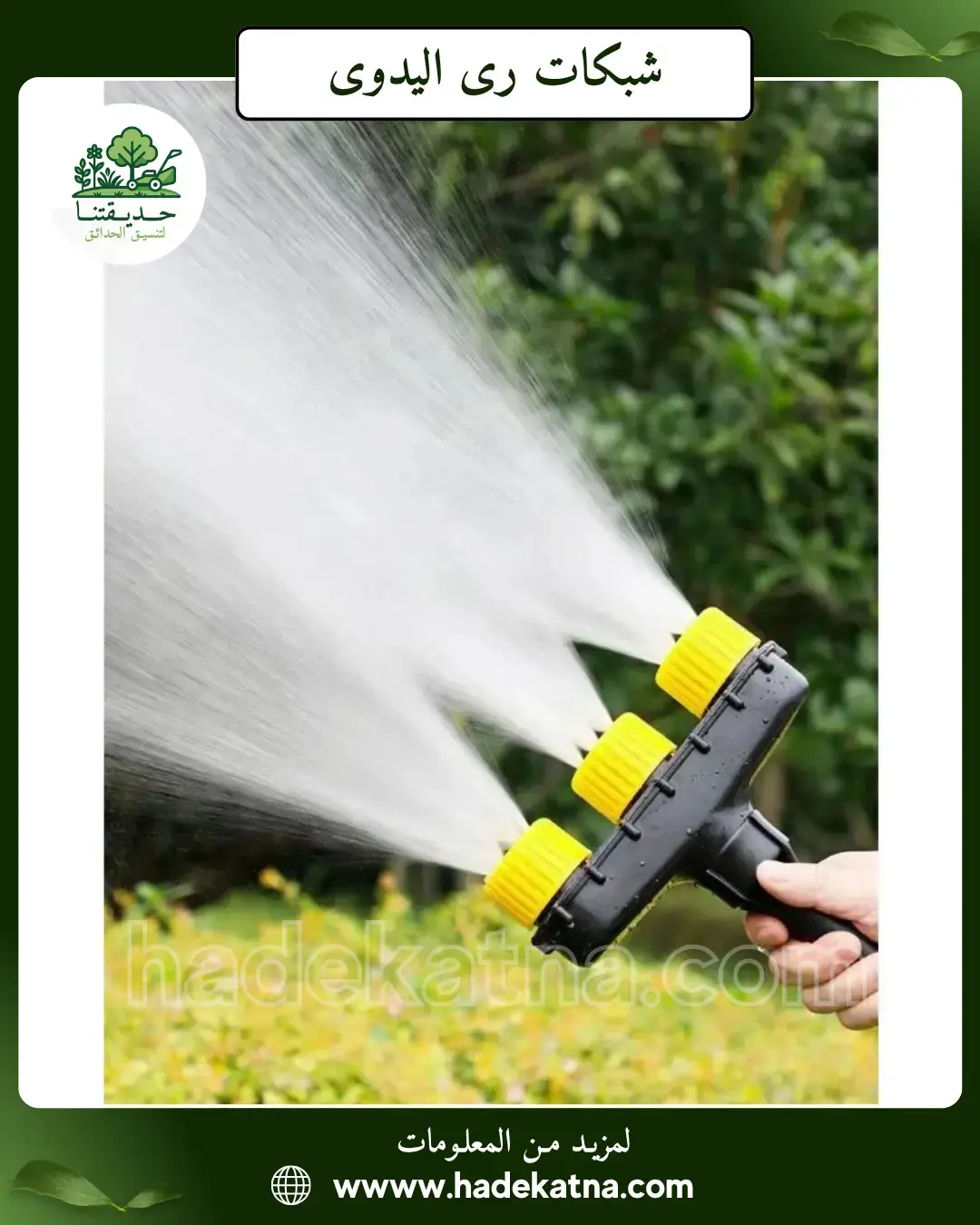
Watering natural grass after autumn planting requires monitoring moisture rather than applying one memorized schedule to every garden. Immediately after sod installation, roots remain close to the surface and have not yet fully connected with the new soil. The initial priority is therefore to prevent the contact zone between the sod and soil from drying out. At the same time, applying so much water that the soil remains continuously saturated is not a better solution because the objective is to maintain suitable moisture for establishment without creating waterlogged conditions.
Temperatures gradually decrease during autumn, and the rate of water loss can change from one period to another. A watering schedule that was appropriate at the beginning of the season may therefore need adjustment as temperatures fall. Soil type also makes a difference. Soil that retains moisture for longer should not necessarily receive irrigation at the same frequency as soil that dries more quickly. Shaded sections may also remain moist for longer than areas exposed to direct sunlight within the same garden.
Practical monitoring includes checking soil moisture beneath the sod and observing the entire lawn rather than judging conditions only from surface color. Irrigation coverage should also be checked along edges and corners because these areas can dry faster if sprinkler coverage is weak.
As roots begin to establish, watering practices should gradually change according to lawn condition and weather. Continuing indefinitely with the intensive watering pattern used immediately after installation without reviewing it is not additional care; it is simply a schedule that has failed to adapt as the grass develops.
-
Maintain suitable moisture at the contact zone between the sod and soil during the initial establishment stage without keeping the ground continuously saturated or allowing water to pool on the surface
-
Review irrigation frequency as temperatures change throughout autumn because moisture loss early in the season may not remain at the same level as winter approaches
-
Consider soil type when determining irrigation requirements because drying speed and water retention differ between soils even when the same grass variety is installed
-
Check edges corners and areas receiving stronger sunlight separately because the average irrigation level across the garden does not guarantee that every section receives appropriate moisture
-
Gradually adjust the irrigation schedule as rooting progresses instead of continuing the same pattern used during the initial installation stage because lawn requirements change as it becomes established
When Does Natural Grass Establish After Installation?
The question when does natural grass establish after installation does not have one number that applies to every project because rooting speed is influenced by grass type, soil temperature, season, moisture, and the quality of ground preparation. During autumn in particular, establishment may differ between sod installed while conditions are still relatively warm and sod installed later when colder weather arrives soon afterward. It is therefore more useful to monitor actual rooting signs than to rely exclusively on a fixed number of days.
One simple way to check progress is to gently attempt to lift a small edge of the sod in more than one location after an appropriate period. If roots have started connecting with the soil, there should be noticeable resistance compared with the first days after installation. This check should be gentle and should not involve repeated or forceful pulling because the objective is to assess establishment rather than test how much force the lawn can withstand.
The stability of individual pieces, the condition of the edges, and improving connection across different parts of the lawn can also provide a clearer picture of establishment progress. If one section still moves easily while surrounding areas have begun to hold, moisture, soil contact, and irrigation coverage in that location should be reviewed instead of assuming that the entire lawn is developing at the same rate.
Unnecessary traffic should also be reduced during establishment, particularly when the soil is wet. The green appearance can make the garden look ready from the first day, but the roots underneath still have important work to complete before the lawn can be treated as fully established.
-
Evaluate grass establishment through actual rooting signs instead of using one fixed deadline because temperature grass type soil and moisture all influence how quickly roots connect with the ground
-
Gently check a limited section to determine whether roots have started holding onto the soil while avoiding repeated lifting or forceful pulling that could disturb the establishment process itself
-
Compare several locations across the lawn because sunny sections edges and areas with different irrigation coverage may establish at different rates
-
If a particular piece remains unstable review soil moisture surface level root contact and irrigation coverage before assuming there is a general problem with the grass type
-
Reduce heavy and unnecessary traffic over the lawn during early establishment so the grass has an opportunity to connect with the soil without repeated pressure on the sod pieces and developing roots
Successful Natural Grass Planting in Autumn
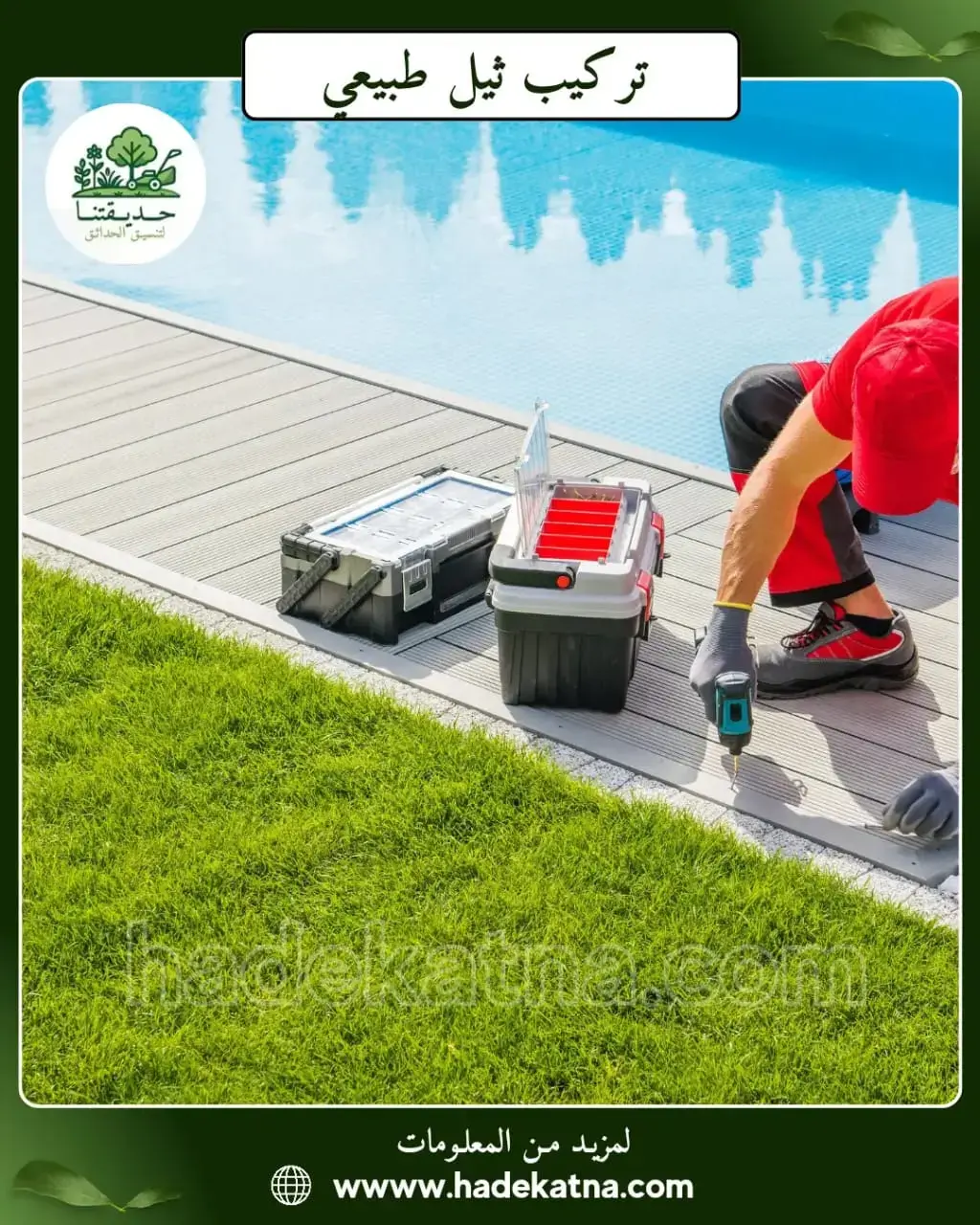
Successful natural grass planting in autumn results from several parts of the project working together rather than from one special step. You can select an appropriate grass variety but install it over poorly leveled soil and still experience water-related problems. You can prepare the soil properly but install warm-season grass too late and experience slower rooting. You can also complete both of those stages correctly and then weaken the result by following an irrigation schedule that never changes from installation through establishment.
One important indicator is an even lawn without obvious areas suffering from excessive dryness or moisture. The stability of the sod pieces, rooting progress, and the lawn’s response as weather changes should then be monitored. Color alone is not enough to judge success because some warm-season grasses may change appearance as temperatures fall, and seasonal color change does not automatically mean the planting has failed.
Another mistake is mowing too early before the grass is sufficiently stable or assuming that follow-up is no longer required because installation is finished. The timing of the first mowing depends on growth condition, rooting, and grass height, and suitable equipment should be used without unnecessarily pulling or pressing unstable sod.
Real success becomes clearer when the garden moves into the next stage with an even lawn, roots connected to the soil, and a maintenance program adapted to the season. The objective is not simply to photograph a green lawn on installation day but to create a sound foundation that allows the grass to continue its growth cycle properly.
-
Evaluate project success through consistent moisture establishment root condition and lawn response to changing conditions rather than relying only on the green appearance immediately after installation
-
Address differences between lawn sections early after identifying the cause because an area receiving insufficient irrigation requires a different solution from one experiencing water accumulation or poor soil contact
-
Do not automatically interpret seasonal color changes in some warm-season grasses as lawn death because seasonal behavior varies according to grass type and environmental conditions
-
Determine the timing of the first mowing according to lawn stability and growth condition rather than mowing simply because a certain number of days has passed while avoiding actions that may pull sod before it has rooted
-
Continue monitoring after installation and adjust irrigation and maintenance as the season changes because autumn success is measured by the lawn’s transition from installed sod into an established rooted surface
Natural Grass Planting Company in Kuwait
Choosing a natural grass planting company in Kuwait should not begin with asking for the price per square meter and end with selecting the lowest number. Project cost can be affected by the size and condition of the site, removal work, soil preparation, leveling, grass type, irrigation requirements, site access, and other work genuinely required for the project. A quotation that includes ground preparation, irrigation, and installation therefore cannot be directly compared with another quotation covering only the supply and laying of sod even when both provide a price per square meter.
Before agreeing to the work, ask about the grass species, cultivar, available supply source for the project, and why that option has been recommended for the site. The company should also consider sunlight levels, soil condition, and irrigation before confirming the grass type instead of proposing the same option for every property. When installation is planned for autumn, seasonal conditions should be included in the decision because installing a warm-season grass late in the season requires a different assessment from installing it during a warmer period.
The scope of service after installation should also be reviewed. This does not mean assuming that a guarantee or free follow-up visits are included. Instead, clarify exactly what the quotation covers and what becomes the homeowner’s responsibility after handover, particularly regarding irrigation, the first mowing, and ongoing monitoring.
The strongest service in this type of project is not simply the ability to spread green sod quickly. The real value comes from connecting grass selection with soil preparation, seasonal timing, irrigation, and installation technique because weakness in any one of these areas can later appear as a very visible problem across the lawn.
-
Request a quotation that separates grass supply soil preparation leveling irrigation work and installation according to the project scope so price comparisons are made between genuinely similar services
-
Ask about the proposed species and cultivar and why it suits the available sunlight intended use and season instead of accepting one grass option automatically recommended for every site
-
Make sure the irrigation system is inspected before sod installation because high-quality grass cannot compensate for an area receiving insufficient water or another section receiving excessive irrigation
-
Review all work required before delivery and establish who is responsible for it so the grass does not arrive while removal leveling or soil preparation remains unfinished
-
Understand post-handover care instructions and the agreed service scope clearly so the establishment stage continues according to a defined plan rather than relying on guesswork for irrigation and follow-up
Conclusion
Successful planting of natural grass in Kuwait during autumn begins with understanding that autumn is not one fixed set of conditions and that the weather changes progressively as winter approaches. Grass selection should reflect sunlight, intended use, and season, while installation timing should provide suitable conditions for rooting before growth activity declines in warm-season varieties. Before installation, the soil should be properly leveled, the irrigation system tested, and the site fully prepared. Sod should then be delivered and installed without unnecessary delay. Afterward, a stage begins that is just as important as installation itself: maintaining appropriate moisture, monitoring edges, checking rooting progress, and adjusting irrigation as the weather changes. A successful lawn is not simply one that looks green on handover day but one that enters the following season with a sound foundation of prepared soil, established roots, and appropriate maintenance.
Frequently Asked Questions
Is autumn suitable for planting natural grass in Kuwait?
Autumn can be suitable depending on the grass type, the stage of the season, temperatures, and site conditions. For warm-season grasses, the amount of growing and rooting time available before temperatures fall is an important consideration, so not every part of autumn should be treated as having identical conditions.
What is the best natural grass type for Kuwait’s climate?
There is no single grass type that is best for every garden. Selection depends on sunlight hours, intended use, soil, irrigation, and maintenance requirements. Warm-season options such as Bermuda, Zoysia, and Paspalum have different characteristics and may be more or less suitable depending on the individual site.
When does natural grass establish after installation?
Establishment time varies according to grass type, soil temperature, season, moisture, and site preparation. A more useful sign is when the sod begins resisting gentle lifting because roots are connecting with the soil rather than relying on one fixed number of days for every project.
How should natural grass be watered after autumn installation?
During early establishment, the contact zone between the sod and soil should remain appropriately moist without being continuously waterlogged. Irrigation frequency should then be adjusted according to weather, soil type, and rooting progress rather than following the same fixed schedule throughout autumn.
Does natural grass changing color in winter mean it has died?
Not necessarily. Some warm-season grasses slow their growth and may change color as temperatures fall, and some can enter seasonal dormancy. The condition of the lawn should therefore be evaluated according to the grass type, roots, and actual site conditions rather than judging its health from color alone.