

Best Shade Plants and Green Privacy Hedges for Kuwait Villas
Creating privacy in a garden is not simply a matter of planting a row of shrubs along the boundary wall and waiting for them to grow. Choosing privacy plants for gardens in Kuwait requires first identifying exactly what needs to be screened and whether the goal is to create a green barrier at seating level, cover a greater height, or provide shade together with privacy. Kuwait’s climate also places specific demands on plant selection because a plant that looks dense and healthy at the nursery may not maintain the same performance when planted in an area exposed to intense sunlight and heat or given limited root space. This guide explains the differences between green hedges and shade trees and shows how to select suitable density, height, planting positions, and distances from walls so you can create effective privacy without turning the plants into a long-term problem involving constant pruning, roots, and limited garden space.
Privacy Plants for Gardens in Kuwait

Choosing privacy plants for gardens in Kuwait begins by identifying the line of sight that needs to be blocked rather than selecting the tallest plant available at the nursery. If the problem is an outdoor seating area visible from a neighboring ground-floor window, the solution will be different from a garden overlooked by upper floors. A plant hedge can provide effective screening from the side and at certain heights, but it cannot solve every type of exposure, particularly when the source of overlooking is significantly higher than the garden wall.
Plants used in warm climates to create green screens can include Ficus, Conocarpus, Duranta, and other dense shrubs, but selection should never be based on the plant name alone. Mature size, growth rate, root behavior, pruning requirements, nearby service lines, distance from the boundary wall, and available planting space all need to be considered. A fast-growing plant may create coverage sooner, but it usually also means continuous growth that requires more regular control and pruning.
In a small yard, for example, planting a species that naturally develops into a large tree or substantial mass inside a very narrow planting strip may provide privacy initially. However, after several years, competition for space increases and regular pruning becomes the main factor keeping the plant within the available area.
For this reason, the right question is not simply “Which plant will cover the wall fastest?” but rather “Which plant can reach the required size and remain manageable within the available space?”
-
Identify the exposed direction and the height of the source of overlooking before selecting plants because screening required from a neighboring street differs from privacy needed against an elevated window overlooking the garden
-
Review the expected mature size of the plant instead of making the decision according to its size at the nursery so a large species is not placed within a planting space narrower than its actual requirements
-
Consider growth rate and pruning requirements because rapid growth may shorten the time needed to create coverage but can increase the amount of work required to maintain consistent height and width
-
Check the available distance between the wall pathways seating areas and service lines before planting so the hedge does not eventually occupy space needed for normal garden use
-
Select plants according to their ability to handle the site’s actual sunlight heat irrigation and root-space conditions rather than relying only on their appearance while growing under nursery conditions
Green Hedges for Villa Gardens
Green hedges for villa gardens work best when they are treated as rows of living plants that will continue growing and changing rather than as ready-made green walls that remain exactly as they looked on installation day. Two of the most important decisions at the beginning are the required hedge height and the width that can realistically be allocated to the plants. If the planting strip is extremely narrow and a vigorous species is selected, both sides may require frequent pruning simply to preserve the pathway or stop branches from extending into the seating area.
Spacing between plants also does not have one fixed measurement that suits every species. It should be determined according to the plant type, initial plant size, growth habit, and the desired mature result. Placing plants excessively close together may create an impression of density more quickly, but it can also increase competition for space, water, and light. On the other hand, excessive spacing may leave obvious gaps for a long period.
From a visual perspective, the hedge does not necessarily need to have the same height around the entire garden. If one side faces the street while another side already has a solid boundary wall, the privacy requirements are different. Greater height and density can be concentrated around an outdoor seating area, swimming pool, or the most exposed section instead of turning the entire villa perimeter into a high plant barrier.
The best hedge is not automatically the tallest or fastest-growing one. It is the hedge that provides the required screening while remaining proportionate to the yard and accessible for pruning, irrigation checks, and maintenance without creating a seasonal battle with overgrown branches.
-
Determine the required hedge height and width before purchasing plants so the selected species naturally suits the intended mature size instead of forcing a large plant to remain within a small area through constant pruning
-
Set planting distances according to the growth characteristics of the species the size of plants at installation and their expected mature dimensions rather than using one fixed spacing for every type of green hedge
-
Avoid excessive crowding between plants simply to create an immediate screen because the apparently empty spaces at the beginning will change as branches develop and plants increase in size
-
Increase hedge density around areas requiring the greatest privacy such as outdoor seating spaces instead of automatically using the same height and density around every side of the villa
-
Maintain sufficient access to plants for pruning irrigation inspection and maintenance so the mature hedge does not become a mass that is difficult to reach from the rear
Best Plants for Screening a Garden Wall
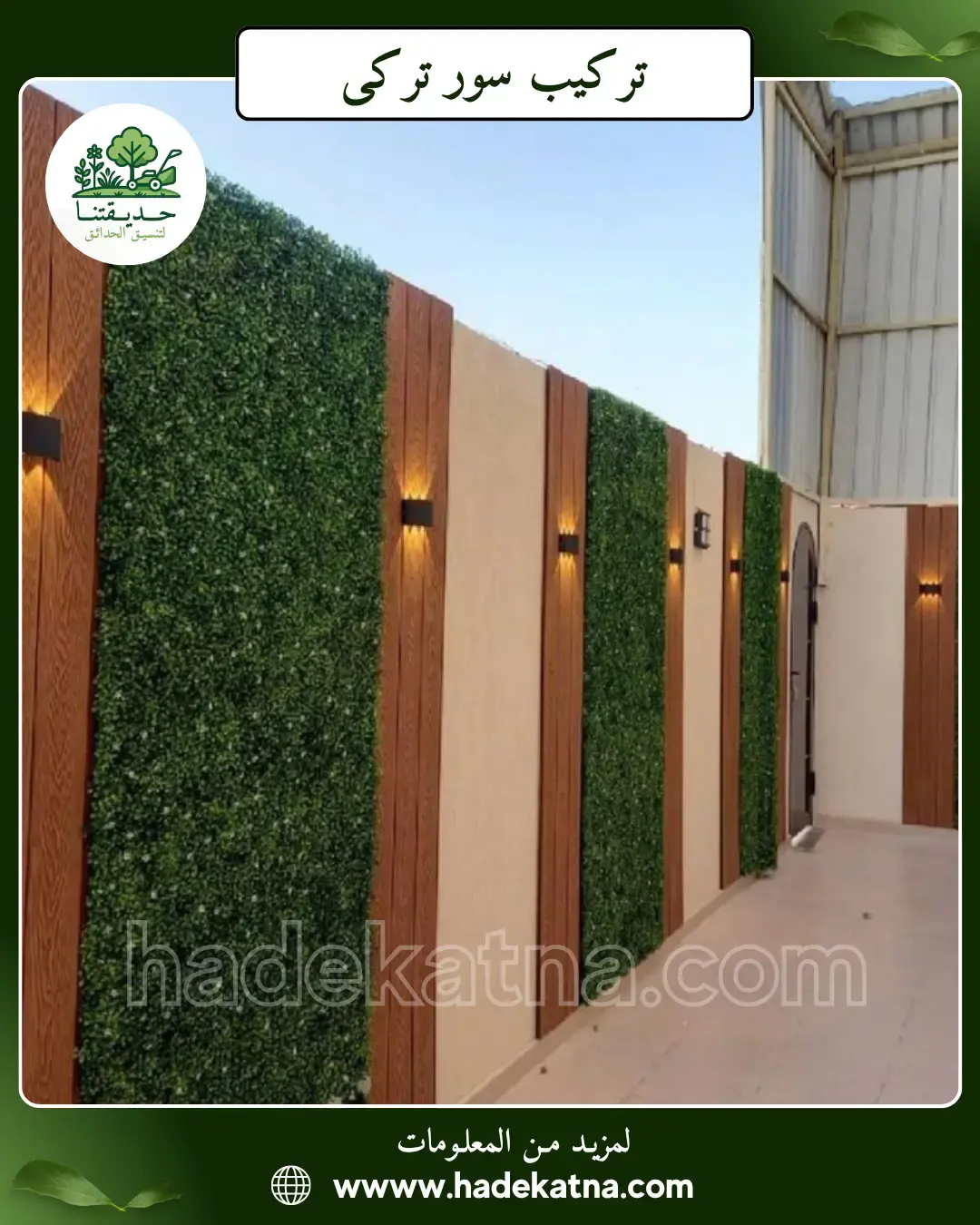
Searching for the best plants for screening a garden wall should begin by understanding the function of the wall itself. If the wall is already solid and provides sufficient privacy, the objective may simply be to soften its appearance and create a green background. In that situation, an extremely dense plant mass extending from ground level to the top may not be necessary. However, if the wall has openings or exposed sections, plant density and the ability to retain foliage at the required height become much more important.
Possible options depending on site space and design include shrubs that respond well to shaping, certain climbing plants, and trees or plants that can be managed as screens. Climbers, for example, make good use of vertical space, but some require suitable support, training, and pruning so they cover the intended section rather than spreading randomly. Shrubs create a clearer mass from lower levels but require sufficient width so they do not interfere with pathways.
Using a large tree simply to cover a low wall can sometimes create the opposite result. As the tree develops, its canopy may rise while the lower section remains exposed, even though the upper branches are dense. Plant growth form should therefore match the actual area that needs screening rather than being selected only according to final height.
Before planting, the locations of water lines, electrical services, and nearby structural elements should also be understood, with suitable space left according to the plant and site. Successful green screening should hide or soften the wall without making future wall maintenance impossible.
-
If the wall already provides privacy choose planting primarily to improve the view rather than creating an unnecessarily dense plant mass that occupies more garden space than the actual purpose requires
-
Select plant growth form according to the height of the section requiring coverage because a tree with a raised canopy does not solve the same screening problem as a shrub that remains dense closer to ground level
-
Use climbing plants where ground space is limited while providing suitable support that allows growth to be trained and pruned instead of leaving branches to spread without control
-
Leave enough space to inspect and access the wall in the future because planting so close that maintenance becomes impossible can turn a simple visual solution into a practical problem
-
Review service lines pathways and available root space before establishing the planting line so plant selection works with the entire site rather than only with the appearance of the wall
Shade Trees for Villa Gardens
Choosing shade trees for villa gardens does not mean planting the largest available tree in an empty space and waiting for its shade to reach the seating area. The tree’s position should be determined according to the area that needs shade, the direction of the sun, the available space for the canopy and roots, and the distance from the building, wall, and pathways. A tree may be suitable for Kuwait’s climate but planted in the wrong location, resulting in shade where nobody uses it and branches that require continuous pruning because they are too close to the building.
Options known in hot environments include trees such as Sidr, Ghaf, and certain Acacia species, depending on site conditions and available space. However, the decision should not be made from a list of names alone. Some trees develop significantly and require a garden that can accommodate their canopy, while a villa with a smaller yard needs a species and size that can be managed without competing with the building or outdoor seating area.
It is also important to distinguish between a shade tree and a plant hedge. A tree generally creates a higher canopy with shaded space beneath it, while the hedge is intended to create a lateral mass that blocks views. Trying to use tall trees instead of a hedge can leave the normal line of sight exposed even when there is abundant foliage above.
In practical design, the tree should be considered according to its future size rather than its size at purchase. The small tree that looks harmless today may require considerably more space after several years. Choosing the correct location from the beginning is therefore more effective than attempting to control a large tree later through repeated pruning.
-
Position the tree according to the area where shade is required during actual periods of use instead of selecting the planting location simply because there is empty ground available
-
Review expected canopy and root dimensions at maturity before planting so the distance from buildings walls and pathways remains suitable for the tree’s future development
-
Select tree species according to garden size and site conditions because a tree suitable for a large open yard may not necessarily be appropriate for a villa garden with limited space
-
Do not automatically use shade trees as substitutes for plant hedges because a raised canopy may provide useful shade while leaving the line of sight between the garden and neighboring property exposed
-
Plan the seating area and shade tree as connected elements from the beginning so the resulting shade has a clear purpose rather than planting the tree first and trying to position seating beneath it later
Hedge Plants That Tolerate Kuwait’s Heat
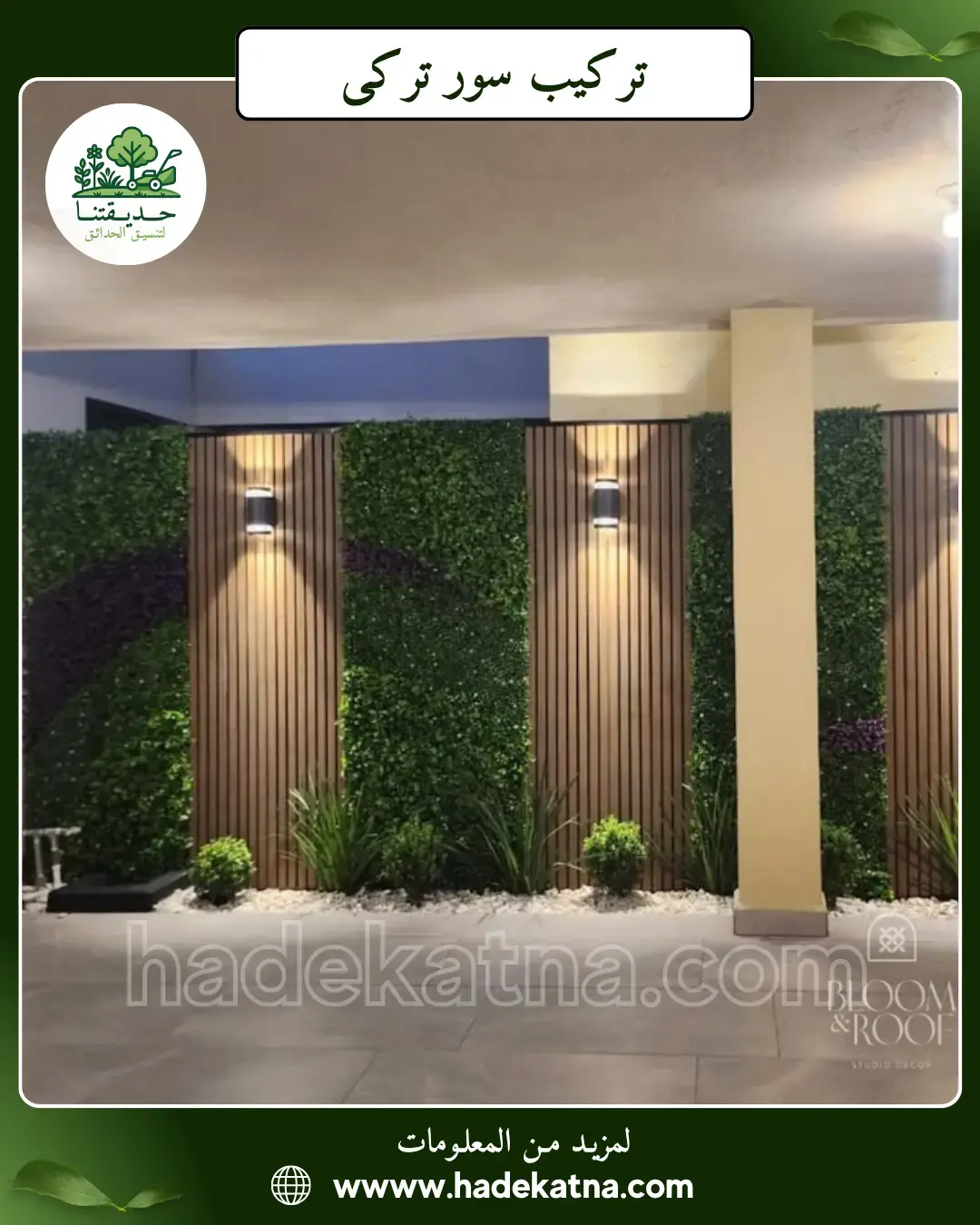
Choosing hedge plants that tolerate Kuwait’s heat requires more than simply knowing that a particular plant can survive high temperatures. A plant hedge can sometimes face more demanding conditions than an individual plant because an entire row depends on consistent irrigation, soil conditions, and pruning. If one part of the irrigation system becomes weak, a visible gap can develop in the hedge even when the species itself is generally suitable for hot conditions.
Ficus, Duranta, and Conocarpus are among the names used in different landscaping applications in warm climates, but every species has its own growth characteristics, mature size, and requirements that should be reviewed before selection. Conocarpus in particular is known for vigorous growth and its potential size, so it should not automatically be treated as a permanently small hedge plant in every narrow space without considering its mature dimensions and the location of services and structures. Heat tolerance alone does not mean that every plant is suitable for every location.
Sun exposure around a villa is also not uniform. One section of the wall may receive direct sunlight for many hours while another is shaded by the building for most of the day. If the plant is chosen only according to the harshest section without considering the entire planting line, hedge appearance and density may vary from one side to another.
Professional selection combines tolerance of site conditions with mature size, growth behavior, and ease of management. A plant that tolerates summer heat but requires constant intervention to prevent it from exceeding the available space is not necessarily the most practical option for every villa.
-
Evaluate heat tolerance together with mature plant size and growth behavior because the ability to survive hot conditions does not mean a species is suitable for every space or boundary wall
-
Review sunlight distribution along the entire hedge line because different exposure from one section to another can affect growth density even when all plants belong to the same species
-
Ensure that irrigation reaches every part of the hedge consistently because a watering problem in one location can quickly appear as a weak section within an otherwise continuous plant screen
-
Review distances from service lines and structural elements when using vigorous species so plant selection considers more than the visible growth above the ground
-
Compare pruning requirements and growth speed with the maintenance available to the homeowner because a suitable hedge should remain manageable after maturity rather than only performing well immediately after planting
Planting a Green Hedge Around the Garden
Planting a green hedge around the garden requires planning the entire planting line before digging the first hole because a boundary wall often passes beside several different elements including vehicle gates, pedestrian entrances, seating areas, pathways, and service rooms. The hedge does not necessarily need to continue with the same width, height, and density around all of these elements. In some locations, stopping or reducing the hedge may be more practical so visibility, movement, and service access remain clear.
Once the route has been established, the soil should be prepared according to site conditions and the irrigation network arranged before planting. A long row of plants means that any significant difference in irrigation can affect the appearance of the entire hedge. Water delivery should therefore be checked at the beginning, middle, and end of the line instead of simply operating the system and assuming every plant receives the same amount.
Future growth should also be considered during planting. Placing plants extremely close together can provide faster screening initially, but as they mature they may become excessively crowded. Excessive spacing creates the opposite problem and leaves gaps visible for a long period. Correct spacing depends on the species, expected mature size, and intended pruning style.
Initial pruning should not aim to force plants immediately into the appearance of a perfect wall. Creating a balanced hedge requires monitoring growth and gradually guiding the plants. Privacy in this case develops over time rather than appearing as an instant green curtain on planting day.
-
Plan the hedge line around gates pathways and service entrances so plants do not extend into locations that require clear visibility or frequent access
-
Prepare irrigation before planting is completed and check water delivery along the full row because visual consistency depends significantly on providing similar growing conditions to all plants
-
Determine spacing between plants according to species future size and the intended shaping method instead of crowding plants excessively simply to achieve faster screening
-
Leave suitable space between the planting line and neighboring elements so plants can grow without continuously narrowing pathways or interfering with walls and seating areas
-
Develop the hedge gradually through pruning and training according to plant growth instead of cutting young plants aggressively from the beginning in an attempt to create a finished appearance before establishment
Dense Plants for Blocking Neighbors’ Views
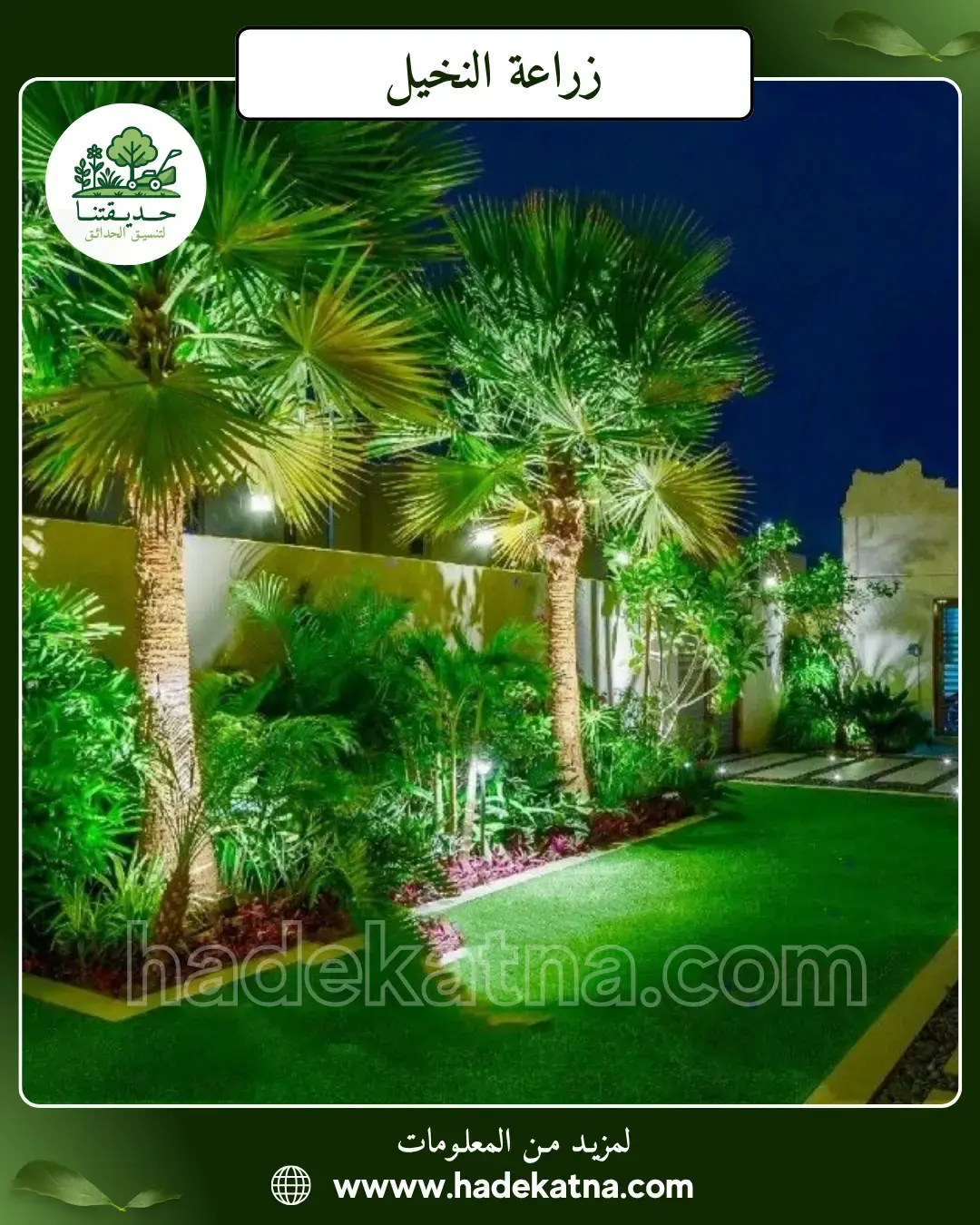
Using dense plants for blocking neighbors’ views first requires identifying the actual source of overlooking because “neighbors” could mean an adjacent yard at the same level, an elevated window, or a balcony overlooking part of the garden from above. A dense hedge is highly effective for lateral screening, but when the source of the view is significantly elevated, a different design solution may be required rather than simply increasing plant height without limit.
If the privacy issue is concentrated around one seating area, screening can be focused around that zone instead of creating a massive plant wall around the entire villa. This approach can provide more precise privacy while reducing the number of plants and the amount of pruning and irrigation required. Where space allows, different plant heights can also be combined instead of relying on a single row to perform every function.
Density itself also needs to be understood correctly. A dense plant is not necessarily the fastest-growing or tallest one. What matters is maintaining foliage and branching at the level where screening is required while keeping the plant width manageable within the garden. Some plants may become taller when left unmanaged while losing lower density, allowing the line of sight to reappear exactly where privacy was intended.
Privacy also does not mean visually closing the entire garden. In a small yard, high plant masses on all four sides can make the space feel smaller. It is often better to block the actual source of overlooking while allowing the rest of the landscape to remain visually open.
-
Identify the location and height of the source of overlooking before increasing plant height because a lateral hedge cannot address a view from a high upper floor with the same effectiveness
-
Concentrate dense plants around the seating area or private zone instead of covering the entire perimeter when the privacy issue affects only one specific section of the yard
-
Choose plants that maintain suitable branching at normal eye level instead of relying only on height because some species may grow upward while becoming less dense at lower levels
-
Consider the width of the plant mass in smaller gardens so the villa gains privacy without sacrificing a substantial amount of usable movement and activity space
-
Maintain pruning in a way that preserves hedge density at the required levels instead of allowing all growth to move upward and create gaps that become visible over time
Choosing Shade Trees for Home Gardens
Choosing shade trees for home gardens requires balancing the amount of shade desired with the size of the garden itself because the largest canopy does not automatically represent the best choice. In a small villa garden, one tree positioned carefully may provide shade for an entire seating area, while several large trees can eventually overcrowd the yard with branches and increase pruning requirements. The process should therefore begin by measuring the available space both above and around the planting area and considering the tree’s expected size several years later rather than its current nursery appearance.
The type of shade required also matters. If the objective is to shade a seating area mainly used in the afternoon, the tree location should relate to the direction of the sun during that period. If the objective is primarily visual improvement and creating a green area beneath a raised canopy, the priorities will be different. Some trees may also lose foliage seasonally or change canopy characteristics during the year, while others retain different levels of vegetation, so homeowners should understand the nature of the species before planting.
Choosing a tree solely according to growth speed is another common mistake. Fast growth may be desirable, but it needs to be considered together with vigor, mature size, pruning requirements, and the characteristics of the site. The distance from walls, buildings, and service lines should also be reviewed before digging begins rather than after a problem appears.
The right tree is one that can mature within the space planned for it. If the long-term solution requires repeatedly removing a large portion of the canopy simply to keep it away from the building, the original species selection or planting position probably needed more careful consideration.
-
Determine the available space for the canopy and roots before selecting the species so future tree dimensions remain appropriate for the garden rather than relying on the small size of the nursery plant
-
Connect tree position with the expected time of seating-area use and the direction of sunlight so shade falls where it is actually needed instead of having a large tree whose shade misses the seating area
-
Understand the seasonal characteristics of the tree before planting because foliage appearance canopy density and growth behavior can change throughout the year according to species and conditions
-
Do not use growth speed as the only selection criterion because a fast-growing species also requires assessment of its mature dimensions management requirements and the space it will eventually occupy
-
Review distances from buildings walls pathways and service lines before choosing the planting point so the tree has suitable room to develop while maintenance access remains possible
Landscaping a Villa Wall with Plants
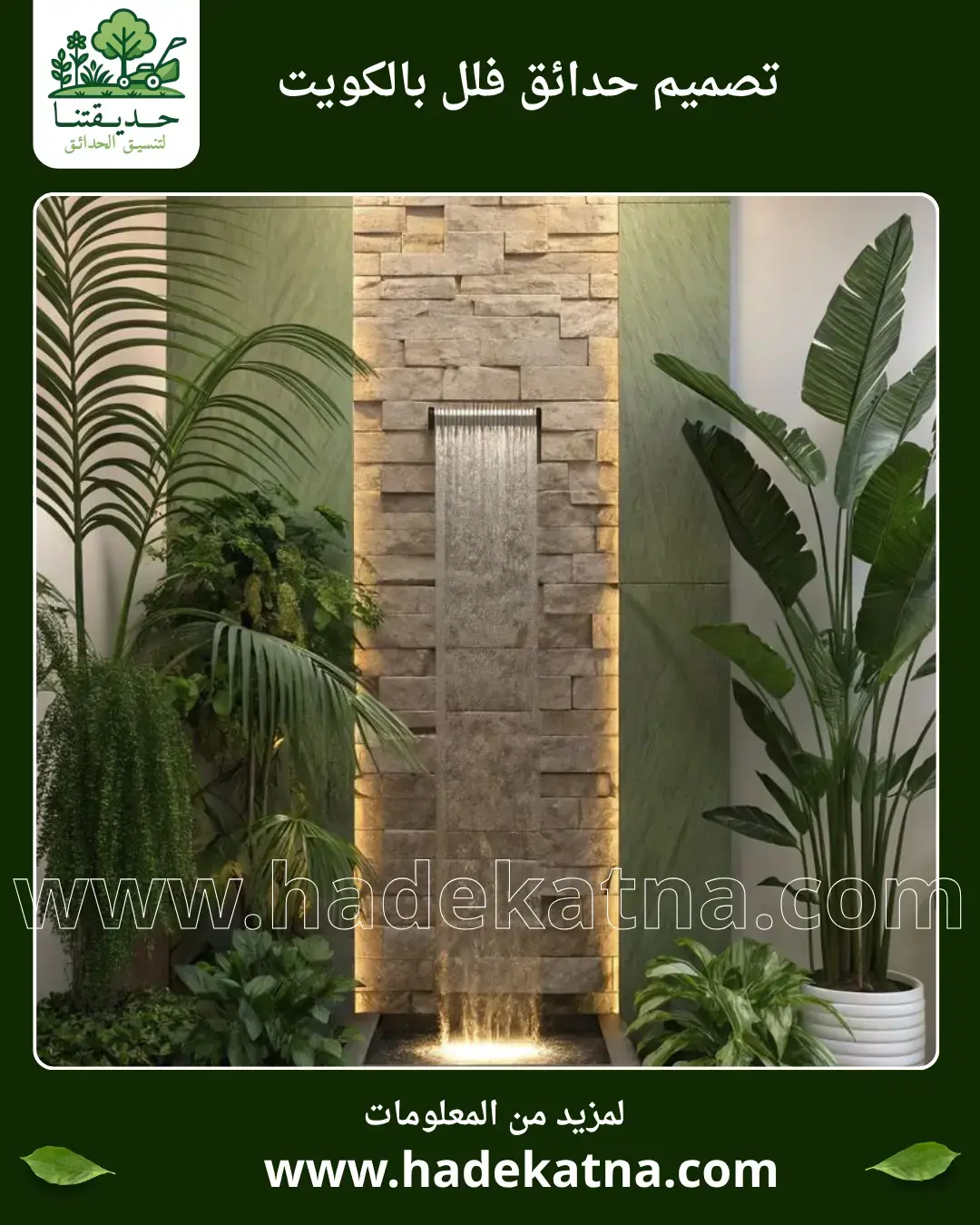
Landscaping a villa wall with plants does not necessarily mean hiding the wall completely. Sometimes the wall itself is visually suitable and the objective is simply to soften its length and add green depth to the landscape. In that situation, groups of plants or carefully repeated planting along selected sections can work better than a continuous dense hedge. If the wall contains areas that require screening or the garden is exposed from one particular direction, the design changes and greater density can be concentrated only where it serves a clear function.
Before selecting plants, it is important to identify what already exists beside the wall. There may be a narrow pathway, outdoor seating area, lighting, water points, or service doors. Planting wide shrubs inside a limited passage can cause them to occupy movement space as they mature even if everything looks neat on installation day. Mature plant width is therefore just as important as height.
Plant variety also requires restraint. Using a large number of species along a short wall can make the landscape appear crowded rather than rich. Repeating a limited selection of plants with carefully planned height differences often creates a clearer result that is also easier to maintain. If climbers are included, they need an appropriate support surface or structure and a practical way to access them for pruning.
One detail frequently overlooked is access to the wall itself. Irrigation, lighting, and other elements behind the plants should remain accessible for inspection. A neat green appearance today is not worth making a simple maintenance task two years later require removing half the planting bed just to reach the problem.
-
Determine whether the objective is to decorate the wall screen it or increase privacy because each purpose requires a different planting density height and distribution rather than applying the same design in every situation
-
Review pathway width and the distance between the wall and seating areas before selecting plants so mature shrubs do not eventually extend into spaces required for everyday movement
-
Use a carefully selected number of species with organized repetition instead of crowding many varieties into a short space because a clearer composition usually creates a calmer appearance and simpler maintenance
-
When climbing plants are used prepare suitable support and establish a training and pruning method from the beginning so growth remains connected to the section intended for coverage
-
Maintain practical access to irrigation points lighting and other wall elements so inspection and maintenance remain possible without damaging plants or dismantling the planting bed
Best Green Hedge for Privacy in Kuwait
Determining the best green hedge for privacy in Kuwait cannot be reduced to the name of one plant because a villa with a spacious yard has different requirements from a property with an extremely narrow planting strip. A side receiving direct sunlight throughout the day also differs from a wall that remains shaded for most of the day, and lateral exposure differs from overlooking caused by an elevated window. The correct selection therefore begins with the privacy problem and available space before moving on to the plant itself.
When comparing options, focus on five main factors: density at normal eye level, mature size, tolerance of site conditions, growth speed, and maintenance requirements. A fast and dense plant that needs extremely frequent pruning may suit someone with a regular maintenance program but can be less practical in a garden where minimal intervention is preferred. A slower-growing option is not automatically a poor choice if its mature dimensions are more appropriate for the available space.
Price should also not be compared according to the cost of an individual plant alone. The actual project cost is influenced by the number of plants, their size at purchase, the length of the wall, soil preparation, irrigation installation, planting work, and future maintenance requirements. Purchasing larger plants may provide quicker coverage but changes the initial cost, while smaller plants need more time to grow together and close the gaps.
Ultimately, the best hedge is the one that screens the required area without consuming the entire yard or creating a constant pruning battle. Successful privacy should be measured by how well the plant fits the site after maturity rather than how it looks during the first week.
-
Compare plants according to their density at the required viewing level and mature dimensions instead of selecting a species based only on growth speed or height because privacy depends on having plant mass in the correct location
-
Match the selection to the width available along the boundary wall so the mature hedge does not narrow pathways or extend excessively into seating and usable garden areas
-
Calculate project cost using plant quantity plant size soil preparation irrigation planting work and ongoing maintenance requirements instead of treating the price of one plant as the total cost of creating the hedge
-
Balance the speed of achieving the required screening with future maintenance because some faster-growing options need more frequent intervention to control their shape and width
-
Select the solution according to the genuinely exposed side and the site’s sunlight conditions instead of repeating the same hedge around the entire villa even where additional privacy is unnecessary
Conclusion
Choosing privacy plants for gardens in Kuwait should begin by identifying the location and height of the exposed view and the space that will remain available to the plants after they mature. A green hedge is suitable for lateral screening when the species, spacing, and pruning approach are selected correctly, while shade trees serve a different purpose by providing shade for seating areas and developing a higher canopy. In Kuwait villas, heat, sunlight, irrigation, root space, and mature plant dimensions should all be included in the decision instead of selecting plants only according to how they look at the nursery. Not every boundary wall requires a dense hedge from one end to the other. In many cases, concentrating planting around the seating area or the genuinely exposed side provides better privacy, preserves usable yard space, and reduces maintenance requirements. A successful design is ultimately one that remains practical after the plants mature rather than simply looking attractive on planting day.
Frequently Asked Questions
What is the best privacy plant for a villa garden in Kuwait?
There is no single plant that is best for every villa. The choice depends on sunlight, available planting space, the required screening height, mature plant width, pruning requirements, and irrigation conditions. It is therefore better to compare several suitable options according to the actual site rather than selecting a species simply because it grows quickly.
Can a plant hedge block views from neighboring upper floors?
A plant hedge is generally more effective for lateral screening and for views within the height reached by its plant mass. If the source of overlooking is from a significantly elevated floor, the viewing angle itself should be assessed because simply increasing hedge height is not always a practical or sufficient solution.
What is the difference between a shade tree and a green hedge?
A shade tree primarily develops a canopy that provides a shaded area beneath it, with much of its foliage often positioned at a higher level. A green hedge relies on dense and continuous growth around normal viewing height to help screen an exposed side of the garden.
Are fast-growing plants better for creating a privacy hedge?
Not always. Fast growth can help achieve coverage sooner, but it may also create greater pruning and size-control requirements. The better approach is to compare growth speed with mature dimensions, available space, and the level of maintenance that can realistically be provided.
How is the cost of a green privacy hedge for a villa determined?
Cost is affected by the length of the area to be planted, plant species, size and number of plants, soil preparation, irrigation requirements, planting work, and any additional site-specific requirements. The price of an individual plant alone is therefore not enough to determine the total project cost.


