

Causes of Rust and Corrosion in Fence Posts in Kuwait Climate
The Turkish fence is considered one of the solutions widely used in garden landscaping and outdoor boundary protection, but continuous exposure to weather conditions may cause problems over time, such as rust and corrosion, especially in Kuwait’s environment, which combines high temperatures, dust, humidity, and frequent irrigation water exposure near fences.
Understanding the causes of Turkish fence damage from the beginning helps in choosing the right protection and maintenance methods before the problem develops.
Therefore, rust on Turkish fence posts is not only related to the age of the fence, but also depends on installation quality, protection methods, and the level of exposure to water and moisture.
Regular maintenance helps preserve the fence appearance and strength for a longer period.
Rust on Turkish Fence Posts and Factors Causing Its Appearance in Kuwait
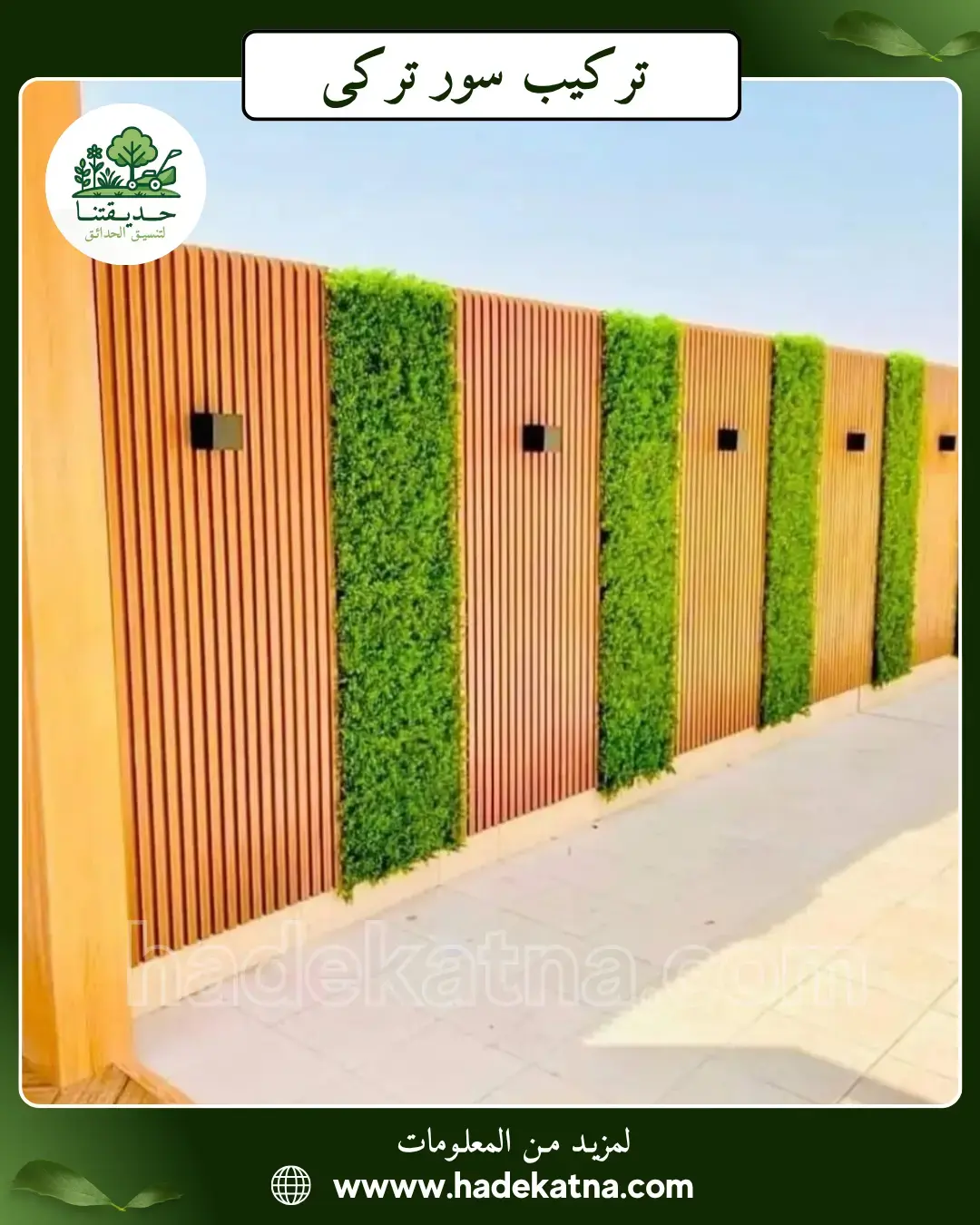
Rust on Turkish fence posts is one of the problems that may appear after a period of use when metal parts are exposed to factors affecting the external protective layer.
In Kuwait, usage conditions are different from some other environments due to high temperatures, changing humidity levels, dust exposure, and frequent water contact.
The appearance of rust does not always mean that the fence is immediately unusable, but it is a sign that requires attention and understanding the cause before the damage develops.
Through practical experience in garden landscaping and outdoor fence works in Kuwait, most rust cases appear in areas close to water sources, such as irrigation systems or places where water collects around fence bases.
The quality of the paint or protective coating used on the metal also plays an important role in resistance against external conditions because exposed metal is more vulnerable to moisture.
The installation method of fence posts is another important factor, as insufficient protection of the bases may allow water to reach the lower parts of the posts and start the corrosion process from below.
Scratches or damage to the external coating can also affect the fence because they expose the metal directly to air and moisture.
Early maintenance helps identify areas that have started to deteriorate before rust spreads to larger sections of the fence.
Therefore, dealing with rust on Turkish fence posts requires understanding the real cause of the problem rather than only removing the visible rust.
Important points about rust on Turkish fence posts:
-
Rust usually starts in areas most exposed to water and moisture.
-
External coating protection reduces exposure of metal to damaging factors.
-
Detecting rust early makes treatment easier and helps preserve the fence.
Causes of Corrosion in Turkish Fence Posts and the Impact of External Factors
There are many causes of corrosion in Turkish fence posts, and the problem is not always caused by one factor. Several conditions may combine and affect the metal over time.
One of the main causes is continuous moisture exposure, especially when fence bases are close to wet soil or areas with frequent irrigation.
In Kuwait home gardens, posts may be exposed to water daily due to irrigation sprinklers or small leaks in water systems. Without proper drainage, corrosion signs may begin to appear.
Through practical experience in outdoor fence maintenance, some corrosion cases start in hidden areas such as the lower part of the post, making them difficult to notice until clear weakness appears.
The quality of fence manufacturing and installation methods also have a major effect because using unsuitable protection materials or leaving bases without proper treatment increases the possibility of damage.
Weather conditions such as high temperatures do not directly cause rust alone, but they may affect protective coatings over time, making the metal more exposed to moisture.
Neglecting dust cleaning from the fence surface may also help some areas retain moisture for longer periods.
Therefore, understanding the causes of corrosion in Turkish fence posts helps in selecting preventive solutions that reduce the need for major repairs in the future.
Important points about causes of corrosion in Turkish fence posts:
-
Continuous moisture and water exposure are common causes of corrosion.
-
Installation quality and protection methods affect fence lifespan.
-
Monitoring bases and lower sections helps detect damage early.
Turkish Fence Damage Due to Irrigation Water and How to Reduce Its Effect
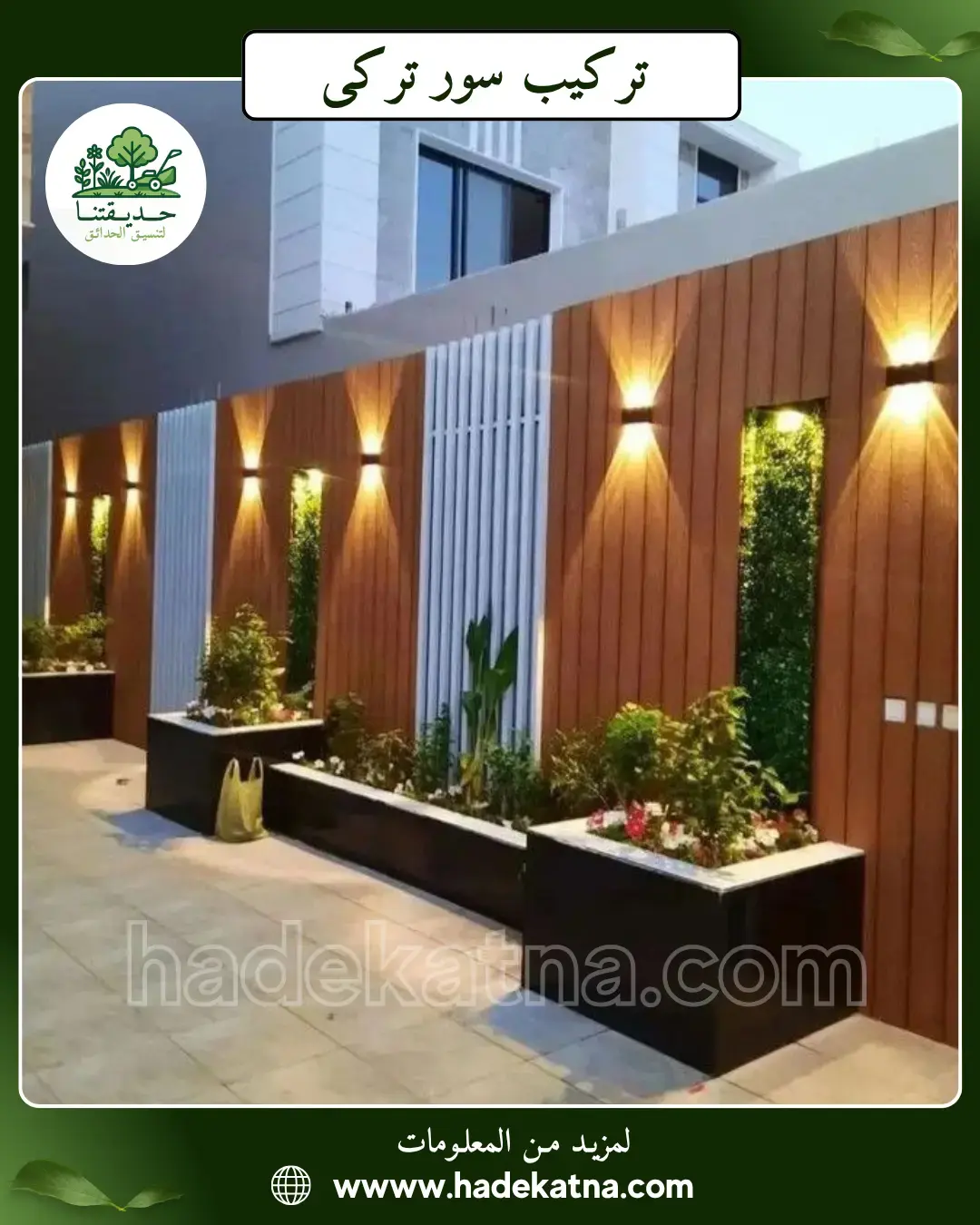
Turkish fence damage due to irrigation water is one of the problems that may appear especially in gardens where irrigation systems are installed close to fences because repeated water exposure can affect protective coatings over time.
Sprinklers directed toward the fence or water accumulation around post bases may increase the possibility of rust development.
Through practical experience in Kuwait garden landscaping, proper irrigation system distribution protects not only plants but also helps preserve metal structures installed inside the garden.
When installing Turkish fences, irrigation directions and water outlet locations should be considered to prevent continuous water exposure to the posts.
Good drainage around the bases also helps reduce moisture accumulation around the lower parts of the posts.
Some garden owners notice rust after a long period without realizing that the main cause may be a small water leak or improper sprinkler direction.
Cleaning areas around the fence and removing accumulated dust also helps reduce moisture effects.
When early damage signs appear, treating the affected area and restoring surface protection may prevent the problem from spreading.
Therefore, Turkish fence damage due to irrigation water can be reduced through proper irrigation planning and continuous fence monitoring.
Important points about Turkish fence damage due to irrigation water:
-
Directing sprinklers away from the fence reduces water exposure.
-
Proper drainage around bases protects lower sections.
-
Monitoring irrigation areas near fences prevents damage development.
Protecting Turkish Fences from Rust and Choosing Suitable Prevention Methods in Kuwait
Protecting Turkish fences from rust is an essential step to maintain the fence lifespan and external appearance, especially in Kuwait where outdoor fences are exposed to different conditions such as high temperatures, dust, humidity, and irrigation water.
Rust prevention begins from the fence selection stage because the metal quality and protective coating used on it directly affect its ability to resist external factors.
Through practical experience in garden landscaping and outdoor fence works in Kuwait, fences installed with proper protection measures from the beginning are less likely to develop problems compared with fences installed without suitable preparation.
One of the most important protection steps is ensuring that the metal has a suitable coating layer covering all surfaces, while repairing any scratches or exposed areas that may appear during use.
The installation method of fence posts is also important, especially the part placed inside the ground, because fence bases are among the areas most affected by moisture.
The installation location also has an effect. Fences placed near water sources or irrigation areas require additional protection measures.
Regular maintenance is an important part of prevention because it helps detect coating damage or early rust spots before they spread.
Cleaning the fence from dust and accumulated dirt is also recommended because buildup may help some areas retain moisture.
Good protection does not only mean preventing rust completely, but also reducing the chances of its appearance and delaying its effect on the fence.
Therefore, protecting Turkish fences from rust depends on several steps that begin with proper installation and continue through regular inspection and maintenance.
Important points about protecting Turkish fences from rust:
-
Quality coating and initial protection affect fence lifespan.
-
Protecting fence bases reduces corrosion risk from lower sections.
-
Regular maintenance helps detect problems before they become serious.
Rust on Turkish Fence Bases and Reasons Behind Its Appearance in Lower Sections
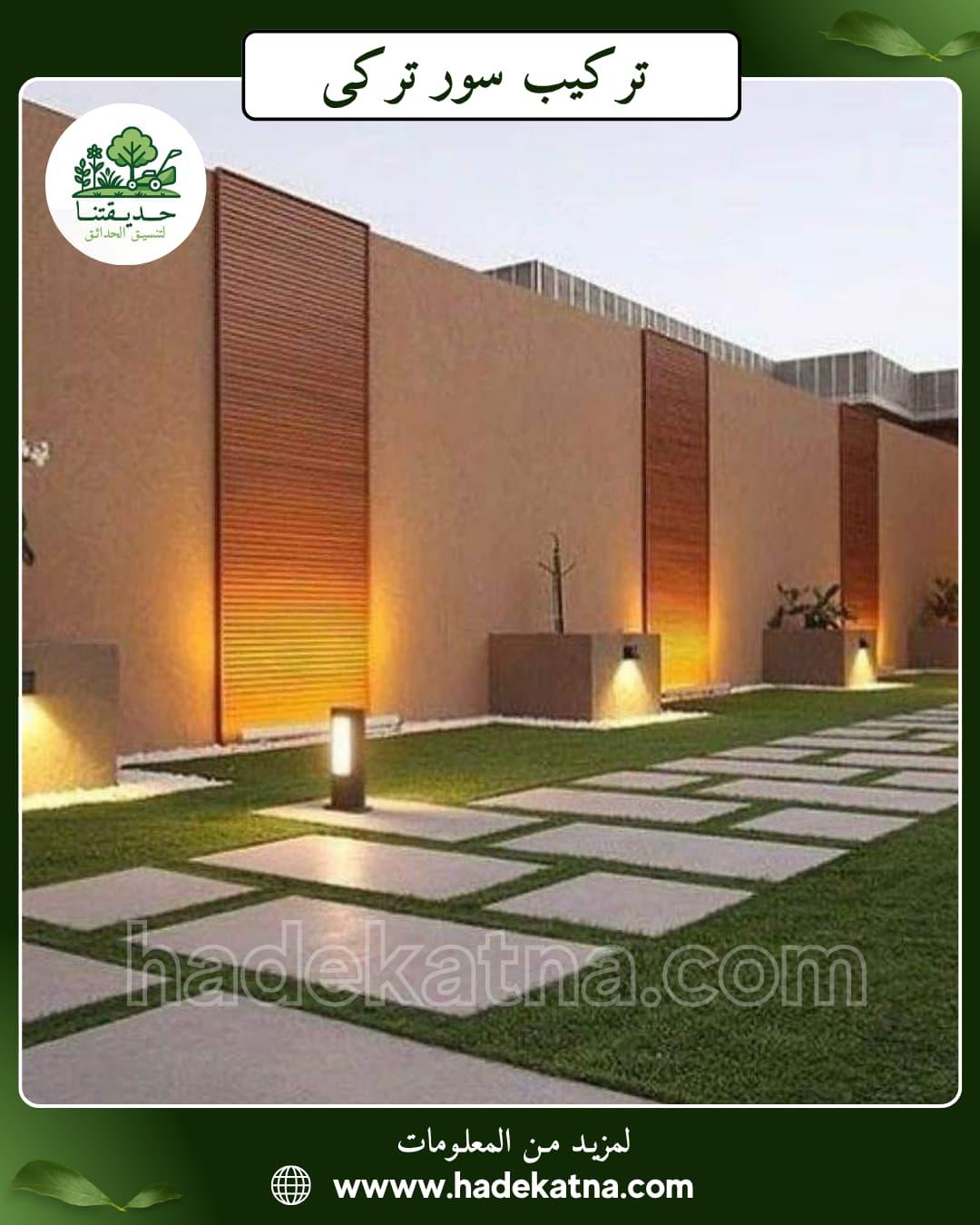
Rust on Turkish fence bases is one of the types of damage that requires attention because the lower part of the post is close to soil and water and may not be as visible as rust on upper sections.
Fence bases support the stability of the structure, so ignoring problems in this area may gradually affect post strength and overall fence stability.
In Kuwait gardens, these areas are more exposed to damage because of frequent irrigation and possible moisture accumulation around fence bases.
Through practical experience in outdoor fence maintenance, many rust cases begin at the bottom of posts due to water reaching areas that are difficult to notice during normal inspection.
The installation method of the base is an important factor. If the moisture-exposed section is not properly protected, corrosion may gradually begin.
Soil that retains water for long periods may also increase the effect of moisture on the metal.
Signs that may indicate base problems include color changes, reduced post stability, or visible corrosion around the ground-level area.
Treating the problem early is usually easier than waiting until the damage affects the entire post structure.
Therefore, monitoring rust on Turkish fence bases is an important part of maintaining fence strength and extending its lifespan.
Important points about rust on Turkish fence bases:
-
Lower post sections require regular inspection because they are less visible.
-
Continuous moisture around bases increases corrosion possibility.
-
Early treatment reduces the need for post replacement.
Treating Turkish Fence Rust and Proper Steps for Repairing Damaged Areas
Treating Turkish fence rust requires evaluating the damage condition first before selecting the repair method because treatment depends on how far the rust has spread and how much the metal has been affected.
In simple cases, the solution may involve cleaning the damaged area, removing rust, and applying a new protective layer.
However, if rust has affected metal strength or caused clear weakness in the post, some parts may require more extensive repair or replacement.
Through practical experience in fence maintenance in Kuwait, a common mistake is treating only the visible rust while leaving the main cause, such as water exposure or poor base protection.
Therefore, the first step should be inspecting the rust location and identifying the reason behind its appearance.
Treatment usually includes surface cleaning, removing damaged sections, preparing the metal, and restoring protection using suitable methods.
Water exposure areas should also be reviewed to prevent the problem from returning after repair.
In some cases, adjusting irrigation direction or improving drainage becomes an essential part of the solution.
Maintenance after treatment is also important because it helps confirm that protection continues and no new damage appears.
Therefore, treating Turkish fence rust does not only depend on removing rust but also on solving the cause and maintaining the fence after repair.
Important points about treating Turkish fence rust:
-
Identifying the rust cause is an essential step before repair.
-
Surface treatment is not enough if the original cause remains.
-
Follow-up after repair helps maintain treatment results.
Corrosion of Turkish Fences Due to Humidity and Ways to Reduce Its Impact

Corrosion of Turkish fences due to humidity is a problem that develops gradually because continuous moisture exposure affects metal and protective coatings, especially in outdoor locations.
Humidity may come from several sources, including irrigation water, water accumulation around bases, or poor ground drainage.
In Kuwait’s environment, the problem may increase due to weather conditions and dust accumulation, which can sometimes help retain moisture on certain surfaces.
Through practical experience in outdoor gardens and fence maintenance, preventing humidity damage begins with proper fence location planning and correct base installation.
Water should not remain collected around fence posts for long periods because continuous moisture exposure accelerates corrosion.
Regular fence cleaning also helps identify affected areas before the damage spreads.
Using suitable protective materials for metal reduces the impact of external conditions.
Some fences experience corrosion not only because of metal quality but also because of lack of maintenance after installation.
Therefore, dealing with corrosion of Turkish fences due to humidity requires combining proper installation, maintenance, and control of nearby water sources.
Important points about corrosion of Turkish fences due to humidity:
-
Continuous humidity is one of the main causes of metal corrosion.
-
Proper water drainage around fences reduces its effect.
-
Regular inspection helps detect damage early.
Protecting Turkish Fence Bases from Water and Reducing Early Damage Risks
Protecting Turkish fence bases from water is one of the most important measures that helps extend fence lifespan because the area near the ground is the most exposed to moisture, irrigation water, and soil changes.
Fence bases support the stability of the entire structure, so any problem in this area may gradually affect post strength and appearance.
In Kuwait home gardens, fence bases are frequently exposed to water due to irrigation systems or outdoor cleaning activities. Therefore, they require special attention during installation and after completion.
Through practical experience in garden landscaping and outdoor fence installation, many rust problems begin because water reaches the metal from the lower section without sufficient protection.
One of the main prevention methods is ensuring that fence bases are installed in a way that reduces water accumulation around the posts while maintaining proper drainage in the surrounding area.
Nearby irrigation systems should also be monitored to ensure there are no leaks or direct continuous spraying on the fence bases.
Selecting a suitable protection method for the lower part of the post helps reduce moisture effects and maintains fence strength for a longer period.
Regular inspection of fence bases also helps identify early signs such as color changes or initial rust development.
Ignoring base protection may allow a small problem to spread to larger parts of the post, making repairs more difficult.
Therefore, protecting Turkish fence bases from water is an essential step in maintaining any outdoor fence exposed to weather conditions and irrigation systems in Kuwait.
Important points about protecting Turkish fence bases from water:
-
Preventing water accumulation around bases reduces corrosion risks.
-
Checking nearby irrigation areas protects the fence from damage.
-
Protecting lower post sections helps extend fence lifespan.
Maintenance of Corroded Turkish Fences in Kuwait and Preserving Their Condition

Maintenance of corroded Turkish fences in Kuwait is an important step for preserving outdoor fences because dealing with damage during its early stages helps reduce the size of future repairs.
Turkish fences are exposed throughout the year to different conditions such as heat, dust, humidity, and irrigation water. Therefore, neglecting maintenance may increase rust spread and affect the overall appearance.
Through practical experience in outdoor fence maintenance in Kuwait, regular inspection helps identify weak areas before they develop into major problems.
Maintenance includes checking the external coating, inspecting posts and bases, and identifying damaged sections that require treatment.
Removing accumulated dust and dirt from fence surfaces is also important because buildup may contribute to moisture retention on certain areas.
Some cases may require restoring protective coatings or renewing damaged surface layers to reduce the effect of external conditions.
Nearby water sources should also be reviewed, especially if the damage is related to irrigation systems or water accumulation.
Regular maintenance does not mean waiting until damage appears, but rather preventing problems or reducing their effect when they begin.
A common mistake is leaving fences for years without inspection and attempting repair only after extensive rust has developed.
Therefore, maintenance of corroded Turkish fences in Kuwait helps preserve fence appearance and reduces the need to replace large sections.
Important points about maintenance of corroded Turkish fences in Kuwait:
-
Regular inspection detects problems before they become severe.
-
Early rust treatment is easier than repairing major corrosion.
-
Monitoring coatings and bases helps maintain fence lifespan.
When Do Turkish Fence Posts Need Replacement and How to Evaluate Fence Condition?
The question when Turkish fence posts need replacement is important when signs of damage appear because not every rust problem means that the entire post must be replaced.
The replacement decision depends on the metal condition and how much corrosion has affected post strength and stability.
Through practical experience in fence maintenance in Kuwait, evaluating the complete condition of the post helps select the right solution instead of unnecessary replacement.
Some signs that may indicate replacement is needed include clear post weakness, bending, or deep corrosion affecting the lower metal section.
Repeated damage after repair may also indicate deeper problems requiring replacement of affected parts.
Fence bases should also be inspected because the issue may not only be in the post itself but also in the installation method or continuous water exposure.
The replacement decision should consider repair costs compared with the current fence condition and its ability to continue functioning.
Keeping healthy fence sections and repairing treatable areas may be a suitable option in some situations.
Therefore, knowing when Turkish fence posts need replacement requires accurate inspection rather than relying only on external appearance.
Important points about when Turkish fence posts need replacement:
-
Surface rust does not always mean replacement is required.
-
Metal weakness or damaged bases are major reasons for changing posts.
-
Professional evaluation helps select the appropriate solution.
Conclusion
Problems such as rust on Turkish fence posts and corrosion in Turkish fence posts can be significantly reduced through proper installation, suitable protection methods, and regular maintenance.
In Kuwait, outdoor fences require special attention because they are exposed to heat, dust, humidity, and irrigation water. Prevention begins with choosing the right installation method, protecting bases, and monitoring nearby water sources.
Understanding the causes of damage helps determine the correct solution, whether it involves rust treatment, improving protection methods, or replacing sections that can no longer be repaired.
A quality Turkish fence depends not only on metal strength but also on proper maintenance after installation.
Early maintenance helps preserve fence appearance and durability while reducing the need for major repairs in the future.
Frequently Asked Questions
What causes rust on Turkish fence posts?
Rust usually occurs because of moisture exposure, irrigation water, weak external protection, or damaged coating layers.
Can irrigation water damage Turkish fences?
Yes. Continuous water exposure or water accumulation around bases may increase the possibility of rust and corrosion.
How can Turkish fences be protected from rust?
By using suitable metal protection methods, checking coatings, monitoring bases, and reducing continuous water exposure.
Why does rust appear more on Turkish fence bases?
Because bases are close to soil and water sources and remain exposed to moisture for longer periods.
Can Turkish fence rust be treated without replacement?
It depends on the damage level. Minor rust can often be treated, while severe corrosion may require replacing damaged sections.
How can Turkish fence bases be protected from water?
By improving drainage, monitoring irrigation systems, and protecting lower post sections.
What are the signs of corrosion due to humidity?
Signs include rust spots, metal color changes, and weakness in some fence sections.
How often does a Turkish fence need maintenance?
It depends on location and exposure conditions, but regular inspection helps detect problems early.
When do Turkish fence posts need replacement?
When corrosion affects post strength, stability, or when treatment is no longer enough to maintain the fence.
Does cleaning a Turkish fence help prevent rust?
Yes. Removing dust and accumulated materials reduces moisture buildup and helps identify problems at an early stage.


