

Vertical or Traditional Garden Which Fits Small Spaces in Kuwait
Designing a garden in a small space in Kuwait requires smart planning and the right use of available areas because limited spaces do not mean that homeowners cannot create a beautiful and comfortable green environment.
Many homeowners become confused when choosing between a vertical or traditional garden because each option has different advantages depending on the location and design requirements.
A vertical garden provides a practical solution for people who want to add plants without requiring a large ground area, while a traditional garden creates a natural feeling by distributing plants and trees across the available land.
Therefore, choosing the right type depends on garden size, available sunlight, plant requirements, and the desired design style.
Understanding the differences between both options helps homeowners create a garden that matches their space and lifestyle.
Vertical or Traditional Garden and the Factors Determining the Right Choice for Small Spaces
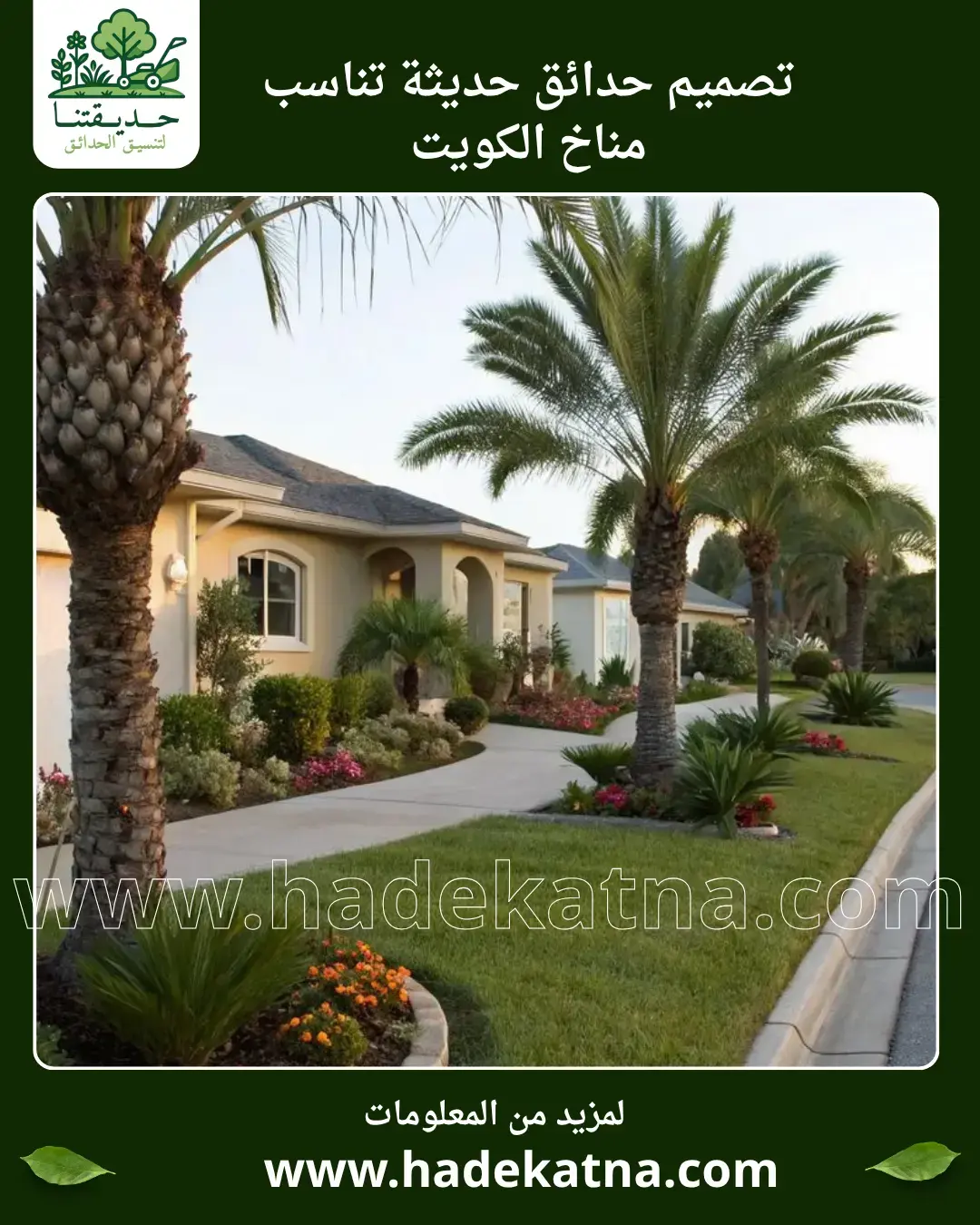
The question of vertical or traditional garden is one of the most common topics searched by homeowners in Kuwait when designing small gardens because limited outdoor spaces have become a challenge for many properties, especially villas and homes with small yards or restricted outdoor areas.
Choosing the suitable garden type does not depend only on the available space. It is also related to how the area will be used, the number of plants required, the level of maintenance the homeowner can provide, and the final appearance they want to achieve.
A traditional garden mainly depends on ground space, where plants, trees, and shrubs are distributed across the soil or planted areas.
This type creates a natural and spacious feeling, especially when plants are arranged properly with pathways, seating areas, and outdoor lighting.
However, the challenge with small spaces is that traditional gardens require enough ground area for plants to appear balanced and organized, and adding many plants can become difficult when the available space is limited.
A vertical garden, on the other hand, depends on using walls and vertical surfaces for planting, making it a suitable option for areas that do not have large ground spaces.
Through practical experience in Kuwait landscaping projects, many owners of small homes have started preferring vertical gardens because they allow adding greenery without affecting movement areas or outdoor seating spaces.
For example, an empty wall in a small yard can be transformed into a beautiful plant display containing decorative plants, herbs, or outdoor-suitable species.
Vertical gardens also provide a modern appearance that matches contemporary home designs and can be combined with hidden lighting or outdoor decorations to create a more attractive look.
However, they require proper planning because selecting suitable plants and designing an effective irrigation system are important factors for success.
On the other hand, traditional gardens provide more freedom in selecting different plant types and creating various landscape designs depending on the available area.
Therefore, the answer to vertical or traditional garden depends on the space conditions and garden goals. Small areas often benefit from vertical solutions, while larger spaces allow more diverse traditional garden designs.
Important points about vertical or traditional garden:
-
The choice depends on garden size and usage requirements, not only the available area.
-
Vertical gardens use walls to create additional planting spaces.
-
Traditional gardens provide more freedom in plant arrangement but require more ground space.
Best Garden for Small Spaces and How to Choose the Suitable Home Design
Choosing the best garden for small spaces requires understanding how to achieve maximum benefit from every available area because small gardens do not need many elements as much as they need smart and organized planning.
In limited spaces, good design is more important than garden size. A small area can look more beautiful and comfortable when plants and outdoor elements are selected and arranged correctly.
Through practical experience in Kuwait landscaping, one of the most common mistakes in small gardens is trying to add too many elements into a limited space, which makes the area feel crowded and uncomfortable.
Successful design depends on creating balance between plants, seating areas, pathways, and lighting.
Vertical gardens are considered one of the smart solutions for small spaces because they add greenery by using walls instead of consuming ground space.
Plants, hanging containers, and green walls can be used to add natural beauty without reducing available movement areas.
A traditional small garden can also be designed with a simple approach by using a limited number of carefully selected plants with organized planting beds.
In Kuwait, choosing plants that can withstand heat and outdoor conditions is essential because unsuitable plants may increase maintenance requirements.
The irrigation system should also be considered, especially in small gardens, because irregular watering can affect plant health and appearance.
Using suitable colors and materials is another important factor. Choosing appropriate flooring and good outdoor lighting can make the garden appear larger than its actual size.
Therefore, the best garden for small spaces is not necessarily the one with the largest number of plants, but the one that provides the most efficient use of the area while creating a comfortable and balanced environment.
Important points about the best garden for small spaces:
-
Smart planning is more important than increasing the number of plants.
-
Using walls and corners helps increase green elements.
-
Choosing suitable plants for Kuwait reduces maintenance and preserves garden beauty.
Vertical Gardens for Homes and Why They Suit Limited Outdoor Areas
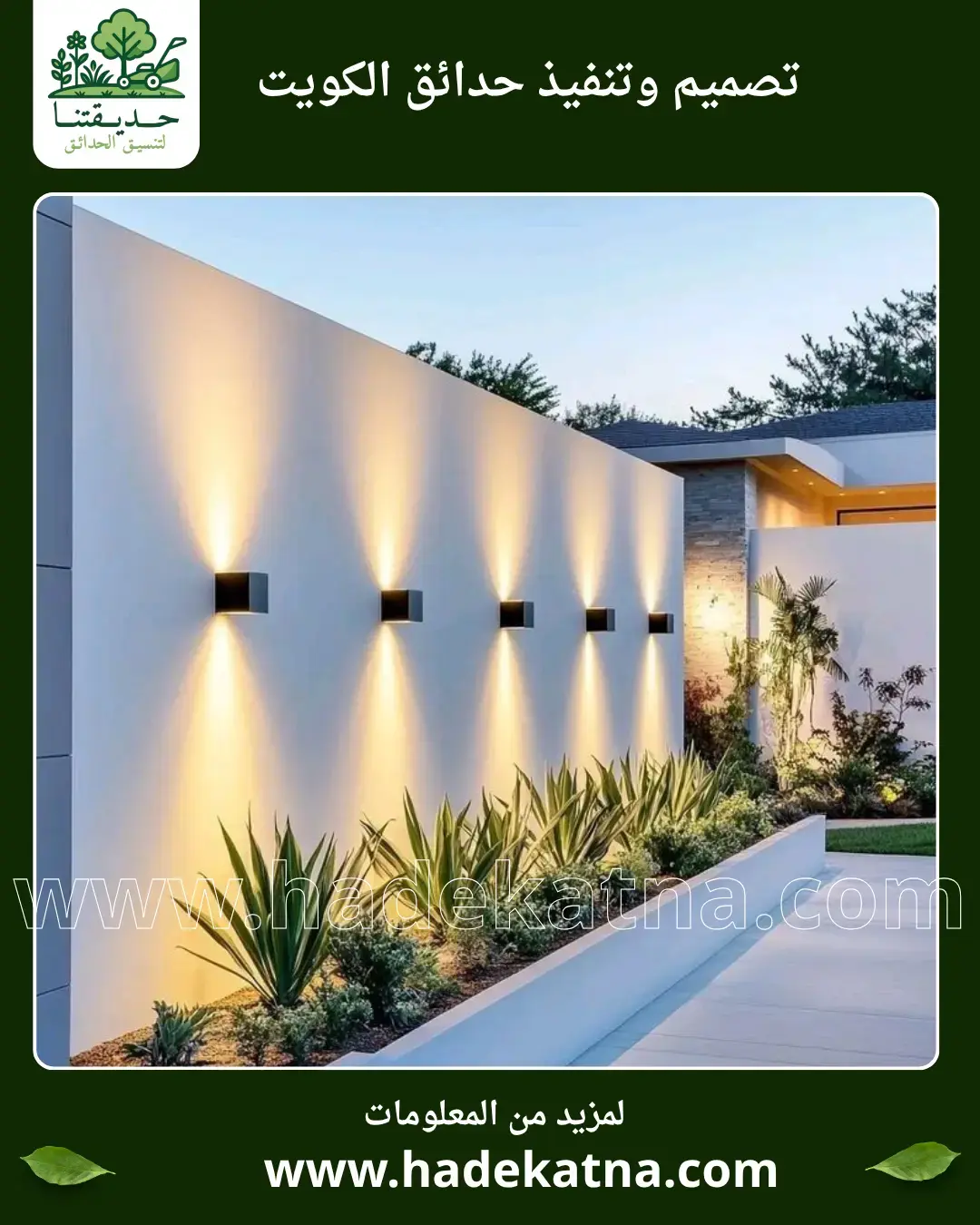
Vertical gardens for homes have become one of the modern trends in Kuwait garden design, especially with the increasing need for solutions that add plants in areas without large ground spaces.
A vertical garden uses walls and vertical surfaces to create planting areas, allowing unused spaces to become attractive natural elements.
This type of garden is highly suitable for homes and villas with small yards, balconies, or outdoor walls that need a natural decorative touch.
Through practical experience in home garden design, a green wall can completely change the appearance of a space because it adds color and life without requiring additional ground area.
Vertical gardens can be created using different methods, such as ready-made plant panels, hanging containers, or systems that depend on drip irrigation.
Plants should be selected according to wall location and available sunlight because some species require strong light while others can grow in less exposed areas.
In Kuwait, selecting heat-resistant materials is important when installing outdoor vertical gardens because walls are directly exposed to weather conditions.
The irrigation system is also a key element in vertical garden success because water distribution must be consistent to ensure all plants receive their required amount.
Vertical gardens provide a modern appearance and can be combined with outdoor lighting and decorations to create a unique design.
Therefore, vertical gardens for homes are a practical and beautiful solution for homeowners who want to introduce nature into small spaces without sacrificing usable areas.
Important points about vertical gardens for homes:
-
They use walls to add planting areas without increasing ground space.
-
They are suitable for small yards, balconies, and unused walls.
-
They require suitable plants and proper irrigation systems for success.
Green Wall for Small Spaces and How It Transforms Empty Walls into Beautiful Gardens
A green wall for small spaces is one of the innovative solutions that helps homeowners add a natural element to limited areas because walls can be used instead of depending completely on ground space, which may not be available in many homes and villas in Kuwait.
The main idea of a green wall is creating a vertical planting area containing different plants arranged in an organized way, transforming an ordinary wall into an important decorative part of the garden design.
In small spaces, this solution is highly practical because it allows homeowners to add greenery without reducing seating areas, pathways, or movement zones.
Through practical experience in Kuwait landscaping projects, many homeowners have small outdoor areas with unused walls, and converting these walls into green features can completely change the appearance of the space.
A green wall can be installed in outdoor yards, beside garden seating areas, or at exterior entrances to add a natural touch that creates a feeling of comfort and relaxation.
However, the success of a green wall depends on several factors, especially selecting suitable plants because some species cannot tolerate high temperatures or direct sunlight for long periods.
The irrigation method is also one of the most important points because vertical plants need regular water distribution to prevent some areas from drying while others receive excessive amounts of water.
In small Kuwait gardens, drip irrigation systems are commonly used because they help save water and maintain plant health.
A strong supporting structure should also be selected to handle the weight of plants, soil, or planting containers.
A green wall is not only a decorative addition. When designed properly, it can become a main feature of the garden that works together with lighting, flooring, and outdoor seating.
Therefore, a green wall for small spaces is an excellent choice for homeowners who want to increase greenery in a practical way without needing additional ground space.
Important points about green wall for small spaces:
-
It transforms empty walls into attractive garden elements.
-
It is suitable for homes with limited outdoor areas.
-
It requires proper irrigation and suitable plant selection to maintain long-term success.
Difference Between Vertical and Traditional Garden in Design Maintenance and Space Usage
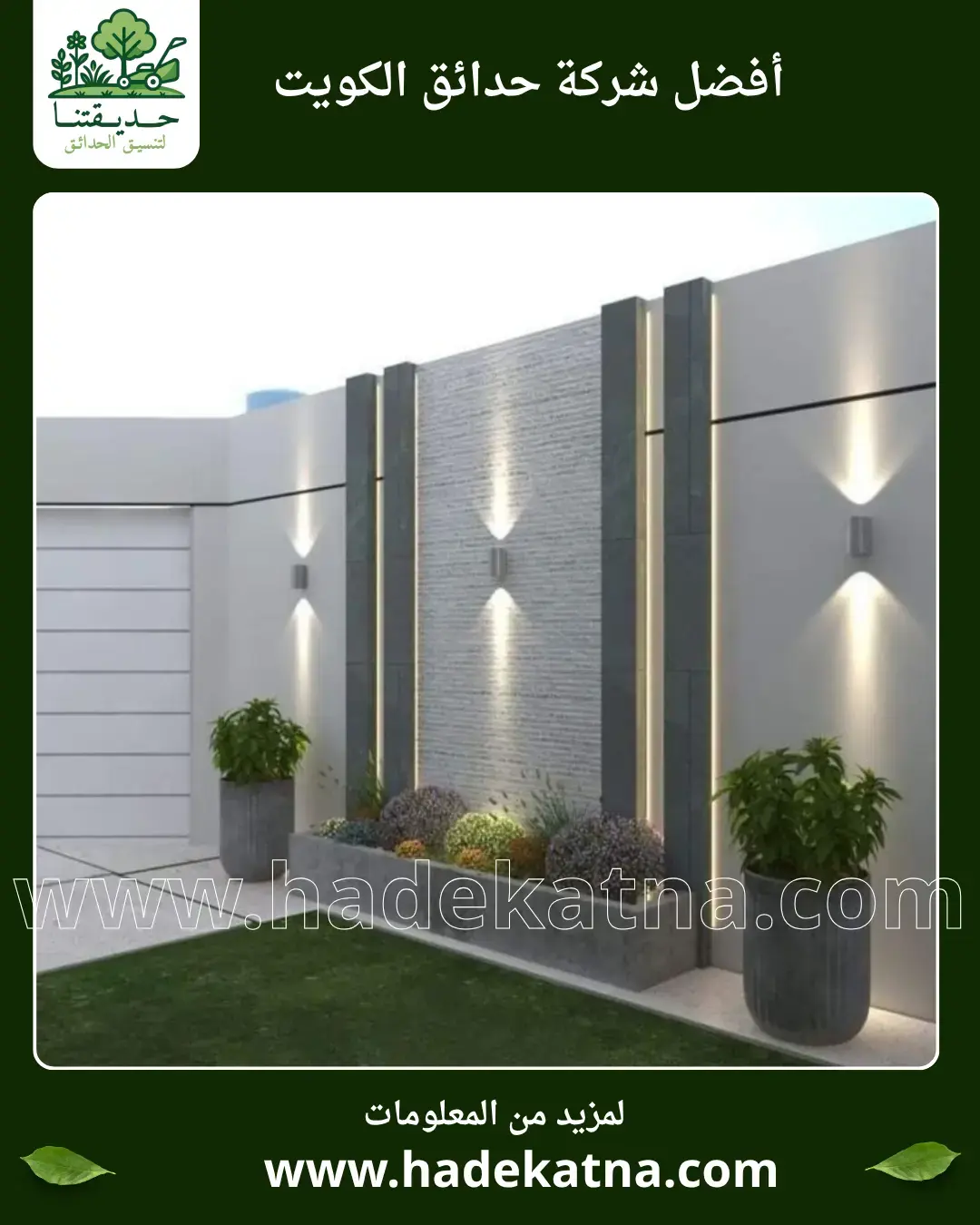
Understanding the difference between vertical and traditional garden helps homeowners make a better decision when designing small gardens because each type uses a different approach for arranging plants and utilizing available space.
A traditional garden mainly depends on ground areas, where plants, trees, and shrubs are planted directly in soil or arranged in ground planting beds.
This type provides a natural and open feeling and allows the use of different plant varieties according to the garden size, but it requires enough ground area for proper organization.
A vertical garden, however, depends on using walls and vertical surfaces, making it more suitable for small areas that require smart space utilization.
From a design perspective, vertical gardens provide a modern and distinctive appearance, especially when used as a main decorative feature in outdoor yards or beside seating areas.
Traditional gardens create a more natural landscape feeling because plants are distributed across the ground with open planting areas.
Regarding maintenance, vertical gardens require careful monitoring of irrigation systems and plant conditions because water distribution works differently in vertical structures.
Traditional gardens may be easier to maintain in some situations, especially when plants are arranged properly and easily accessible.
Through practical experience in Kuwait garden projects, choosing between both types depends on the location rather than one option being universally better.
Some small homes benefit greatly from vertical gardens, while other limited ground spaces can support simple traditional designs that provide excellent results.
Both approaches can also be combined to achieve better results, such as installing a vertical garden on one wall while adding small ground planting beds.
Therefore, understanding the difference between vertical and traditional garden helps homeowners select a design that achieves the right balance between appearance, usability, and maintenance.
Important points about the difference between vertical and traditional garden:
-
Vertical gardens depend on walls, while traditional gardens depend on ground planting areas.
-
Vertical gardens are more suitable for limited spaces, while traditional gardens suit areas with more ground space.
-
Maintenance requirements vary depending on plant arrangement and irrigation systems.
Small Home Garden Design and How to Make Limited Areas More Beautiful and Practical
A successful small home garden design requires careful planning because the quality of the result does not depend on the size of the area, but on how elements are distributed and selected.
In small gardens, the main goal is achieving maximum use of the available space without making the area feel crowded or uncomfortable.
Through practical experience in Kuwait landscaping, the best small garden designs usually depend on simplicity and carefully selected elements rather than adding too many features.
Walls can be used for vertical plants, corners can be transformed into planting areas, and suitable outdoor seating can be selected according to the available size.
Using light colors in flooring and walls can help create a feeling of a larger space, while outdoor lighting adds depth and beauty during the evening.
Plant selection is one of the most important steps in the design process because suitable species should be chosen according to the available space and maintenance requirements.
Multi-purpose plants, such as decorative or aromatic plants, can provide beauty and practical benefits at the same time.
In Kuwait, plants that tolerate heat and outdoor conditions should be selected to avoid excessive maintenance.
The purpose of the garden should also be identified before design. Is it intended for relaxation and seating? For planting only? Or as a family gathering area?
Because the arrangement of elements changes depending on the intended use.
A successful small garden does not require many elements. It requires organized planning that gives every part a clear function.
Therefore, small home garden design depends more on creativity in space utilization than on the size of the available area.
Important points about small home garden design:
-
Good planning makes small gardens more comfortable and attractive.
-
Suitable plant selection reduces maintenance requirements.
-
Using walls and corners increases green elements in limited spaces.
Using Small Spaces for Planting and Creating Green Areas in Limited Locations
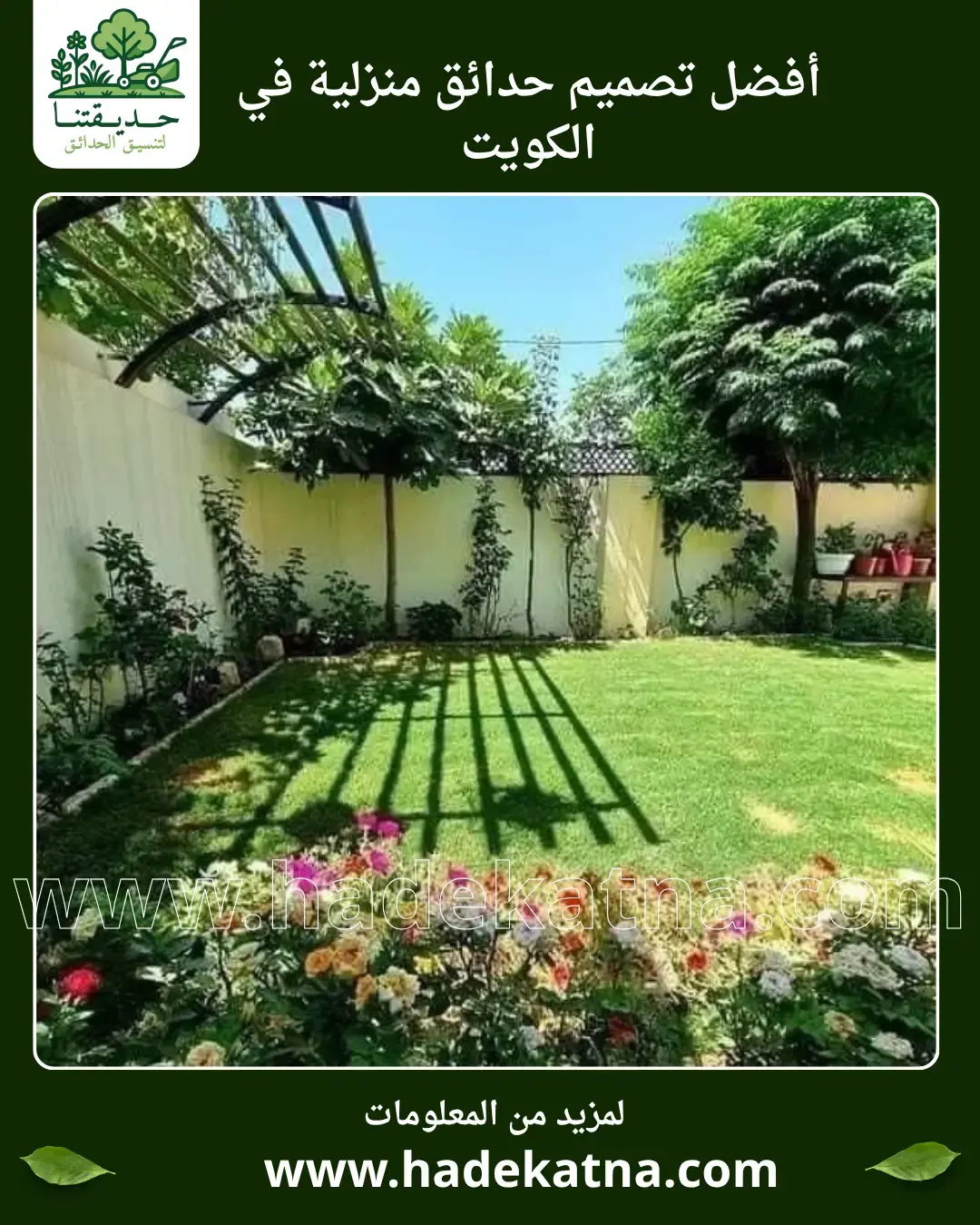
Using small spaces for planting is one of the most important solutions used by homeowners in Kuwait to create beautiful gardens even when available outdoor areas are limited because smart design can transform corners, walls, and unused areas into green spaces.
Many people previously believed that having a home garden required a large area, but modern landscaping techniques have proven that proper planning is more important than garden size.
Small spaces can be used through different methods, including vertical gardens, raised planting beds, hanging plants, and dedicated small planting corners according to the location.
Through practical experience in Kuwait garden projects, the most commonly ignored areas are side walls and unused corners, while these spaces can become attractive features that add significant value to the garden.
Plant selection also plays an important role in maximizing space because small and medium-sized plants are usually more suitable for limited areas compared with large trees that require more room.
Shelves, vertical containers, and hanging systems can also be used for growing decorative plants or aromatic herbs, creating both beauty and usefulness.
In small gardens, random distribution should be avoided because too many plants or decorations can make the area appear crowded and unorganized.
Therefore, it is better to select a limited number of elements and arrange them in a way that creates a feeling of openness and balance.
Plants can also be combined with other features such as outdoor lighting, suitable flooring, and small seating areas to create a complete design.
In Kuwait, choosing heat-resistant plants is one of the most important factors for successful planting in small spaces because unsuitable plants may require excessive care or quickly deteriorate.
Therefore, using small spaces for planting does not depend on adding the largest possible number of plants, but on choosing solutions that provide the best use of the available area.
Important points about using small spaces for planting:
-
Walls and corners can become useful and attractive planting areas.
-
Suitable plant selection reduces problems and maintains garden appearance.
-
Organization and planning are more important than adding many elements.
Advantages of Vertical Gardens and Why They Suit Homes with Limited Spaces
The advantages of vertical gardens are the main reason behind the popularity of this type of garden among homeowners and villa owners who do not have large outdoor areas because they provide a practical solution that combines beauty with smart space utilization.
One of the most important advantages of vertical gardens is that they allow homeowners to add a large number of plants without requiring a large ground area, as they depend on walls and vertical surfaces instead of horizontal expansion.
This makes them highly suitable for small homes or limited outdoor yards that need additional greenery without reducing movement areas.
Vertical gardens also provide a modern and attractive appearance and can be used as a main design feature that creates a strong visual impact in the garden.
Through practical experience in Kuwait landscaping projects, green walls help transform simple spaces into more lively and attractive areas.
Another important advantage is the variety of plants that can be used. Homeowners can select decorative plants, aromatic herbs, or species that add different colors according to the desired design.
Vertical gardens can also be combined with modern irrigation systems, making plant care easier and more organized.
However, selecting the right system is essential because the success of a vertical garden depends on proper installation, plant support methods, and irrigation distribution.
Another advantage is that they help utilize areas that are normally unused, such as exterior walls or narrow corners.
They also give homes a stronger connection with nature, especially when combined with outdoor lighting and the overall garden design.
Therefore, the advantages of vertical gardens make them a suitable option for anyone who wants to add greenery in a modern and practical way.
Important points about the advantages of vertical gardens:
-
They provide additional planting areas without requiring large ground spaces.
-
They add a modern and attractive appearance to homes.
-
They can be combined with modern irrigation systems to simplify plant care.
Ideas for Narrow Space Gardens That Help Create a Beautiful and Practical Area
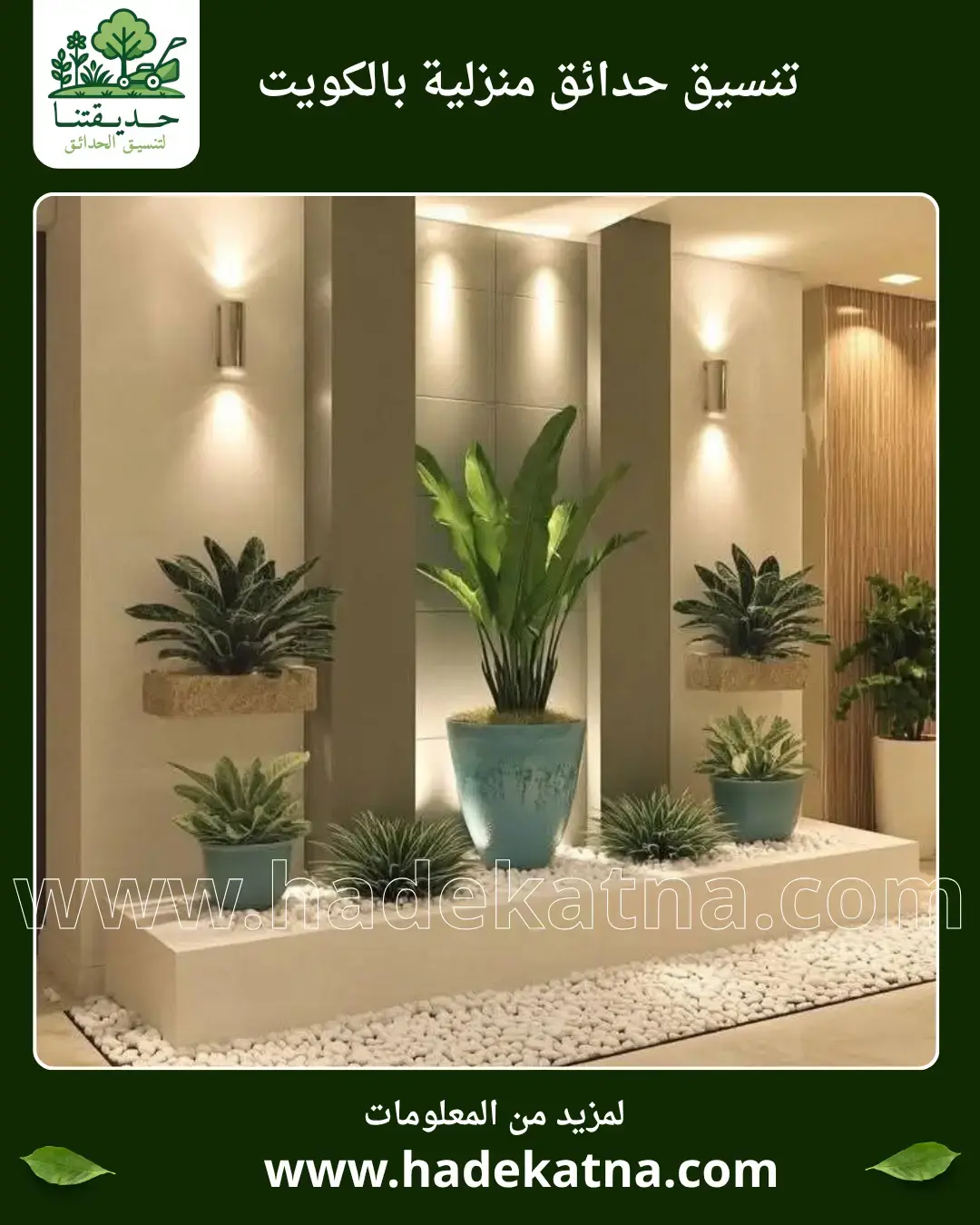
Searching for ideas for narrow space gardens has become increasingly common among homeowners in Kuwait because many people want to enjoy green areas even when their outdoor spaces are small or limited.
One of the best ideas is using vertical walls for planting, where green walls or hanging containers can be installed to add beauty without consuming ground space.
Small corners can also be used intelligently by adding tall planting containers or creating a small green feature beside a wall.
Another suitable idea is selecting compact outdoor seating instead of large furniture that may make the space feel crowded.
Outdoor lighting can also be added to create a more attractive appearance during the evening, especially in limited gardens.
In Kuwait small garden projects, designers often combine plants, flooring, and decorative elements to create a balanced outdoor environment.
Climbing plants can also be used to cover walls and provide a natural feeling without requiring a large area.
Another practical idea is creating a small section for useful planting, such as aromatic herbs, making the garden both beautiful and functional.
However, excessive decoration should be avoided because narrow spaces require simplicity and organization more than many details.
Through practical experience, a successful small garden is one where every element has a clear purpose, whether it is a plant, seating area, lighting feature, or flooring material.
Therefore, choosing suitable ideas for narrow space gardens helps transform limited areas into comfortable and attractive outdoor spaces.
Important points about ideas for narrow space gardens:
-
Using walls increases green areas in limited spaces.
-
Selecting suitable furniture and plants improves comfort.
-
Simple designs usually provide better results in small gardens.
Small Garden Landscaping in Kuwait and the Important Steps for Successful Design
Successful small garden landscaping in Kuwait requires experience in selecting suitable elements for the local environment because creating a beautiful garden is not only about placing plants, but also about complete space planning.
The first step in small garden landscaping is studying the available area and determining the best way to use it, whether for seating, planting, or adding decorative features to the home.
After that, suitable plants should be selected according to sunlight exposure and location conditions, focusing on species that can handle Kuwait’s climate.
Through practical experience, choosing local or heat-resistant plants reduces maintenance problems and helps preserve the garden appearance for a longer time.
A suitable irrigation system should also be selected because small gardens do not always require complicated systems, but they do require consistent water distribution.
Vertical gardens can be used as an excellent solution for limited spaces, or they can be combined with simple traditional planting designs for better utilization.
Flooring, seating, and outdoor lighting choices also have a major impact on the final garden appearance.
In small gardens, simple details such as color coordination and plant arrangement can create a significant difference in how spacious and attractive the area feels.
Therefore, small garden landscaping in Kuwait requires combining good design principles with suitable plants, materials, and solutions for local weather conditions.
Important points about small garden landscaping in Kuwait:
-
Studying the space before implementation helps achieve better results.
-
Choosing suitable plants for Kuwait reduces maintenance requirements.
-
Coordinating plants, flooring, and lighting improves overall garden beauty.
Conclusion
Choosing between a vertical or traditional garden for small spaces in Kuwait depends on the location requirements and homeowner preferences. There is no single option that is considered the best for everyone because each garden has different conditions related to size, usage, and required maintenance level.
A vertical garden is an excellent solution for homes that need to utilize walls and vertical areas to add greenery without reducing movement space, while a traditional garden provides a natural feeling and allows plants to be distributed across the ground in a classic landscape style.
Before selecting the garden type, homeowners should study the available space, sunlight conditions, plant requirements, irrigation system, and intended use of the area.
The best garden designs are often those that combine different ideas, such as using a green wall together with small ground planting areas to create a balanced and practical outdoor environment.
In the end, a successful garden is not the one that contains the largest number of plants, but the one that uses space intelligently and provides a beautiful and comfortable area that matches the homeowner’s lifestyle.
Frequently Asked Questions
Is a vertical garden better than a traditional garden for small spaces?
It depends on the location. Vertical gardens are more suitable for limited spaces, while traditional gardens require more ground area.
What is the best garden for small spaces?
The best garden is one that uses the available area intelligently and selects suitable plants and design elements according to the space.
Are vertical gardens suitable for homes in Kuwait?
Yes, they are highly suitable, especially for homes with small yards, balconies, or unused exterior walls.
What is a green wall for small spaces?
It is a design that uses walls and vertical surfaces for planting to create additional green areas.
What is the difference between a vertical and traditional garden?
A vertical garden depends on walls and vertical structures, while a traditional garden depends on ground planting areas.
Do vertical gardens require high maintenance?
They require monitoring of irrigation and plant conditions, but proper design makes maintenance easier.
How can I use a small space for planting?
You can use walls, vertical containers, hanging plants, and unused corners to create planting areas.
What are the main advantages of vertical gardens?
They save space, provide a modern appearance, and allow more plants without requiring large ground areas.
What are the best ideas for narrow space gardens?
Green walls, suitable lighting, compact seating, and carefully selected plants are among the best solutions.
How is a small garden landscaped in Kuwait?
It starts with studying the space, selecting suitable plants, and arranging all elements in a practical and attractive way.


