

Restaurant & Café Garden Setup and Maintenance in Kuwait Guide
A restaurant or café garden is not simply a collection of plants placed around tables. A successful outdoor space requires landscaping that supports the appearance of the venue, customer movement, and easy maintenance at the same time. When planning restaurant garden landscaping in Kuwait, the site layout, seating area, sun and wind exposure, walkway locations, and plant suitability for outdoor conditions all need to be considered. The real difference appears when the design is organized properly from the beginning, allowing greenery to provide privacy and visual comfort without narrowing walkways or interfering with service. This guide focuses specifically on commercial restaurant and café gardens and explains how to prepare, maintain, and plan them in a practical way that suits the venue’s daily operations.
Restaurant Garden Landscaping in Kuwait

Restaurant garden landscaping in Kuwait is different from landscaping a residential garden because the outdoor area is part of the customer experience as well as the restaurant’s daily operations. Before selecting plants, the layout should be understood clearly, including the entrance, staff service routes, table locations, areas that require additional privacy, and sections exposed to direct sunlight for extended periods. This initial assessment helps prevent a common mistake where plants are distributed according to appearance alone, only for the restaurant owner to discover later that planters are taking up walkway space or that certain plants have been placed in conditions that do not suit them.
From a practical perspective, it is better to divide the outdoor space according to function. Taller plants or planted screens can provide visual separation in suitable locations, while lower planters may work better in areas where an open view needs to be maintained. Plants should also remain easily accessible for watering, pruning, and cleaning because any landscape design that makes maintenance difficult can eventually become a burden during everyday restaurant operations.
Choosing correctly does not mean increasing the number of plants. In many cases, fewer plants arranged thoughtfully can produce a cleaner result while preserving valuable seating space. The objective is to make customers notice and enjoy the greenery without feeling as though they are sitting inside a plant nursery rather than a restaurant.
-
Planning begins by measuring the actual available space and identifying walkways and seating areas before deciding where plants and planters should be positioned
-
Plants should be distributed in a way that maintains comfortable movement for customers and staff without narrowing entrances or interfering with service routes
-
Differences in sunlight and shade throughout the restaurant should be considered because the same plant may not be suitable for every part of the outdoor area
-
Maintenance requirements should be considered during the design stage so watering pruning and cleaning can be carried out without significantly disrupting seating areas
-
A balanced relationship between greenery and the number of tables is generally more practical than filling the available space with plants simply to create a greener appearance
Preparing Outdoor Café Gardens
Preparing outdoor café gardens starts with understanding the type of seating area because the requirements of a café with a small terrace are very different from those of a café with a large independent outdoor space. When space is limited, priority should be given to using edges and corners without sacrificing movement areas, and carefully sized planters can be used instead of placing numerous planting units between tables. Larger spaces provide greater flexibility for visually dividing seating areas with plants while maintaining clear and comfortable service routes.
Before implementation, sunlight, wind exposure, water sources, drainage, and the location of air-conditioning units or other outdoor equipment should be considered. It makes little sense to choose a plant simply because it looks attractive in photographs and then place it in an area exposed to intense sunlight when it requires different conditions. The mature size of the plant is equally important because a small plant today may eventually extend into a table or walkway if its position was not planned correctly.
Practical preparation also considers how easily floors can be cleaned and planters reached without moving half of the café furniture every time maintenance is required. A successful design should therefore remain manageable during busy operations, seasonal changes, and routine maintenance rather than looking impressive only on opening day.
-
Planting areas should be determined after entrance exit and service routes are established so plants do not become obstacles within customer seating areas
-
Planter sizes should be selected according to the available space and expected mature plant size rather than only according to the appearance of the container at the time of purchase
-
Sunlight shade and wind conditions in every section should be reviewed before plants are distributed so each selection is appropriate for its intended position
-
Sufficient access should remain around planters for cleaning and maintenance because difficult access can increase the workload associated with routine garden care
-
The preparation plan should reflect the actual use of the café rather than copying another venue whose space frontage and table arrangement may be completely different
Designing Outdoor Restaurant Seating Areas
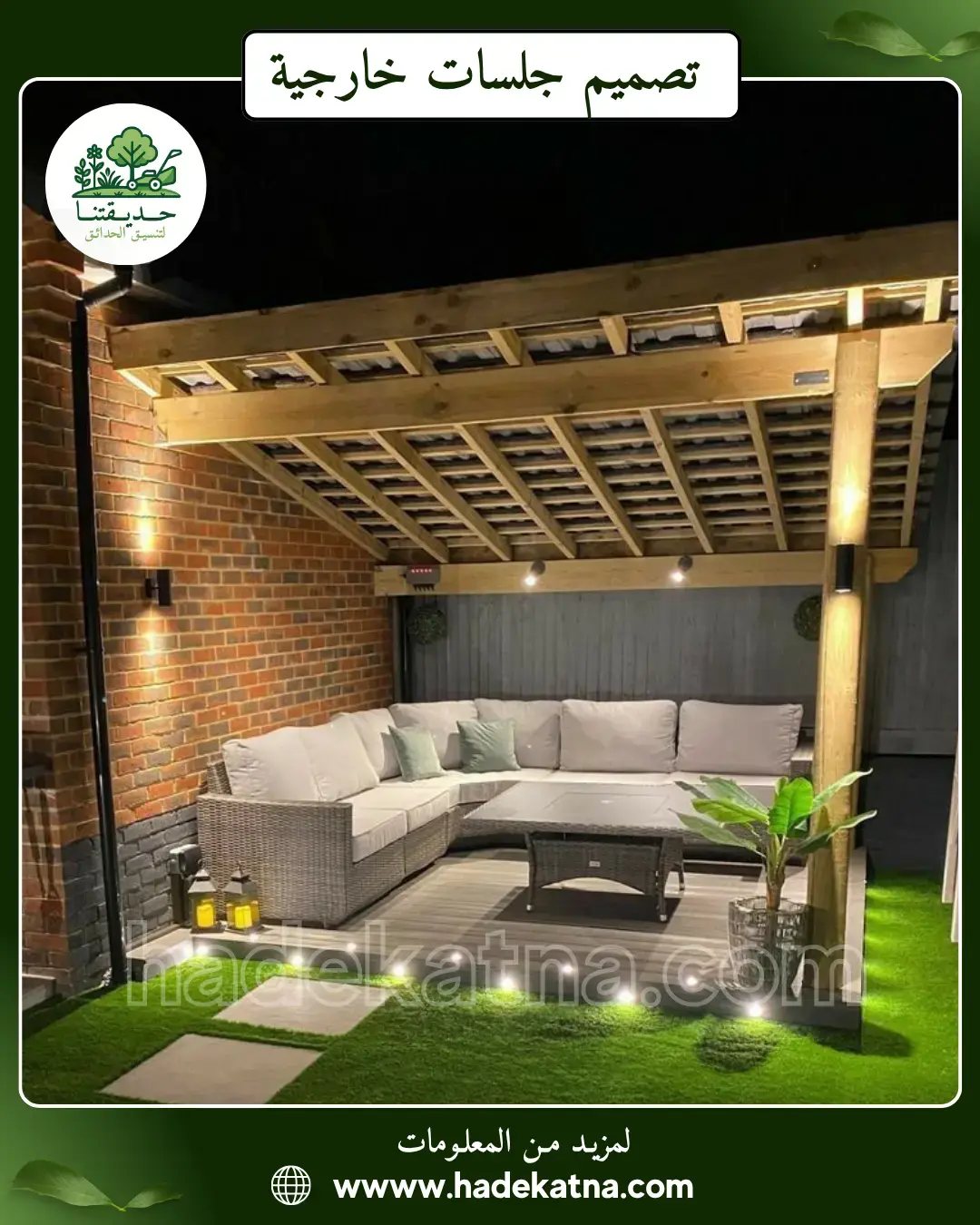
Successful outdoor restaurant seating design depends on the relationship between tables, walkways, and plants more than the appearance of each individual element. The first step is determining an appropriate seating capacity without overcrowding the available area. Adding more tables at the expense of walkways and greenery can make the restaurant feel congested even when the individual decorative elements are attractive. Once the seating zones are established, plants can be incorporated into the layout as functional elements rather than decorative additions introduced at the end.
In some locations, planters can act as visual separators between groups of tables and provide a degree of privacy without requiring solid partitions. However, plant height and density need to be carefully considered so they do not obstruct visibility in areas staff need to monitor or make individual seating zones feel confined. In contrast, very exposed spaces may benefit from carefully positioned greenery that reduces visual emptiness and defines the boundaries of separate seating groups.
Future plant growth should also be considered from the beginning, together with the ability to move or replace certain elements if table arrangements change. Restaurants are dynamic operational environments, which means a flexible landscape design is often more practical than a fixed arrangement that becomes difficult to adapt whenever operational requirements change.
-
Walkway widths and staff service routes should be established first before tables and planters are arranged in a way that prevents unnecessary conflicts between them
-
Plants can provide visual separation in suitable areas without creating excessively dense green barriers that block more of the space than necessary
-
The expected mature size of each plant should be considered so comfortable distances during installation do not become restricted after the plants have grown
-
Planters should be positioned where they do not interfere with opening doors moving chairs serving customers or carrying out routine cleaning
-
A flexible design allows selected seating and planting elements to be rearranged when restaurant requirements change instead of permanently restricting the space to one layout
Restaurant Garden Maintenance
Restaurant garden maintenance is not separate from landscaping because a commercial garden experiences continuous daily use and requires regular attention to maintain its appearance without interfering with customer service. Maintenance should begin by inspecting the condition of plants, soil, planters, and the irrigation system rather than applying exactly the same maintenance procedure to every part of the garden. A plant located near a sunny and windy entrance may have completely different requirements from one positioned in a shaded seating area, which is why maintenance should reflect the actual condition and environment of each section.
The timing of pruning, trimming, and cleaning should also be carefully organized because a restaurant is not a private garden where maintenance waste can remain for hours. Tasks that create movement or debris are better scheduled during less busy periods, with dry leaves removed, planter surroundings cleaned, and any water leaks or pooling addressed as they appear.
Another common mistake is treating maintenance as nothing more than trimming plants to keep them looking neat. Effective maintenance includes observing changes in leaf color, weak growth, soil condition, water drainage, planter stability, and irrigation performance. Identifying a developing issue early is generally easier than waiting until a larger section of the garden is affected and several plants require replacement or rearrangement.
-
Each planting area should be assessed according to its sunlight shade and actual condition rather than following one random maintenance schedule for every plant
-
Routine care should include removing dry leaves inspecting planters and soil checking irrigation and pruning when necessary to keep the space presentable during daily use
-
More disruptive maintenance tasks should be scheduled during quieter periods so equipment and plant debris do not interfere with restaurant customers or normal operations
-
Unusual changes in plant condition should be identified early and their likely cause considered before deciding whether pruning feeding or replacement is appropriate
-
Plant distribution should be reviewed over time because continued growth can alter the original spacing and may require adjustments to protect walkways and seating areas
Landscaping Green Spaces for Cafés

The purpose of landscaping green spaces for cafés is not to cover as much of the available area as possible with plants. Instead, the goal is to create an arrangement where greenery is clearly visible and integrated with the character of the seating area without competing with its primary function. In a small café, using the perimeter and corners may be more practical than placing large planters in the middle of the seating area, while a larger space may accommodate several planting groups that separate seating zones and visually break up an extensive open area.
The choice between permanent planting and movable planters depends on the nature of the site and whether the layout may need to change in the future. Planters can provide greater flexibility in some commercial spaces because they allow the arrangement to be adjusted when tables are added or removed. However, their sizes and positions still need careful planning. Permanent planting requires more precise initial planning because it becomes a lasting part of the site layout.
Variety does not mean collecting the largest possible number of plant species. Using too many plants with different requirements can make maintenance difficult and leave the space visually inconsistent. A more effective approach is to create a coordinated plant selection with compatible sizes, growth habits, and site requirements, then use differences in height and density to create visual depth.
-
Plant groups should be distributed according to café size and seating arrangements instead of positioning planters evenly without considering the purpose of each area
-
Corners and perimeter areas can be used effectively in smaller cafés so greenery remains visible without sacrificing important table and circulation space
-
The choice between permanent planting and movable planters should reflect the venue’s need for flexibility and the possibility of rearranging seating in the future
-
A coordinated group of plants with compatible site requirements is often easier to maintain than a large mixture of species with significantly different care needs
-
Differences in plant height size and density can create organized visual depth without overcrowding a limited outdoor seating area
Preparing Restaurant Terraces with Plants
When preparing restaurant terraces with plants, the terrace should be treated as a space with conditions that differ from a ground-level garden, particularly in terms of sunlight, wind exposure, circulation space, and water management. The first decision should not be which plants look most attractive but which areas genuinely benefit from planting, such as terrace edges, separation points between seating groups, or corners that require visual improvement without interfering with walkways.
Planter weight, dimensions, and stability are details that should not be overlooked, especially in elevated locations or areas exposed to wind. Watering and drainage should also be considered carefully so maintaining the plants does not result in water spreading around tables or leaving floors wet. Selecting an appropriate planter for its intended location is therefore part of the functional preparation of the terrace rather than simply a decorative decision.
Plant choices should be based on terrace conditions throughout the day because an area that is shaded in the morning may receive intense sunlight later. Plants with spreading leaves or branches also require sufficient room so they do not extend into seating areas as they mature. Effective terrace preparation balances the visual value of greenery with operational requirements so the restaurant remains easy to clean organize and rearrange when necessary.
-
Plant locations should be determined after studying table arrangements and walkways so limited terrace space is not consumed by planters that obstruct customer and staff movement
-
The amount of sunlight and wind exposure throughout different hours of the day should be considered before choosing suitable plants for each part of the terrace
-
Planters should be selected according to plant size location stability and watering requirements rather than being chosen solely for their external appearance
-
Water drainage should be planned carefully so irrigation does not result in pooling around planters or water spreading into table areas and circulation routes
-
Sufficient room for future plant growth should be maintained so the terrace remains functional over time without requiring seating areas to be rearranged because plants have expanded
Designing Planting Beds for Restaurants

Successful planting bed design for restaurants should prioritize function before appearance because a planting bed may define the boundary of a seating area, use an empty corner, visually separate tables, or highlight an entrance. For this reason, using the same dimensions and height throughout the restaurant is not always appropriate. A planting bed beside a main walkway has different requirements from one positioned along the edge of a spacious seating area because customer movement, chair clearance, and staff service routes all need to be considered.
The depth and overall dimensions of each planting bed should also correspond to the plants selected and the space required for their development. Choosing a small planting area and later discovering that roots and mature plants do not have sufficient space creates avoidable maintenance problems. Operational considerations are equally important, including access to the soil, irrigation, cleaning, and drainage, because an attractive planting bed that is difficult to maintain can become problematic over time.
Visually, planting beds should relate to the character of the restaurant without relying on excessive decorative detail. Similar designs can be used with carefully varied dimensions according to location. The actual space required when chairs are pulled away from tables should also be considered because a planter that appears comfortably positioned when chairs are tucked in may become an obstacle during normal use.
-
Each planting bed should be sized according to its location purpose and expected plant growth rather than applying one standard dimension throughout the entire restaurant
-
Practical clearance should remain between planting areas and chairs so customers can sit stand and move comfortably while staff can clean without constantly contacting the plants
-
Planting depth and available root space should match the selected species so plants have appropriate room throughout their different stages of development
-
Irrigation drainage and access to the soil should be planned from the beginning because ease of maintenance is an essential part of a functional planting bed
-
Planting beds can organize the space when required rather than being distributed as unrelated decorative features without a clear purpose
Choosing Plants for Outdoor Café Seating Areas
Choosing plants for outdoor café seating areas should not depend only on the appearance or color of a plant because it will be growing in a commercial environment where conditions vary according to location and time of day. The process should begin by identifying sunlight hours, shade levels, air movement, planter position, and available irrigation methods before selecting plants that match those conditions. A plant suitable for a shaded corner may perform very differently when placed along a frontage exposed to strong sunlight.
The mature size of the plant also matters. Some plants are compact when initially installed but may eventually spread into tables or walkways. Plant selection should therefore consider expected size and growth habit rather than current appearance alone. Plants located close to seating areas also require regular attention to dry leaves and extending branches so the immediate surroundings of customer tables remain orderly.
The choice between one visually distinctive plant and several different species depends on the size of the café and its overall landscape concept. Repeating a limited selection of suitable plants can sometimes create a stronger visual identity and simplify maintenance compared with combining numerous species with different requirements. The key question is not which plant looks best at the nursery but which plant suits a particular location and remains practical during everyday café operations.
-
Sunlight shade and air movement should be evaluated at the exact planting location before selecting a plant because environmental conditions can vary considerably across the same café
-
The expected mature size should be considered so branches and leaves do not eventually extend into tables walkways or staff service areas
-
A limited coordinated plant selection is often preferable to combining numerous species with different care requirements that make consistent maintenance more difficult
-
Plants positioned near seating areas should be selected with pruning cleaning and everyday presentation requirements in mind because these areas remain continuously visible to customers
-
Plant selection should be reconsidered when site conditions are unsuitable even if a particular species is visually desirable because suitability is more important than appearance alone
Restaurant and Café Garden Maintenance Contracts

A restaurant and café garden maintenance contract can be useful when greenery is a permanent part of the venue and requires organized attention instead of waiting for a problem to appear before requesting separate maintenance. However, the required tasks should be clearly defined before agreeing to any contract because the term maintenance can cover many different services and may be interpreted differently by each party. The agreement should identify what will be monitored, which routine tasks are included, and how observations or issues between scheduled visits will be handled.
An appropriate maintenance contract should reflect the size of the garden, number of planters, types of plants, irrigation system, and intensity of use rather than setting visit frequency arbitrarily. A restaurant with a small terrace and a limited number of planters does not have the same requirements as a large venue with several planting areas. Recording the condition of the garden at the beginning is also useful so existing issues can be distinguished from routine maintenance needs that arise later.
When comparing a maintenance contract with requesting individual maintenance visits, price alone should not determine the decision. A more meaningful comparison considers the amount of work, required frequency, current plant condition, and the venue’s need to maintain a consistent appearance throughout its operating period.
-
The contract should clearly define included tasks such as routine monitoring pruning cleaning plant inspection and irrigation checks according to the agreed scope of service
-
Maintenance frequency should reflect the size of the space plant types and site conditions instead of applying the same number of visits to every restaurant and café
-
The condition of the garden should be recorded when the agreement begins so existing problems can be separated from routine maintenance requirements that develop later
-
Maintenance proposals should be compared according to their actual scope of work and the needs of the garden rather than selecting an offer based solely on its final price
-
The maintenance program should allow requirements to be reviewed when seasons change plants mature or the arrangement of outdoor seating is modified
Restaurant Landscaping Company in Kuwait
Choosing a restaurant landscaping company in Kuwait requires evaluating its working approach before making an agreement because a commercial landscaping project involves more than supplying plants and arranging them in a single day. A suitable process begins with inspecting the space and understanding the restaurant layout, seating capacity, service routes, sunny and shaded areas, and then developing a clear concept for plant distribution, planting methods, irrigation, and future maintenance. If plant selection begins before the site is properly understood, the appearance may improve temporarily while practical problems emerge later.
When comparing different providers, it is useful to ask about the details of implementation, including which tasks are included, who is responsible for planters, planting, and irrigation, and how the landscaped area will be managed after installation. The proposal should clearly identify work items, quantities, and specifications rather than relying on a general description that makes meaningful cost comparison difficult.
The real value of a landscaping service is not measured by placing the largest possible quantity of plants in the restaurant. It comes from providing a solution that suits the venue and remains practical during daily operations. A carefully planned design protects walkways, matches plants to their environmental conditions, and makes future maintenance manageable after installation.
-
A suitable service begins by inspecting the site and understanding seating walkways and planting conditions before proposing plant locations or quantities
-
Detailed information about work items quantities and specifications should be requested so different proposals can be compared on a similar basis rather than comparing prices for unequal scopes
-
Irrigation and maintenance planning should be evaluated together with the landscape design because long term performance depends on maintaining plants after installation
-
Solutions should remain adaptable if table arrangements change or seating areas expand so the current landscaping does not become an obstacle to future restaurant operations
-
A suitable provider should connect the landscape design to the actual use of the space and explain the purpose of each element instead of recommending plants according to appearance alone
Conclusion
Preparing a successful restaurant or café garden in Kuwait requires looking beyond plants and planters. A commercial outdoor area needs to combine an organized appearance with comfortable movement, plants suited to their locations, and maintenance that can be carried out without disrupting everyday operations. Every decision, from seating design and planter selection to plant choice and maintenance planning, should reflect the actual conditions of the site. Careful planning from the beginning reduces the need for random adjustments later and helps greenery become a functional part of the venue rather than decoration that constantly requires corrective work. When comparing different landscaping solutions, implementation details, maintenance requirements, and the actual needs of the site should be evaluated instead of relying only on appearance or price.
Frequently Asked Questions
What is the most important step before preparing a restaurant or café garden?
The first step is inspecting the space and identifying seating areas, walkways, sunlight and shade conditions, wind exposure, irrigation points, and drainage requirements before selecting plants because these factors determine what is suitable for each part of the site.
Do more plants create a better outdoor seating area?
Not necessarily. A carefully planned number of plants can create a cleaner appearance, maintain walkways and table space, and make maintenance easier than overcrowding the area with too many plant species and planters.
How are suitable plants selected for an outdoor café?
Plants should be selected according to the conditions of the planting location, including sunlight and shade hours, air movement, available space, expected mature plant size, and the irrigation and maintenance methods available at the café.
Is a maintenance contract better than requesting maintenance when needed?
It depends on the size of the space, number of plants, and their maintenance requirements. Commercial spaces that need a consistent appearance and regular attention may benefit from a clearly defined maintenance program, while smaller areas may have different requirements.
What should I check when comparing restaurant landscaping proposals?
Compare the scope of work, quantities, plant and planter specifications, irrigation arrangements, implementation details, and included maintenance rather than looking only at the final price because two proposals may cover very different levels of work.


