

Residential Complex Garden Landscaping in Kuwait
Shared gardens in residential complexes and apartment buildings in Kuwait are important elements that affect the appearance of the property and the comfort of residents. They are not only green spaces around buildings, but also daily-use areas that provide gathering spaces and improve the overall appearance of the residential community.
However, landscaping these shared areas requires a different approach from private gardens because the design must serve a larger number of users and withstand continuous use while remaining easy to maintain.
Therefore, residential complex garden landscaping in Kuwait depends on selecting suitable plants, designing practical outdoor spaces, and preparing irrigation and maintenance systems that preserve the garden’s appearance for a long time.
Residential Complex Garden Landscaping in Kuwait and Choosing the Right Design for Shared Areas
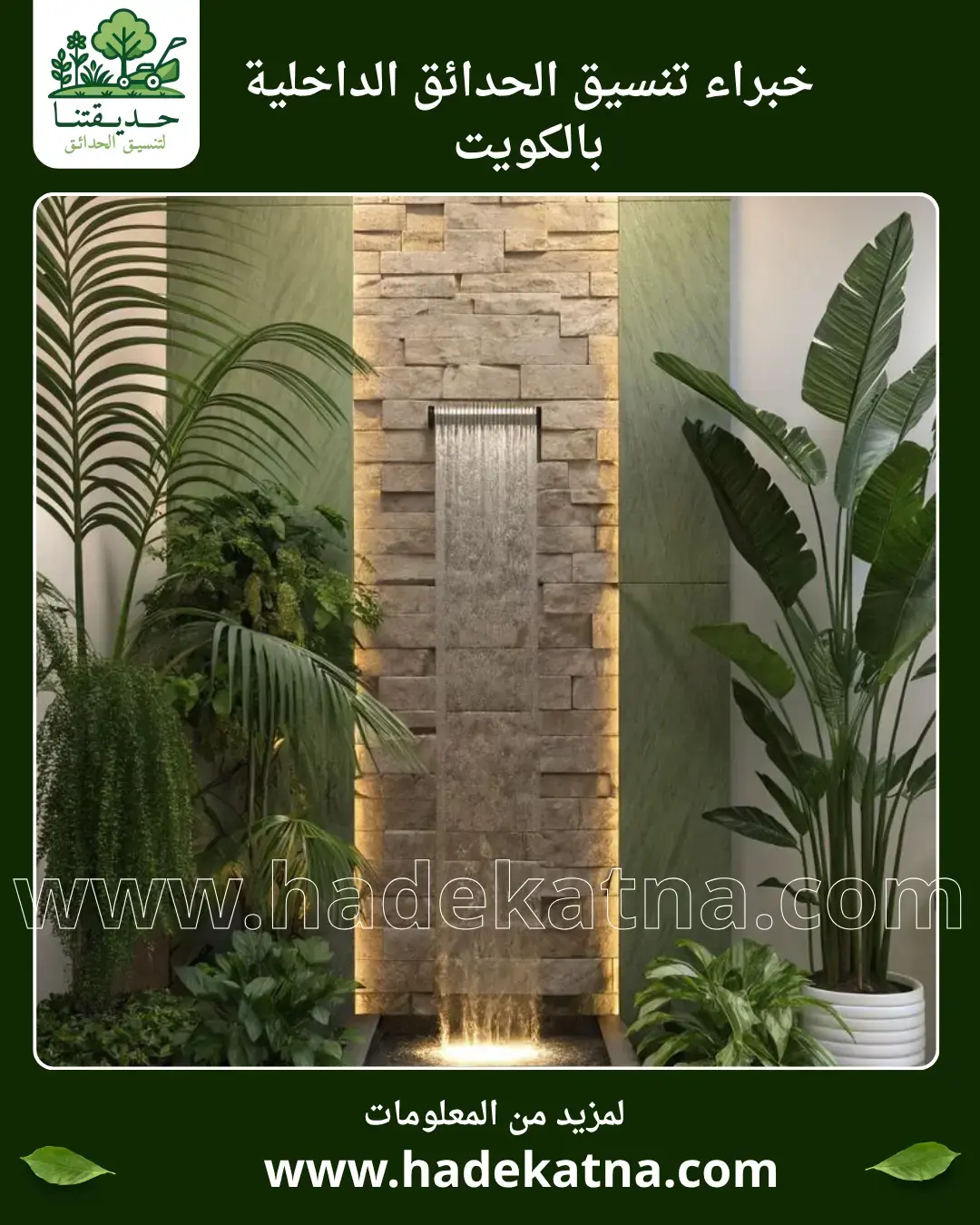
Residential complex garden landscaping in Kuwait is one of the projects that requires careful planning because shared gardens are significantly different from private home gardens. In residential complexes, the garden is not designed for one person only but should serve all residents and meet different needs such as family seating areas, walking paths, and the overall visual appearance of the buildings.
Many residential communities focus on the buildings and entrances, but green spaces are an essential part of the overall environment because they are among the first things residents and visitors notice when entering the complex.
Successful landscaping begins with studying the available land area and determining the best way to use it. Plants, pathways, and seating areas should be distributed properly to create an organized appearance without affecting residents’ movement.
Through practical experience in Kuwait garden landscaping, shared gardens require more practical solutions than private gardens because daily use is higher and outdoor elements need to withstand continuous activity.
Plant selection is one of the most important stages of the design because suitable species should be chosen according to the Kuwaiti climate and their ability to handle heat while maintaining an attractive appearance.
Seating areas or shaded spaces should also be considered according to the size of the complex because residents need comfortable outdoor areas for daily use.
The irrigation system is another essential element because large spaces require organized water distribution to maintain plants and reduce water waste.
Outdoor lighting also plays an important role, especially in complexes with shared areas used during the evening. Proper lighting improves the appearance and provides greater comfort for residents.
Maintenance requirements should be considered from the design stage because choosing elements that require difficult care may make long-term garden management more challenging.
Therefore, residential complex garden landscaping in Kuwait requires a balance between attractive appearance and practical use, creating outdoor spaces that benefit all residents rather than simply adding decorative elements around buildings.
Important points about residential complex garden landscaping in Kuwait:
-
Shared garden designs should suit the needs of a large number of residents.
-
Choosing suitable plants and materials reduces future maintenance requirements.
-
Proper distribution of seating areas, pathways, and lighting makes outdoor spaces more practical and attractive.
Investment Building Garden Landscaping and Improving the Exterior Appearance of Properties
Investment building garden landscaping is one of the factors that helps improve the property appearance and overall value because outdoor spaces are an important part of the residents’ experience and are not simply empty areas around the building.
In investment buildings, garden usage differs from private homes because the space is shared by multiple residents and may be used daily by families, children, and visitors.
Therefore, the design should be practical and capable of handling regular use while maintaining an attractive appearance.
A common mistake is designing investment building gardens based only on planting without considering movement and actual use. This may create visually attractive areas that are not practical.
Through practical experience in Kuwait garden landscaping, the best investment building designs combine green areas, pathways, and seating spaces in a way that serves residents.
Plants should be carefully selected because some types require intensive maintenance and may not be suitable for areas that need easy and regular care.
Attention should also be given to entrances and areas near the building because they directly affect the first impression of the property.
Outdoor lighting is an important element in investment buildings because it improves the overall appearance and increases visibility around entrances and pathways during nighttime.
The irrigation system should also be properly prepared because any issue with water distribution can affect the entire garden appearance.
Flooring and pathways require careful selection as well, especially in areas with continuous daily movement.
The goal of investment building garden landscaping is not only to increase beauty but also to create a practical outdoor space that improves residents’ comfort and maintains the property quality.
Therefore, investment building garden landscaping requires planning that considers usage patterns, movement levels, and required maintenance methods.
Important points about investment building garden landscaping:
-
Investment gardens require designs that withstand daily use.
-
Entrances and pathways are essential parts of successful landscaping.
-
Suitable plant selection reduces maintenance effort and costs.
Apartment Building Courtyard Landscaping in Kuwait and Practical Use of Shared Spaces
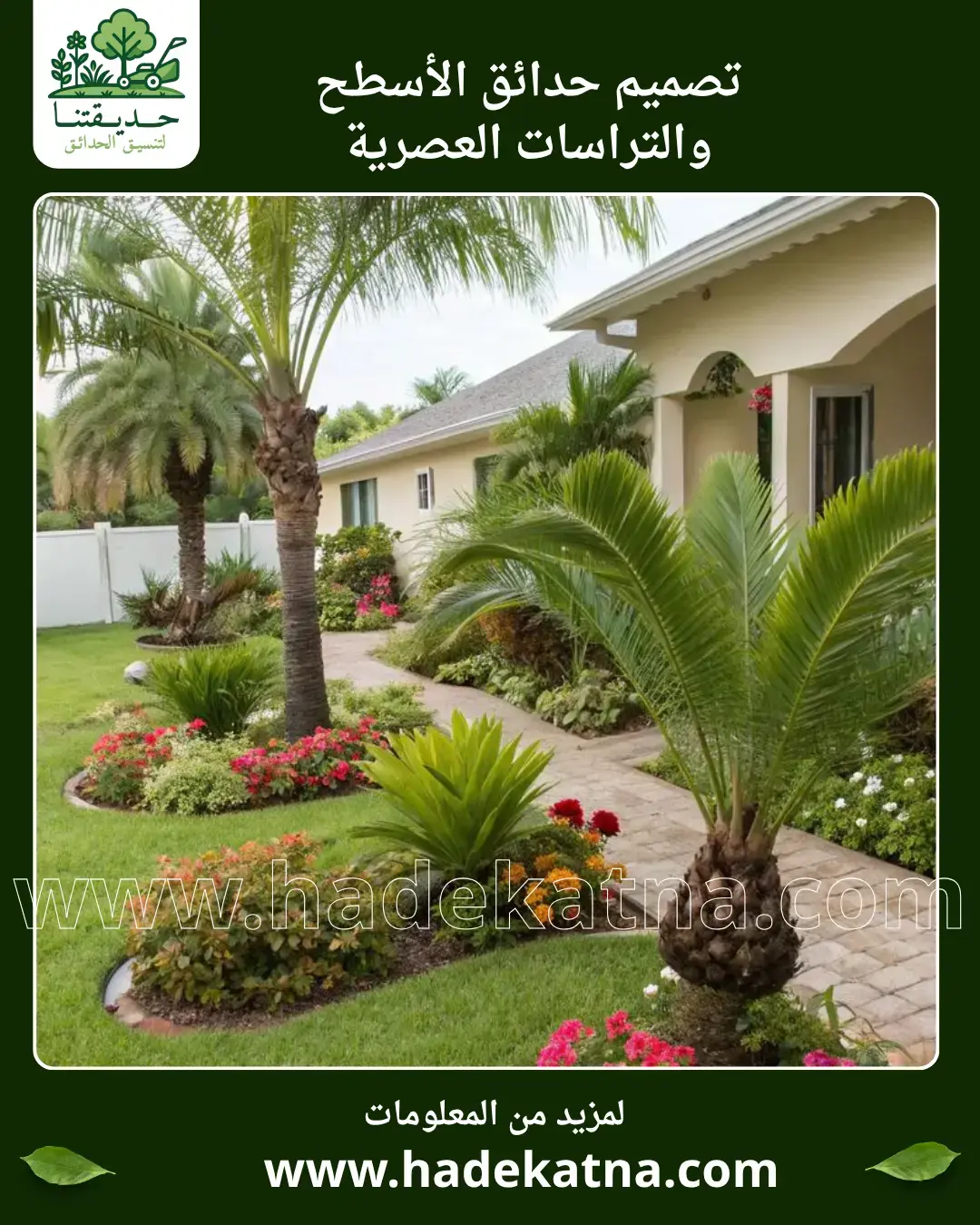
Apartment building courtyard landscaping in Kuwait is an important step in transforming outdoor areas around buildings into useful and attractive spaces for residents. A well-designed courtyard can become a comfortable place for relaxation and gatherings instead of remaining an unused area.
In many buildings, the courtyard is the first area seen by residents and visitors, so its organization directly affects the overall appearance and impression of the property.
Courtyard landscaping requires understanding the available space because some courtyards are small and need smart solutions, while larger areas require proper division into different zones.
Through practical experience in Kuwait garden landscaping, successful courtyards achieve a balance between planting areas and providing enough space for movement and daily activities.
Simple seating areas can be prepared for residents, and organized pathways can be added between different parts of the courtyard while maintaining easy cleaning and maintenance.
Plant selection should match the location, especially in areas exposed to direct sunlight for long periods.
Water drainage should also be considered and planting locations should be selected carefully to prevent future problems.
Outdoor lighting helps make the courtyard more usable during the evening, especially in buildings with many residents.
Maintenance access should also be considered so service teams can easily reach all garden areas.
Therefore, apartment building courtyard landscaping in Kuwait requires a practical design that makes shared spaces more comfortable and beneficial for residents.
Important points about apartment building courtyard landscaping in Kuwait:
-
Proper courtyard use increases the value of shared outdoor spaces.
-
Design should balance planting areas with daily activities.
-
Easy maintenance should be considered from the beginning.
Residential Complex Garden Design and Selecting Suitable Elements for Large Shared Areas
Residential complex garden design requires a different vision from private garden design because the main goal is not only creating an attractive appearance but also preparing an outdoor area that serves a large number of residents and remains practical over time.
Residential complexes usually include different outdoor spaces such as entrances, pathways, areas around buildings, and seating zones. Therefore, the design should provide a clear organization for each area according to its purpose.
One of the most important design steps is studying residents’ movement within the complex because seating areas, planting zones, and pathways should not block entrances, exits, or important service areas.
Through practical experience in Kuwait garden landscaping, successful residential complex designs depend on choosing balanced elements that make the garden attractive while keeping maintenance and management easier.
Tree and plant selection requires special consideration because shared areas need species that can tolerate Kuwait’s climate and suit general public use.
Open spaces and green areas should also be included to create a comfortable environment for residents while arranging plants in a way that improves the overall appearance.
Outdoor lighting is an essential part of the design because it enhances the complex appearance at night and improves visibility around pathways and entrances.
Flooring and walkways should be selected practically because they experience continuous movement from residents, children, and service workers.
Outdoor seating areas should also be considered according to the size of the complex and residents’ needs.
Irrigation and maintenance systems should be included during the design stage because large gardens require organized management to maintain plant quality.
Therefore, residential complex garden design is not only about choosing plants but requires complete planning that combines beauty, functionality, and easy long-term management.
Important points about residential complex garden design:
-
Good design begins by studying residents’ movement and outdoor space usage.
-
Plant and material selection should suit shared areas and continuous use.
-
Planning irrigation and maintenance from the beginning preserves garden quality.
Shared Garden Maintenance Between Buildings and Preserving Green Areas

Shared garden maintenance between buildings is one of the most important stages for preserving residential complex appearance because even a well-designed garden requires regular care to maintain plants and outdoor spaces in good condition.
Shared gardens differ from private gardens because they experience higher usage levels and are exposed to different factors such as resident movement, dust, and weather conditions. Therefore, they require an organized maintenance plan.
One common issue in some residential complexes is focusing only on the installation stage and neglecting regular follow-up afterward. This can lead to declining plant quality and problems with irrigation or cleanliness.
Through practical experience in Kuwait garden maintenance, regular care helps identify problems early before they require larger repair work.
Maintenance tasks include monitoring plant conditions, trimming overgrown parts, cleaning outdoor areas, and ensuring irrigation systems are working properly.
The condition of grass and plants should also be reviewed because color changes or weak growth may indicate problems related to water, soil, or care methods.
Pathways and outdoor seating areas require regular cleaning because they are among the most frequently used spaces within the complex.
Outdoor lighting should be checked periodically to ensure proper operation and maintain the appearance of the area during nighttime.
Removing fallen leaves and plant debris also helps keep the garden organized and improves the overall environment.
A suitable maintenance schedule depends on the complex size, green area coverage, and types of plants used.
Therefore, shared garden maintenance between buildings is not only about cleaning but is a complete process focused on preserving beauty and ensuring continuous usability.
Important points about shared garden maintenance between buildings:
-
Regular maintenance prevents problems from accumulating.
-
Monitoring plants and irrigation helps preserve green spaces.
-
Cleaning pathways and seating areas improves residents’ outdoor experience.
Landscaping Shared Spaces Between Buildings and Improving the Overall Appearance
Landscaping shared spaces between buildings is one of the solutions that improves residential environments by adding natural elements between buildings and transforming empty areas into attractive green spaces.
Areas between buildings are often large and require proper use to avoid becoming unused spaces. They can be transformed into organized green areas that add value to the residential complex.
Selecting trees and plants for these locations requires studying available space, sunlight exposure, and usage patterns because random planting may create movement or maintenance problems.
Through practical experience in Kuwait garden landscaping, successful landscaping of shared areas depends on balancing visual beauty with practical requirements of the residential complex.
Trees can be used to provide shade and improve open spaces, while shrubs and smaller plants complete the design around pathways and entrances.
Proper distance between plants and buildings should also be considered to prevent future issues and allow easier maintenance access.
A suitable irrigation system is essential for maintaining plants, especially in large areas containing different plant types.
Simple seating areas can also be added between green spaces depending on the complex design and residents’ needs.
Landscaping is not only about increasing the number of plants but about creating a more comfortable and organized outdoor environment.
Therefore, landscaping shared spaces between buildings requires planning based on location characteristics and how residents use the area.
Important points about landscaping shared spaces between buildings:
-
Proper landscaping transforms empty areas into useful spaces.
-
Tree selection should consider distance, safety, and future maintenance.
-
Organized plant distribution improves the overall complex appearance.
Preparing Green Areas for Residential Complexes and Creating a Comfortable Outdoor Environment
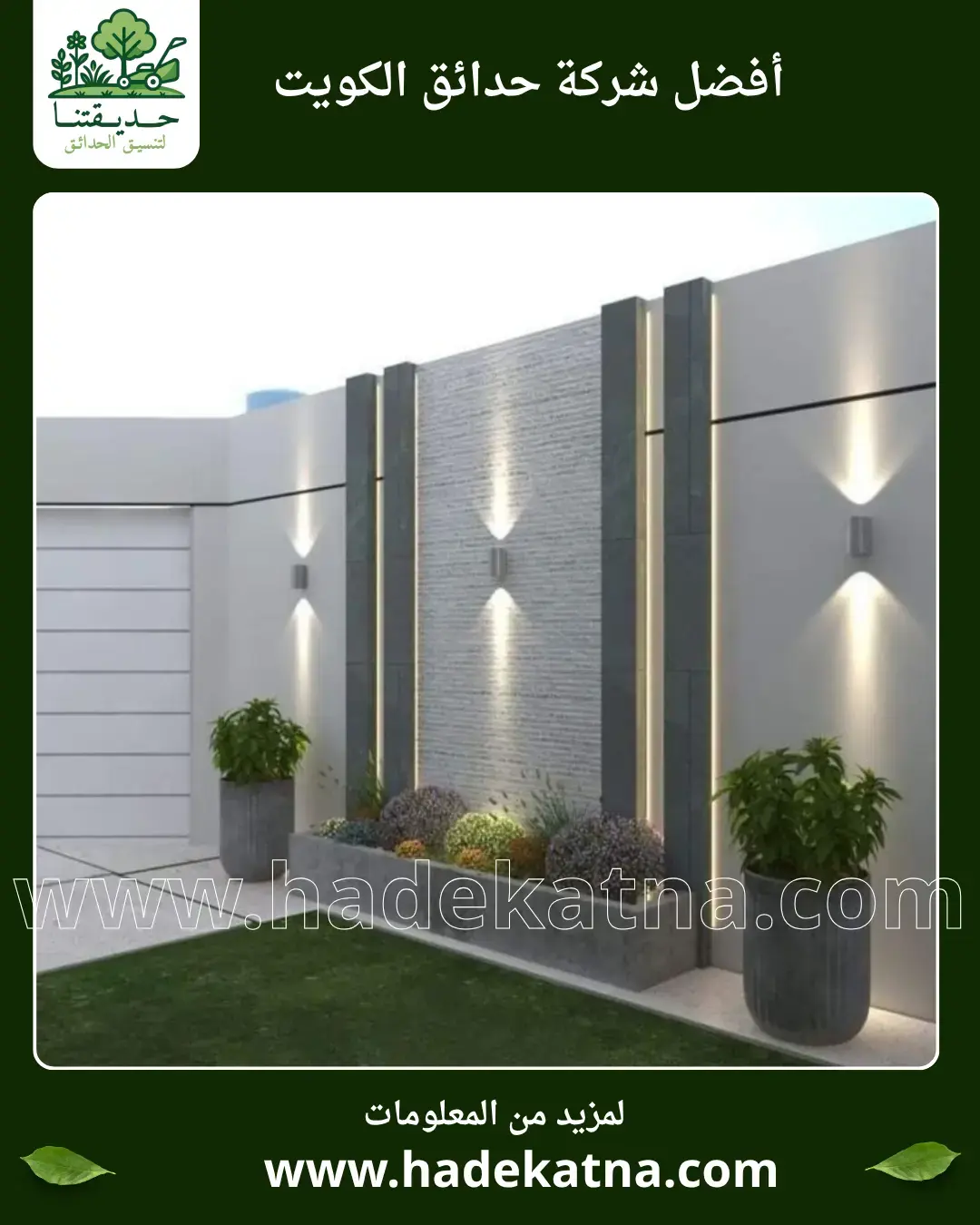
Preparing green areas for residential complexes requires complete organization starting from plant selection and ending with maintenance methods because green spaces are an important part of residents’ daily quality of life.
Before preparing the garden, each area should be assigned a purpose. Some spaces may require decorative planting around entrances, while others may need seating areas or open green zones for residents.
Through practical experience in Kuwait garden landscaping, the best results are achieved when green areas are designed according to residents’ needs rather than only focusing on external appearance.
Plant selection should match Kuwait’s climate while considering water requirements and the ability of plants to handle outdoor conditions.
Soil preparation and irrigation systems should also be designed properly to support plant growth and long-term maintenance.
Outdoor lighting adds significant value to green areas, especially when used to highlight trees, pathways, and important sections of the garden.
Suitable pathways should also be provided to allow residents to move comfortably through green spaces.
In large residential complexes, organizing green areas becomes part of overall property management, so the design should allow easy maintenance and regular follow-up.
Proper planting locations reduce future problems and help keep the garden more organized.
Therefore, preparing green areas for residential complexes requires planning that combines beauty, practicality, and a comfortable outdoor environment for residents.
Important points about preparing green areas for residential complexes:
-
Defining the purpose of each area helps achieve successful design.
-
Climate-suitable plants reduce maintenance requirements.
-
Preparing irrigation and lighting improves garden usability and appearance.
Installing an Irrigation System for an Apartment Building Garden and Ensuring Proper Water Distribution
Installing an irrigation system for an apartment building garden is one of the most important steps for maintaining green areas in residential buildings because shared gardens often include large spaces and different plants that require regular water distribution.
Manual watering is usually not a practical solution for shared residential gardens, especially when the area is large or contains many plants. Therefore, irrigation systems are designed according to the garden requirements.
Before installation, the garden area should be studied and plant locations should be identified because improper water distribution may cause weak growth in some areas or excessive watering in others.
Through practical experience in Kuwait garden landscaping, successful irrigation systems depend on proper planning and selecting components suitable for garden size and usage requirements.
The garden should be divided into different irrigation zones according to plant needs because trees do not require the same amount of water as small plants or grass areas.
Filters and water distribution points should also be maintained to preserve system efficiency and reduce blockage problems.
Sprinklers or drip irrigation components should be selected according to the garden design because some areas require wide coverage while others require targeted watering.
Easy inspection and maintenance access should also be considered because quick repair of issues reduces the impact on plants.
A common mistake is installing an irrigation system without considering future changes, making later modifications more difficult when plants are added or the garden design changes.
Therefore, installing an irrigation system for an apartment building garden requires professional planning to ensure proper water distribution and maintain healthy green spaces.
Important points about installing an irrigation system for an apartment building garden:
-
Irrigation design should depend on garden size and plant types.
-
Dividing irrigation zones improves water efficiency and plant care.
-
Easy maintenance access should be included in the system design.
Residential Complex Garden Maintenance Contracts and Organizing Green Space Care
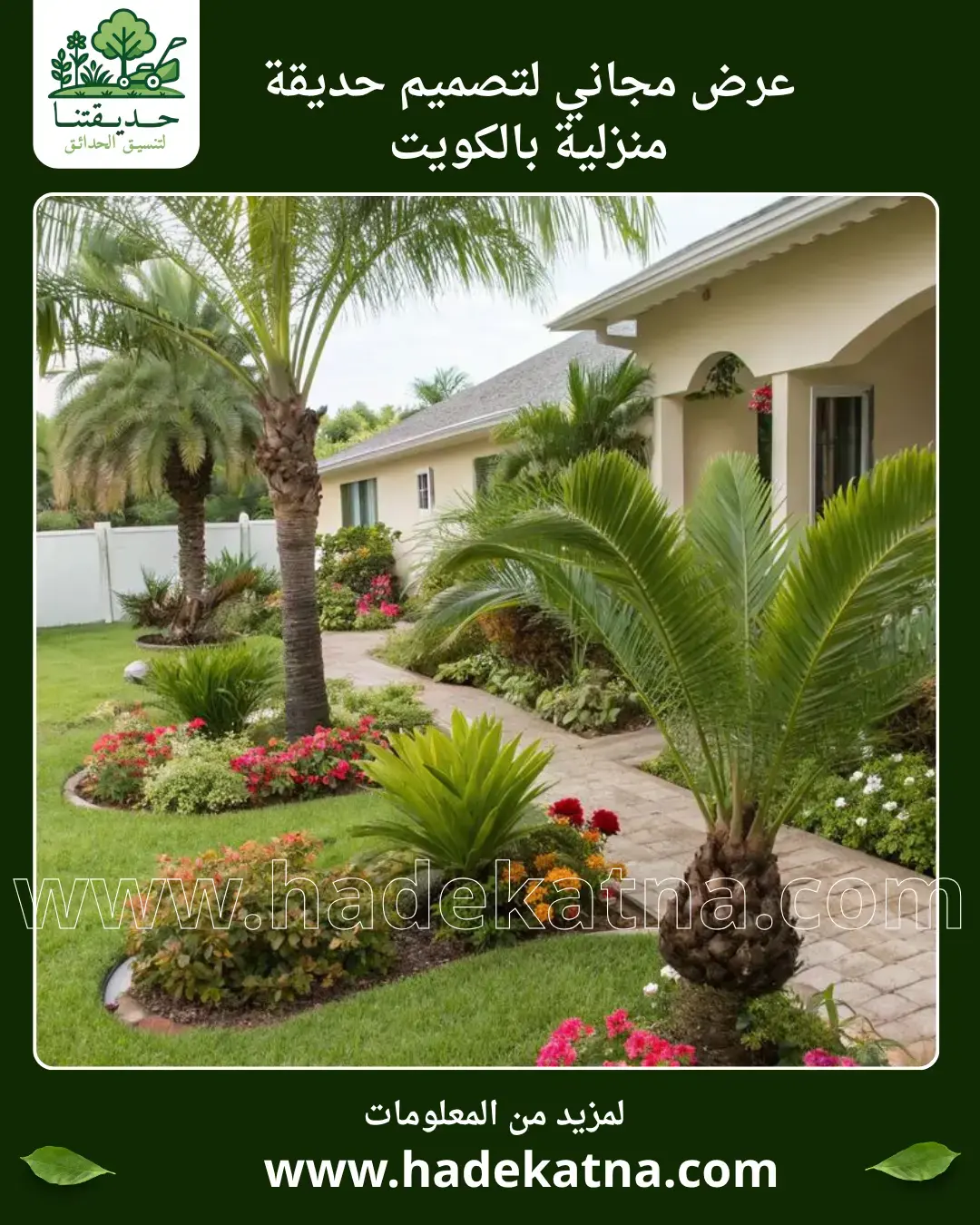
Residential complex garden maintenance contracts are one of the practical solutions that help preserve the quality of shared gardens because large outdoor areas require continuous follow-up to remain organized and ready for residents’ use.
Residential complexes differ from private gardens because they contain multiple areas that require regular attention, such as entrances, pathways, planted zones, and outdoor seating areas. Therefore, having a clear maintenance plan helps organize the work efficiently.
The suitable maintenance contract period depends on the complex size, plant types, and required level of care. Some complexes need more frequent follow-up due to large green areas and continuous daily use.
Through practical experience in Kuwait garden landscaping and maintenance, regular care helps preserve the garden appearance and reduces the need for major repair work.
Maintenance contracts usually include monitoring plants, trimming excess growth, cleaning outdoor areas, and checking irrigation systems according to the needs of the location.
The condition of grass and plants should also be monitored to ensure there are no issues affecting the overall appearance of the garden.
A scheduled maintenance plan helps distribute tasks properly and prevents some areas from being neglected.
In large residential complexes, regular follow-up is important for maintaining a positive impression among residents and visitors.
Maintenance is not only related to appearance but also helps keep outdoor spaces comfortable and suitable for daily use.
Therefore, residential complex garden maintenance contracts are an effective way to organize garden care and ensure the continued quality of shared outdoor areas.
Important points about residential complex garden maintenance contracts:
-
A clear maintenance plan helps organize garden care activities.
-
Regular monitoring identifies problems before they become larger.
-
Suitable contracts help maintain shared outdoor spaces over time.
Landscaping Company for Apartment Buildings in Kuwait and Choosing the Right Team for Residential Projects
Choosing a landscaping company for apartment buildings in Kuwait is an important step when implementing or improving shared gardens because apartment and residential complex projects require experience different from small private garden landscaping.
The right company should understand the nature of residential projects and know how to manage large spaces and different user requirements. The goal is not only creating a beautiful garden but also preparing a practical outdoor area that can be maintained easily.
Before starting the project, the building location, garden size, and expected usage should be studied because these details help determine the suitable design, plants, and irrigation system.
Through practical experience in Kuwait garden landscaping, successful apartment projects depend greatly on the planning stage before implementation because early decisions affect maintenance ease and final results.
A professional company should be able to handle different project stages, starting from green space design and plant selection to irrigation installation and outdoor lighting preparation.
The company should also understand residents’ needs. Some residential complexes may require more seating areas, while others may focus on entrances and the overall exterior appearance of buildings.
Selecting plants and materials suitable for the Kuwaiti climate is one of the important factors in project success.
The company should also provide solutions that reduce future maintenance problems and make garden management easier.
Therefore, choosing a landscaping company for apartment buildings in Kuwait should depend on experience with residential projects and the ability to provide designs that combine beauty and practicality.
Important points about a landscaping company for apartment buildings in Kuwait:
-
Experience in residential projects helps achieve better results.
-
Good planning reduces problems after implementation.
-
Successful designs combine attractive appearance with easy use and maintenance.
Conclusion
Shared residential complex gardens in Kuwait require a different approach from private gardens because they serve a larger number of residents and need designs that can handle continuous use while maintaining an attractive appearance.
Whether the goal is residential complex garden landscaping in Kuwait, improving an apartment building courtyard, or preparing green spaces between buildings, success depends on suitable plant selection, proper irrigation systems, and a clear maintenance plan.
A shared garden is not simply a planted area around a building. It is part of the residential environment and directly affects residents’ comfort and the overall impression of the complex.
With proper design and regular maintenance, outdoor areas can be transformed into organized and comfortable spaces that benefit everyone.
Therefore, investing in residential complex garden landscaping and maintenance helps preserve property value and improve the quality of life inside apartment buildings and residential communities in Kuwait.
Frequently Asked Questions
What is the difference between residential complex garden landscaping and private gardens?
Residential complex gardens require designs that serve more users and handle continuous activity compared with private home gardens.
What are the most important elements of residential complex garden design?
They include plants, pathways, outdoor seating, lighting, and irrigation systems arranged according to the location requirements.
Do apartment building gardens require regular maintenance?
Yes. Shared use and weather conditions require continuous follow-up to preserve garden quality.
How are plants selected for residential complexes in Kuwait?
Plants are selected according to climate conditions, available space, maintenance requirements, and their ability to handle outdoor environments.
Why is an irrigation system important for shared gardens?
It helps distribute water properly and maintains healthy plants across large green areas.
What is the importance of residential complex garden maintenance contracts?
They help organize follow-up work, preserve garden appearance, and reduce future problems.
Can seating areas be added to apartment building gardens?
Yes. Seating areas can be designed according to the available space and residents’ needs.
What should be considered when choosing a landscaping company for apartment buildings in Kuwait?
Experience with residential projects and the ability to provide practical designs suitable for shared outdoor spaces.
Does garden design affect the appearance of an apartment building?
Yes. Green spaces and outdoor landscaping have a clear impact on the overall appearance of the property.
Do green areas between buildings require special design?
Yes. They require proper distribution of plants and pathways to achieve beauty, comfort, and easy use.


