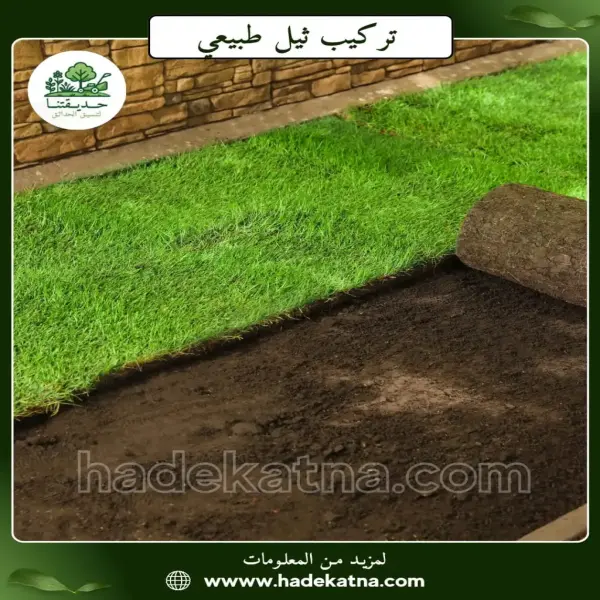

?Why Do Kuwait Residents Choose Natural Grass for Their Gardens
In a fast-paced world filled with growing daily pressures, people seek simple havens that offer them peace and tranquility. That’s where the value of green spaces in our surroundings becomes evident, especially within our homes.
In Kuwait—with its hot and arid desert climate—the home garden has become an integral part of everyday life. Natural grass, also known as turfgrass, is no longer just a decorative ground cover. It has evolved into a vital element that enhances quality of life, beautifies spaces, and brings calmness and freshness.
In this article, we’ll explore why natural grass has become the preferred choice for residents of Kuwait and the environmental, health, and aesthetic benefits it offers.
Why Do People Prefer Natural Grass in Kuwait?
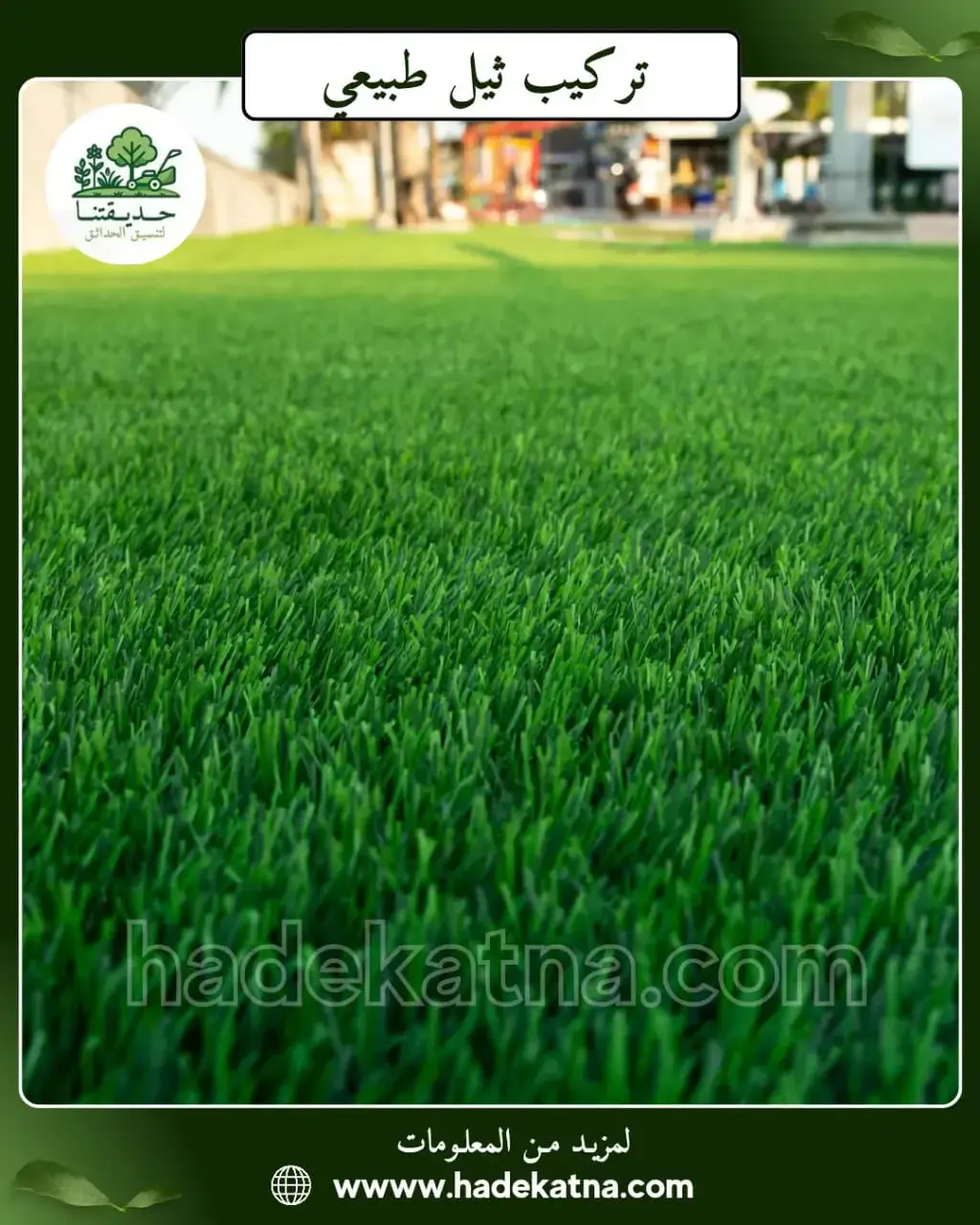
Natural grass is a favored option for many Kuwaitis, especially given the ongoing climate changes and high temperatures for most of the year. Citizens are always seeking sustainable solutions that add beauty to their homes and improve their quality of life—and natural grass achieves just that.
It’s more than just a green carpet on the ground; it plays a functional role in cooling the surroundings and bringing a touch of nature that’s often absent in desert cities.
One of the key reasons people choose natural grass over artificial turf is its resistance to intense heat. Unlike synthetic grass that quickly heats up and fades, natural turf remains cooler and retains its vibrant look. It is also safer for children, free from synthetic materials that might cause allergies or skin irritation.
Furthermore, its lush green appearance soothes the eyes and encourages families to spend time outdoors. In the long run, natural grass is more cost-effective than synthetic turf—provided it is well maintained. That’s why it’s common today to see most home gardens in Kuwait covered in natural grass.
Natural grass is a smart choice for any garden—whether residential or public—thanks to its practical and aesthetic benefits, which are hard to ignore. Here’s why:
The first thing that catches the eye is its vibrant green color, which adds life to the space and transforms an empty area into a comfortable and attractive environment.
One of the main reasons it’s a smart choice is its natural interaction with the environment. It absorbs heat instead of reflecting it like hard surfaces or artificial grass, making sitting or playing on it far more comfortable—especially in summer.
It also improves air quality through the process of photosynthesis, producing oxygen and reducing carbon dioxide levels. This creates a fresh, breathable atmosphere within the garden.
Natural grass also blends harmoniously with other plants and can be easily incorporated into garden designs—whether modern or classic. Plus, maintaining it doesn’t require complicated tools—just regular watering and occasional mowing to keep its beautiful appearance.
All these factors combined make natural grass a practical and smart option for anyone seeking a sustainable green space at home.
How Have Gardens in Kuwait Transformed Thanks to Natural Grass?
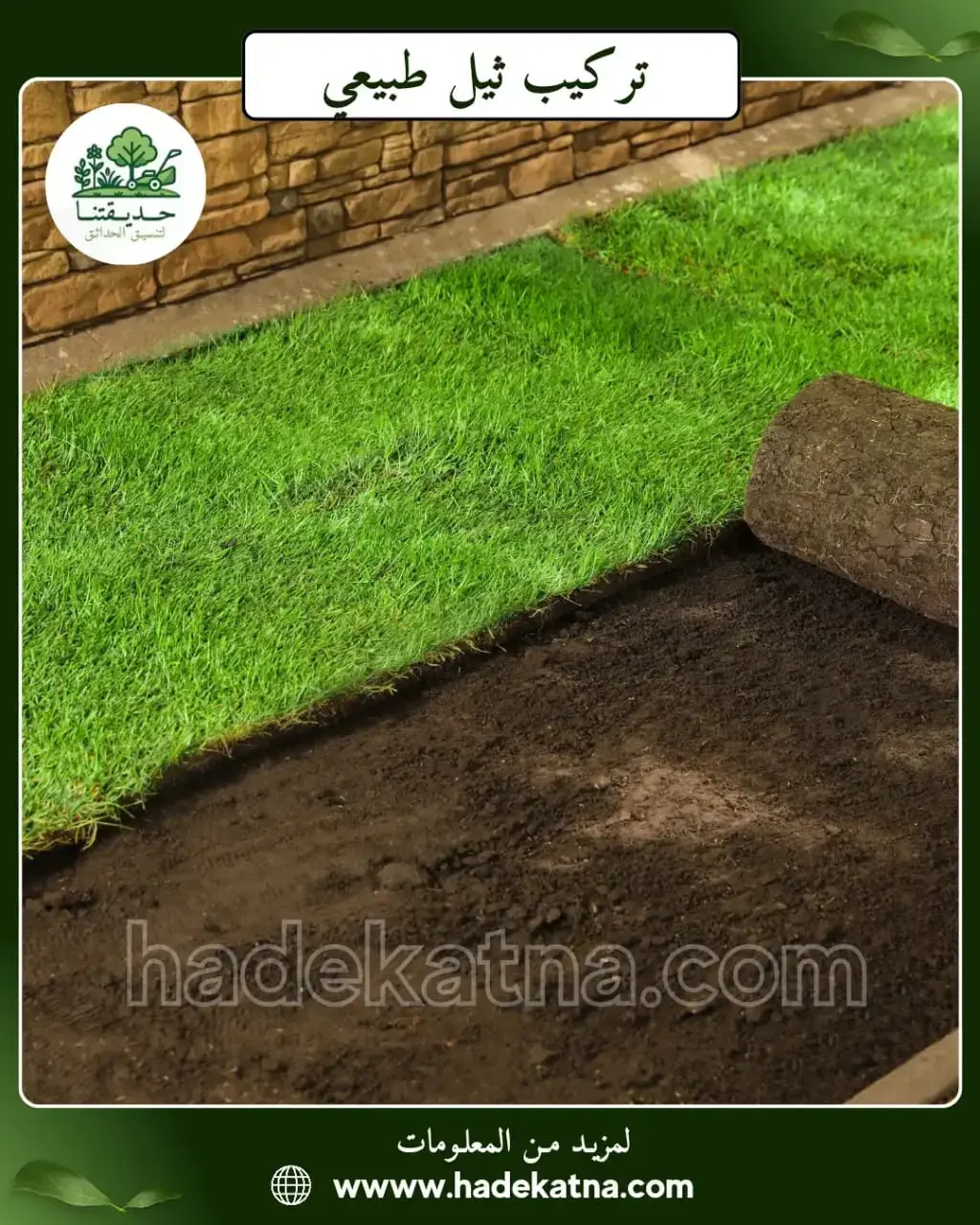
Kuwait’s gardens have undergone a major transformation. Thanks to natural grass, outdoor spaces are now full of life. People have come to see their gardens as essential parts of their daily lifestyle. Here’s how natural grass contributed:
-
Gardens became greener and more vibrant, replacing dry land with soft, eye-pleasing lawns.
-
It created ideal spaces for family gatherings and social occasions—used day and night.
-
It lowered patio temperatures, making gardens more usable during Kuwait’s scorching summers.
-
It enhanced the exterior appearance of homes, giving them a refined and well-maintained look.
-
It encouraged home gardening and the planting of other species, increasing plant diversity.
-
It gave children a safe and inviting environment to play outdoors—reducing screen time.
-
It raised property values, as attractive green gardens are now seen as a key real estate asset.
-
It helped combat desertification and improved the visual appeal of residential neighborhoods.
-
It allowed homeowners to redesign gardens in more beautiful, organized, and livable ways.
-
It turned gardens into personal spaces that reflect family tastes and are used daily—not just on special occasions.
What Is the Relationship Between Natural Grass and Environmental Cooling?
In an extremely hot environment like Kuwait, finding natural ways to cool the air is essential. Natural grass plays an active role in reducing heat and regulating the surrounding microclimate. It’s not just decorative—it’s an intelligent environmental element that offers tangible benefits:
-
It absorbs sunlight instead of reflecting it like tiles or concrete, making the surrounding area cooler and more comfortable to walk or sit on.
-
It contributes to air moisture through the process of transpiration, where the plant releases water vapor, reducing dryness and refreshing outdoor areas.
-
It lowers temperatures around the garden, reducing the need for air conditioners or outdoor fans and helping save on energy consumption.
-
It acts as a natural barrier against high heat, creating a more comfortable zone in the harsh desert climate.
-
It mitigates the urban heat island effect, which is caused by the dominance of concrete and lack of green areas in cities.
-
It provides a more stable microclimate for nearby plants, enhancing their growth and lifespan.
-
It reduces dust and hot air in the yard, creating a softer, more livable atmosphere inside the house even without direct cooling.
-
It encourages people to spend more time outside, even in summer, fostering greater connection with nature.
-
It improves overall family well-being, offering a fresher, cleaner, and less heat-stressed environment.
-
It’s a smart, eco-friendly alternative for those seeking natural cooling without relying on artificial solutions.
Does Natural Grass Really Improve Air Quality?
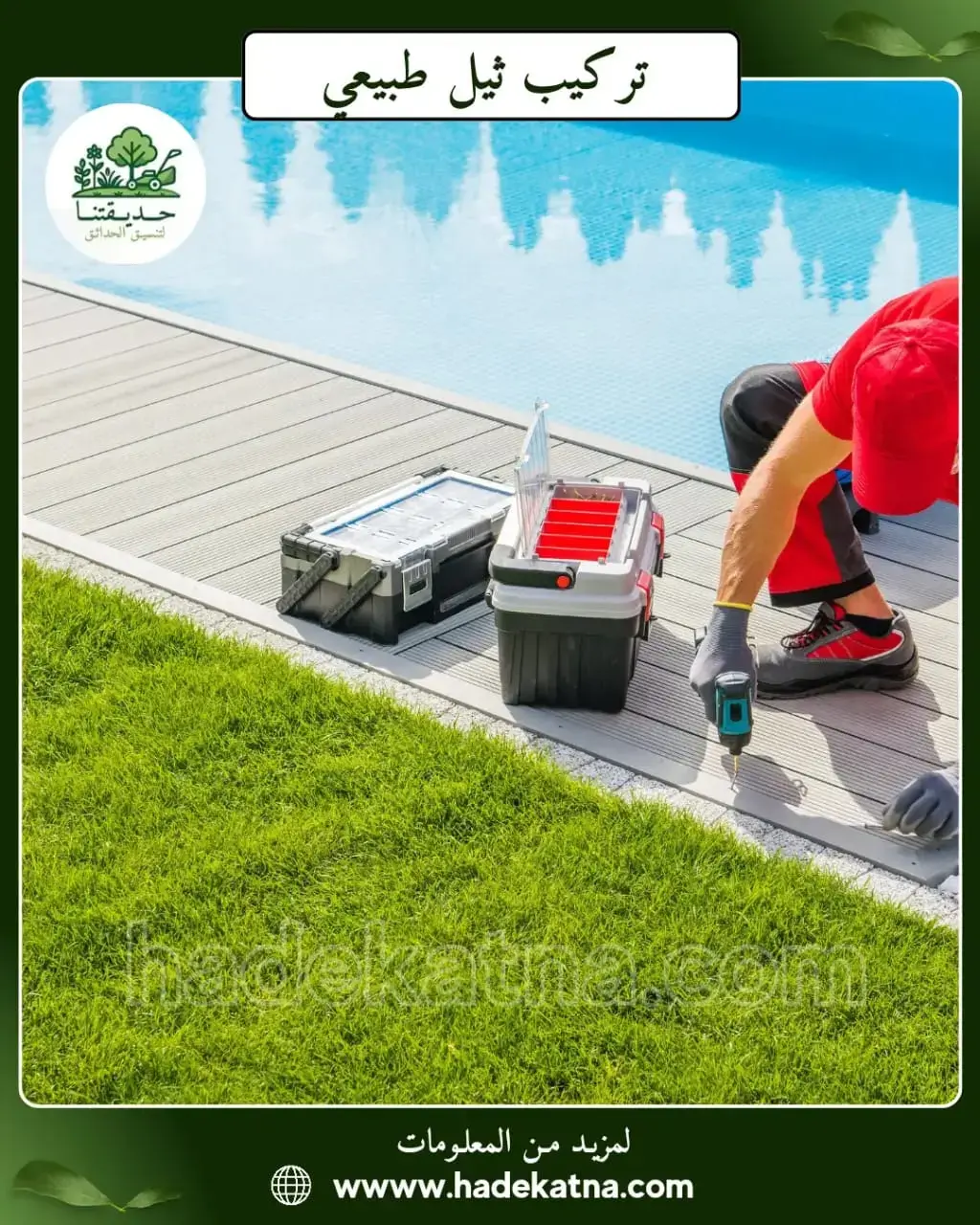
In Kuwait’s dry, desert environment, air quality is a critical concern. Natural grass not only beautifies the garden but also directly impacts air purity, which may explain the psychological and physical comfort it brings indoors.
Here’s how it improves air quality:
-
It filters airborne dust, especially in open spaces or areas near roads.
-
It absorbs carbon dioxide and releases oxygen during photosynthesis, creating a healthier air balance.
-
It reduces airborne pollutants like exhaust fumes and smoke, especially in dense residential areas.
-
It helps humidify the air, reducing the sense of suffocation in dry, hot weather.
-
It decreases harmful gas concentrations, serving as a natural alternative to heat-absorbing hardscapes.
-
It softens unpleasant odors, especially near enclosed spaces or parked vehicles.
-
Its texture and density promote airflow, making the garden feel more refreshing.
-
It reduces respiratory stress, making it ideal for people with asthma or allergies.
-
It’s a natural, eco-friendly air purifier, reducing dependence on artificial devices.
-
It creates a healthier and safer outdoor space for both children and adults who spend time in the garden.
Does Natural Grass Support Biodiversity?
A garden is more than just a green space—it’s a miniature ecosystem. Natural grass plays a vital role in supporting and enhancing that ecosystem. It brings real life back to the environment, encouraging natural interaction between creatures and plants.
Here’s how natural grass enhances biodiversity:
-
It provides a safe, stable habitat for many small creatures, including beneficial insects, bees, and butterflies.
-
It offers a natural refuge for small birds seeking food or nesting spots.
-
It helps develop beneficial microorganisms in the soil, improving fertility and supporting other plant life.
-
It allows for a wide range of plants to grow around it without hindering their development, creating a natural balance.
-
It reduces the need for pesticides, as a balanced environment naturally resists pests.
-
It revitalizes the garden and encourages the growth of native wild herbs often lost in artificial landscapes.
-
It helps stabilize soil temperatures, allowing different forms of plant life to thrive.
-
It restores natural cycles, encouraging interaction between soil, plants, and organisms.
-
It inspires homeowners and small-scale gardeners to adopt sustainable environmental practices.
-
It creates an educational environment for children to observe nature and understand biodiversity firsthand.
How Does Natural Grass Enhance Garden Beauty?
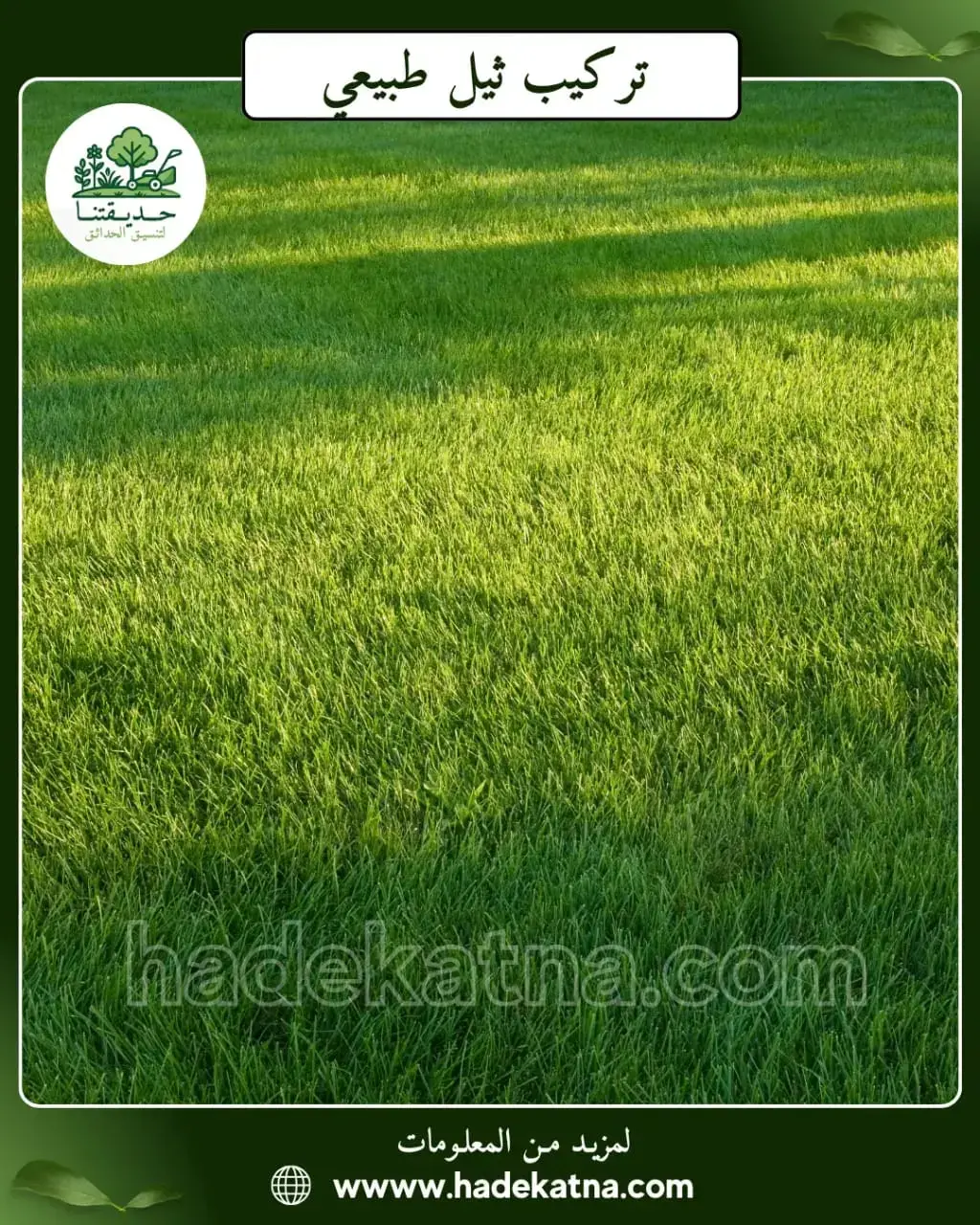
A beautiful garden is incomplete without a lush green base that ties all its elements together. Natural grass adds life, visual harmony, and a touch of elegance. It’s more than a plant—it’s a living design element that reflects the homeowner’s style.
Here’s how natural grass adds visual appeal:
-
Its rich green color is soothing to the eye and keeps the space fresh even in dry seasons.
-
It provides a consistent backdrop for other elements like flowers, trees, and seating areas, making them stand out.
-
It gives a clean, well-kept appearance, showing care and attention to detail.
-
It creates visual contrast with stones, walkways, and hard surfaces, balancing the overall view.
-
It improves photography, making it an ideal setting for events or family gatherings.
-
It adds a warm, natural touch, softening the coldness of tiles or artificial turf.
-
It blends beautifully with garden lighting, making the space look attractive both day and night.
-
It reflects refined taste, especially when trimmed and styled thoughtfully.
-
It adds visual depth, giving the illusion of more space—especially in small gardens.
-
It transforms the yard into a complete natural scene that invites relaxation and enjoyment.
How Does Natural Grass Improve Family Health?
A garden is not just a place for decoration or casual seating—it directly influences the health of the entire family. Natural grass plays a major role in enhancing quality of life both inside and outside the home. Its presence contributes to better mood, reduced stress, and encourages healthy habits.
Here’s how natural grass improves family health:
-
It reduces psychological stress and anxiety with its calming green color and its positive impact on mood.
-
It encourages outdoor time, helping family members disconnect from excessive screen use.
-
It promotes physical activity, including walking, light exercise, and play within the garden.
-
It provides a safe, clean play area for children, free of chemical substances or hard surfaces that may cause injury.
-
It enhances air quality, which reduces allergies and respiratory issues.
-
It strengthens family bonds through shared outdoor activities like gardening, watering, or preparing outdoor seating.
-
It improves sleep quality, especially when family members spend time outdoors before bed.
-
It reduces dependence on indoor spaces, relieving stress associated with prolonged indoor confinement.
-
It fosters environmental awareness in children, helping them connect with nature and develop emotionally and socially.
-
It provides an overall sense of peace and satisfaction, creating a space for calm reflection amid the rush of daily life.
Is Natural Grass a Safe Play Area for Children?
Outdoor play is an essential part of a healthy and balanced childhood, but safety is every parent’s top priority. Natural grass offers an ideal play surface that combines safety, comfort, and fun.
Here’s why natural grass is safe and suitable for children:
-
It provides a soft surface, reducing injury risk from falls—especially during active play.
-
It contains no synthetic chemicals, minimizing risks of skin irritation or respiratory allergies.
-
It doesn’t overheat quickly under sunlight, unlike artificial surfaces, making it safe even during warmer hours.
-
It creates a green, inviting space that encourages movement and active play without limitations.
-
It helps reduce screen time, promoting real-world interaction with the natural environment.
-
It supports various activities, from crawling and walking to running or playing with balls and toys.
-
It allows for easy parental supervision, thanks to its open layout and absence of hard obstacles.
-
It encourages physical development by supporting movement in a natural and safe environment.
-
It makes outdoor play a healthy daily habit, instead of relying solely on indoor activities.
-
It teaches children early appreciation for nature, in a safe and engaging way.
What Is the Impact of Natural Grass Scent on Mood?
Scents are more than just sensations—they’re neurological triggers that directly affect mental health. The smell of fresh, moist, or recently cut natural grass is known to immediately boost mood. Having natural turf in your garden lets you enjoy this experience daily.
Here’s how the scent of natural grass affects mood:
-
It promotes relaxation and calm, reducing stress and anxiety—especially after a long day.
-
It evokes nostalgic memories of childhood and family gatherings, creating a sense of peace and emotional comfort.
-
It boosts the release of happiness hormones like serotonin, due to its direct effect on the nervous system.
-
It alleviates the stuffiness of closed indoor spaces, making the garden feel like a refreshing escape.
-
It stimulates the senses and improves focus, helping you use your garden for work or study.
-
It encourages longer outdoor stays, without needing synthetic fragrances or air fresheners.
-
It’s beneficial for people with anxiety or sleep issues, acting as a natural mood stabilizer.
-
It deepens your connection with nature, promoting mental and emotional balance.
-
It reduces the need for chemical air fresheners, which may negatively affect some people.
-
It creates a pleasant environment for guests, with the fresh, clean scent of nature.
How Does the Green Appearance Transform a Space?
Green spaces don’t just change the view—they change your state of mind. Natural grass doesn’t merely decorate a garden; it transforms the overall atmosphere. The color green alone is powerful enough to elevate psychological and environmental energy.
Here’s how a green look transforms a place:
-
It adds life and vitality, making the garden feel alive and inviting.
-
It improves mental energy indoors, creating emotional balance and peace.
-
It promotes mental relaxation, reducing anxiety and mental fatigue.
-
It transforms outdoor areas into attractive, functional, and even meditative zones.
-
It encourages daily use of the garden, not just during gatherings or events.
-
It increases natural lighting reflection, making spaces feel brighter and more comfortable.
-
It adds visual depth, especially when combined with plants of different heights and colors.
-
It enhances family interaction, as a positive environment encourages bonding and conversation.
-
It improves visitors’ moods, leaving a strong first impression.
-
It simultaneously enhances air and thermal quality, making the home more welcoming.
Why Do We Need Green Spaces in Our Homes?
A home with greenery is entirely different from one without. Green areas are no longer a luxury—they’re a necessity for mental and physical well-being. Natural grass is often the first step toward creating that serene space at the heart of the home.
Here’s why green space is essential at home:
-
It provides a natural escape from concrete surroundings, promoting a sense of openness and freedom.
-
It reduces stress and improves mental health, especially when located near living or sleeping areas.
-
It encourages physical movement, turning outdoor sitting into a healthy daily habit.
-
It supports raising children closer to nature, away from digital isolation.
-
It increases privacy, especially when designed smartly—no need for high walls.
-
It reduces energy use, by affecting the home’s internal temperature and lighting.
-
It supports simple home gardening, like herbs or flowers, boosting your sense of accomplishment.
-
It creates the perfect spot for guests or family gatherings, making moments more relaxed and joyful.
-
It promotes eco-conscious behavior, such as recycling or rainwater harvesting.
-
It adds beauty and spiritual energy to the home, giving it a refreshing personality year-round.
Does Natural Grass Help Cool Temperatures in Summer?
In a climate like Kuwait’s, heat affects daily life significantly. Seeking natural solutions to reduce temperatures is a necessity. Natural grass offers a simple yet effective way to create a cooler, more livable environment at home.
Here’s how it helps with summer cooling:
-
It acts as a natural thermal insulator, absorbing rather than reflecting sunlight—lowering the area’s overall heat.
-
It reduces the “heat island effect”, caused by hard surfaces like cement or tile.
-
It retains soil moisture, softening the air and making it gentler on the body.
-
It allows walking and sitting outdoors, even during peak heat hours, thanks to its cool texture.
-
It minimizes cooling device use, reducing electricity bills.
-
It supports other plant growth, by shielding them from harsh sun exposure.
-
It brings a sense of mental coolness, often felt even before physical relief.
-
It reduces wall heating, which positively affects indoor temperatures.
-
It makes midday use of the garden possible, especially under a tree or pergola.
-
It provides a sustainable and eco-friendly cooling solution, free from energy waste.
What Are the Best Companion Plants for Natural Grass?
Natural grass thrives when surrounded by well-selected plants. The right combination boosts garden beauty and environmental function. A smart mix of natural grass and companion plants creates perfect balance.
Here are great plants to grow alongside turfgrass:
-
Gazania – Bright flowering plant that tolerates heat well and adds vibrant color.
-
Lavender – Aromatic and repels insects naturally; pairs beautifully with green lawns.
-
Rosemary – Evergreen, aromatic, and adds a classic, practical touch.
-
Succulents – Ideal for garden borders; drought-tolerant and modern-looking.
-
Aloe Vera – Hardy, sun-loving, and adds medicinal benefits.
-
Climbing Jasmine – Adds vertical depth with beautiful fragrance.
-
Sage (Salvia) – Drought-resistant flowering herb that blends well with grass.
-
Hibiscus – Produces large, colorful flowers, enhancing visual contrast.
-
Mint – Useful and easy to grow in partially shaded lawn areas.
-
Basil – Aromatic and practical for both garden aesthetics and kitchen use.
How to Start Natural Gardening with Turfgrass?
Gardening is no longer limited to farmers—it’s a lifestyle anyone can adopt, even in a small home space. Natural turfgrass is one of the easiest ways to start eco-friendly gardening. It doesn’t require advanced equipment or complex techniques—just care and love for green life.
Steps to start your green garden with natural grass:
Choose the right turf type for hot climates—like Hassawi or Bermuda grass, both ideal for Kuwait.
Prepare the soil by loosening it and removing debris or stones that hinder root growth.
Use organic fertilizer instead of chemicals to keep the environment safe—especially for kids.
Water early in the morning or after sunset to minimize evaporation.
Avoid pesticides and opt for natural solutions like vinegar or essential oils.
Mow regularly, which stimulates dense, healthy growth and prevents weed spread.
Add native plants, which require less care and adapt easily to the climate.
Leave some areas untouched, letting nature do its balancing work.
Observe your garden regularly, enjoying the life that grows without industrial intervention.
Adopt gardening as a lifestyle, not a one-time project—it’s a long-term journey toward sustainable living.
Frequently Asked Questions about Natural Grass in Kuwait
1. Can natural grass grow in Kuwait’s desert climate?
Yes. Varieties like Hassawi and Bermuda grass are heat- and drought-resistant. With proper soil prep and regular watering, they grow well even in Kuwait’s harsh weather.
2. How often should natural grass be watered?
Ideally 2–3 times a week depending on the season. In summer, more frequent watering might be needed—early morning or evening is best to reduce evaporation.
3. Does natural grass require regular maintenance?
Yes, but maintenance is simple—mowing, watering, and occasional weeding. Fertilizing every month or two helps keep it lush and healthy.
4. How does the cost compare between natural and artificial grass?
Artificial turf has a higher upfront cost but requires less maintenance. Natural grass is cheaper initially but needs regular care. Over time, it’s more cost-effective and offers unmatched natural beauty.
5. Can natural grass be combined with other plants?
Absolutely! Combining it with plants like lavender, rosemary, or gazania improves garden aesthetics and boosts biodiversity.
Caring for a garden is not a luxury—it’s a true investment in mental well-being, health, and the environment. Natural grass has become the preferred choice for many people in Kuwait because it offers more than just visual beauty. It contributes to cleaner air, lower temperatures, and creates a comfortable, safe space for the whole family.
Starting a natural garden with turfgrass doesn’t require advanced skills—just a simple decision and a love for nature.
Whether you’re seeking a peaceful retreat, a safe play area for your children, or simply a beautiful natural view from your home, natural grass is your first step toward a more balanced and harmonious lifestyle.
Start today—give your home a truly green touch.


