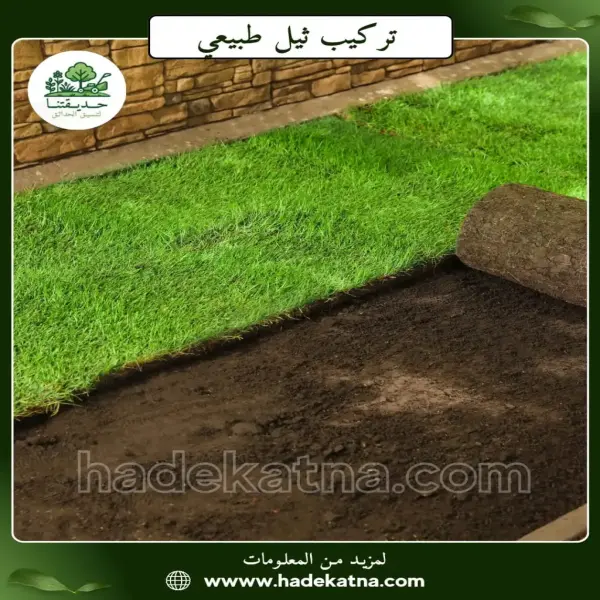
Why Natural Grass Turns Yellow After One Month and How to Prevent It
Installing natural grass gives gardens a beautiful and lively appearance, but some homeowners in Kuwait face a sudden problem a few weeks after planting: the grass color starts changing to yellow.
The appearance of natural grass yellowing after installation does not always mean that the grass has failed or that the planting process was unsuccessful. In many cases, it is caused by mistakes in irrigation, soil conditions, fertilization, or improper care methods that do not match the needs of new grass.
Understanding the causes of this problem from the beginning helps treat it quickly and protects the lawn before serious damage occurs.
Proper care during the first month after installation is considered the most important stage for root establishment and maintaining a healthy green lawn.
Natural Grass Yellowing After Installation and Reasons Behind Color Changes During the First Month
Natural grass yellowing after installation is one of the most common problems faced by homeowners in Kuwait after installing new garden lawns, especially during the early stage when the grass is still developing its roots and adapting to the new environment.
Many homeowners believe that grass color changes after installation mean the lawn has failed or that the grass type is unsuitable. However, yellowing can happen for several reasons and most cases can be treated if the actual cause is identified correctly.
After natural grass installation, the lawn needs time for roots to connect with the soil and begin absorbing water and nutrients efficiently. During this stage, grass becomes sensitive to any mistake in care practices.
Through practical experience in Kuwait landscaping, the most common causes of grass yellowing after installation are related to incorrect irrigation, excessive watering, poor watering schedules, or insufficient soil preparation before planting.
Some homeowners believe that increasing water amounts helps grass grow faster, but excessive watering can suffocate roots and reduce oxygen availability, causing grass weakness and color changes.
On the other hand, insufficient watering prevents roots from establishing properly, especially with Kuwait’s high temperatures, causing the grass to lose vitality and develop yellow areas.
Soil quality also plays an important role. Soil with poor drainage or unsuitable structure may create continuous problems even when irrigation is properly managed.
Early cutting or incorrect mowing methods can also stress new grass and affect its growth.
Another important factor is using unsuitable fertilizers during the early stage because new grass requires balanced nutrition rather than large amounts of fertilizer.
Therefore, dealing with natural grass yellowing after installation should begin by identifying the actual cause instead of simply changing watering amounts or adding random treatments.
The first month of care is the most important period because it determines the ability of grass roots to establish strongly and maintain a healthy green appearance for a long time.
Important points about natural grass yellowing after installation:
-
Color changes after planting may result from simple problems that can be corrected.
-
Overwatering or underwatering are among the most common causes of weak new grass.
-
The first month determines successful root establishment.
Causes of Natural Grass Yellowing and Factors Affecting New Lawn Health
The causes of natural grass yellowing are different, so there is not one single reason responsible for lawn color changes. The entire garden condition should be evaluated to identify the main issue.
One of the most common causes is weak irrigation performance or uneven water distribution, where some areas receive excessive water while other sections suffer from dryness.
In Kuwait, high temperatures are an important factor affecting natural grass health, especially during summer when newly planted lawns require careful monitoring to avoid heat stress.
Soil condition and preparation before installation also have a major impact on lawn success. If soil drainage is poor or the soil structure is unsuitable, yellowing may appear even with proper irrigation.
Through practical experience in landscaping projects, checking soil conditions before installation helps reduce many future lawn problems.
Nutrient deficiency may also affect green color, but adding fertilizer randomly is not always the solution because excessive nutrients can damage grass instead of improving its condition.
Pressure from heavy use or walking on new grass before roots become established can also weaken the lawn.
Some homeowners mow new grass too early to improve appearance, but this may stress the lawn if it is not ready.
Plant diseases or soil insects can also be hidden causes behind grass yellowing.
Therefore, understanding the causes of natural grass yellowing requires observing all factors surrounding the lawn rather than focusing on only one issue.
Correct diagnosis saves time and costs because treating the real cause restores grass health more effectively than temporary solutions.
Important points about causes of natural grass yellowing:
-
Irrigation, soil, and nutrition are major factors affecting lawn color.
-
High temperatures require proper care methods in Kuwait.
-
Correct diagnosis prevents using treatments that may worsen the problem.
Natural Grass Turns Yellow After Planting and Care Mistakes That Cause the Problem
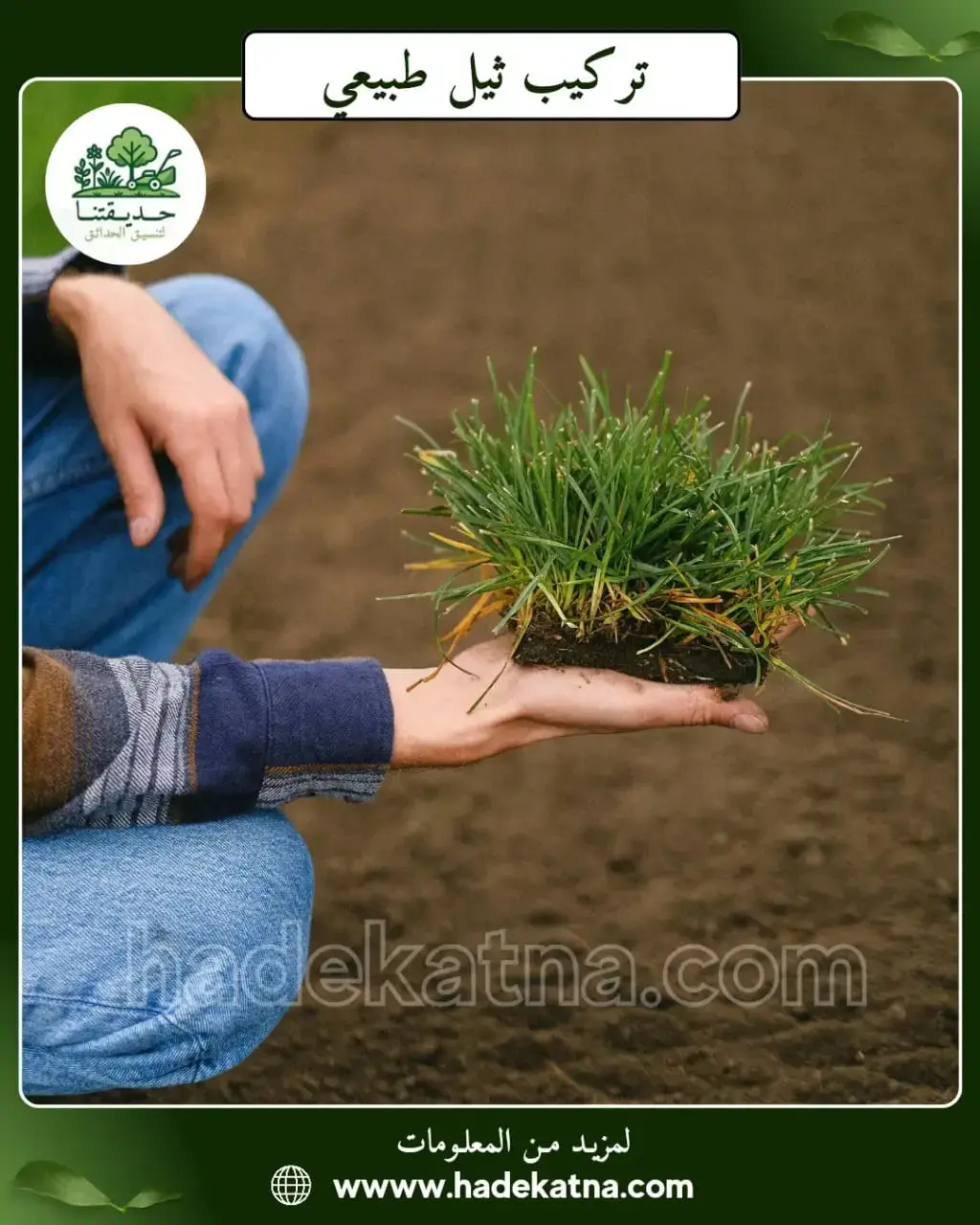
The issue of natural grass turning yellow after planting is one of the most concerning problems for homeowners, especially after installing a new garden and expecting immediate green and stable results.
However, new grass goes through a transition period after planting because roots need time to adapt to the new soil and begin normal growth.
One of the most common mistakes causing yellowing is irregular watering, where grass is left dry for a period and then flooded with excessive amounts of water.
This method stresses roots and prevents strong establishment.
Some people also apply large amounts of fertilizer immediately after installation, believing it will speed up growth, but new grass requires suitable nutrition according to its condition.
Through practical experience in Kuwait gardens, the best results come from allowing grass to establish naturally while providing suitable conditions instead of applying excessive treatments.
Walking frequently on new grass should also be avoided during the early stage because pressure before root establishment may weaken certain areas.
Planting time also affects results. Installing grass during periods of extreme heat requires more attention to irrigation and protection from stress.
Leaving grass clippings or debris for long periods may also affect light and airflow reaching the lawn surface.
Therefore, the problem of natural grass turning yellow after planting can often be prevented by following simple steps based on patience and proper care.
New grass requires balanced attention rather than excessive intervention that may cause additional damage.
Important points about natural grass turning yellow after planting:
-
The establishment stage requires balanced care, not excessive treatments.
-
Early heavy usage or over-fertilization may weaken grass.
-
Proper patience and monitoring improve planting success.
Treatment of Natural Grass Yellowing and the Correct Steps to Restore Green Color
Treatment of natural grass yellowing requires identifying the actual cause before starting any solution because color changes may result from underwatering, overwatering, poor soil conditions, or nutrition problems. Therefore, the appropriate treatment depends on the lawn condition.
The first step in treatment is a complete inspection of the grass, including checking whether yellow areas are spread throughout the garden or limited to specific sections.
If yellowing appears only in certain areas, the cause may be related to uneven water distribution or irrigation system problems.
However, if the entire lawn is affected, the reason may be related to soil condition, nutrient deficiency, or stress caused by high temperatures.
Through practical experience in Kuwait garden maintenance, adjusting irrigation is one of the first steps reviewed when grass yellowing appears because natural grass is highly sensitive to water balance.
The soil should also be checked to ensure proper drainage because water accumulation around roots can reduce nutrient absorption and cause grass to lose its green color.
In some cases, grass may require suitable nutrients, but fertilizer selection and application should be based on lawn condition rather than random use.
Soil aeration can also help improve the movement of air and water toward roots, especially in gardens where soil has become compacted due to continuous usage.
Damaged sections should be removed when necessary, and new growth should be monitored to evaluate improvement after treatment.
Therefore, treatment of natural grass yellowing does not depend on one solution but on several steps that begin with diagnosis and continue by providing suitable growing conditions.
The earlier the problem is treated, the higher the chance of restoring the grass without needing complete replanting.
Important points about treatment of natural grass yellowing:
-
Identifying the real cause is more important than using quick treatments.
-
Adjusting irrigation and soil conditions are key recovery steps.
-
Early treatment increases the possibility of saving damaged areas.
Natural Grass Yellowing in Summer and Reasons Heat Affects Lawn Health

Natural grass yellowing in summer is a common problem in Kuwait due to high temperatures and strong sunlight, as natural lawns face conditions that require different care compared with other seasons.
During summer, water evaporation from soil increases, making accurate irrigation management essential to prevent grass stress.
However, excessive watering is not the solution because too much water combined with high temperatures may damage roots and weaken the lawn.
One of the main reasons behind summer grass yellowing is heat stress, especially in open areas exposed to direct sunlight throughout the day.
Mowing grass too short during hot periods can also increase stress because maintaining suitable grass height helps protect roots and reduce moisture loss.
Through practical experience in Kuwait landscaping, irrigation management during summer is one of the most important factors for maintaining green lawns.
Soil condition should also be monitored because extremely dry soil or poor drainage can create different problems affecting grass health.
Choosing a grass type suitable for the local climate also helps reduce the impact of high temperatures.
Some grass varieties are more resistant to hot conditions, so selection should depend on garden location and intended usage.
Therefore, dealing with natural grass yellowing in summer requires a proper care plan that includes correct irrigation, suitable mowing, and balanced nutrition.
Maintaining grass during summer is not only about increasing water amounts but about understanding lawn needs under difficult weather conditions.
Important points about natural grass yellowing in summer:
-
High temperatures increase the need for regular lawn monitoring.
-
Excessive watering may create problems similar to insufficient watering.
-
Choosing suitable grass varieties improves heat tolerance.
New Natural Grass Care and the Important Steps After Installation
New natural grass care is one of the most important stages that determines garden success after installation because the first weeks are a sensitive period when grass needs suitable conditions for root establishment and healthy growth.
After installation, attention should focus on creating an environment that helps roots connect with the soil through proper irrigation and continuous monitoring.
A common mistake is treating new grass like a fully established lawn by using it, mowing it, or fertilizing it in ways that do not match its early growth stage.
During the initial period, grass requires regular watering that maintains soil moisture without creating water accumulation.
Walking frequently on newly installed grass should also be avoided until roots become properly established.
Through practical experience in Kuwait landscaping, the success of natural grass depends greatly on the care methods followed during the first month after installation.
Any unusual signs such as color changes, weak growth, or dry areas should be monitored carefully.
Cleaning the lawn and removing leaves or debris helps maintain proper airflow and sunlight exposure.
Mowing should also begin only when grass reaches the suitable height because early cutting may stress the plant.
Proper early care reduces future effort because grass with strong root establishment becomes more capable of handling heat and regular usage.
Therefore, new natural grass care is an important investment for maintaining a strong and attractive lawn.
Important points about new natural grass care:
-
The first month after installation is the most important period for root establishment.
-
Regular watering is better than irregular watering patterns.
-
Avoiding early heavy usage protects grass strength.
Watering Natural Grass After Installation and the Correct Method for Root Growth

Watering natural grass after installation is one of the most important factors determining planting success because water helps new roots adapt to the soil and supports early growth.
However, watering should be balanced because incorrect amounts may create opposite results.
During the first days after installation, grass requires careful monitoring to maintain suitable soil moisture, especially in Kuwait’s hot climate where soil loses moisture quickly.
However, continuous excessive watering may cause water accumulation and weaken roots.
Through practical experience, the best approach is monitoring soil condition rather than following only a fixed schedule because garden needs vary depending on location, sunlight exposure, and soil type.
The irrigation system should also be checked to ensure water reaches all grass areas equally because dry sections often appear when water distribution is uneven.
Inspecting sprinklers or irrigation equipment after installation helps detect problems before they affect lawn health.
Adjusting watering schedules according to seasonal changes also supports better grass condition.
Therefore, watering natural grass after installation requires balance between providing enough moisture and avoiding excessive irrigation that creates problems.
Important points about watering natural grass after installation:
-
Proper watering helps roots establish successfully.
-
More water is not always better for natural grass.
-
Equal water distribution maintains consistent lawn color.
Fertilizing New Natural Grass and the Correct Way to Feed Lawn After Planting
Fertilizing new natural grass is an important step that helps strengthen the lawn and improve growth, but fertilizer application must be managed carefully because newly installed grass is still in a sensitive stage and does not require random amounts of nutrients.
Some homeowners believe that adding more fertilizer after installation will quickly produce a greener lawn. However, this approach may cause problems such as weak roots or burned grass tips, especially when using unsuitable fertilizer types or excessive quantities.
During the first stage after planting, the main goal is to support root establishment rather than only forcing rapid growth.
Through practical experience in Kuwait landscaping, a successful fertilization program depends on understanding soil condition, grass type, and surrounding environmental factors.
Before applying fertilizer, it is important to confirm that grass yellowing is not caused by irrigation problems or poor drainage because adding nutrients will not solve water-related issues.
Choosing the right fertilizer type helps provide the elements needed to maintain green color and support healthy grass development.
Fertilizer should be distributed evenly across the lawn area and not concentrated in specific sections because uneven nutrition may create differences in grass color and growth.
The lawn condition should also be monitored after fertilization to evaluate its response and avoid repeating the same problem.
Therefore, fertilizing new natural grass should be part of a complete care plan that includes proper irrigation, suitable soil conditions, and regular maintenance.
Healthy grass does not depend only on fertilizer but on providing all conditions required for natural growth.
Important points about fertilizing new natural grass:
-
More fertilizer does not always mean better grass growth.
-
Fertilizer selection should depend on soil and lawn condition.
-
Successful fertilization requires balance with irrigation and maintenance.
New Grass Turns Yellow After Installation and Causes During the First Weeks
The problem of new grass turning yellow after installation is one of the most concerning issues for homeowners, especially after creating a new garden and expecting an immediately stable green appearance.
However, newly installed grass goes through a transition stage after planting because roots need time to adapt to the new soil and begin normal development.
One of the most common causes of yellowing is irregular irrigation, where the lawn receives less water than required or excessive water that affects root health.
Changes between the original growing environment and the new garden location may also create temporary color changes until the grass adapts to its new surroundings.
Through practical experience in Kuwait gardens, some early yellowing cases after installation are normal and can improve simply by adjusting care methods during the initial period.
However, continuous yellowing requires a complete inspection to confirm that there are no issues with soil, nutrition, or irrigation systems.
Strong fertilizers or pesticides should not be used without identifying the actual cause because they may increase grass stress.
Choosing an experienced professional for natural grass installation helps reduce these problems from the beginning because soil preparation and installation methods directly affect final results.
Therefore, new grass turning yellow after installation does not always indicate planting failure. It requires proper evaluation and treatment of the real cause.
Important points about new grass turning yellow after installation:
-
Initial yellowing may be part of the adaptation stage.
-
Long-lasting problems require identifying the actual cause.
-
Proper post-installation care determines lawn success.
How to Keep Natural Grass Green and Maintain Lawn Color Throughout the Year
Many homeowners ask how to keep natural grass green and maintain a beautiful lawn appearance, especially under Kuwait’s climate conditions. The answer depends on several factors rather than one single action.
Maintaining green grass begins with selecting a lawn type suitable for the local environment because some varieties are more capable of handling heat and continuous usage.
After that, proper irrigation becomes essential. Grass requires suitable water amounts according to season and soil condition, not simply more frequent watering.
Correct mowing methods also help maintain healthy grass because cutting too short or allowing grass to become excessively tall may affect its strength.
Through practical experience in Kuwait landscaping, gardens that receive regular maintenance programs are more capable of maintaining green color compared with gardens that are only treated after problems appear.
Soil aeration and removing debris from the lawn surface also help improve airflow and sunlight access.
Balanced nutrition plays an important role as well, but it should be part of a suitable fertilization program rather than random fertilizer application.
Monitoring early warning signs such as yellowing or weak growth allows problems to be treated before they spread.
Therefore, knowing how to keep natural grass green depends on combining proper irrigation, suitable fertilization, regular mowing, and continuous maintenance.
A beautiful green lawn is the result of balanced care, not a single treatment applied once.
Important points about how to keep natural grass green:
-
Choosing suitable grass varieties improves garden success.
-
Irrigation, mowing, and nutrition should be balanced.
-
Regular maintenance prevents major lawn problems.
Conclusion
Natural grass yellowing one month after installation does not always mean that the lawn has failed or requires complete replacement. In many cases, the reason is related to early care methods or an issue that can be corrected.
Understanding the causes of natural grass yellowing, proper irrigation methods, and correct fertilization practices helps maintain healthier and greener lawns.
In Kuwait specifically, natural gardens require more attention due to high temperatures and strong sunlight. Therefore, choosing suitable grass varieties and following a regular maintenance program are among the most important success factors.
Natural grass care begins from the first day after installation through proper watering, soil monitoring, avoiding early heavy usage, and providing suitable nutrition at the correct time.
A beautiful natural lawn depends not only on installation but also on continuous care and monitoring that maintains green color and healthy growth throughout the year.
Frequently Asked Questions
Why does natural grass turn yellow after one month of installation?
It may turn yellow because of irrigation problems, poor soil conditions, nutrient deficiency, or difficulty adapting to the new environment.
Is grass yellowing after installation normal?
In some cases, temporary yellowing can happen during adaptation, but continuous problems require identifying the cause.
How long does new grass need to establish after installation?
The time varies depending on grass type, weather conditions, soil quality, and maintenance methods, but roots need time to adapt and grow.
How can I treat natural grass yellowing?
Treatment begins by identifying the cause, then adjusting irrigation, checking soil conditions, and improving nutrition according to lawn needs.
Can excessive watering fix yellow grass?
No. Too much water may make the problem worse if the cause is poor drainage or root stress.
When should I fertilize new natural grass?
A suitable fertilization program should be followed according to grass and soil condition. Random fertilizing immediately after installation should be avoided.
How often should I water grass after installation?
It depends on season, temperature, soil type, and grass condition. The goal is maintaining suitable moisture without overwatering.
Why does natural grass turn yellow in summer?
Because of high temperatures, moisture loss, irrigation mistakes, or choosing a grass type that is unsuitable for hot conditions.
How can I keep natural grass green?
By maintaining proper irrigation, correct mowing, balanced fertilization, and regular lawn maintenance.
Can yellow grass be recovered or does it need replacement?
In many cases, yellow grass can recover when the cause is identified and treated early without requiring complete replacement.