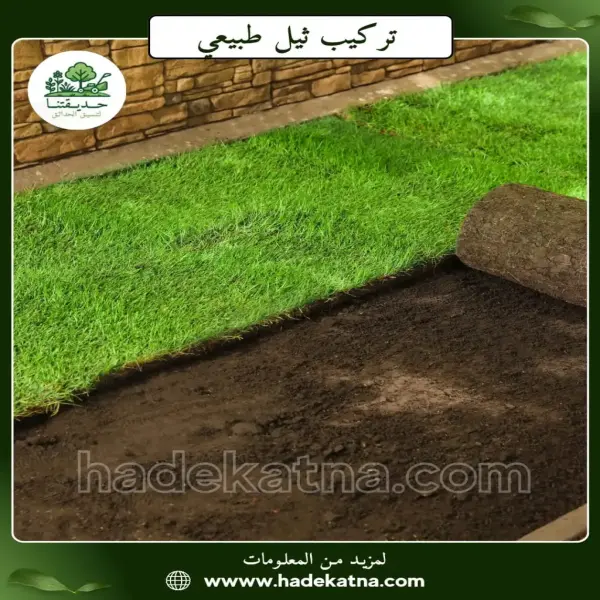
The Difference Between Natural and Artificial Grass in Kuwait’s Climate
With the great development in agricultural and manufacturing techniques, artificial turf has emerged as a practical option that rivals the beauty and feel of natural grass and even surpasses it in some aspects. However, each type has its own features and considerations that must be understood before making a decision.
In this article, we will discuss the fundamental differences between natural and artificial grass in Kuwait’s climate, review the advantages and disadvantages of each, and provide tips for choosing the best type that combines beauty and practicality, while considering costs and maintenance.
What are the advantages of artificial grass in Kuwait for gardens and playgrounds?
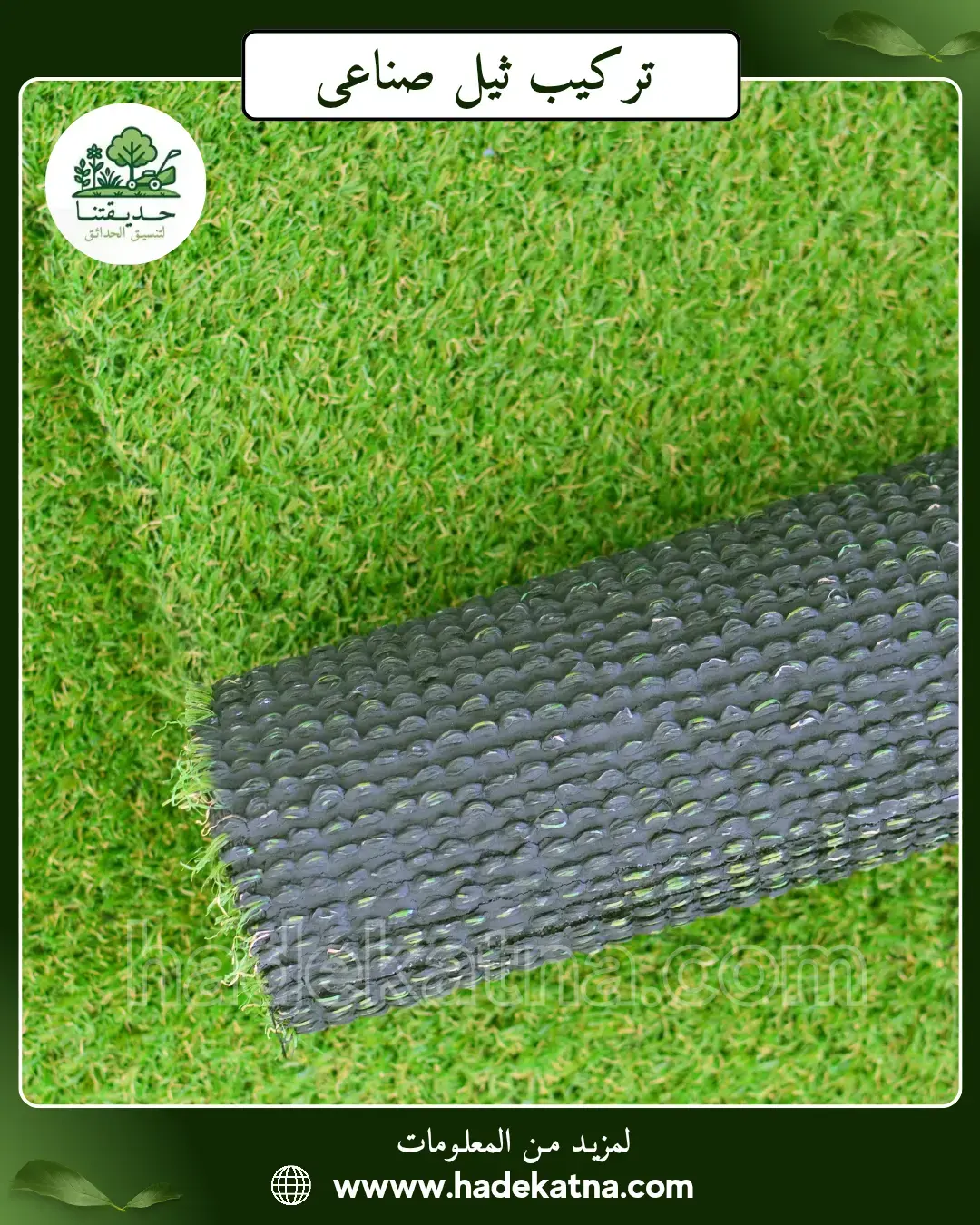
Artificial grass in Kuwait enjoys many features that make it an ideal choice in hot and dry environments, including:
-
High resistance to high temperatures without color or texture changes.
-
Green and beautiful appearance all year round without the need for regular watering.
-
Easy installation in various spaces, whether small or large.
-
Low maintenance compared to natural grass, saving effort and time.
-
No need for fertilizing or regular mowing.
-
Resistant to insect infestation or harmful fungi.
-
Can withstand intensive use in playgrounds and public areas without quick wear.
-
Available in various materials to suit different tastes and budgets.
-
Unaffected by harsh winter or summer seasons.
-
Saves water consumption, making it environmentally friendly in dry areas.
How do we compare natural vs. artificial grass in terms of performance and maintenance?
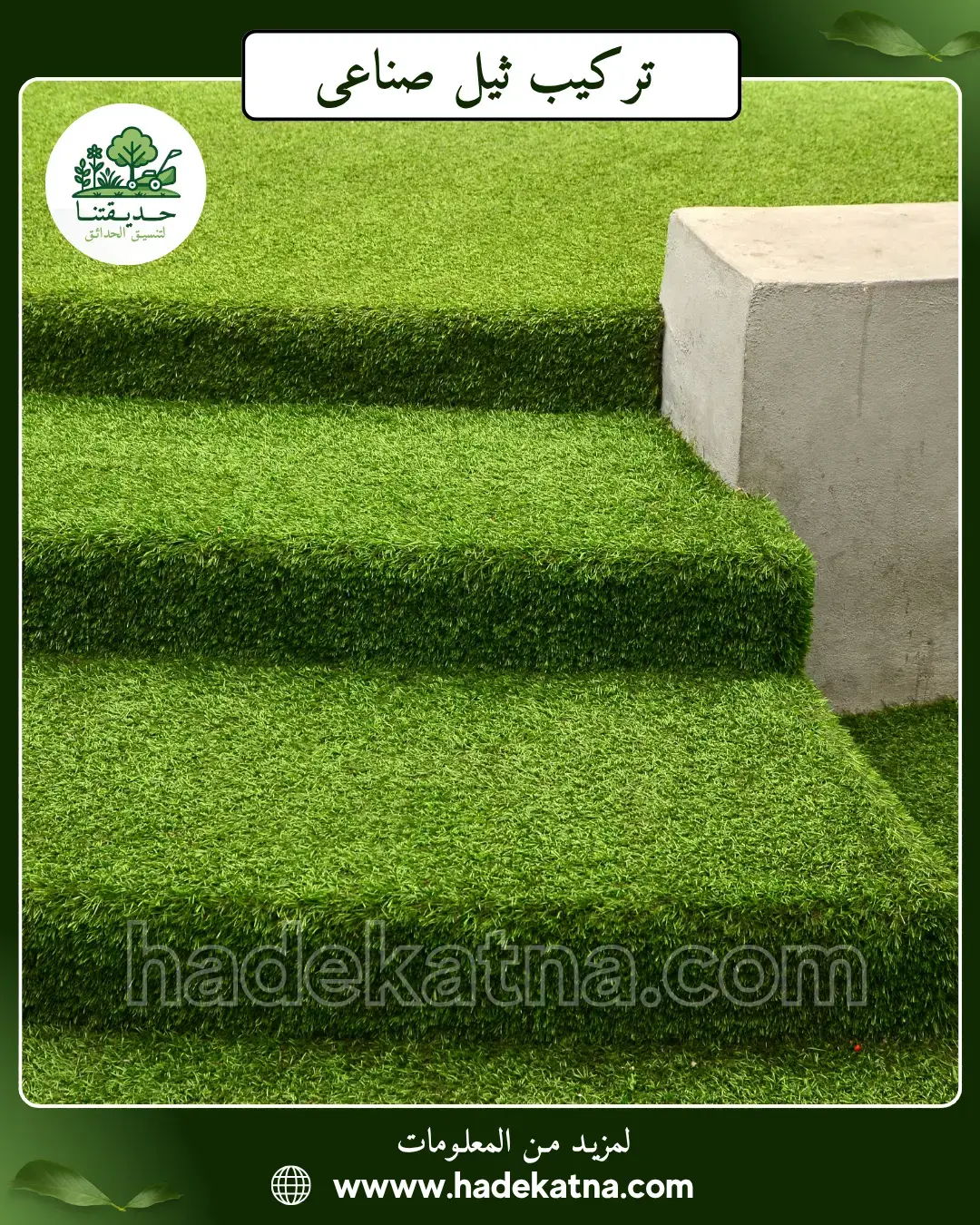
When comparing natural vs. artificial grass, each has different features and considerations, summarized as follows:
-
Natural grass has a unique natural texture and refreshing visual appeal.
-
Natural requires regular watering to maintain vitality.
-
Natural helps lower surrounding temperatures through transpiration.
-
Artificial does not require watering or regular fertilization.
-
Artificial keeps its green look all year regardless of weather.
-
Natural requires regular mowing to maintain the right height.
-
Artificial is wear-resistant and suitable for heavy use.
-
Natural is more prone to pests and insect damage.
-
Artificial is easier to clean and unaffected by rain or drought.
-
The choice depends on usage purpose and maintenance budget.
What challenges does grass face in Kuwait’s climate?
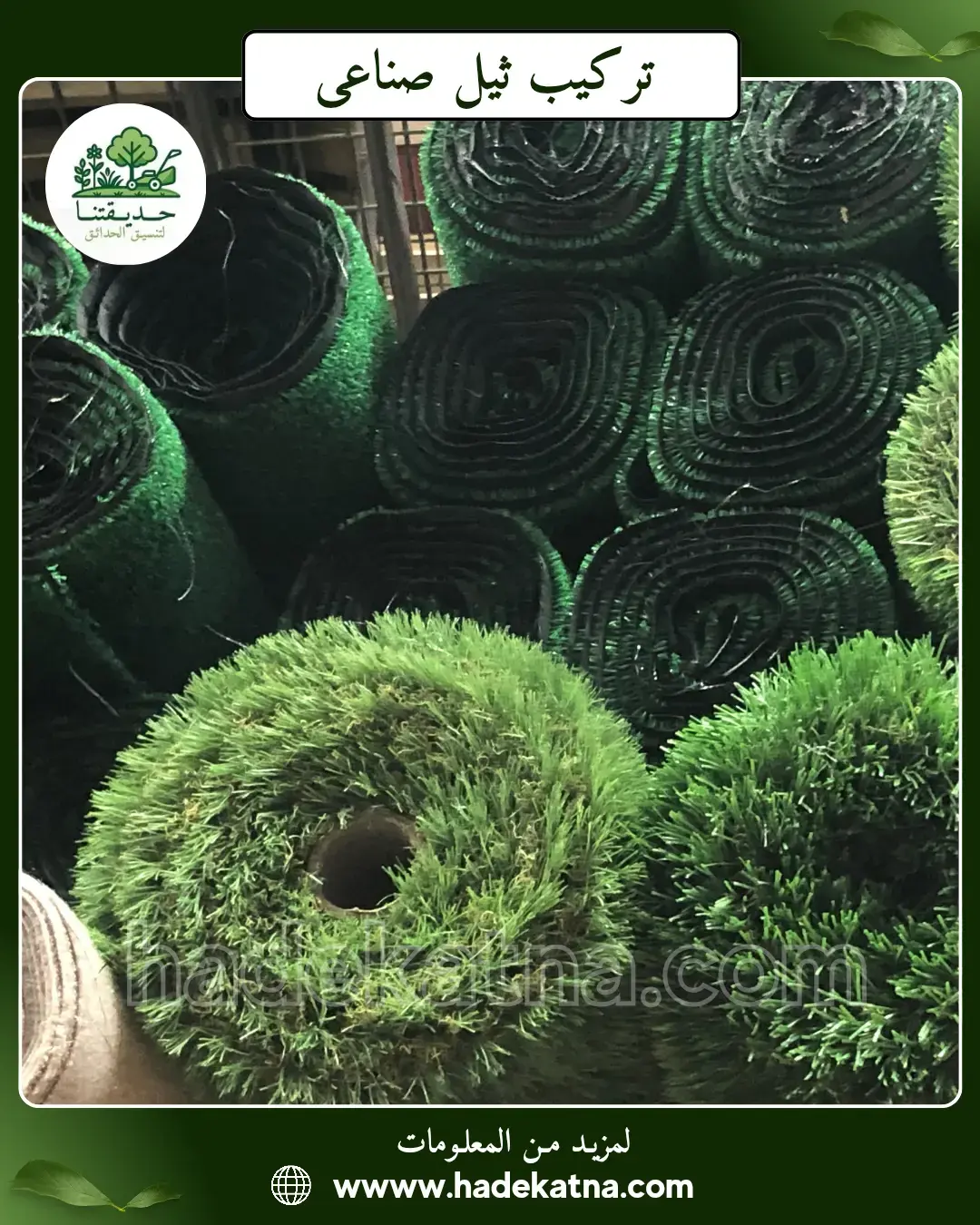
Grass in Kuwait’s climate faces several challenges affecting its quality and appearance, including:
-
High summer temperatures that can dry out natural grass.
-
Low rainfall and dependence on artificial irrigation to maintain green color.
-
Sandy soil that does not retain moisture for long periods.
-
Exposure of open areas to direct sunlight most of the day.
-
Spread of insects and pests affecting natural grass growth.
-
Sudden temperature changes between seasons.
-
High cost of maintaining large areas of natural grass.
-
Limited grass types that can adapt to this climate.
-
Need for special techniques when installing artificial grass to avoid heat buildup.
-
Dust and wind affecting cleanliness and beauty of green areas.
What is the importance of choosing heat-resistant grass in hot climates?
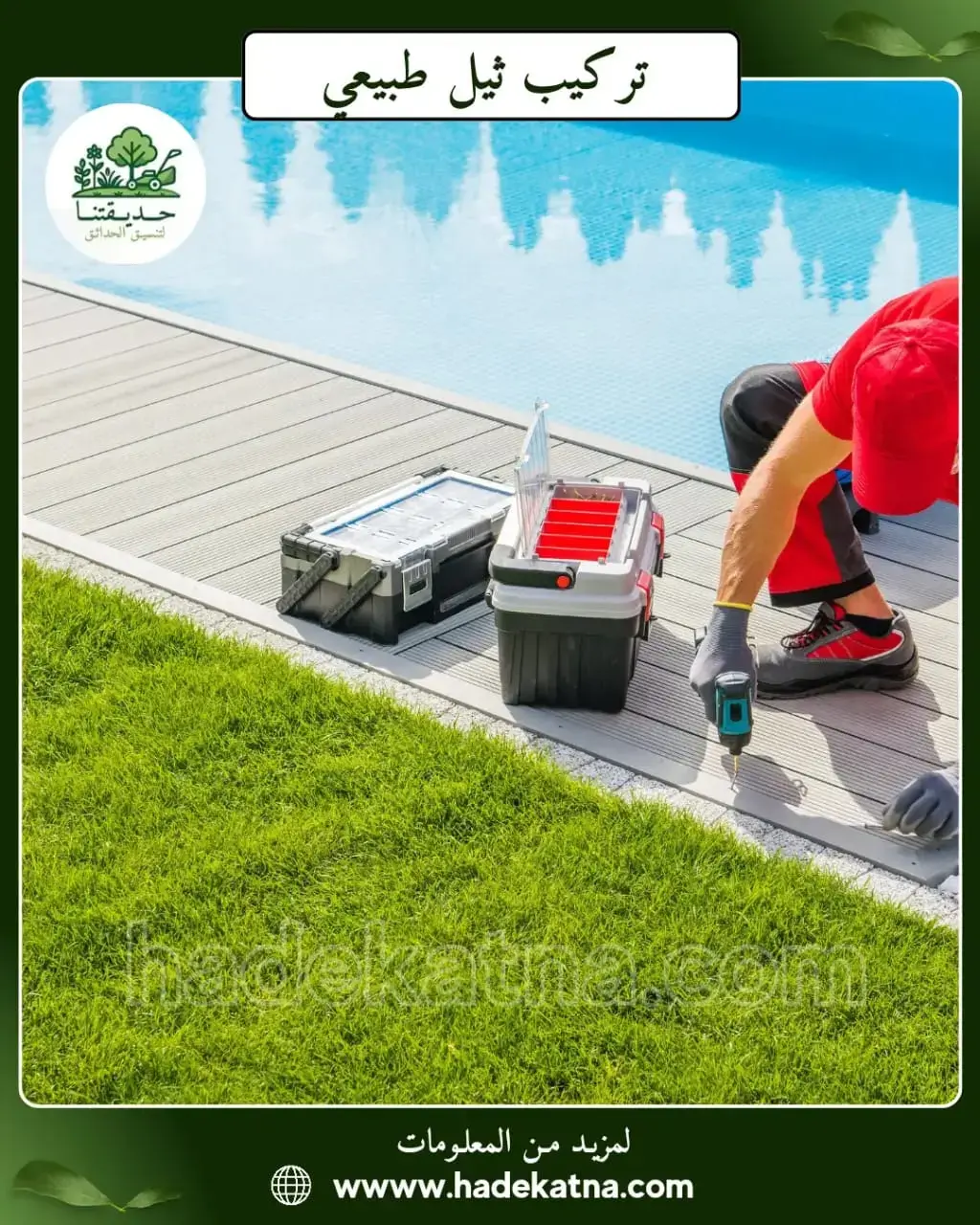
Choosing heat-resistant grass is essential in environments with high temperatures like Kuwait’s climate, as this type adapts to harsh conditions while maintaining its aesthetic appeal. Its importance includes:
-
Resisting rapid wilting from direct sunlight.
-
Keeping green color longer during summer.
-
Withstanding drought periods without major damage.
-
Reducing need for frequent watering, saving water.
-
Growing in relatively nutrient-poor soil.
-
Higher resistance to fungal diseases caused by heat.
-
Continuing its decorative function in gardens and playgrounds.
-
Lowering annual maintenance costs.
-
Suitable for public spaces with heavy use.
-
Improving visual comfort in hot, dry environments.
How do cooling technologies for artificial grass improve comfort?
Cooling technologies for artificial grass play an important role in making turf-covered areas more comfortable, especially in hot climates like Kuwait. These include:
-
Using heat-reflective materials to reduce sun absorption.
-
Incorporating light-colored synthetic fibers to reduce heat.
-
Installing underlayers that help insulate heat.
-
Embedding special cooling granules in fibers to maintain lower temperatures.
-
Designing mist or water spray systems to cool the surface during peak times.
-
Improving ventilation between fibers to prevent heat buildup.
-
Reducing thermal emissions for more comfort when walking or playing.
-
Using eco-friendly materials to reduce surface heat.
-
Providing a comfortable experience even at midday.
-
Extending the lifespan of artificial grass by reducing heat impact.
What are the best ways to maintain natural grass to keep it green?
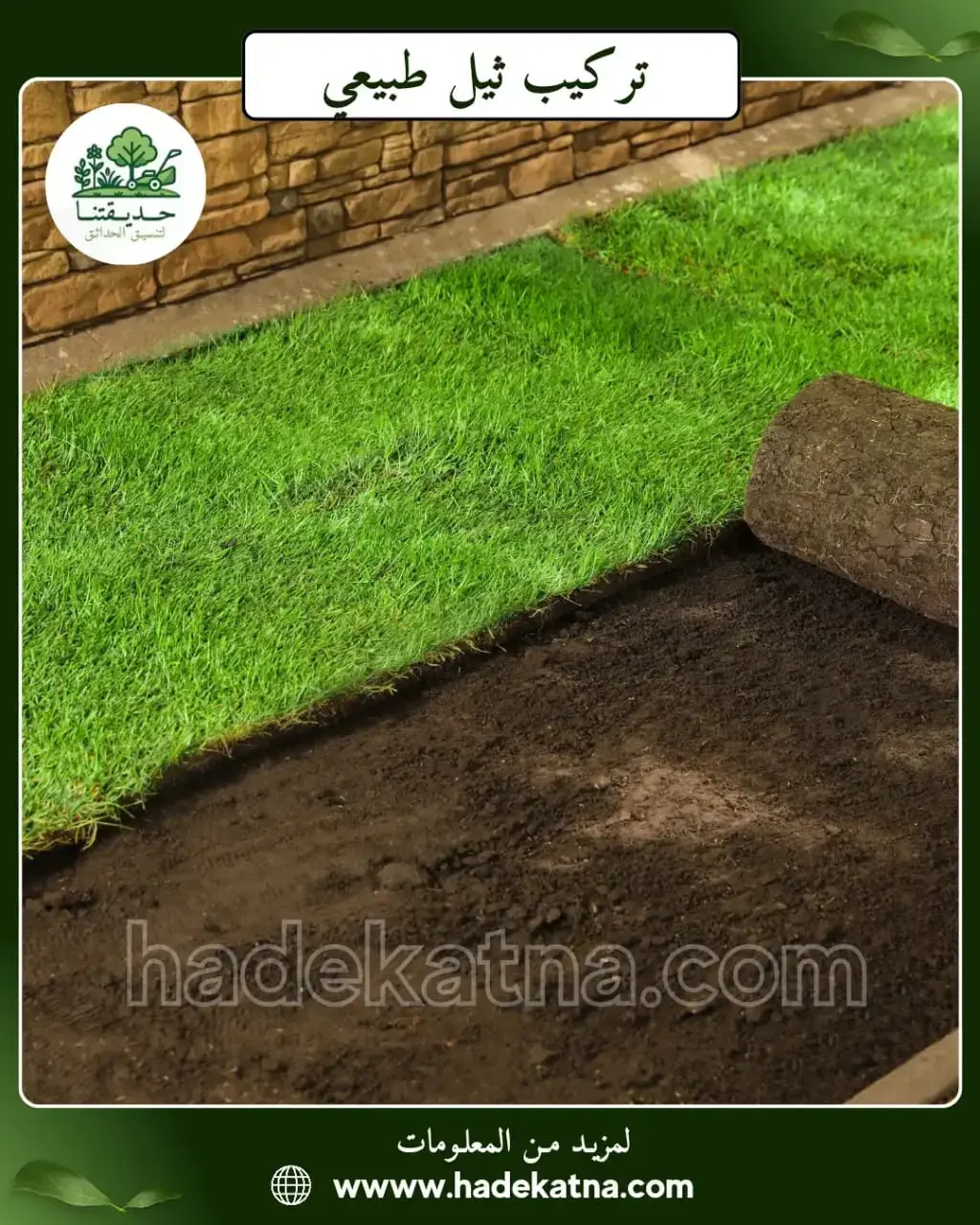
Maintaining natural grass in Kuwait’s climate requires special care to preserve its green color and health year-round. Best practices include:
-
Watering regularly in early morning or evening to reduce evaporation.
-
Using drip or sprinkler irrigation systems for even water distribution.
-
Periodic fertilization to supply essential nutrients.
-
Regular mowing while keeping appropriate seasonal height.
-
Removing weeds that compete for water and nutrients.
-
Aerating the soil to improve water and nutrient absorption by roots.
-
Controlling pests and insects that may weaken growth.
-
Planting varieties that tolerate heat and drought.
-
Reseeding or repairing damaged areas.
-
Conducting regular inspections to detect and fix problems early.
Why is drought-resistant grass an ideal choice for Kuwait?
Drought-resistant grass is one of the best solutions for Kuwait’s climate, which is characterized by scarce rainfall and high temperatures. Its benefits include:
-
Reducing the need for constant irrigation, saving water consumption.
-
Withstanding water shortages without losing appearance.
-
Maintaining green color even in dry seasons.
-
Higher resistance to diseases caused by lack of moisture.
-
Adapting to sandy soil with low water retention.
-
Lowering maintenance and irrigation costs in the long term.
-
Suitable for large areas like public gardens and playgrounds.
-
Reducing pressure on the country’s water resources.
-
Contributing to environmental conservation by reducing water usage.
-
Remaining both an aesthetic and economical choice.
What is the cost difference between artificial and natural grass?
When comparing artificial and natural grass costs in Kuwait, there are clear short-term and long-term differences:
-
Artificial turf requires higher initial installation costs than natural.
-
Artificial does not need ongoing irrigation or fertilization costs.
-
Natural requires regular expenses for watering, maintenance, and fertilization.
-
Artificial has a longer lifespan, reducing replacement frequency.
-
Natural may wear out in some areas and require reseeding.
-
Artificial needs only simple cleaning to maintain its look.
-
Long term, artificial is less costly in operation and maintenance.
-
Natural may be cheaper for small areas with limited use.
-
Artificial offers stable annual costs.
-
Choice depends on available budget and intended use.
What are the best irrigation methods for natural grass in Kuwait’s climate?
Irrigating natural grass in Kuwait requires thoughtful techniques to avoid waste and save water. Best methods include:
-
Watering in early morning or evening to reduce evaporation.
-
Using drip irrigation to deliver water directly to roots.
-
Avoiding watering during hot midday hours.
-
Adjusting water quantity according to season and temperature.
-
Dividing watering into short intervals instead of one long session.
-
Ensuring water reaches the proper root depth.
-
Monitoring soil moisture to determine actual watering needs.
-
Avoiding overwatering to prevent root rot.
-
Installing moisture sensors or timers to control water amounts.
-
Combining manual and automatic irrigation for best results.
How does grass in Kuwaiti gardens add an aesthetic touch to the place?
Grass in Kuwaiti gardens adds great visual value and comfort, enhancing the feeling of freshness and open spaces. Its aesthetic impact includes:
-
Giving the garden a green and vibrant appearance all year round.
-
Creating beautiful contrast with trees and flowers.
-
Helping define walkways and seating areas.
-
Making small spaces feel larger.
-
Providing a soft and safe surface for children to play on.
-
Reducing sun heat reflection from the ground.
-
Adding an organized touch and enhancing the overall design.
-
Giving gardens a modern or classic look depending on arrangement.
-
Contributing to better mood and mental relaxation.
-
Reflecting care and attention to outdoor spaces.
What are the long-term environmental benefits of natural grass?
Natural grass has many environmental benefits, especially in the long term, as it helps improve air quality and reduce temperatures. Key benefits include:
-
Absorbing carbon dioxide and releasing oxygen.
-
Helping lower surrounding environmental temperatures.
-
Preventing soil erosion and protecting it from degradation.
-
Improving soil fertility through organic matter decomposition.
-
Absorbing rainwater and reducing flood risk.
-
Limiting dust spread in the air.
-
Providing habitat for beneficial insects and small creatures.
-
Supporting biodiversity in green spaces.
-
Helping reduce noise pollution by absorbing sound.
-
Enhancing the natural beauty of the place while preserving the environment.
What are the steps to professionally install artificial grass?
Installing artificial grass requires precision and expertise to ensure a natural look and long lifespan. Professional installation steps include:
-
Preparing the ground by removing existing plants or weeds and leveling the surface.
-
Laying a base layer of gravel or sand to ensure good water drainage.
-
Leveling the surface with compaction tools to avoid bumps.
-
Cutting artificial grass precisely to fit the required area.
-
Securing the sheets or rolls with nails or special fixing strips.
-
Ensuring fiber direction is consistent across all sections.
-
Hiding seams between sections by gluing edges with special tape.
-
Adding silica sand infill to improve stability and prevent slipping.
-
Brushing fibers after installation for a uniform look.
-
Final inspection to ensure quality and defect-free surface.
How does waterless grass provide an economical and practical solution?
Using waterless grass is a smart and practical choice, especially in areas with scarce water and high maintenance costs. Benefits include:
-
Completely saving water as it requires no irrigation.
-
Reducing water bills and monthly costs.
-
Low maintenance since it requires no irrigation systems or daily care.
-
Always retaining green color year-round regardless of weather.
-
Suitable for indoor areas or where irrigation systems are difficult to install.
-
Ideal for playgrounds and public areas needing a permanent look.
-
Resistant to diseases caused by excess moisture.
-
Saving time and effort in plant care.
-
Long lifespan while maintaining quality.
-
Helping the environment by conserving water resources.
What are the main materials of artificial grass and which are best for hot climates?
Artificial grass comes in different materials to meet various needs in terms of look, durability, and performance. Main types include polyethylene, polypropylene, and nylon.
Polyethylene offers a soft texture and natural look, ideal for gardens and home playgrounds. Polypropylene is more budget-friendly, making it suitable for temporary or low-use spaces. Nylon is the strongest and most durable, often used in high-traffic areas.
In hot climates like Kuwait, it’s recommended to use high-quality polyethylene or polypropylene with special UV-resistant treatment to reduce heat absorption. It’s also preferable to choose materials with cooling technology or heat-reflective fibers to ensure more comfort.
The final choice depends on intended use, available space, and budget, noting that high quality ensures longer life and better performance in harsh conditions.
How to choose the right type of grass for gardens and playgrounds?
Choosing the right grass type requires studying several factors to ensure best performance and long-lasting appearance.
For home gardens, it’s preferable to select grass with a natural look and soft texture for a comfortable and safe environment for the family. Heat and UV resistance are essential to ensure green color year-round. For playgrounds, the grass should be strong and wear-resistant to handle heavy traffic, with stable fibers that don’t flatten quickly.
Drainage systems should be considered to prevent water pooling, especially in areas exposed to heavy rain or irrigation. In hot climates like Kuwait, it’s best to choose types with cooling technology and drought resistance, reducing maintenance needs.
Finally, balance cost and quality—investing in high-quality grass ensures a more attractive look and excellent performance over a longer period.
Frequently Asked Questions about the difference between natural and artificial grass in Kuwait’s climate
1. Which is better for Kuwait’s climate: natural or artificial grass?
It depends on usage purpose. Artificial is better in hot, dry environments due to heat resistance and low maintenance, while natural offers a unique environmental and aesthetic touch but requires watering and regular care.
2. What is the lifespan of artificial grass?
Good quality artificial grass lasts 8–15 years depending on quality, usage, and maintenance.
3. Does artificial grass get hot under Kuwait’s sun?
Yes, but if equipped with cooling technology or UV-resistant treatment, the heat effect is much reduced.
4. How much does it cost to maintain natural grass annually?
It varies by area and grass type but includes watering, fertilizing, mowing, and pest control, which can be costly in hot areas.
5. Can artificial grass be installed over concrete?
Yes, as long as the surface is prepared with an insulating layer and proper drainage for best results.
In a hot, dry environment like Kuwait, choosing between natural and artificial grass is a strategic decision balancing beauty and practicality.
Artificial grass offers a year-round green look with minimal effort, while natural grass provides unmatched environmental and visual refreshment but requires continuous care and higher long-term costs. With manufacturing advances, it’s now possible to get artificial turf that looks very natural, with added features like heat resistance and cooling technology.
Natural grass remains the ideal choice for nature lovers and those wanting a living environment that supports biodiversity. Ultimately, the decision depends on intended use, budget, and available maintenance time.
With proper planning, both types can be combined in the same space to achieve the perfect balance between aesthetic comfort and practical efficiency, making Kuwait’s green spaces more beautiful and sustainable all year round.