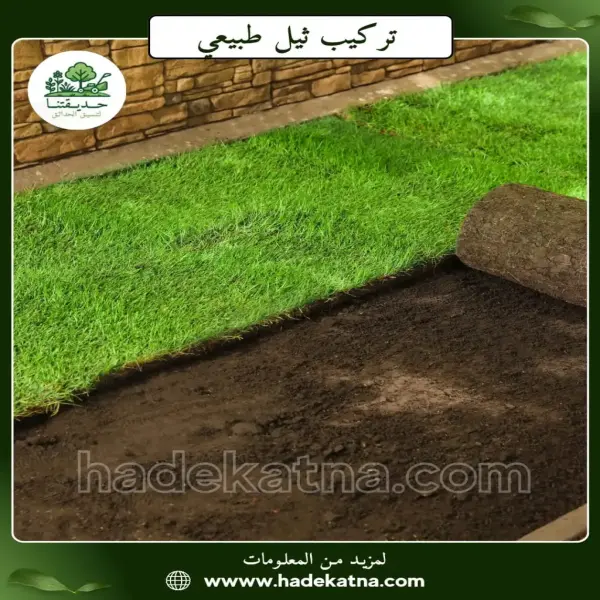

How to Prepare Your Garden for Planting Natural Grass in Kuwait
Preparing the garden for planting natural grass in Kuwait is an essential step to achieve a healthy and beautiful green lawn that lasts for a long time. Natural grass gives the garden an attractive look and enhances the property’s value, in addition to its role in improving air quality and lowering the temperature of the area. With the hot and dry climate that characterizes Kuwait, proper planning and correct soil preparation are crucial to ensure successful planting.
This process begins with assessing the soil’s condition and determining whether it needs amendment or improvement, then removing any unwanted plants or weeds that might compete with the grass for nutrients and water. It is also important to choose the type of grass most suitable for the climate, such as heat- and drought-tolerant varieties, and determine the best planting times, which are often in spring or autumn.
Preparing the Garden for Planting Natural Grass in Kuwait

-
Preparing the garden for natural grass in Kuwait is essential for achieving a healthy, beautiful green lawn that lasts for years.
-
Natural grass enhances the garden’s beauty, increases property value, improves air quality, and reduces the surrounding temperature.
-
Due to Kuwait’s hot, dry climate, proper planning and correct soil preparation are crucial for success.
-
The process starts with assessing soil condition and determining if it needs improvement or amendment.
-
Remove all unwanted plants or weeds that compete with the grass for nutrients and water.
-
Choose a grass variety suitable for heat and drought, and plant during the best seasons—spring or autumn.
-
Install an efficient irrigation system to maintain balanced soil moisture.
-
Follow precise preparation steps: clearing and leveling the ground, fertilizing, planting, and ongoing maintenance.
Steps to Prepare the Garden Soil for Planting Natural Grass in Kuwait
-
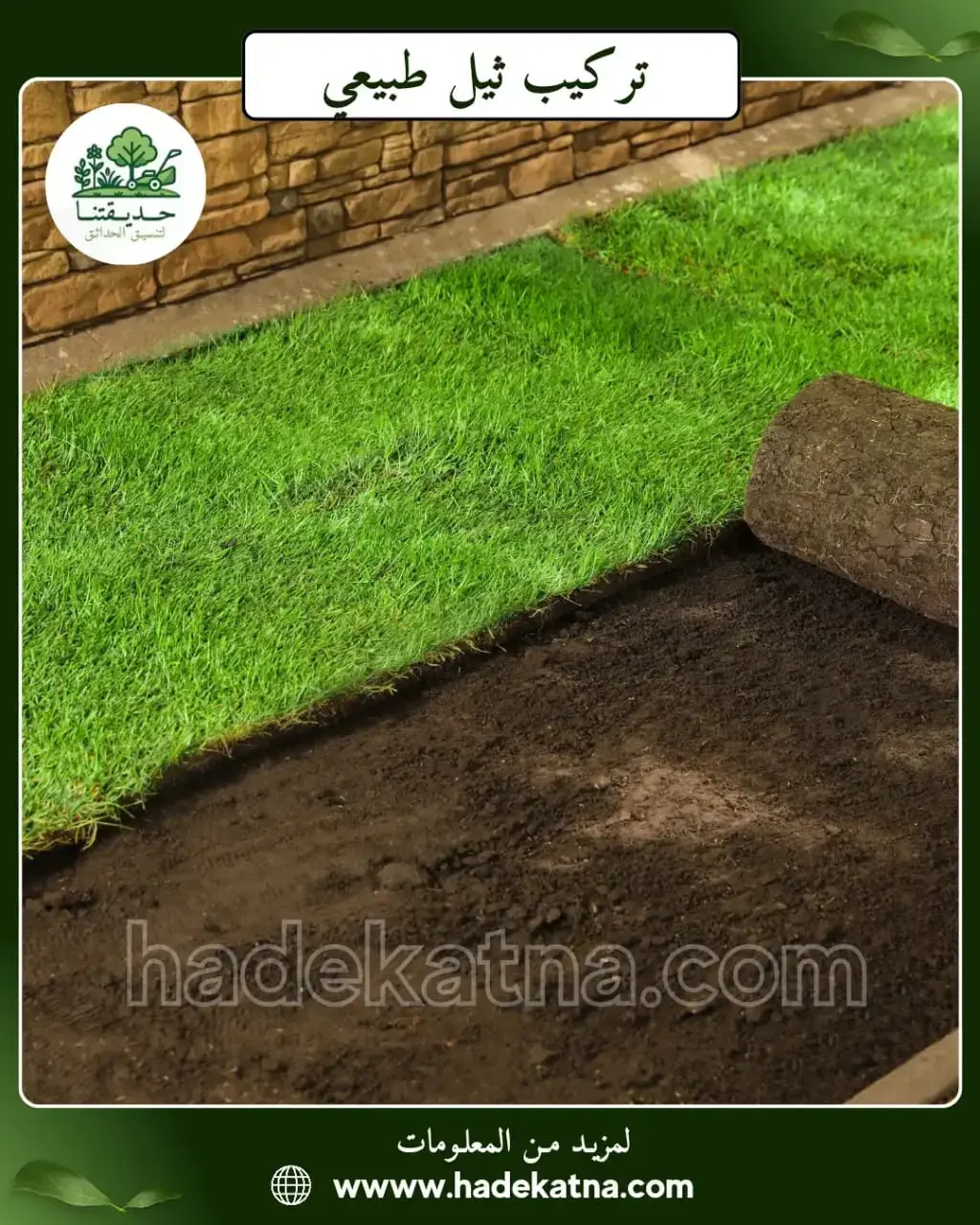
Remove all weeds, unwanted plants, stones, and debris that can hinder root growth.
-
Till the soil to a depth of 15–20 cm to improve aeration and water/nutrient absorption—especially important for heavy soils.
-
Add quality agricultural soil or washed sand to enhance soil structure and drainage, particularly in clay soils.
-
Level the ground with proper tools for an even surface, ensuring uniform grass coverage.
-
Apply decomposed organic fertilizer or balanced NPK (nitrogen, phosphorus, potassium) fertilizer before planting.
-
These steps create ideal conditions for dense, healthy grass and reduce the risk of diseases or drought stress.
Best Methods for Preparing Garden Soil for Planting Natural Grass in Kuwait
-
Check the soil type—sandy, clay, or a mix—and improve it to meet grass requirements.
-
For heavy clay soils, add washed sand to improve drainage and prevent waterlogging.
-
For sandy soils, mix in compost or agricultural soil to increase moisture retention.
-
Add decomposed organic matter to enrich the soil and boost beneficial microorganism activity.
-
Till the soil thoroughly to mix amendments evenly.
-
Level the soil to ensure uniform seedling distribution.
-
Proper soil preparation results in dense, uniform growth, longer lawn life, and reduced maintenance needs.
How to Prepare the Backyard for Planting Natural Grass in Kuwait
-
Completely clear the backyard of weeds, stones, debris, and deep roots.
-
Test the soil to determine if amendments are needed; add fertile soil and organic matter if poor.
-
Till to a depth of 15–20 cm to loosen and aerate the soil, encouraging rapid root development.
-
Level the surface to prevent water pooling that can cause root rot.
-
For large backyards, divide the space and plant in stages for easier early maintenance.
-
These steps produce a strong, attractive lawn able to withstand heavy use and Kuwait’s climate.
Tips for Preparing a Home Garden for Planting Natural Grass in Kuwait

-
Choose the ideal planting time—preferably spring or autumn—to avoid extreme heat that can affect grass growth.
-
Remove weeds, stones, and debris to allow new grass to grow without competition for nutrients and water.
-
Till the soil to a suitable depth to improve aeration and root penetration.
-
Add fertile agricultural soil or washed sand depending on the soil’s natural condition.
-
Apply organic or compound fertilizers rich in nitrogen, phosphorus, and potassium to ensure proper nutrition.
-
Level the soil to prevent water pooling, which can cause root rot.
-
Install an efficient irrigation system—drip or sprinkler—to maintain consistent moisture during early growth stages.
-
Following these tips reduces future maintenance needs and ensures a long-lasting, even green lawn.
Preparing the Garden for Planting Natural Grass Considering Kuwait’s Climate
-
Select grass varieties suited to hot and dry conditions, such as Paspalum or Bermuda, which tolerate heat and drought.
-
Prepare soil to help retain moisture by adding organic matter; avoid excessive sand if the soil is already light.
-
Plant during mild seasons, avoiding extreme summer or cold winter, so grass can establish before harsh conditions.
-
Install an automated irrigation system to provide water in controlled amounts at set times.
-
Avoid watering during peak heat hours to reduce evaporation.
-
Protect seeds or seedlings from excessive direct sunlight during the first days by using light shade covers or frequent light watering.
-
Adapting preparation to local climate increases planting success and reduces risks of dryness or scorching.
Steps to Prepare the Front Yard for Planting Natural Grass in Kuwait
-
Study the area’s sunlight exposure and foot traffic before planting to choose a suitable grass type and planting method.
-
Remove old plants or damaged turf, along with stones and construction debris.
-
Till soil to a depth of 15–20 cm for aeration and better water retention.
-
Remove any leftover roots from previous plants.
-
Add fertile agricultural soil or mix in decomposed organic fertilizer to boost nutrients.
-
Level the ground to prevent water from pooling in low spots and to maintain a uniform lawn appearance.
-
Choose grass types resistant to heat and trampling for longer-lasting beauty.
-
Install an automatic irrigation system to provide the necessary water without waste.
How to Prepare Garden Soil for Planting Natural Grass in Kuwait
-
Identify soil type—add sand to heavy clay for better drainage, or compost to sandy soil for better water retention.
-
Remove weeds, stones, and organic debris, including deep roots.
-
Till soil and mix in amendments thoroughly.
-
Level the surface for even planting and water distribution.
-
Add balanced fertilizer containing nitrogen, phosphorus, and potassium to promote strong root growth.
-
Water the soil one day before planting to stabilize it and provide initial moisture.
-
This complete preparation increases the chances of a successful, uniform lawn.
Preparing a Home Garden for Planting Natural Grass in Kuwait
-
Remove weeds, old plants, stones, and debris that can hinder root growth.
-
Test the soil to determine if texture or fertility needs improvement.
-
Add washed sand for clay soil or compost for sandy soil as needed.
-
Till the soil deeply (15–20 cm) to improve aeration and root penetration.
-
Level the soil carefully to ensure even water distribution.
-
Apply organic or compound fertilizers rich in nitrogen, phosphorus, and potassium for healthy early growth.
-
Install an effective irrigation system—drip or sprinkler—to ensure water supply during germination and growth.
-
Proper preparation reduces future maintenance problems.
Preparing the Backyard Lawn for Planting Natural Grass in Kuwait
-
Clear old plants, damaged turf, gravel, and debris from the backyard.
-
Test soil type and add amendments—compost for sandy soil or sand for heavy soil.
-
Till the soil deeply and mix in all improvements.
-
Level the surface to prevent water accumulation.
-
Choose grass varieties that can withstand heavy foot traffic if the backyard is used for activities.
-
Install an irrigation system suitable for large areas, with control over watering times and amounts.
-
This ensures a strong, attractive lawn fit for daily use in Kuwait’s hot weather.
Proper Methods for Preparing a Home Garden for Natural Grass Planting in Kuwait
-
Plan in advance and define the planting area clearly.
-
Remove all weeds, stones, and debris to ensure healthy growth.
-
Improve clay soil with sand for drainage; amend sandy soil with compost and agricultural soil for water retention.
-
Till the soil to a depth of 15–20 cm to loosen it and promote aeration.
-
Level the ground to avoid water pooling and ensure even seed or sod distribution.
-
Apply decomposed organic fertilizer or compound NPK fertilizer to boost fertility.
-
Install a suitable irrigation system to maintain regular soil moisture, especially during hot days.
-
This creates ideal conditions for successful grass growth and long-lasting beauty.
How to Prepare the Garden Ground for Planting Natural Grass in Kuwait
-
Remove old plants, weeds, stones, and roots from the ground.
-
Check soil pH and texture, then amend accordingly—add sand to heavy soils or compost to light soils.
-
Till soil deeply to aerate and mix in amendments.
-
Level the surface to prevent water pooling, which can cause root rot.
-
Apply organic or balanced fertilizer before planting to provide essential nutrients.
-
Install a watering system with a schedule suited to temperature and humidity.
-
Proper preparation ensures a healthy, even green lawn.
Step-by-Step Preparation and Planting of Natural Grass in Kuwait
-
Clear the garden completely of weeds, old plants, stones, and construction debris.
-
Remove deep roots to prevent regrowth.
-
Test soil type and improve it—add sand to clay or compost to sandy soil for moisture retention.
-
Till the soil to 15–20 cm for aeration, then level for even grass coverage.
-
Add decomposed organic fertilizer or NPK fertilizers for good nutrition.
-
Spread grass seeds or sod evenly, cover lightly with soil, and protect from birds and wind.
-
Water regularly in moderate amounts during early growth, then gradually reduce watering as the lawn establishes.
-
These steps result in a healthy, long-lasting lawn suited to Kuwait’s climate.
Best Ways to Care for Natural Grass After Planting in Kuwait
-
Keep soil moist for the first few weeks until roots establish, then reduce watering to encourage deep root growth.
-
Mow regularly when grass reaches 6–8 cm in height, using sharp blades to avoid tearing leaves.
-
Fertilize every 2–3 months with nitrogen- and phosphorus-rich fertilizers to maintain a vibrant green color.
-
Control weeds and pests regularly using suitable treatments that don’t harm the grass.
-
Aerate the lawn seasonally by making small holes to improve water and nutrient absorption.
-
These practices keep the lawn healthy and resistant to heat and drought.
Frequently Asked Questions
Q1: What is the best time to plant natural grass in Kuwait?
Spring or early autumn, when temperatures are moderate, promoting fast germination and reducing heat stress.
Q2: Can natural grass be planted in sandy soil?
Yes, but mix it with compost or agricultural soil to improve moisture retention and nutrient supply.
Q3: How often should grass be watered after planting?
Daily in moderate amounts for the first two weeks, then gradually reduce frequency.
Q4: What types of grass are suitable for Kuwait’s climate?
Bermuda grass, Paspalum, and Zoysia, due to their heat and drought tolerance.
Q5: How can I maintain a vibrant green lawn?
Regular fertilizing, proper mowing, balanced watering, and pest control ensure healthy, green grass year-round.
Preparing the garden for planting natural grass in Kuwait requires careful planning and consideration of the local climate. The process starts with clearing the land and preparing the soil by improving drainage or enhancing moisture retention, depending on the soil type. Choosing a grass variety that can withstand high temperatures and drought is essential for long-term success. Installing an efficient irrigation system and applying fertilizers at the right time greatly increase the chances of successful growth. By following the correct preparation and maintenance steps, homeowners can enjoy a healthy, attractive green lawn that thrives in Kuwait’s environment for years to come.


