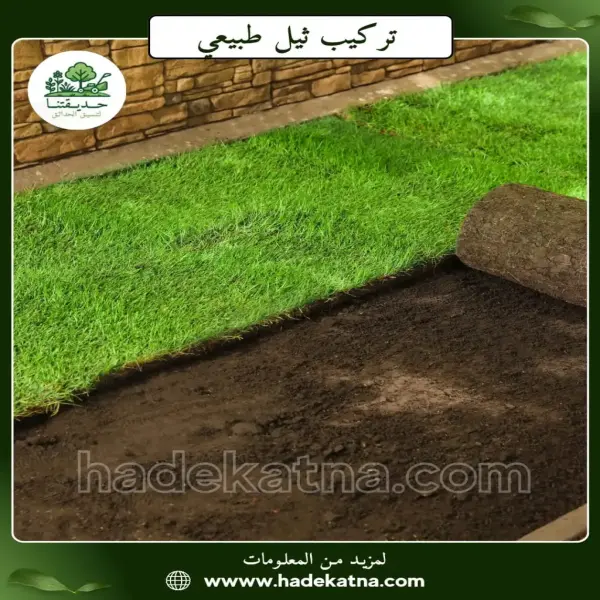
Golden Rules for Watering Natural Grass in the Kuwaiti Summer
Natural grass (green turf) is one of the most important elements that give home gardens and green landscapes in Kuwait a distinctive aesthetic appearance. It adds a touch of freshness and comfort to the place, reflecting a natural ambiance in the midst of the hot desert climate. However, keeping grass green and healthy during the summer in Kuwait is a real challenge due to high temperatures, increased evaporation, and the sandy soil’s weak ability to retain moisture for long periods.
Caring for natural grass does not only depend on irrigation but also on following precise golden rules regarding timing and the right amounts of water. In addition, modern irrigation systems help reduce waste and maximize the benefit of every drop. Random watering can lead to negative results such as yellowing or fungal infections, while systematic watering based on scientific methods ensures continued growth and vitality throughout the hot season.
This article highlights the golden rules for watering natural grass in Kuwait’s summer, showcasing the best practical methods, expert advice, and smart solutions to face extreme heat. The aim is to help homeowners and gardeners preserve the bright green color of their landscapes despite the tough climate, ensuring the sustainability of greenery as an integral part of Kuwait’s environment.
The Golden Rules of Watering Natural Grass in the Kuwaiti Summer

Maintaining natural grass in Kuwait during the hot summer months requires commitment to a set of golden rules that ensure the lawn remains green and healthy despite harsh weather:
-
The first rule is choosing the right times for watering. It is preferable to water in the early morning or evening to reduce evaporation and ensure the soil absorbs the maximum amount of water.
-
The second rule relates to water quantities. The water should be moderate and sufficient to deeply moisten the roots without flooding the soil, as overwatering may cause root rot or fungal growth.
-
The third rule is using modern irrigation systems such as drip irrigation or smart sprinklers, which save water and distribute it evenly across the lawn.
-
The fourth rule is maintaining regular schedules. Grass requires a fixed irrigation program that matches daily temperatures and provides consistent moisture.
-
Finally, monitoring soil and grass regularly ensures water reaches the required depth, with adjustments made when necessary.
Applying these golden rules not only preserves the lawn’s beauty but also reduces water consumption, making gardens more sustainable in Kuwait’s desert environment.
Best Methods for Watering Natural Grass During Kuwait’s Summer
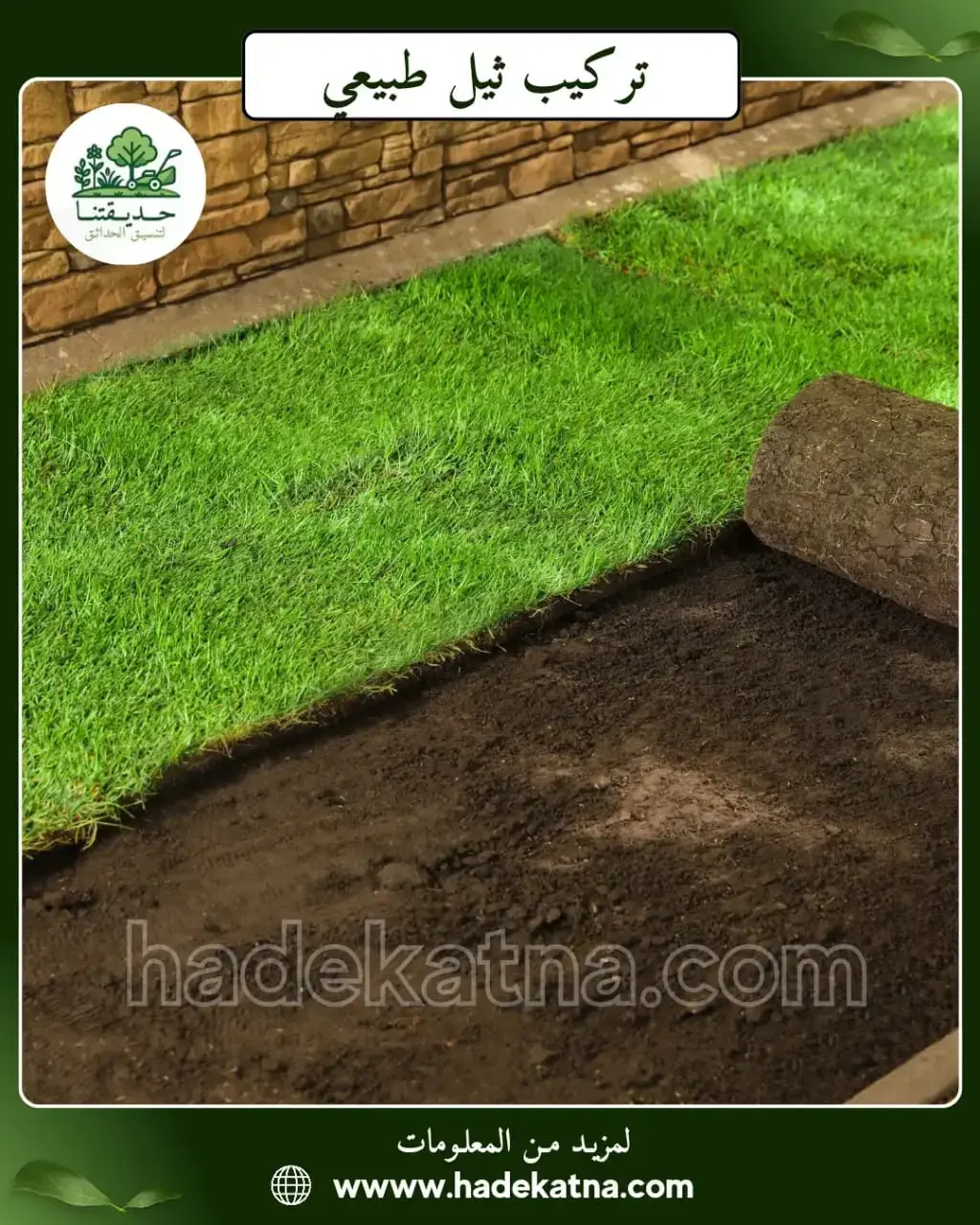
Choosing the right irrigation method for natural grass during Kuwait’s summer is essential to keeping it alive and fresh despite the extreme heat.
-
Sprinkler irrigation systems are the most effective, providing equal water distribution across the lawn and helping water penetrate deeply into the soil instead of evaporating quickly.
-
Drip irrigation is another efficient and water-saving method, supplying precise amounts of water directly at soil level, reducing waste and preventing weed growth.
-
Manual watering with hoses equipped with multi-head sprayers remains a traditional but effective option, especially for small home gardens, if done regularly at the right times.
-
Deep, slow watering is highly recommended instead of quick surface watering, as it encourages roots to grow deeper, improving drought resistance.
-
Smart controllers are among the best modern solutions, allowing accurate programming of times and quantities based on grass needs and daily weather, ensuring efficiency in water use.
How to Water Natural Grass Properly in Kuwait’s Hot Climate
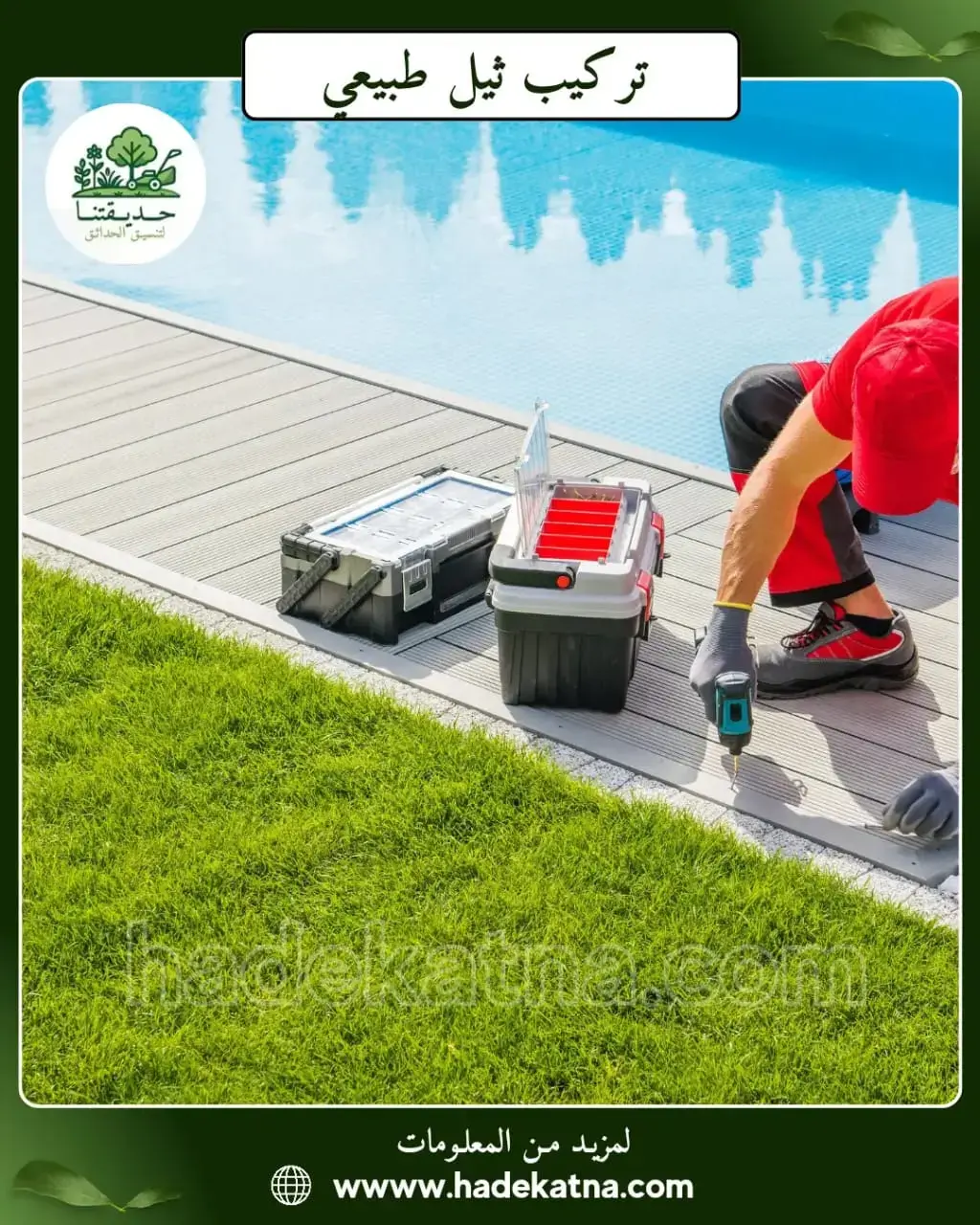
Proper irrigation in Kuwait’s heat is not random—it requires understanding the grass’s needs, soil conditions, and climate.
-
Focus on watering the roots, not the leaves. Water should reach deep into the soil where roots grow, as surface watering dries quickly and weakens grass.
-
Water early in the morning or evening when temperatures are lower, reducing evaporation and improving water absorption.
-
Avoid excessive, repeated watering on the same day, which saturates the soil and may cause root rot or fungal growth.
-
During very hot periods, use deep watering every two to three days instead of light daily watering. This strengthens roots and makes them more resistant to drought.
-
Break irrigation into short cycles rather than flooding all at once, preventing runoff and improving soil absorption.
-
Regularly monitor the grass. Yellowing or loss of flexibility when walked on is a clear sign of insufficient water or incorrect watering methods.
Golden Tips for Watering Natural Grass Under Kuwait’s Summer Sun
The extreme heat in Kuwait requires applying golden tips to protect grass from drying out and withering:
-
Stick to watering during cooler hours—dawn or just before sunset—to minimize evaporation.
-
Ensure even water distribution across the entire lawn to avoid dry patches.
-
Adopt deep irrigation so water reaches the roots, preventing surface-level dryness.
-
Avoid heavy foot traffic on wet soil after watering, as it weakens roots.
-
Monitor grass daily for early signs of drought such as color changes.
-
Use smart irrigation systems with moisture sensors to provide accurate watering while conserving water.
Practical Guidelines for Watering Grass in Kuwait’s Desert Climate
Kuwait’s desert climate with extreme heat and dry winds demands practical guidelines:
-
Set up a fixed irrigation schedule tailored to lawn size and temperature.
-
Adjust watering frequency with weather changes—increase during heatwaves and reduce on milder days.
-
Divide lawns into irrigation zones to ensure balanced water distribution.
-
Apply slow, deep watering since sandy soils lose water quickly.
-
Use mulch or sand layers to reduce evaporation and preserve soil moisture.
-
Continuously monitor lawn and soil for early signs of dryness.
Smart Solutions for Watering Grass and Facing Kuwait’s Summer Heat
Facing Kuwait’s extreme summer heat requires smart and flexible watering solutions:
-
Install automated irrigation systems connected to mobile apps for remote control and monitoring.
-
Use subsurface drip irrigation to minimize evaporation and keep moisture around the roots.
-
Apply cycle-soak irrigation (watering in shorter repeated sessions) to prevent waste.
-
Utilize smart moisture and temperature sensors to determine exact water needs.
-
Add mulch or light sand layers to reduce moisture loss.
-
Combine technology with daily visual monitoring for best results.
Frequently Asked Questions
1. How often should grass be watered in Kuwait’s summer?
On average, grass needs watering daily or every other day. In peak summer, daily deep watering in the early morning or evening is ideal.
2. Is watering during the day harmful?
Yes, midday watering causes fast evaporation and may even shock grass due to heat differences.
3. What is the ideal water amount?
Water should moisten soil 10–15 cm deep. Overwatering causes rot; under-watering causes yellowing.
4. How can I prevent grass from drying out?
Water deeply at dawn or evening, use mulch, and apply smart irrigation systems.
5. Are modern irrigation systems better than manual watering?
Yes, they are more efficient and save water while ensuring uniform distribution. Manual watering is suitable only for small gardens if carefully managed.
Conclusion
Preserving natural grass in Kuwait’s summer is a challenge, but one that can be overcome by following the golden rules of irrigation. Watering is both an art and a science, requiring the right timing, correct amounts, and smart techniques. By adopting expert advice, modern systems, and sustainable practices, anyone in Kuwait can enjoy vibrant green lawns that withstand desert heat—while also conserving water.