

Comparison Between Manual and Automatic Irrigation Systems in Kuwait
Irrigation systems are essential in any agricultural project or home garden in Kuwait, where the hot climate and scarce rainfall make efficient water solutions indispensable. With technological advancements, automatic irrigation systems have emerged alongside traditional manual systems, giving farm owners and households the choice between the two based on their needs and resources. This decision is not only financial but also involves efficiency in water use, ease of operation and maintenance, and the ability to meet plant requirements in harsh conditions. In Kuwait, automatic irrigation systems are gaining popularity because of their high flexibility and accuracy in water distribution, particularly with increasing awareness of water conservation. However, some users still prefer manual systems due to their lower cost and simpler installation. This raises an important question: which system is better in the long term? To answer this, this article provides a detailed comparison between manual and automatic irrigation systems in Kuwait, highlighting their advantages, disadvantages, costs, installation and maintenance methods, and offering a balanced perspective to help readers make informed decisions.
Comparison Between Manual and Automatic Irrigation Systems in Kuwait
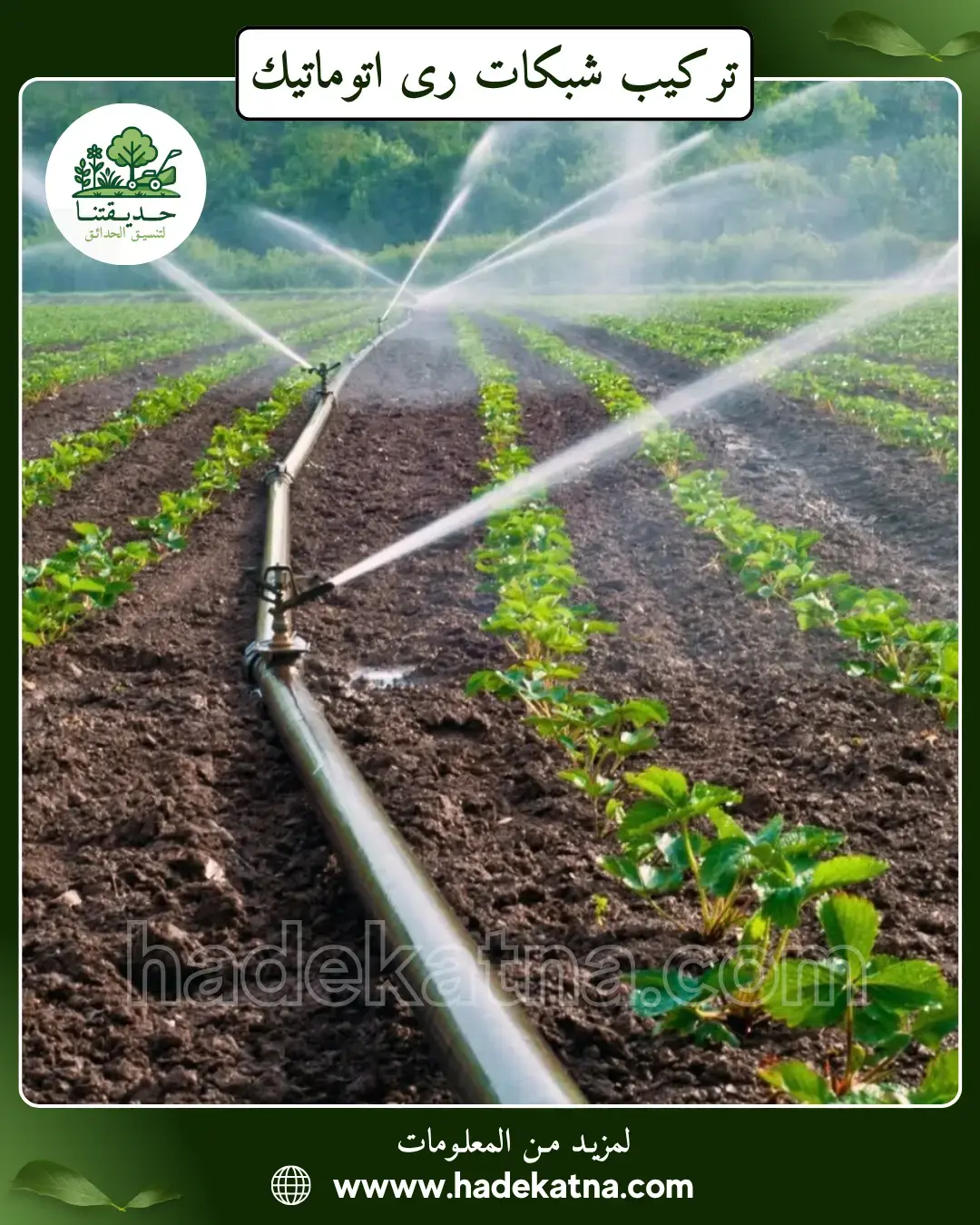
Manual irrigation systems rely on human intervention to operate and adjust water flow, with users manually opening and closing valves or pumps. Automatic systems, on the other hand, operate through programmed controllers that regulate water quantity and timing without continuous supervision. In terms of efficiency, automatic systems offer more precise water distribution, preventing waste and maintaining soil moisture levels, while manual systems may result in under- or overwatering, especially if the user lacks expertise. Manual irrigation is cheaper and easier to install, making it suitable for smaller areas or limited budgets. Automatic systems require higher initial investment in controllers and sensors but save time and resources in the long run. Practically, automatic systems are more suitable for Kuwait’s environment, while manual systems require constant human presence. Ultimately, the choice depends on whether the user prioritizes upfront cost savings or long-term efficiency and convenience.
Differences Between Manual and Automatic Irrigation Systems in Kuwait
The key difference lies in operation. Manual systems rely entirely on human input to control valves and pumps, while automatic systems function through smart controllers programmed in advance. Regarding water use, automatic systems are more efficient as they use soil moisture sensors or timers to deliver only the required amount of water, while manual systems often lead to excess consumption due to lack of control. Maintenance is simpler for manual systems but more frequent, as misuse or human error can cause breakdowns. Automatic systems require specialized technicians but are less prone to random failures. Cost-wise, manual systems are cheaper at the start but may cost more over time due to higher water use and labor. Automatic systems, though more expensive initially, provide significant savings in water and energy. Thus, automatic systems are better for large farms or gardens needing precision, while manual systems remain practical for smaller projects or tight budgets.
Why Do Kuwaitis Prefer Installing Manual Irrigation Systems for Chalets?
Advantages of Automatic Irrigation Systems in Kuwait
Automatic irrigation systems offer significant water conservation, using timers and sensors to measure soil moisture and plant needs, preventing both over- and underwatering. This is crucial in Kuwait, where water is scarce. These systems also allow full control over irrigation schedules, ensuring plants remain healthy even during travel or busy periods. They save time and labor by operating without constant supervision and can often be controlled remotely via smartphones. Automatic irrigation also reduces risks of fungal diseases caused by excess water, keeping soil and plants healthier. While installation costs are higher, the long-term benefits in reduced labor, lower water bills, and healthier plants make them an ideal investment for large gardens and farms.
Disadvantages of Manual Irrigation Systems in Kuwait
Manual systems rely entirely on human input, making them prone to errors that can cause plants to dry out or be overwatered. Water distribution is often uneven, leading to inconsistent plant growth. In Kuwait’s hot climate, these systems are impractical, requiring daily attention that is difficult to maintain. They also consume large amounts of water due to lack of precision, resulting in high bills and waste of resources. Frequent maintenance is needed to repair worn valves or pumps caused by constant use. While cheaper to install, manual systems can become more costly over time due to water waste and labor requirements, making them less efficient for long-term use.
Best Automatic Irrigation Systems in Kuwait
The best systems are those that balance high efficiency with adaptability to Kuwait’s climate. They include smart controllers and soil moisture sensors that adjust water flow precisely according to plant needs. Durable materials resistant to high heat and sunlight are essential features. Many modern systems allow remote control through apps, giving flexibility to users. Leading companies in Kuwait also provide drip and precision spraying systems that save up to 50% more water compared to traditional methods. Therefore, the best automatic systems are those that combine modern technology, durability, and true water-saving capability.
Manual Irrigation Systems for Gardens in Kuwait
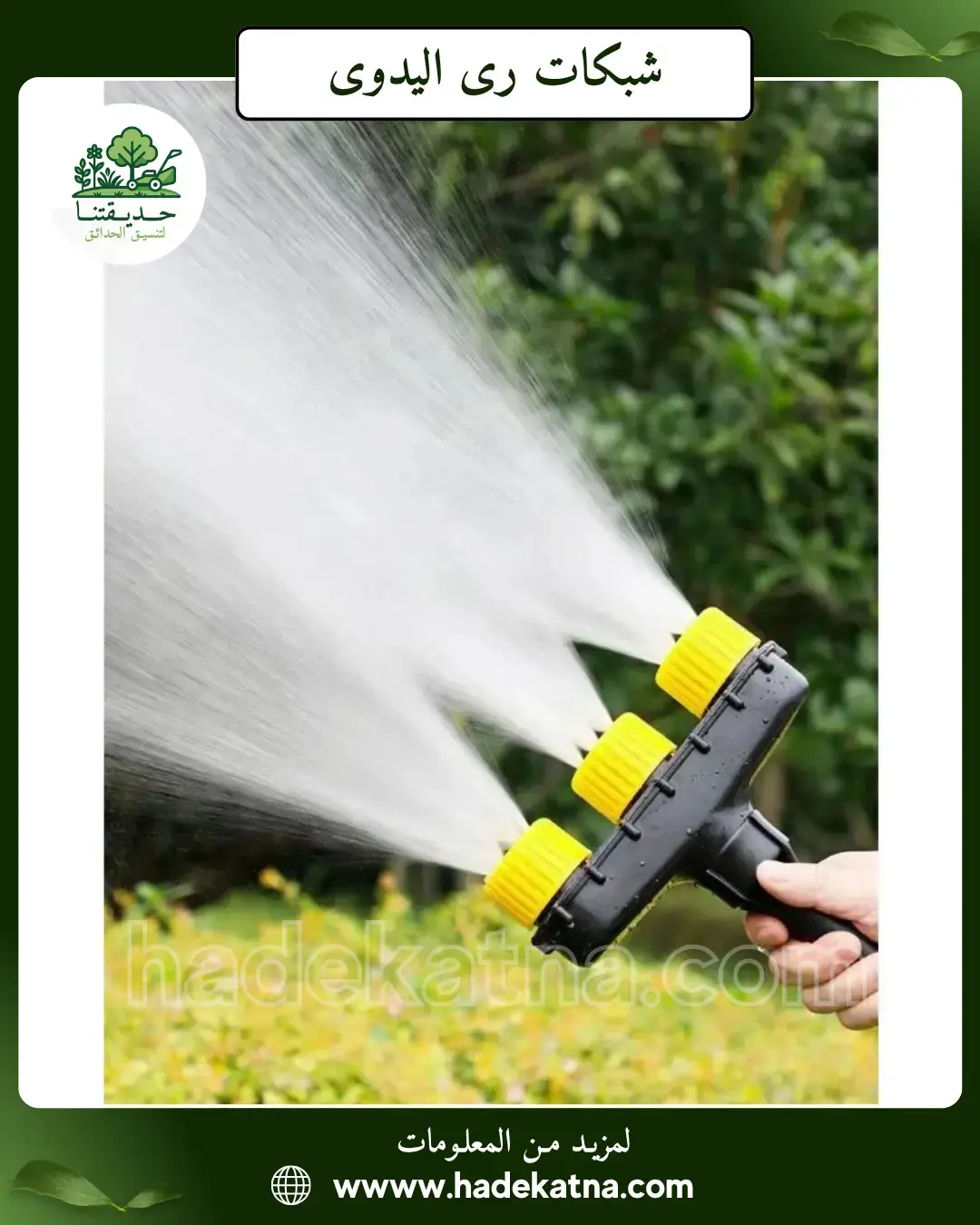
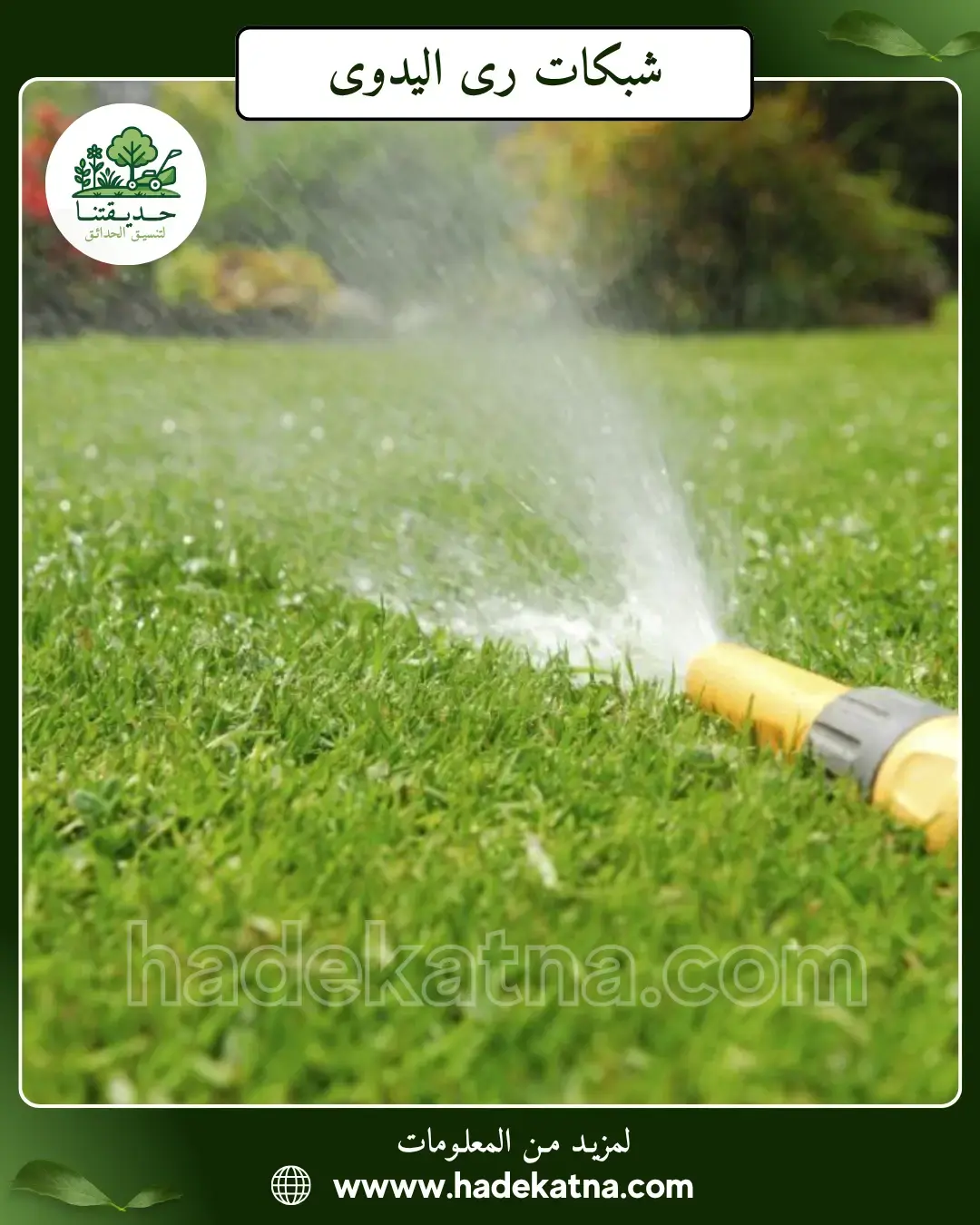
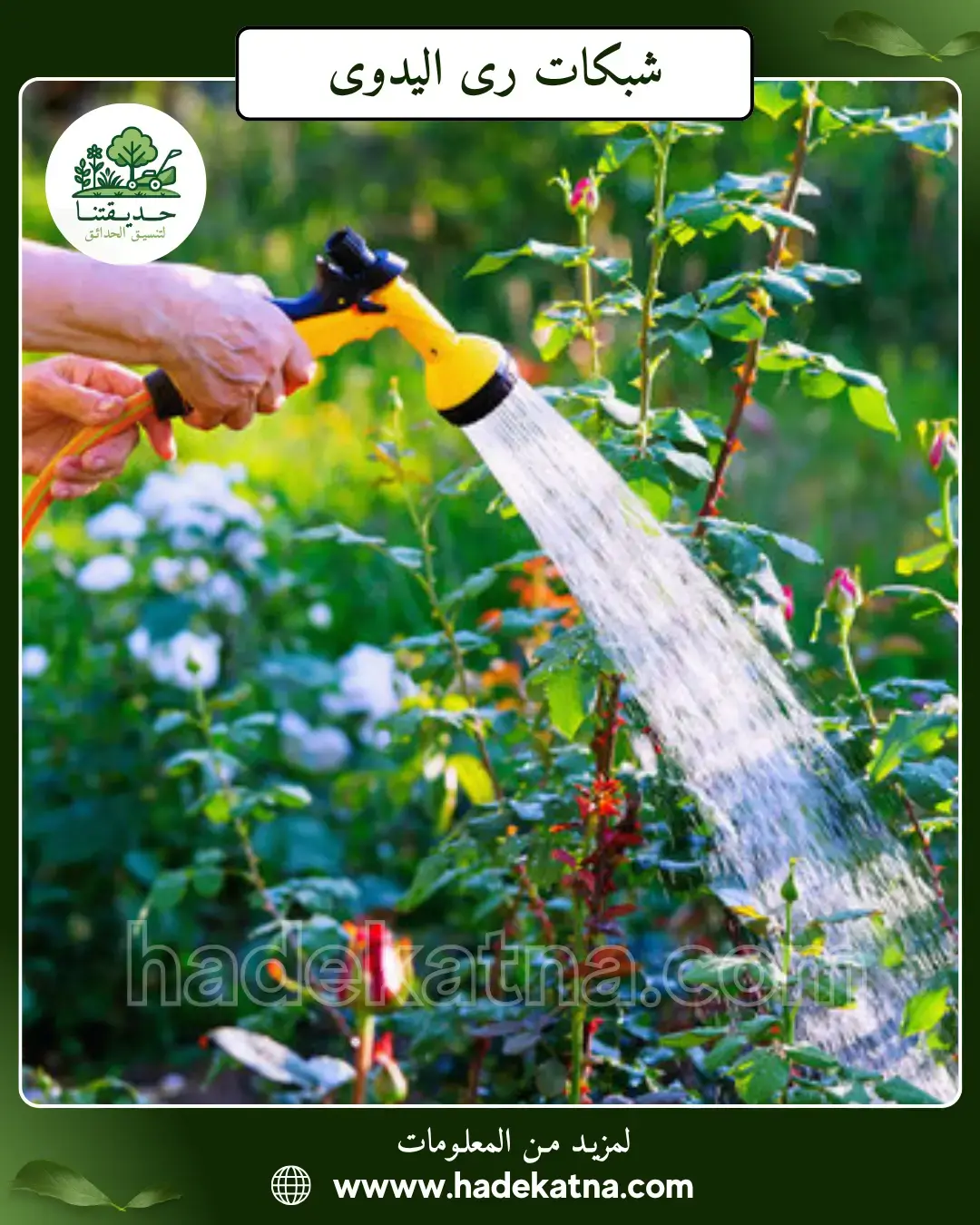
Despite the availability of advanced systems, manual irrigation is still used in many home gardens due to its simplicity and low cost. It typically consists of hoses or basic pipes connected to a water source, with the user manually controlling flow. Its advantages include quick installation and no need for complex devices. However, it often results in uneven water distribution, leading to dry spots or waterlogging. Manual systems may suit small gardens or homeowners who can monitor irrigation closely, but they are inefficient for larger areas, especially in Kuwait’s climate, where daily precision is required.
Automatic Irrigation Systems for Farms in Kuwait
For large farms, automatic irrigation is the most efficient solution. These systems cover vast areas accurately, using controllers, sensors, and carefully designed pipe networks. They provide smart water management, programming irrigation schedules according to crop needs, improving plant health and productivity. They significantly reduce labor, as a single technician can oversee the system via control panels or mobile apps. They save over 40% of water compared to manual systems, making them crucial for Kuwait’s limited water resources. Though costly to install, their long-term savings in water and labor make them economically viable for commercial farming.
Benefits of Smart Irrigation and Its Impact on Water Conservation in Kuwait
Prices of Manual Irrigation Systems in Kuwait
Manual irrigation systems are cheaper upfront than automatic ones, making them attractive for small projects or homeowners seeking quick solutions. Costs depend on garden size, pipe length, and pump strength. Small home gardens may cost only a few dinars, while larger spaces require more materials and higher costs. However, their long-term costs are higher due to water waste and daily labor needs. Extremely low installation prices often compromise quality, leading to frequent repairs. Clients should consider both initial price and long-term operating costs to assess true value.
Prices of Automatic Irrigation Systems in Kuwait
Automatic systems cost more initially due to advanced equipment and specialized installation. Prices vary depending on project size, system sophistication, and components such as controllers, pumps, and sensors. Some companies in Kuwait offer bundled packages including installation and initial maintenance. While higher costs may seem prohibitive, savings in water and labor, along with improved plant health, make them worthwhile investments. Clients should evaluate prices as long-term returns on investment, not just immediate expenses.
Installation of Automatic Irrigation Systems in Kuwait
Installation requires expertise, beginning with site assessment of soil, plant types, and garden size. Pipes are laid out strategically, with sprinklers or drip points installed for even coverage. Controllers, pumps, and sensors are calibrated for efficiency. Small gardens may take only hours to set up, while farms require days or weeks. Expert installation ensures fewer leaks or malfunctions and usually comes with warranties. Some companies also provide training for clients or remote-control options via smartphones. Overall, professional installation ensures reliable, sustainable water management in Kuwait’s climate.
Installation of Manual Irrigation Systems in Kuwait

Manual system installation is simpler and faster, involving hoses, basic pipes, and manual valves. It requires no advanced devices, making it budget-friendly. In small gardens, installation takes little time and cost. Larger areas, however, require extensive pipes and manual adjustments, increasing labor. Though easy to set up, manual systems depend heavily on constant human monitoring. Frequent leaks and uneven distribution are common issues. Thus, manual systems are suitable for temporary or budget-limited use but not long-term sustainability.
Maintenance of Automatic Irrigation Systems in Kuwait
Automatic systems need regular maintenance to ensure accuracy. Controllers and timers are checked, sensors are calibrated, and pipes or drip points are inspected for blockages or leaks. Specialized technicians usually handle repairs. Many companies in Kuwait offer scheduled maintenance packages, providing peace of mind for clients. Though less prone to random breakdowns, automatic systems require expert attention when issues arise. Regular maintenance ensures consistent water conservation, healthier plants, and long-term savings.
Maintenance of Manual Irrigation Systems in Kuwait
Manual systems require more frequent maintenance due to human reliance. Common issues include hose leaks, faulty valves, and uneven water flow. Cleaning pipes to remove blockages is necessary. The lack of precision often results in daily monitoring and adjustments. For small gardens, this is manageable, but larger projects demand significant labor. While simpler, manual systems require ongoing commitment, making them less practical in Kuwait’s climate.
Irrigation Experts in Kuwait
Experts play a critical role in ensuring effective system design and installation. They assess soil, space, and plant types to recommend suitable methods, whether drip, spray, or hybrid systems. They prepare detailed plans, select materials, and optimize water pressure for efficiency. Their services often include installation, maintenance, and client training, with warranties for added assurance. Experts also suggest innovative solutions, such as weather-based systems or water-saving technologies. Hiring experts in Kuwait is a smart investment, ensuring durable and efficient irrigation systems.
Water Conservation with Automatic Irrigation Systems in Kuwait
Water conservation is vital in Kuwait, and automatic irrigation systems are designed to achieve it. These systems use drip irrigation, precision spraying, timers, and moisture sensors to deliver only the required water. They eliminate waste from random watering, distribute evenly, and adjust schedules by plant type. They can reduce water use by 40–60% compared to manual methods. Beyond financial savings, they support environmental sustainability by reducing groundwater depletion. Investing in automatic systems not only provides convenience but also contributes to responsible water use and long-term resource protection.
FAQs
1. What is the main difference between manual and automatic irrigation systems? Manual systems rely on human operation, while automatic systems use controllers and sensors to regulate water distribution without constant supervision.
2. Do automatic systems save money in the long term? Yes, despite higher initial costs, they reduce water use and labor, providing significant savings over time.
3. Can automatic systems be installed in small home gardens? Yes, simple systems can be installed in small spaces, with the option to expand later, offering convenience and efficiency.
4. What are the main disadvantages of manual systems? They require daily monitoring, consume more water, lack precision, and need frequent maintenance due to human errors.
5. How should I choose between manual and automatic systems? The choice depends on budget and project size. Manual systems suit small, low-budget projects, while automatic systems are better for larger projects seeking efficiency and sustainability.
Conclusion
Irrigation systems form the backbone of gardens and farms in Kuwait, where extreme heat and limited water create unique challenges. Comparing manual and automatic systems shows that both have pros and cons. Manual systems are cheaper and simpler but consume more water and require constant effort, while automatic systems rely on technology to deliver precise irrigation, saving resources and ensuring plant health. Choosing between the two is a long-term investment decision, influenced by budget, project size, and sustainability goals. Relying on experts for installation and maintenance ensures efficiency and reduces future problems. Ultimately, automatic irrigation systems are the better choice for most cases in Kuwait, not only for their convenience but also for their role in conserving one of the country’s most vital resources: water.


