

Solutions for Sand and Dust Buildup in Irrigation Systems Kuwait
Irrigation systems are among the most important elements that maintain garden health and support continuous plant growth. However, in Kuwait, these systems face a common challenge due to the desert environment and the high amount of sand and dust.
Over time, dust and sand may enter pipes, filters, and irrigation components, causing problems such as weak water pressure, clogged emitters, and blocked sprinklers.
Understanding solutions for sand buildup in irrigation systems helps homeowners and farm owners maintain system efficiency and reduce repeated failures.
Proper maintenance is not limited to cleaning the problem after it happens. It also includes prevention, regular inspection, and protecting the irrigation system to ensure that water reaches all garden areas effectively.
A well-maintained irrigation network saves water, protects plants, and improves the overall performance of the landscape.
Sand Buildup in Irrigation Systems and Its Causes and Effects on Performance
Sand buildup in irrigation systems is one of the most common problems affecting gardens and farms in Kuwait due to the desert climate and environmental conditions that allow sand and dust to enter water sources or different parts of irrigation networks.
A homeowner may first notice that some plants are weaker than usual or that water is not reaching all areas with the same strength. In many cases, the reason is related to sand accumulation inside parts of the irrigation system.
Modern irrigation systems depend on accurate water distribution through emitters and sprinklers. Therefore, even small amounts of debris can affect performance, especially in small outlets with narrow openings.
Through practical experience in maintaining irrigation systems in Kuwait, the problem usually does not begin with complete blockage. Instead, it appears gradually through reduced water pressure or uneven irrigation between different areas.
One of the main causes of sand and dust entering irrigation systems is poor filter quality, lack of regular filter cleaning, or using a water source containing high levels of impurities.
Some systems installed without proper planning for local environmental conditions are more likely to experience problems because filter selection and pipe sizing should match the surrounding conditions.
Sand accumulation does not only affect water flow. It can also increase pressure in certain parts of the system, creating additional stress on pipes and connections over time.
Sand inside pipes can also make maintenance more complicated because the problem may spread from one section of the network to another.
Therefore, dealing with sand buildup in irrigation systems should begin by identifying the main cause rather than only cleaning the visible problem area.
Preventive maintenance and regular inspection of filters and pipes help reduce blockages and maintain irrigation efficiency for a longer period.
Important points about sand buildup in irrigation systems:
-
Kuwait’s desert environment increases the possibility of sand and dust entering irrigation networks.
-
Poor filtration and neglected cleaning are major causes of debris accumulation.
-
Early detection prevents larger irrigation system failures.
Cleaning Irrigation Systems from Sand and the Best Way to Remove Deposits
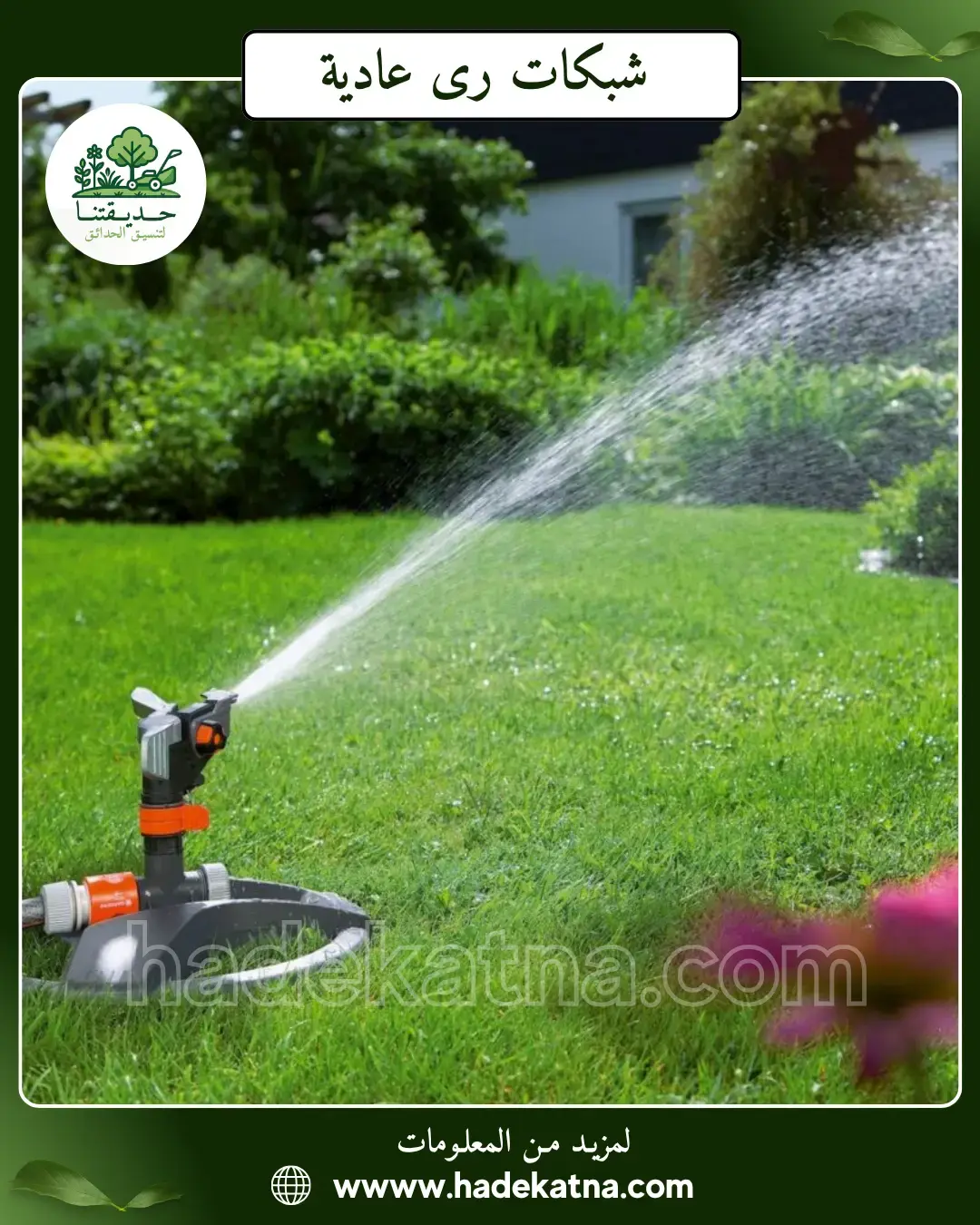
Cleaning irrigation systems from sand is an essential step for maintaining system efficiency, especially when noticing weak water flow or uneven irrigation distribution throughout the garden.
Sand entering the system may collect in different areas such as filters, main pipes, emitters, or sprinkler heads. Therefore, proper cleaning requires a complete inspection rather than simply running water for a short time.
A common mistake among some garden owners is increasing water pressure to remove blockages. However, this may not solve the actual problem and could create additional stress on system components.
The correct process begins with checking and cleaning the filter, then ensuring that water flows normally through the irrigation lines.
Through practical experience with irrigation systems in Kuwait, cleaning methods vary depending on the system type. Drip irrigation systems require more attention because emitters contain very small water openings.
Pipe flushing also helps remove deposits that accumulate inside long irrigation lines over time.
The end sections of irrigation lines should also be inspected because they are often areas where sand collects due to reduced water movement.
Regular cleaning not only maintains water pressure but also helps plants receive the correct amount of irrigation and prevents dry areas from developing.
It also reduces water waste because an efficient irrigation system does not require extended operation times to compensate for poor distribution.
Therefore, cleaning irrigation systems from sand is an essential part of garden maintenance and should not only be performed after complete blockage occurs.
The best results come from creating a suitable cleaning schedule based on location conditions and the amount of dust and sand exposure.
Important points about cleaning irrigation systems from sand:
-
Cleaning should include filters, pipes, and water outlet points.
-
Increasing water pressure is not always the solution for blockage problems.
-
Regular maintenance maintains balanced water distribution.
Irrigation System Blockage from Dust and Its Effect on Water Distribution Efficiency
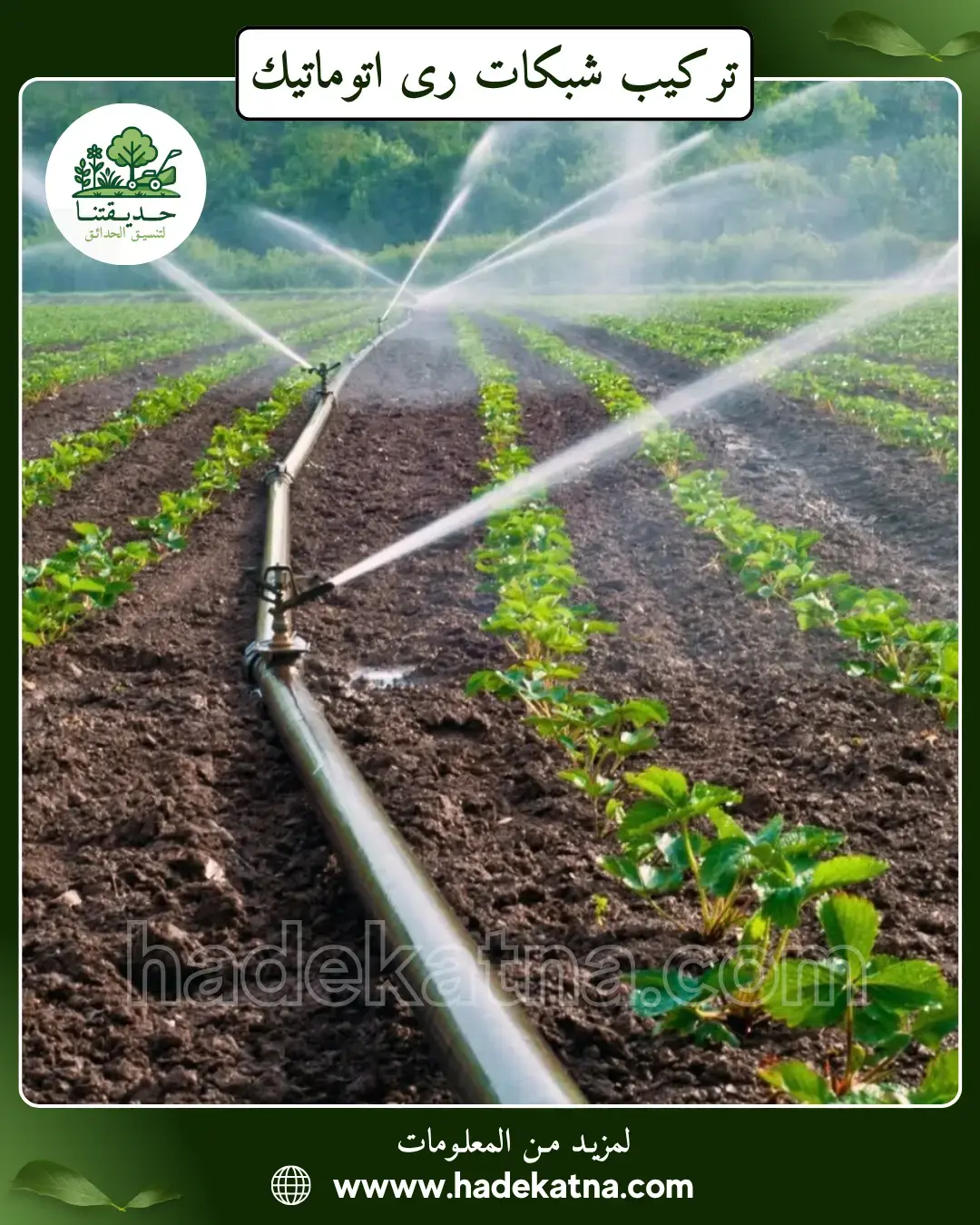
Irrigation system blockage from dust is a problem that can directly affect plant health because accumulated dust prevents water from reaching all garden areas efficiently.
In Kuwait, gardens are exposed to large amounts of dust, especially during windy periods, making filters and irrigation networks require continuous monitoring.
When dust enters the system, it gradually collects inside filters, pipes, sprinkler heads, and emitters.
At first, homeowners may not notice the issue clearly, but over time signs begin to appear, such as weak plant growth or dry sections in green areas.
Through practical experience, one of the biggest mistakes is waiting until the entire system stops working before performing maintenance because gradual performance reduction is an early warning sign that can be treated easily.
Dust blockage can also cause uneven water distribution, where some areas receive excessive water while others suffer from insufficient irrigation.
Continuous blockage may increase pressure on pumps and system components, leading to additional failures.
The best solution begins with regular inspection, filter cleaning, and checking water distribution efficiency.
A suitable filtration system should also be selected according to environmental conditions because gardens located in sandy areas require stronger protection against dust.
Therefore, solving irrigation system blockage from dust is not only about cleaning but also about improving system protection against future contamination.
Important points about irrigation system blockage from dust:
-
Dust accumulation reduces irrigation distribution efficiency.
-
Gradual irrigation weakness is an early sign of blockage.
-
Proper filtration reduces future system problems.
Clogged Irrigation Emitters and Why Water Stops Reaching Plants
Clogged irrigation emitters are among the most common problems affecting drip irrigation systems, especially in Kuwait gardens and farms, because emitters depend on very small openings that release controlled amounts of water, and even small particles can affect their performance.
When emitters start becoming clogged, the problem may not be obvious at first. However, over time, some plants begin to weaken because they do not receive the required amount of water.
One of the signs of clogged irrigation emitters is uneven plant growth in the same area, where some plants remain healthy while others suffer from dryness.
Homeowners may also notice weak water flow from certain emitters or complete stoppage compared with other outlets.
The main causes of emitter blockage include sand and dust accumulation inside the irrigation network, mineral deposits in the water source, or irregular filter cleaning.
Through practical experience in maintaining irrigation systems in Kuwait, cleaning emitters randomly without addressing the actual cause usually leads to the problem returning again.
Therefore, the filter should be inspected first and the filtration efficiency should be checked before replacing or repairing emitters.
Choosing high-quality emitters suitable for the water conditions helps reduce future blockage problems because some types are more resistant to clogging.
Preventive maintenance is the best solution, including regular system inspection and cleaning before the issue begins affecting all plants.
Proper water distribution also reduces water consumption and helps maintain healthier root systems.
Therefore, dealing with clogged irrigation emitters early preserves system efficiency and prevents plant loss caused by insufficient irrigation.
Important points about clogged irrigation emitters:
-
Reduced or stopped emitter flow indicates a problem requiring inspection.
-
Filter maintenance is the most important step to prevent repeated blockage.
-
Selecting suitable emitters according to water quality reduces failures.
Blocked Irrigation Sprinklers and Causes of Weak Water Distribution
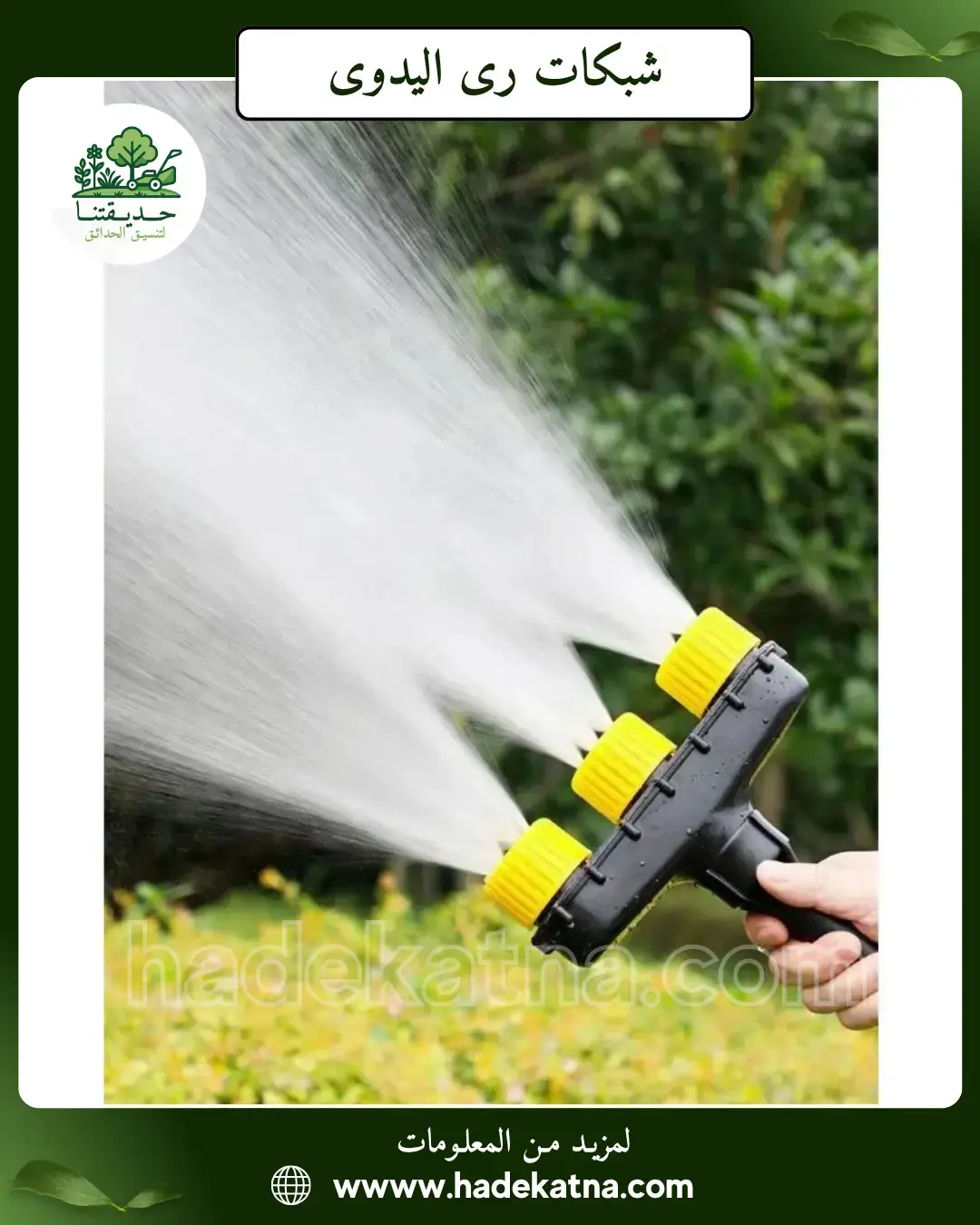
Blocked irrigation sprinklers are common problems in gardens that depend on sprinkler irrigation systems because sand and dust accumulation can reduce sprinkler performance and prevent proper water coverage.
Sprinklers require clear internal pathways for water flow, so any debris entering the system may affect spraying strength and direction.
Clear signs of blocked sprinklers include weak water spray, failure of sprinkler rotation, or dry areas in the garden despite the irrigation system being active.
In some cases, the sprinkler continues working but with a shorter spray range, causing incomplete coverage of green areas.
Through practical experience in Kuwait garden maintenance, many sprinkler problems begin due to neglected filter cleaning or lack of regular system inspection.
Sand inside pipes can continuously transfer debris to sprinklers even after cleaning individual units.
Therefore, the problem should be solved from its source rather than only cleaning the affected sprinkler.
Important maintenance steps include cleaning filters, flushing irrigation lines, and inspecting all sprinklers to ensure equal performance.
Water pressure should also be checked because low pressure may create symptoms similar to blockage.
Selecting quality sprinklers suitable for garden requirements helps reduce failures and improves irrigation efficiency.
Therefore, solving blocked irrigation sprinklers requires a complete system inspection rather than simply replacing a single damaged sprinkler.
Important points about blocked irrigation sprinklers:
-
Weak spray or changed water direction may indicate blockage.
-
Cleaning the sprinkler alone may not solve the source of the problem.
-
Checking pressure and filters helps solve the issue completely.
Irrigation Pipe Flushing and Its Importance for Removing Sand Deposits
Irrigation pipe flushing is an important maintenance procedure for irrigation systems, especially after long periods of operation or when repeated water distribution problems appear.
Over time, sand, minerals, and debris may accumulate inside pipes, reducing water flow efficiency and affecting emitter and sprinkler performance.
Many garden owners focus only on cleaning filters, but some deposits remain inside irrigation lines and require proper flushing to remove.
Through practical experience with irrigation networks in Kuwait, pipe flushing is especially important when restoring older systems or when continuous performance problems occur.
The flushing process helps remove accumulated deposits from inside pipes and improves water movement throughout the system.
It also helps identify other issues such as leaks or weak pipe connections.
Regular flushing should be performed according to location conditions, especially in areas exposed to high levels of sand and dust.
A good filtration system reduces the need for frequent flushing operations.
Ignoring pipe cleaning may lead to repeated blockages even when emitters and sprinklers are cleaned regularly.
Therefore, irrigation pipe flushing is an essential part of preventive maintenance that preserves system efficiency.
Important points about irrigation pipe flushing:
-
Internal deposits can affect irrigation performance even with clean filters.
-
Regular flushing improves water movement inside pipes.
-
It helps discover hidden irrigation system problems.
Irrigation Filter Maintenance and Its Role in Preventing Sand and Dust Entry
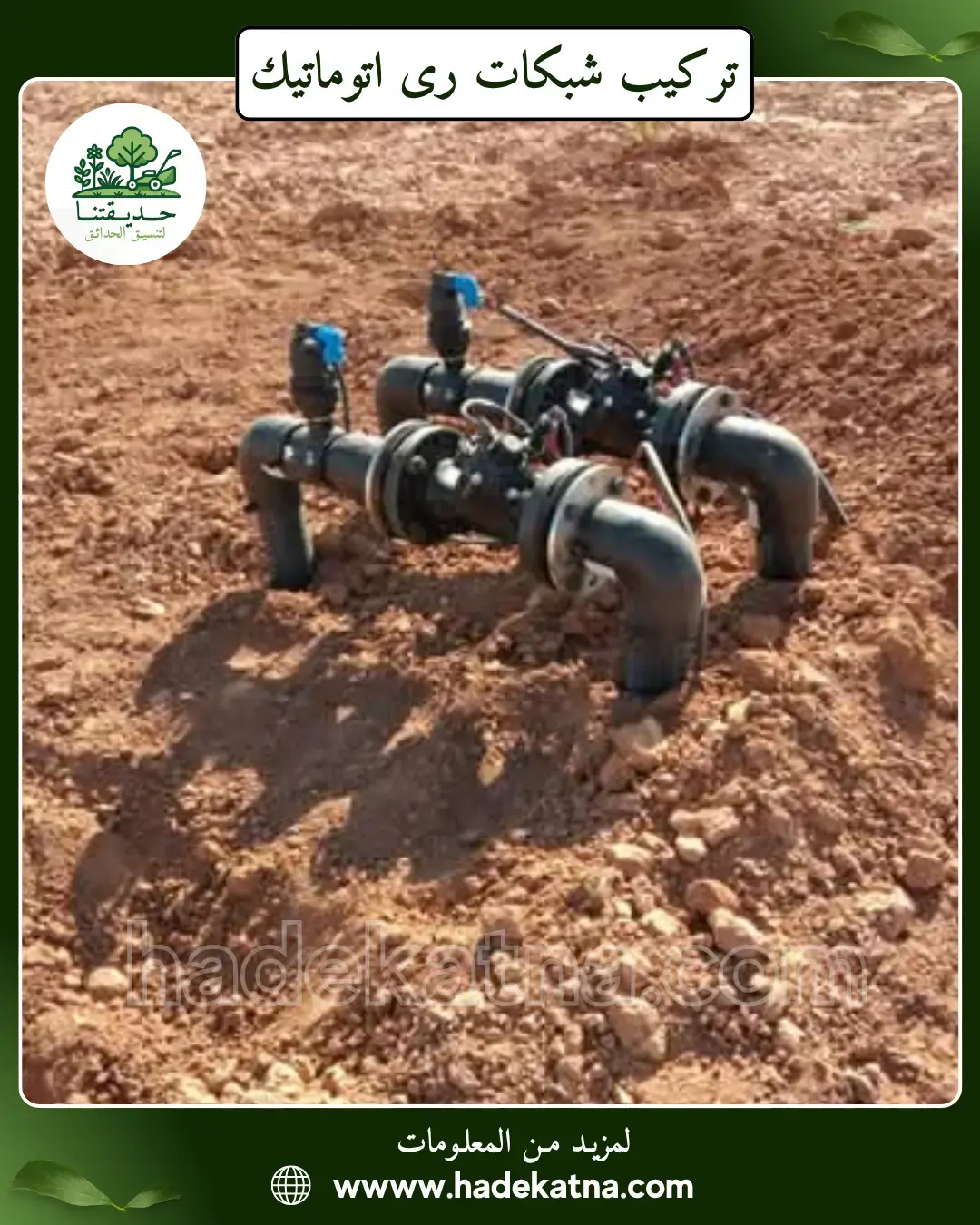
Irrigation filter maintenance is one of the most important steps for protecting irrigation systems because filters act as the first defense against sand, dust, and debris entering pipes, emitters, and sprinklers.
When filters are not cleaned regularly, sand accumulates inside them, reducing water flow capacity and affecting system pressure.
Signs that a filter requires maintenance include reduced water pressure or noticing that some garden areas are not receiving enough irrigation.
Through practical experience in Kuwait irrigation maintenance, many irrigation failures can be significantly reduced simply by maintaining and monitoring filters properly.
The correct filter type should be selected according to the water source and system requirements because some environments require stronger filtration due to high sand levels.
Filter maintenance does not only mean removing visible dirt. The filter components should also be checked to ensure there is no damage affecting performance.
Neglecting filters allows sand to move into other parts of the system, creating larger problems that require more time and higher costs to repair.
Therefore, irrigation filter maintenance is a simple investment that protects the entire irrigation network and maintains efficient operation.
Important points about irrigation filter maintenance:
-
Filters prevent sand from reaching sensitive irrigation components.
-
Regular cleaning reduces blockage problems.
-
Choosing the correct filter improves overall system performance.
Weak Irrigation Pressure Due to Sand and Reasons Behind Reduced Water Flow
Weak irrigation pressure due to sand is one of the signs that indicates a problem requiring inspection because water pressure is an essential factor in ensuring that irrigation systems operate efficiently and deliver water to all garden or farm areas.
When sand accumulates inside filters, pipes, or water outlets, it reduces the available space for water movement and affects the flow strength throughout the network.
Garden owners may notice that some sprinklers no longer work with the same strength as before or that certain areas receive less water than usual.
In some cases, pressure weakness develops gradually, making the problem difficult to identify. Some homeowners assume the issue is related to the pump or water source, while the actual cause is sand buildup inside the irrigation system.
Through practical experience in Kuwait irrigation maintenance, diagnosing pressure problems requires checking multiple parts, starting from the water source, moving through filters, and ending with distribution lines.
A filter filled with sand can be a direct reason for pressure reduction. Blocked sections of pipes also create resistance that limits water movement.
Sand accumulation at the end sections of irrigation lines may also reduce water delivery to distant garden areas.
One common mistake is replacing the pump immediately when pressure decreases without inspecting the irrigation network first because the actual issue may only require cleaning and maintenance.
Therefore, dealing with weak irrigation pressure due to sand should begin by locating the blockage and treating the real cause.
Regular system inspection, filter cleaning, and pipe flushing help maintain suitable water pressure and reduce unexpected failures.
Important points about weak irrigation pressure due to sand:
-
Low pressure may result from blockage rather than pump weakness.
-
Inspecting filters and pipes helps identify the actual cause.
-
Regular cleaning maintains proper water flow throughout the system.
Preventing Irrigation Emitter Blockage and the Best Ways to Protect the System from Sand
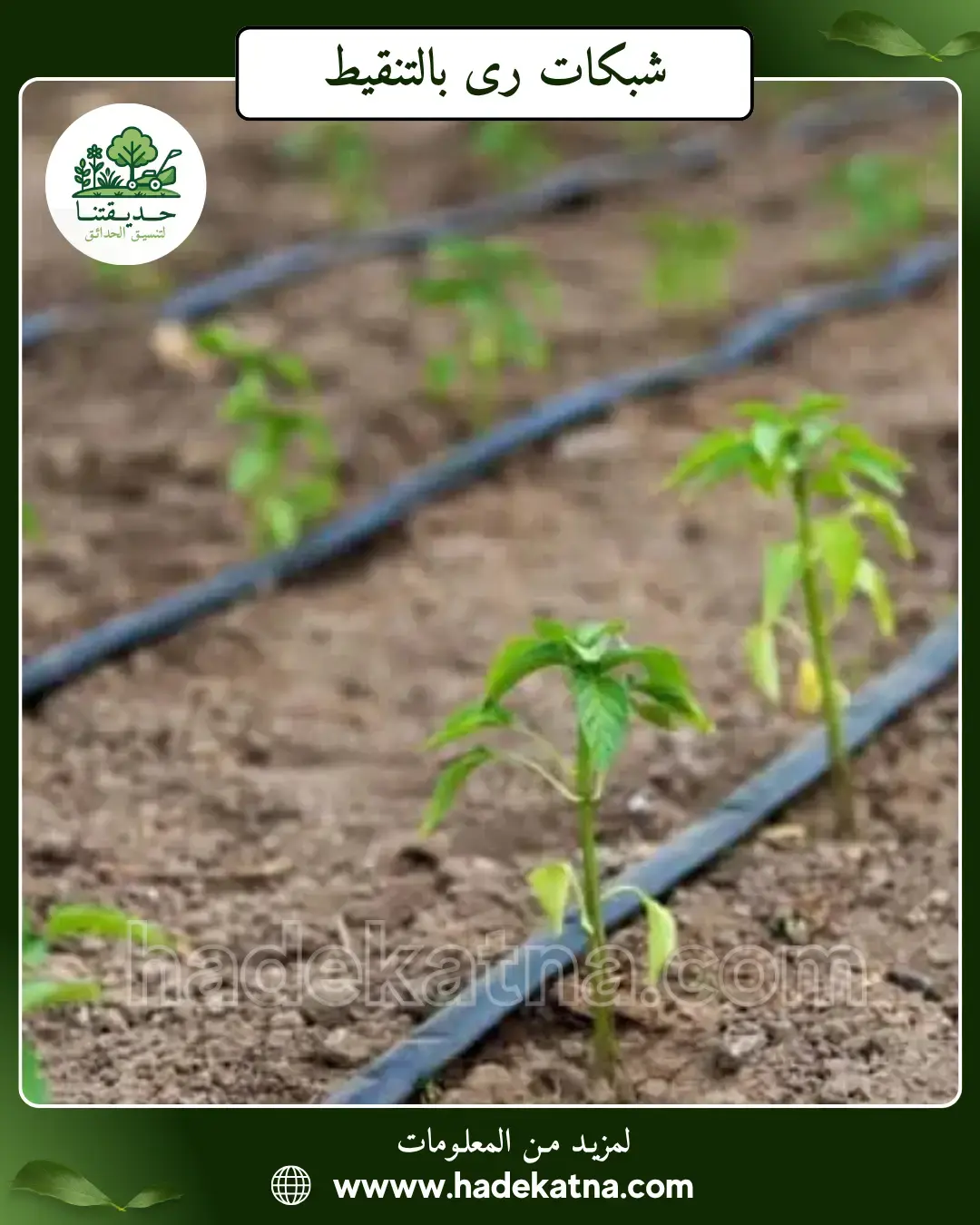
Preventing irrigation emitter blockage is better than waiting for problems to occur because emitters are among the most sensitive parts of irrigation systems due to their small water outlets.
When sand and dust are prevented from entering the system from the beginning, repair needs are reduced and irrigation efficiency remains stable for a longer period.
One of the most important prevention methods is using a suitable filter and cleaning it regularly because proper filtration prevents most debris from reaching irrigation lines.
High-quality emitters should also be selected, especially in areas with high sand exposure or water sources that contain impurities.
Through practical experience with Kuwait irrigation systems, most blockage problems can be significantly reduced through a simple and consistent maintenance program.
Regular pipe flushing is also useful because it removes deposits that may collect inside irrigation lines over time.
The system performance should be monitored continuously because changes in emitter water output are early indicators of potential problems.
Leaks and damaged system components should also be checked because some issues may increase sand entry or affect water distribution.
Proper irrigation system design from the beginning also reduces blockage risks by considering pipe length, emitter numbers, and water distribution methods.
Therefore, preventing irrigation emitter blockage depends on several steps that begin with design and installation and continue through regular maintenance.
Important points about preventing irrigation emitter blockage:
-
Prevention reduces repair costs and extends system lifespan.
-
Filter cleaning and regular flushing are essential protection methods.
-
Monitoring emitter performance helps detect issues early.
Cleaning Irrigation Filter from Sand and the Correct Steps for Maintaining Filtration Efficiency
Cleaning irrigation filter from sand is one of the simplest and most important maintenance tasks for maintaining irrigation efficiency because the filter collects most sand and debris before they reach the rest of the system.
Neglecting filter cleaning causes sand accumulation inside the filter, reducing water flow and affecting overall irrigation pressure.
Signs that the filter needs cleaning include weak water flow, uneven irrigation between areas, or noticing that the pump operates longer than usual to achieve the same results.
Cleaning methods vary depending on the filter type, but the main goal is removing deposits and ensuring that water can pass through easily.
Through practical experience in Kuwait irrigation maintenance, regular filter cleaning is a preventive action that significantly reduces blockage problems.
After cleaning, the filter should also be inspected to ensure that internal parts are not damaged and that filtration performance remains effective.
Cleaning frequency depends on location conditions. Some gardens require more frequent maintenance due to heavy dust and sand exposure.
Monitoring filter condition also helps determine the amount of impurities in the water and allows better decisions regarding system protection.
Therefore, cleaning irrigation filter from sand should not only be performed when problems appear. It should be considered an essential part of regular irrigation maintenance.
Important points about cleaning irrigation filter from sand:
-
A clean filter maintains water pressure and system efficiency.
-
Regular cleaning prevents sand from reaching emitters and sprinklers.
-
Monitoring filter condition improves maintenance planning.
Conclusion
Sand and dust accumulation are among the most common challenges affecting irrigation systems in Kuwait due to the desert environment and high levels of airborne particles. However, proper management and maintenance can preserve system efficiency and reduce failures.
Problems such as sand buildup in irrigation systems, clogged emitters, and blocked sprinklers usually do not appear suddenly. They often develop gradually through signs such as weak pressure or uneven water distribution.
Regular inspection, filter cleaning, pipe flushing, and monitoring system performance are essential steps for maintaining healthy gardens and farms.
Selecting a suitable filtration system and applying preventive maintenance help prevent sand from reaching sensitive components and reduce future repair costs.
In the end, a successful irrigation system is not only about correct installation. It also depends on continuous care and monitoring to ensure efficient operation, save water, and maintain healthy plant growth.
Frequently Asked Questions
Why does sand accumulate inside irrigation systems in Kuwait?
Because of the desert environment and high levels of dust and sand that can enter through water sources or reach different parts of the irrigation network.
How can I know if my irrigation system contains sand or debris?
Signs include weak water pressure, stopped emitters, reduced sprinkler performance, or uneven irrigation between garden areas.
Can irrigation systems be cleaned from sand without replacing pipes?
Yes, in many cases the system can be cleaned through pipe flushing and filter maintenance depending on the condition of the network.
Why do irrigation emitters become clogged repeatedly?
Usually because of sand accumulation, poor filtration, or lack of regular irrigation system maintenance.
How often should irrigation filters be cleaned?
It depends on the amount of dust and sand exposure, but regular inspection helps determine the appropriate cleaning schedule.
Does sand affect irrigation system pressure?
Yes, sand buildup inside filters and pipes reduces water flow and can cause pressure problems.
How can sprinkler blockages be prevented?
By using suitable filters, cleaning them regularly, and performing periodic pipe flushing.
Does irrigation system cleaning save water?
Yes, because a clean system distributes water more efficiently and reduces the need for longer operation times.
Why is irrigation pipe flushing important?
It removes internal deposits, improves water movement, and reduces repeated blockage problems.
Do irrigation systems in Kuwait need regular maintenance?
Yes, because dust, sand, and climate conditions make regular maintenance necessary to preserve system efficiency and lifespan.


