

Benefits of Smart Irrigation and Its Impact on Water Conservation in Kuwait
Water is one of the most important natural resources in Kuwait; however, it is a scarce resource that requires precise management to preserve it, especially under the hot desert climate that increases water consumption in homes, farms, and green spaces. One of the main challenges Kuwait faces is the high rate of water wastage caused by reliance on traditional irrigation systems, which often operate continuously without considering soil or plant needs.
In recent years, modern solutions relying on advanced technology have emerged for irrigation management, most notably smart irrigation systems, which have proven highly effective in conserving water while ensuring healthy plant growth. These systems operate using sensors and advanced software that control water amounts and timing based on multiple factors such as soil moisture, temperature, and crop type. This reduces waste significantly and improves water-use efficiency.
This article highlights the benefits of smart irrigation systems and their impact on water conservation in Kuwait, explaining their key advantages for home gardens and large farms, their role in promoting sustainable agriculture, and reducing excessive water costs. It will also explain how these systems are installed, programmed, and maintained to ensure long-term efficiency.
Benefits of Smart Irrigation Systems in Home Gardens in Kuwait

With high temperatures and limited fresh water, maintaining greenery in homes and villas has become a real challenge in Kuwait. Smart irrigation systems provide significant solutions.
First Benefit: Direct water conservation, thanks to smart sensors that measure soil moisture and provide only the exact water needed.
Second Benefit: Saves time and effort, as the system works automatically with pre-set schedules, reducing the need for manual watering.
Third Benefit: Improves plant growth by providing consistent and balanced watering, keeping grass, trees, and flowers healthy all year.
Fourth Benefit: Prevents problems of traditional irrigation such as surface flooding or dry patches, distributing water evenly across the garden.
Fifth Benefit: Reduces water bills by up to 40% compared to traditional irrigation methods.
Sixth Benefit: Remote control through smartphone applications, allowing homeowners to manage watering even while traveling.
Together, these benefits make smart irrigation an ideal choice for Kuwait’s home gardens, balancing natural beauty with water conservation.
The Impact of Smart Irrigation on Water Conservation in Kuwait

Water wastage is a critical issue in Kuwait, where resources are limited, and desalination is costly. Smart irrigation is a strategic solution for reducing consumption.
First Impact: Reduces water loss from random irrigation by automatically stopping once the soil reaches the required moisture.
Second Impact: Adapts to weather conditions through sensors, adjusting irrigation schedules during rainfall or hot weather.
Third Impact: Increases efficiency by directing water straight to roots, minimizing evaporation.
Fourth Impact: Supports sustainable water resources by lowering domestic and garden demand, easing pressure on the national supply.
Fifth Impact: Provides accurate monitoring through monthly reports, helping users improve irrigation habits.
Smart irrigation is not just for convenience but a practical and essential tool for water conservation in Kuwait.
How to Use Smart Irrigation to Reduce Water Waste in Kuwait
Water waste is a major challenge in Kuwaiti gardens and farms. Smart irrigation reduces these losses effectively.
-
Use soil-moisture sensors to ensure irrigation begins only when necessary.
-
Set accurate schedules suited to plant types and Kuwait’s climate conditions.
-
Apply drip irrigation technology to deliver water directly to roots and reduce evaporation.
-
Use remote-control apps to adjust irrigation instantly when weather changes.
-
Integrate weather data systems for automatic adjustments, reducing human error.
These practices make smart irrigation a powerful solution against water waste in Kuwait.
Best Smart Irrigation Technologies for Saving Water in Kuwait
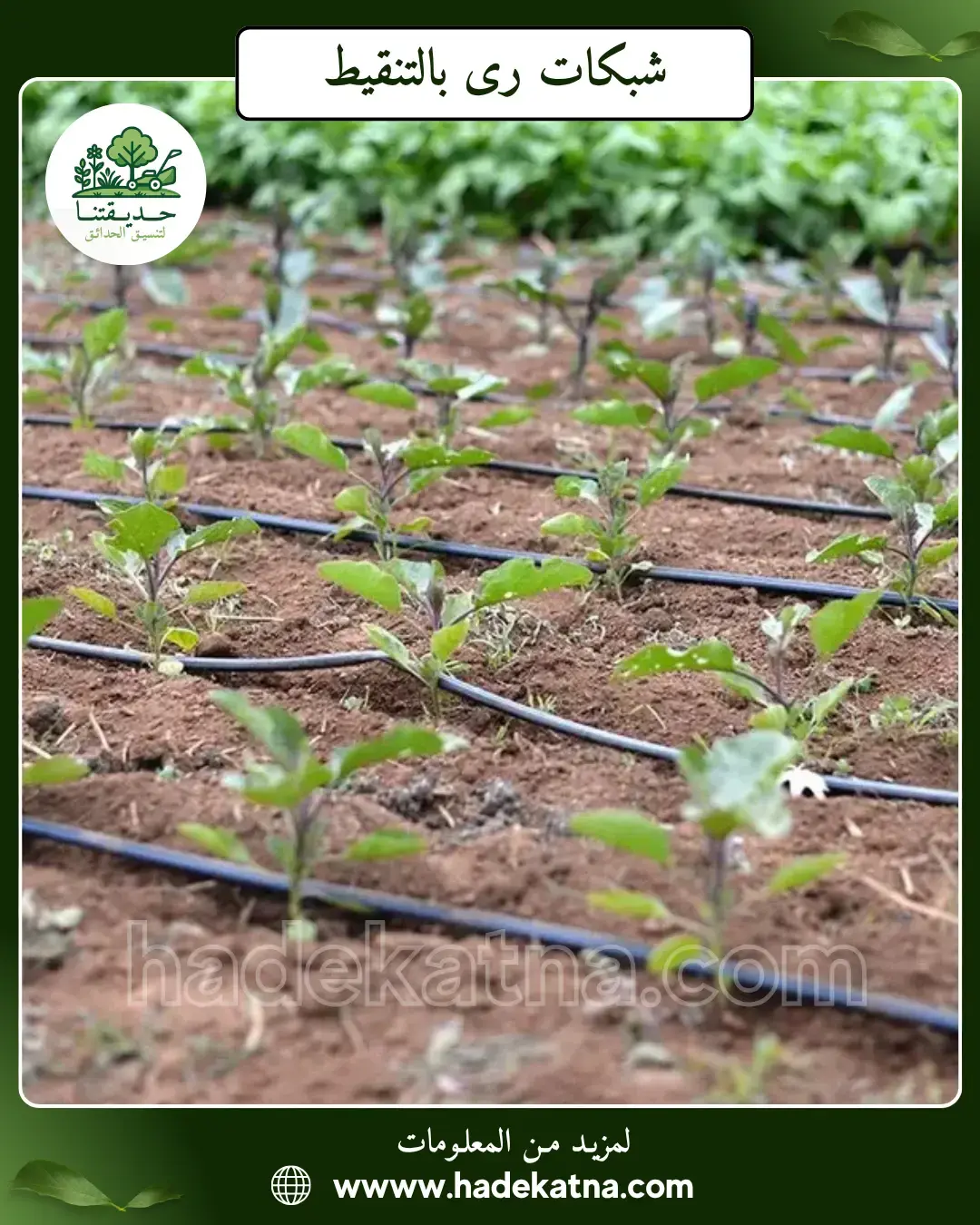
Technological advancements have introduced various tools within smart irrigation systems:
-
Drip irrigation with sensors for precise root-level watering.
-
Smart sprinklers that adjust for wind or rainfall.
-
Smartphone-controlled systems with real-time data.
-
Solar-powered systems that lower electricity costs.
-
Weather-station integrated systems that auto-adjust to temperature, humidity, and wind.
These technologies help save up to 50% of water compared to traditional methods.
The Role of Smart Irrigation in Sustainable Agriculture in Kuwait
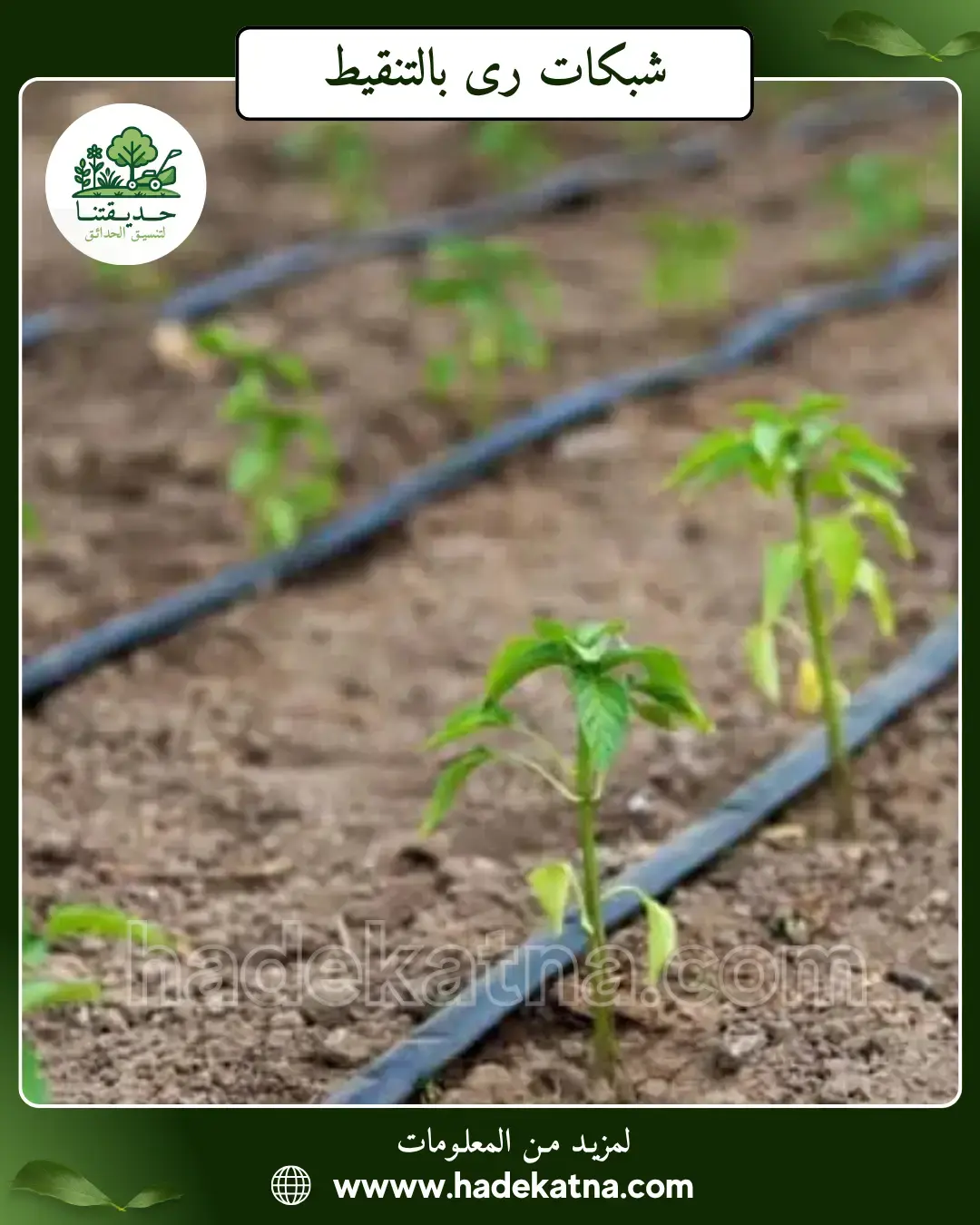
In Kuwait’s arid climate, smart irrigation plays a key role in sustainable farming:
-
Efficient water management prevents waste.
-
Improves crop quality and yield.
-
Reduces energy costs by operating pumps only when needed.
-
Minimizes pollution from runoff carrying fertilizers and chemicals.
-
Supports desert farming by making land reclamation feasible.
-
Aligns with Kuwait’s national sustainability strategies.
Smart irrigation is therefore a cornerstone of sustainable agriculture in Kuwait.
Comparison Between Traditional and Smart Irrigation in Kuwait
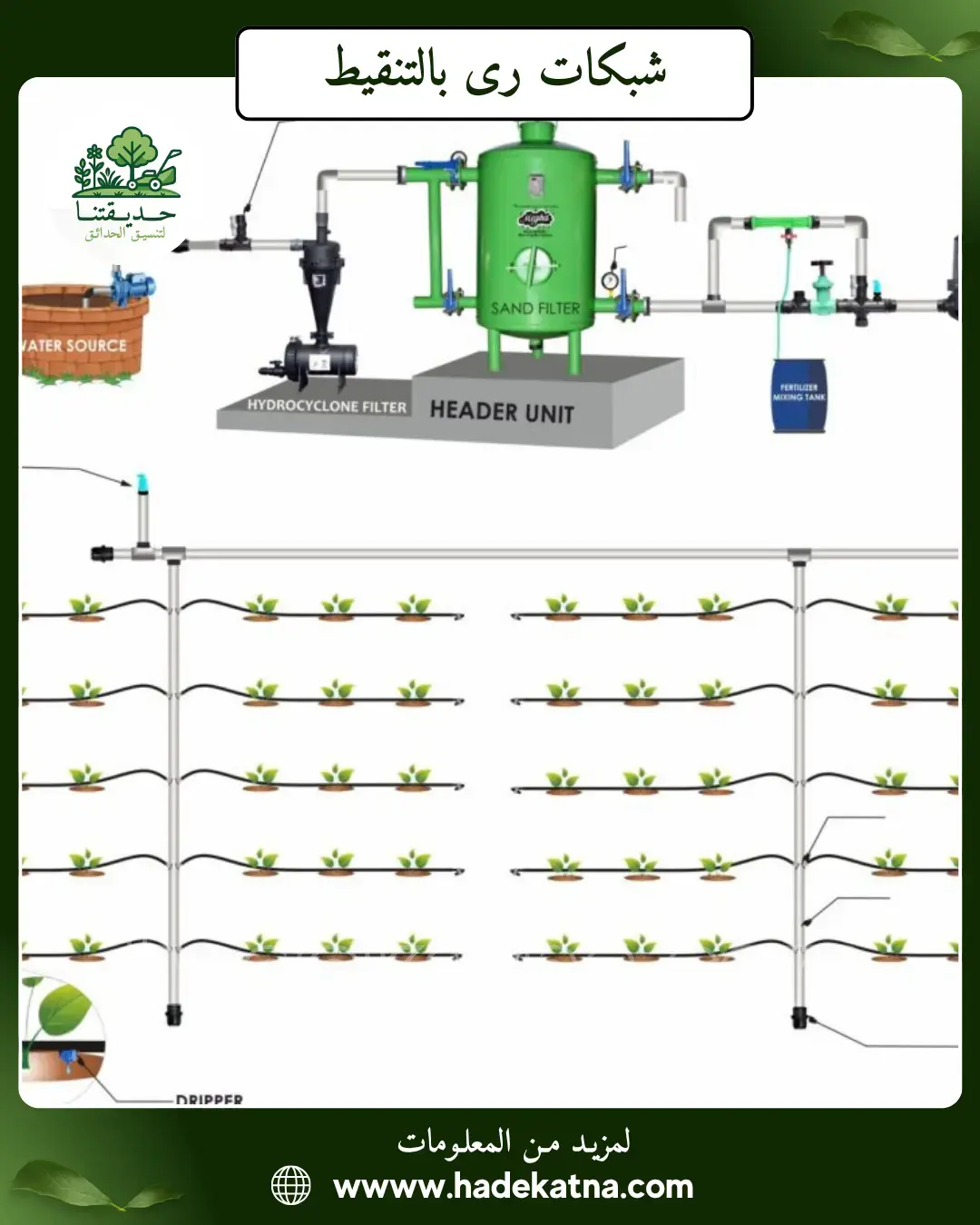
First Difference: Water use – traditional irrigation wastes up to 50%, while smart systems reduce waste dramatically.
Second Difference: Labor – traditional requires constant monitoring; smart systems are automatic.
Third Difference: Climate adaptation – smart irrigation adjusts to rainfall and humidity; traditional does not.
Fourth Difference: Costs – smart systems cut both water and energy bills.
Fifth Difference: Plant health – smart irrigation ensures balanced watering, preventing plant stress.
Switching to smart irrigation in Kuwait is a necessity, not a luxury.
Importance of Smart Irrigation for Farms and Villas in Kuwait
-
Conserves water in large gardens and farms.
-
Saves owners’ time and effort with automation.
-
Increases property value by showcasing modern sustainable systems.
-
Enhances garden aesthetics with healthy plants.
-
Adapts automatically to harsh weather.
-
Reduces monthly bills significantly.
Smart irrigation has become a must-have feature in modern farms and villas.
Smart Irrigation Solutions to Lower Water Costs in Kuwait
-
Soil sensors prevent overwatering.
-
Automatic reduction in humid or rainy days.
-
Equal distribution through drip or smart sprinklers.
-
Monthly consumption reports for monitoring.
-
Solar-powered systems to reduce energy use.
-
Optimized scheduling at cooler hours to reduce evaporation.
These solutions save 30–50% of water costs, making smart irrigation an economic investment.
How to Install Smart Irrigation Systems in Kuwait
-
Simple home setups – small, ready-to-install systems for villas.
-
Professional installation – tailored systems by experts for larger areas.
-
Smart drip irrigation – with automated valves.
-
Integration with sensors for real-time adjustments.
-
App-controlled units for remote management.
-
Solar-powered options suitable for Kuwait’s sunny climate.
Flexible options make smart irrigation suitable for all budgets and spaces.
Advantages of Smart Irrigation for Plant Growth in Kuwait
-
Delivers precise water quantities.
-
Improves nutrient absorption.
-
Reduces fungal diseases.
-
Boosts yields of fruit and vegetable crops.
-
Maintains greenery and beauty.
-
Protects plants from heat stress.
Thus, smart irrigation is not only about saving water but also about healthier, more productive plants.
The Impact of Smart Irrigation on Protecting Water Resources in Kuwait
-
Reduces wastage from evaporation and leaks.
-
Eases pressure on desalination plants.
-
Protects groundwater reserves.
-
Supports national water management strategies.
-
Reduces marine pollution from desalination byproducts.
-
Strengthens environmental sustainability.
Smart irrigation is therefore a national priority for Kuwait’s water future.
How to Program Smart Irrigation Systems Efficiently in Kuwait
-
Set schedules based on plant type and climate.
-
Adjust soil-moisture sensors for accuracy.
-
Link to weather apps for automatic updates.
-
Divide gardens into zones for customized watering.
-
Enable alerts and reports for monitoring.
-
Test and fine-tune settings for Kuwait’s soil and climate.
Proper programming ensures maximum efficiency and savings.
Maintaining Smart Irrigation Systems to Conserve Water in Kuwait
-
Regularly clean filters to prevent blockages.
-
Check sensors for accuracy and replace if faulty.
-
Inspect pipes and joints for leaks.
-
Update programming with seasonal changes.
-
Lubricate pump parts if required.
-
Schedule professional checks once or twice a year.
Maintenance ensures long-term system reliability and water savings.
Using Smart Irrigation for Green Spaces in Kuwait
Public parks, gardens, and sports fields consume massive amounts of water. Smart irrigation offers solutions:
-
Even distribution prevents dry or flooded spots.
-
Flexible schedules adjust to weather conditions.
-
Multiple sensors ensure precise soil monitoring.
-
Centralized remote control reduces human error.
-
Solar-powered pumps cut operating costs.
-
Detailed consumption reports support better planning.
Smart irrigation is the best choice for managing large green areas in Kuwait.
Benefits of Smart Irrigation in Tackling Water Scarcity in Kuwait
-
Reduces domestic and agricultural water use.
-
Supports resource sustainability.
-
Aligns with Kuwait’s environmental strategies.
-
Cuts rising water bills.
-
Raises community awareness of conservation.
Smart irrigation transforms water scarcity challenges into opportunities for sustainable living.
FAQ – Frequently Asked Questions
1. What are the main advantages of smart irrigation compared to traditional?
Smart irrigation uses sensors and programming to deliver the right amount of water at the right time, reducing waste and effort, unlike traditional random flooding.
2. Can smart irrigation be installed in small gardens?
Yes, compact smart irrigation systems exist for small gardens and even indoor pots.
3. How much water can smart irrigation save monthly?
Typically between 30–50% compared to traditional methods.
4. Do smart irrigation systems need maintenance?
Yes, simple tasks like cleaning filters, checking sensors, and inspecting pipes are required.
5. Are smart irrigation systems suitable for commercial farming in Kuwait?
Absolutely. They are widely used in farms, public spaces, and sports fields.
Conclusion
Smart irrigation is no longer a luxury but a necessity in Kuwait to tackle water scarcity. These systems save significant water, improve plant growth, reduce costs, and promote sustainable agriculture. With Kuwait’s reliance on costly desalination, every drop saved contributes to the national economy and environmental protection.
Adopting smart irrigation in homes, villas, farms, and public green spaces is a smart, long-term investment, balancing comfort, natural beauty, and resource conservation. This technology strengthens environmental awareness and proves that saving water does not mean sacrificing greenery or quality but ensuring a better future for generations to come.


