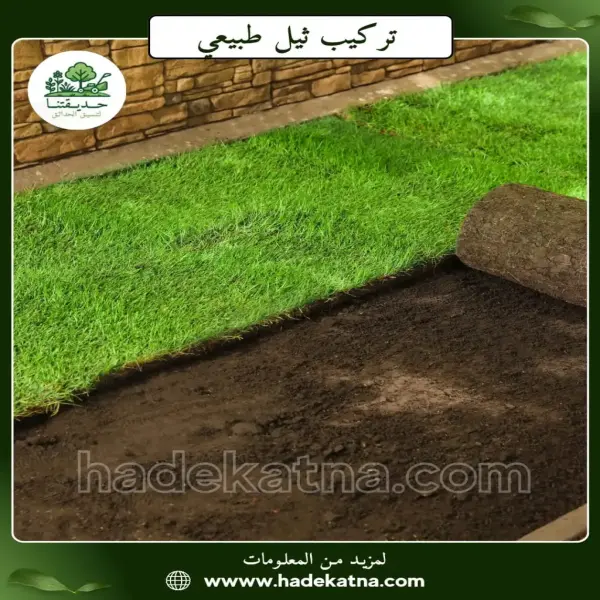
Caring for Natural Grass After Installation in Kuwait’s Hot Summer
Natural grass (green lawn) is one of the essential elements that adds beauty and freshness to gardens and homes in Kuwait. It provides a natural touch and helps reduce the surrounding heat. However, installing natural grass in Kuwait presents unique challenges due to the harsh summer climate, high temperatures, dry soil, and elevated evaporation rates. Proper care after installation is crucial to keep the grass healthy and vibrant.
After installing natural grass, it is not enough to simply water it; multiple care steps are required, including proper irrigation, regular fertilization, timely mowing, soil aeration, and pest control. All these practices combined ensure that the lawn maintains its lush green color and develops strong resistance against Kuwait’s extreme summer heat.
This guide will serve as a complete reference, offering practical tips on irrigation, fertilization, pest management, and evaporation control to help keep your lawn fresh and healthy throughout the hot season.
Lawn Care Steps After Installation in Kuwait
-
Regular Watering: In the first weeks, water daily with generous amounts to help roots establish. Best times: early morning or evening to minimize evaporation.
-
Soil Compaction: Lightly press the soil after installation to eliminate air pockets and support root growth.
-
Avoid Walking: Refrain from heavy foot traffic during the first two weeks to protect delicate roots.
-
Moisture Monitoring: Check soil daily—if dry patches or yellowing appear, increase watering frequency.
-
First Mowing: After 3 weeks, mow gently, leaving a moderate height to encourage deeper root growth.
-
Gradual Fertilization: Start after 1 month with balanced fertilizers rich in nitrogen, phosphorus, and potassium.
By following these steps, your lawn will gradually adapt to Kuwait’s climate, gaining strength against heat and drought.
How to Maintain Natural Grass During Kuwait’s Summer
-
Deep Irrigation: Water deeply twice daily (morning and evening) so moisture reaches the roots.
-
Avoid Midday Watering: Prevents water loss and leaf burn.
-
Provide Shade: Use shade nets or small trees for areas exposed to direct sunlight.
-
Proper Mowing: Maintain 5–7 cm height to reduce soil moisture loss.
-
Summer Fertilization: Use potassium-rich fertilizers to strengthen roots.
-
Pest Management: Regular monitoring for insects and applying safe treatments.
-
Soil Aeration: Conduct once or twice per season to enhance water absorption.
Best Tips for Natural Lawn Care in Kuwait
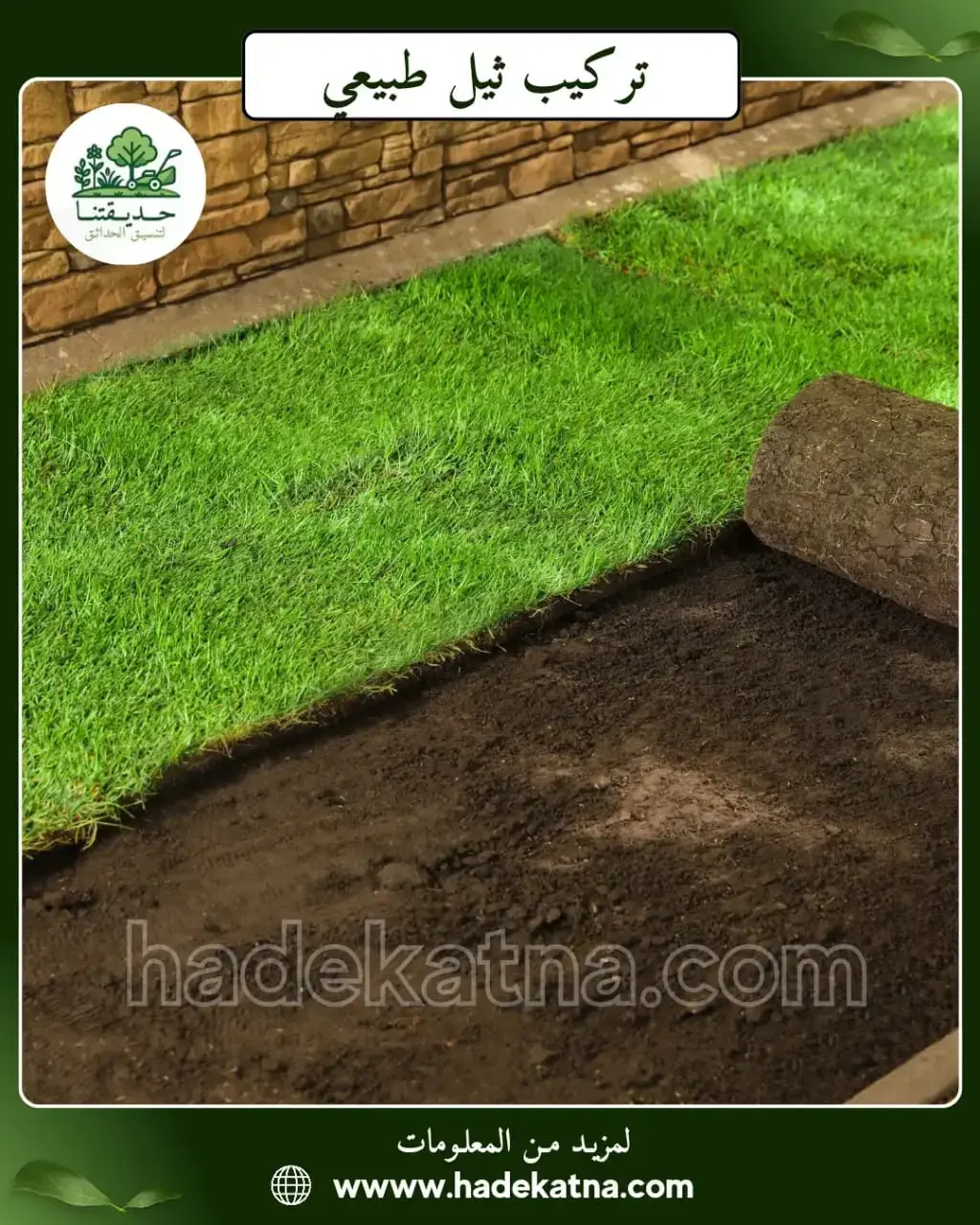
- Maintain accurate irrigation schedules (morning & evening).
-
Practice gradual mowing instead of excessive cutting.
-
Use balanced fertilizers (organic or chemical) with potassium and phosphorus.
-
Weed control: Remove weeds regularly.
-
Ensure proper drainage to prevent fungal growth.
-
Apply temporary shading during peak heat.
-
Monitor for pests and yellow spots, acting promptly.
Irrigation Program for Natural Grass After Installation
-
Week 1: 2–3 times daily with small amounts.
-
Week 2–3: Twice daily with more water for deeper soil penetration.
-
After 1 Month: Twice daily (morning and evening), ensuring soil is moist up to 10–15 cm.
-
Avoid Midday Watering.
-
Use drip or sprinkler irrigation for even distribution.
-
Regularly check soil moisture manually.
Fertilization Steps for Lawns in Kuwait’s Hot Weather
-
Wait 3–4 weeks before first fertilization.
-
Use fertilizers rich in potassium, phosphorus, and nitrogen.
-
Distribute evenly to avoid burning patches.
-
Water immediately after fertilization.
-
Repeat every 6–8 weeks during summer.
-
Incorporate organic fertilizers occasionally to improve soil.
-
Monitor grass color—yellow patches may indicate nutrient deficiency.
Proper Lawn Mowing Techniques in Kuwait
-
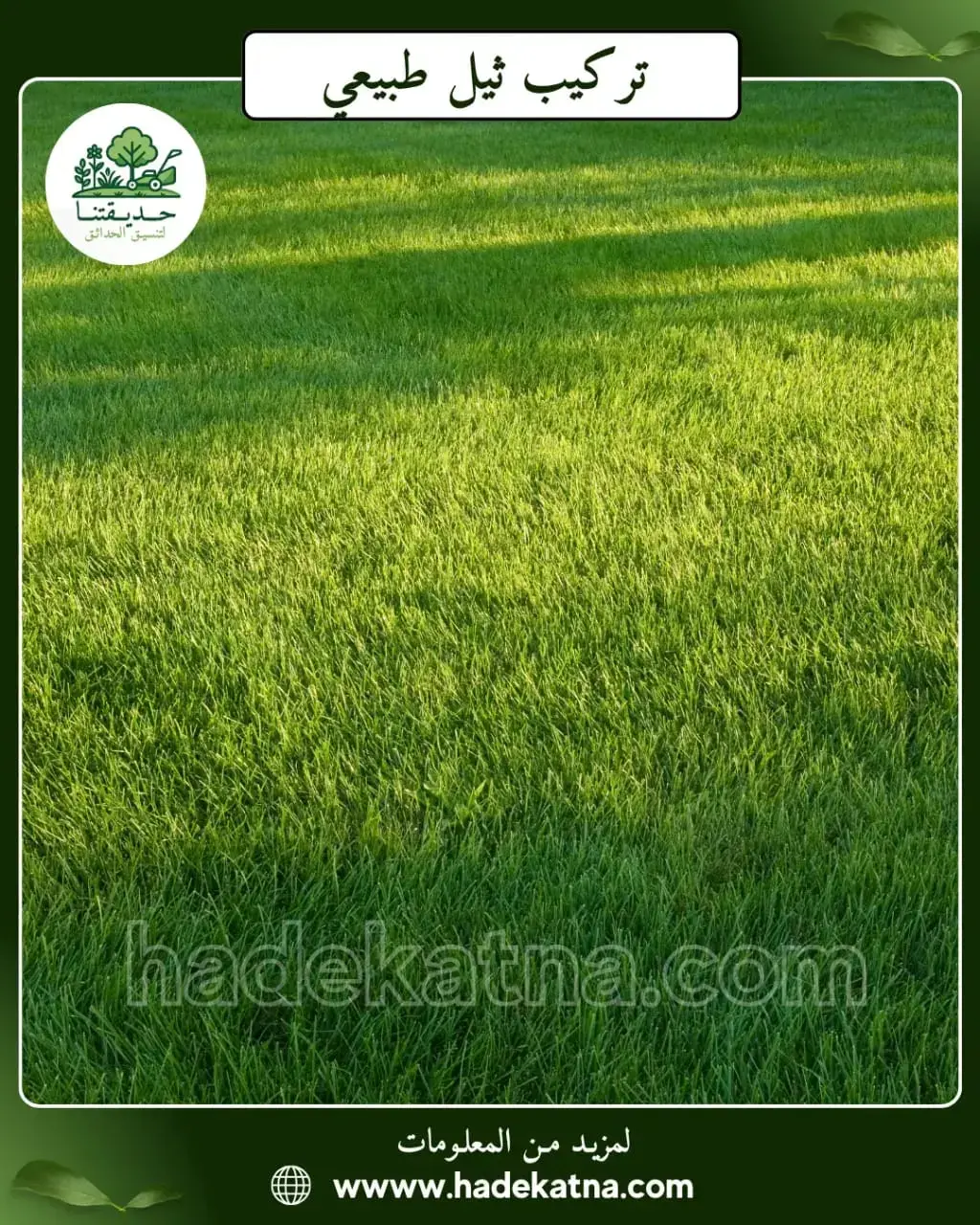
Do not cut grass too short; maintain 5–7 cm height.
-
Always use sharp blades to avoid tearing leaves.
-
Avoid mowing at midday; mow in the morning or evening.
-
Mow every 7–10 days.
-
Leave small clippings occasionally as natural fertilizer.
-
Change mowing direction regularly.
Best Practices to Protect Lawns from Drought in Kuwait
-
Deep watering instead of frequent light watering.
-
Apply mulch layers (wood chips, dried grass) to reduce evaporation.
-
Reduce mowing frequency during drought.
-
Use potassium fertilizers for stronger roots.
-
Ensure an efficient irrigation system.
-
Aerate the soil to improve water retention.
-
Provide shade for exposed areas.
Tips to Keep Your Lawn Green in Kuwait
-
Fixed watering schedule twice daily.
-
Nitrogen-based fertilizers for lush green color.
-
Avoid mowing too short.
-
Remove weeds regularly.
-
Control pests and fungal infections.
-
Apply foliar feeding sprays occasionally.
-
Avoid overwatering to prevent root rot.
Common Lawn Problems After Installation in Kuwait
-
Yellow Patches: Caused by low water or high soil salts → treat with deep watering.
-
Dry/Dead Spots: From foot traffic → reseed or patch with sod.
-
Weed Growth: Remove manually or use safe herbicides.
-
Fungal Growth: Improve drainage and apply fungicides.
-
Weak Rooting: Increase watering and use root boosters.
-
Brown Spots: Nutrient deficiency → apply nitrogen fertilizer.
Aerating Lawn Soil During Kuwait’s Summer
-
Prevents soil compaction from foot traffic.
-
Improves water retention and root oxygenation.
-
Stimulates deeper root growth.
-
Method: use manual garden forks or specialized aeration machines.
-
Perform 1–2 times per summer.
-
Add a thin layer of sand or compost afterward.
Lawn Maintenance Program for Homes in Kuwait
-
Watering: Twice daily (morning & evening).
-
Fertilization: Every 6–8 weeks with potassium-rich fertilizers.
-
Mowing: Every 7–10 days at medium height.
-
Soil Aeration: Twice during summer.
-
Weed & Pest Control: Regular monitoring and safe treatments.
-
Repair Patches: Reseed or patch sod when needed.
Pest Control in Newly Installed Lawns in Kuwait
-
White Grubs: Attack roots → use specialized insecticides.
-
Ants & Crawling Insects: Control with safe chemicals or natural soap-water solutions.
-
Fungal Spots: Improve drainage and apply fungicides.
-
Cutworms: Night feeders → treat with evening sprays.
-
Flying Pests (Whiteflies): Use sticky traps or safe pesticides.
Best Fertilizers for Natural Grass in Kuwait
-
Nitrogen fertilizers: Boost green growth.
-
Phosphorus fertilizers: Strengthen roots.
-
Potassium fertilizers: Increase heat & drought resistance.
-
Organic compost: Improve soil and water retention.
-
Liquid/foliar fertilizers: Provide quick nutrient absorption.
Reducing Water Evaporation from Lawns in Kuwait
-
Water at sunrise or after sunset.
-
Use mulch around soil.
-
Maintain longer grass height.
-
Use drip irrigation or micro-sprinklers.
-
Aerate soil regularly.
-
Plant shade trees or shrubs nearby.
Frequently Asked Questions (FAQ)
1. How often should I water natural grass in Kuwait’s summer?
Twice daily (morning and evening). Avoid midday watering.
2. What’s the best time to water lawns to reduce evaporation?
At sunrise or after sunset.
3. Should fertilization start immediately after installation?
No, wait 3–4 weeks before the first fertilization.
4. How can I protect lawns from pests?
Regular monitoring, proper drainage, safe pesticides, and soil aeration.
5. What are signs my lawn needs extra care?
Yellow patches, dry spots, weeds, slow growth, or pest damage.
Caring for natural grass in Kuwait’s hot summer may seem challenging, but with the right maintenance program, it is absolutely achievable. A healthy lawn requires more than just watering — it needs a combination of deep irrigation, balanced fertilization, proper mowing, soil aeration, and regular pest control. By following these practices, homeowners can maintain a vibrant green lawn that withstands the harsh climate and adds beauty and comfort to their outdoor spaces.
Ultimately, natural grass is not only an aesthetic feature but also a key element that improves the quality of life by reducing surrounding heat and creating a refreshing environment. With consistent care, early problem detection, and preventive measures, your lawn will remain strong, healthy, and lush green throughout Kuwait’s toughest summer months.