

Practical Solutions for Palm Fungal Problems After Rainfall
After the rainy season, some palm trees in Kuwait gardens may show changes that were not noticeable before, such as spots on the fronds, unusual yellowing, or a gradual decline in growth. However, these symptoms alone are not enough to confirm a fungal infection because excessive soil moisture, poor drainage, irrigation problems, and other plant issues can produce similar signs. For this reason, dealing with palm fungal problems after rainfall should begin with inspection and diagnosis before considering any treatment. This guide explains how to distinguish important warning signs from temporary changes, how roots, soil, and fronds can be connected to the problem, when preventive measures may be sufficient, and when a palm needs professional assessment instead of a random treatment that may not address the actual cause.
Palm Fungal Problems After Rainfall

The appearance of palm fungal problems after rainfall is often related to changes in the conditions surrounding the palm rather than rain acting as the only cause. When soil remains saturated for an extended period, aeration around the roots decreases, or fronds remain wet for prolonged periods, conditions may become more favorable for certain fungal problems. However, not every palm exposed to rainfall will develop a disease. This is why drainage, soil condition, irrigation practices, existing wounds, and any previous weakness in the palm all need to be considered.
The first step after rainfall is careful observation without immediately applying a fungicide or increasing fertilizer. Inspect the base of the palm and the surrounding soil, then examine both older and newer fronds to determine whether the change affects the entire palm or is limited to a particular area. A single spot on an old frond is very different from increasing yellowing combined with visible weakness in newer growth.
A practical example would be two palms in the same garden exposed to exactly the same rainfall. One is planted in a low area where water collects while the other grows in soil that drains more efficiently. If symptoms appear only on the first palm, site drainage becomes an important part of the diagnosis rather than treating rainfall itself as the sole cause.
One common mistake is restarting irrigation on the same schedule immediately after sufficient rainfall without checking soil moisture. Adding more water to soil that is already saturated can prolong unsuitable conditions around the roots.
-
Check where water collects around the base of the palm after rainfall because soil that remains saturated for an extended period provides more useful information than simply knowing that the garden received rain
-
Compare older fronds with newer growth to determine whether the symptoms are limited to an older part of the palm or are continuing to appear on newer areas that require closer evaluation
-
Do not automatically classify every dark spot as a fungal infection because visual symptoms can overlap and identifying the cause depends on the appearance and spread of the spots together with palm and soil conditions
-
Review the irrigation schedule after rainfall instead of allowing it to continue automatically because soil water requirements change according to rainfall quantity drainage and actual site conditions
-
Photograph visible symptoms when they first appear and compare them later because knowing whether spots remain stable or continue expanding is more reliable than trying to remember their previous appearance
Causes of Fungal Problems in Palm Trees
Understanding the causes of fungal problems in palm trees prevents every case from being treated with the same solution. Prolonged moisture can create conditions that favor certain disease-causing organisms, but the problem is often associated with several contributing factors such as poor soil drainage, excessive irrigation, infected or damaged tissue, wounds, or deteriorating plant debris around the site.
One of the most important things to inspect after rainfall is the ground level around the palm. If the base of the palm is located in a depression where water repeatedly accumulates, the problem may return after every significant rainfall even when visible symptoms on the fronds are treated. This is where temporary treatment differs from correcting the cause because spraying the visible part of the palm alone will not correct a continuing drainage problem below the soil surface.
Irrigation practices before the rainy period should also be reviewed. Soil that was already receiving more water than necessary may become more vulnerable when rainfall adds further moisture. At the same time, simply stopping irrigation for a fixed number of days for every palm is not a reliable solution because soil type, planting location, and moisture levels differ between gardens.
Unclean pruning tools can also potentially transfer plant pathogens when used on an affected palm and then immediately used on another. Tool hygiene between pruning tasks is therefore part of preventive care rather than a cosmetic detail.
Most importantly, the likely cause should be identified before selecting a treatment or service because the cost of correcting poor drainage is different from treating a limited frond problem. Proper diagnosis helps prevent spending the budget on an intervention that does not address the underlying issue.
-
Inspect ground slope and water drainage around palms because repeated water accumulation in the same location may allow the problem to continue even after visible symptoms have been treated
-
Review irrigation levels before rainfall and current soil condition instead of assuming rain is the only cause because excessive moisture may result from normal irrigation continuing alongside rainfall
-
Pay attention to wounds caused by pruning or nearby work because damaged plant tissue requires different consideration from otherwise healthy fronds showing only a change in color
-
Keep pruning tools clean when moving between palms so removing damaged plant material does not become a potential way of transferring pathogens from one palm to another
-
Identify the likely cause before comparing treatment costs because managing limited frond spots differs from addressing a root drainage or general palm health problem
Treating Fungal Problems in Palm Trees

Treating fungal problems in palm trees does not begin by selecting the strongest available fungicide because successful intervention first depends on identifying the affected part of the palm, the likely cause, and the severity of the condition. If the problem consists of limited spots on a few fronds, the approach will differ from a palm showing signs of decline associated with the root zone. Using the same product and dosage for every situation is not specialized treatment and may delay identification of the real cause.
The first step is to remove or correct the factor allowing the problem to continue whenever that factor is clear. If the soil is saturated because drainage is poor, that issue needs to be evaluated instead of focusing only on the fronds. If irrigation is contributing to excessive moisture around the palm, the schedule should be adjusted according to soil condition rather than being stopped or increased randomly. Damaged plant parts should also not be removed simply because a spot is present because fronds continue to perform an important function for the palm and removal should depend on the condition of the affected tissue.
If a fungicide is confirmed to be necessary, the selected product and application method should be appropriate for the condition and used according to label directions and applicable requirements. Increasing the concentration in an attempt to obtain faster results is not appropriate because incorrect use can cause damage or provide no additional benefit.
There is also no single treatment price for every palm. Inspection requirements, number of palms, severity of symptoms, type of intervention, and whether a site-related cause also needs correction can all affect the cost. A cheaper quotation is not necessarily more economical if it is based on general spraying without proper diagnosis.
-
Begin treatment by identifying the location and severity of the symptoms and the surrounding conditions before selecting any product because frond treatment differs from managing a problem associated with soil or roots
-
Correct excessive moisture or irrigation problems when they contribute to the condition so the same unfavorable environment does not continue after treatment and allow symptoms to return
-
Do not automatically remove every frond showing a minor change because the decision to prune depends on the extent of damage the condition of the frond and its contribution to the palm as a whole
-
If a fungicide is required use an appropriate product according to the application method and dosage stated on its label rather than increasing the concentration in an attempt to accelerate results
-
Compare treatment proposals according to inspection diagnosis scope of work and required follow-up rather than comparing spraying prices alone because proper intervention may include correcting an underlying site problem
Symptoms of Fungal Infection in Palm Trees
Recognizing the symptoms of fungal infection in palm trees requires more than noticing a change in frond color because yellowing, spotting, and wilting can develop for several different reasons. What matters is the appearance of the symptom, where it begins, how quickly it spreads, whether it affects older or newer fronds, and the condition of the palm base and surrounding soil. These details help with the initial distinction between a limited surface problem and a condition that requires broader inspection.
For example, scattered spots on one or two fronds may indicate a different situation from spots that clearly expand and appear across an increasing number of fronds. A color change limited to older foliage is also different from visible weakness affecting newer growth. Inspection should therefore not depend on one symptom alone but should combine several observations before determining the next step.
After rainfall, pay attention to whether symptoms appeared immediately or developed gradually afterward. Timing alone does not prove the cause, but it can help build a clearer picture when considered together with irrigation and drainage information. An unusual odor, soft tissue, or a noticeable change around the base of the palm also deserves prompt evaluation rather than waiting until damage becomes visible across the entire crown.
A common mistake is comparing the symptom with an online photograph and identifying the disease solely by the appearance of the spot. Plant diseases, nutritional problems, and irrigation issues can sometimes look similar. Photographs are useful for documentation and comparison but should not replace an assessment of the palm and site conditions when symptoms persist or increase.
-
Observe where the change begins and whether it affects older or newer fronds because the distribution of symptoms provides more useful information than simply noticing general yellowing
-
Record the number of affected fronds and the size of the damaged areas so you can determine whether the problem remains stable or gradually spreads to new parts of the palm
-
Inspect the palm base and nearby tissues if an unusual change appears because some conditions are not limited to the fronds visible at the top of the palm
-
Do not identify a disease from spot color alone because different problems can create similar changes and diagnosis requires connecting symptoms with soil irrigation and growth conditions
-
Request professional evaluation if symptoms accelerate reach newer growth appear with soft tissue or are accompanied by a clear general decline instead of trying several treatments without diagnosis
Palm Root Rot After Rainfall

Palm root rot after rainfall requires careful assessment because roots are below the soil surface and their condition cannot be determined from frond color alone. Prolonged water saturation reduces aeration around the roots and can create unsuitable conditions for root health while also being associated with certain root diseases. For this reason, one of the first questions when weakness appears after rainfall is how quickly water drains from the area surrounding the palm.
If water remains around the palm after rainfall has stopped or the ground is noticeably lower than surrounding areas, this is an important observation. However, digging randomly around the roots to check their condition is not recommended because the digging itself can cause damage. Soil conditions should be evaluated carefully by observing moisture, drainage, and the condition of the palm above ground.
Sometimes rainfall alone is not the main problem. Automatic irrigation may continue on the same schedule even while the soil remains wet. Adding repeated irrigation cycles to already moist soil can extend saturation. The solution is not to establish one fixed number of days for stopping irrigation in every garden but to assess moisture and adjust irrigation according to actual site conditions.
Adding extra soil around the palm base in an attempt to absorb water is also not an automatic solution and may alter the planting level inappropriately. If the site repeatedly experiences drainage problems, the underlying landscape or drainage cause should be assessed instead of hiding water accumulation beneath an additional layer of soil.
-
Monitor how long the soil remains saturated after rainfall ends because repeated slow drainage around the same palm requires attention to the cause rather than simply waiting for the surface to dry
-
Check the automatic irrigation schedule after every significant rainfall period instead of allowing it to continue unchanged when the soil may already contain sufficient moisture
-
Avoid random or deep digging around the palm base to inspect roots because attempting diagnosis this way can damage roots and create an additional problem
-
Do not raise soil levels around the palm base randomly to hide standing water because changes in grade should be based on understanding the drainage problem and site conditions
-
Connect visible signs of decline above ground with soil moisture and drainage conditions before assuming root rot because diagnosis requires more than one symptom visible on the fronds
Fungal Spots on Palm Fronds
The appearance of fungal spots on palm fronds requires monitoring their shape and spread rather than removing a frond as soon as its color changes. Some spots may begin small and later expand or merge while other changes may remain limited and behave differently. Photographing the same frond from a consistent angle and comparing it over time can therefore provide more useful information than making an immediate decision during the first inspection.
The location of the spots also provides important information. If they occur only on older fronds or on a section previously exposed to damage, the situation differs from similar symptoms appearing on newer growth. It is also useful to observe whether the problem is limited to one palm or appears on several neighboring palms because its distribution within the garden can help identify environmental conditions they share.
One mistake is removing a large number of fronds simply to improve the appearance of the palm. Excessive removal reduces the green leaf area available to the palm, so fronds should be assessed individually rather than treating every spot as a reason for complete removal. When pruning is required, appropriate clean tools should be used and damaged plant material should be handled properly rather than being left accumulated around healthy plants.
Fungicide treatment should also be connected to an appropriate diagnosis. Spraying every visible spot without understanding the cause may consume time and money without solving the problem. Some situations may require moisture conditions to be corrected first while others may require a specific treatment after proper assessment.
-
Photograph spots clearly and record their position on the frond so you can determine whether they expand or whether new symptoms appear instead of relying on an impression from a single inspection
-
Compare older and newer fronds and determine whether symptoms are limited to a particular layer because signs appearing on new growth require different attention from limited spots on older foliage
-
Do not remove large numbers of fronds simply to improve the palm’s appearance because the presence of a spot alone does not mean the entire frond has lost its function and requires complete removal
-
Clean pruning tools when moving between palms and manage damaged plant debris properly so removed material is not left accumulating beside otherwise healthy plants
-
Do not select a fungicide solely from the appearance of the spot because the need for treatment and the appropriate intervention depend on diagnosis palm condition and the factors contributing to the problem
Protecting Palm Trees from Fungal Diseases
Protecting palm trees from fungal diseases begins before visible spots appear because prevention mainly depends on reducing the conditions that allow problems to develop or persist. One of the most important factors is proper water management so palms receive adequate moisture without the soil remaining saturated for unsuitable periods. This means irrigation systems should be adjustable according to season, rainfall, and soil condition rather than operating under one fixed program throughout the year.
Drainage is another essential part of protection. If water repeatedly collects around a particular palm after rainfall, the issue should be addressed even when the palm currently appears healthy. Effective prevention corrects a weak point before visible symptoms develop instead of waiting for damage and then paying for treatment.
Pruning also requires appropriate timing and technique. Removing damaged fronds when necessary is different from excessive cutting simply to create a tidier crown. Every unnecessary wound is an intervention that should be avoided when there is no clear reason for it. Tool hygiene between palms is also important, particularly after working on a plant showing unusual symptoms.
When comparing preventive and treatment services, be cautious about any program based only on routine spraying as though it guarantees protection from every disease. A stronger preventive approach begins with inspection, irrigation, drainage, hygiene, and monitoring of changes and then uses an appropriate treatment only when there is an actual need.
-
Adjust irrigation according to soil moisture and seasonal conditions instead of depending on a fixed schedule because preventing root-zone problems begins by avoiding prolonged excessive moisture
-
Correct areas where rainwater repeatedly accumulates even when palms currently show no visible symptoms because recurring site conditions can increase the likelihood of future problems
-
Avoid excessive pruning that removes healthy fronds without a clear need because protecting the palm depends on managing its growth properly rather than repeatedly cutting it for appearance alone
-
Keep work tools clean when moving between palms especially after handling tissues showing possible disease symptoms so the risk of mechanically transferring pathogens is reduced
-
Evaluate preventive programs according to inspection site management and monitoring rather than the number of spraying visits because fungicides cannot correct continuing irrigation or drainage problems
Inspecting Palm Trees After the Rainy Season
Inspecting palm trees after the rainy season is best done systematically from the ground around the palm upward toward the fronds rather than taking only a quick look at the crown. Start with the surrounding ground because standing water or soil that remains excessively wet provides important information about the conditions experienced by the roots. Next, visually inspect the palm base for unusual changes before moving to older and newer fronds and comparing their color, density, and growth appearance.
A useful inspection also does not always depend on a single visit when no urgent warning signs are present. Documenting the palm with photographs from consistent angles helps comparison and shows whether a change is continuing or remaining stable. For example, a spot that remains the same size over time represents a different situation from symptoms beginning to appear on additional fronds. This comparison reduces decisions based on impressions and connects intervention to an observable change.
It is also useful to compare palms growing within the same garden. If an entire group in one area shows similar symptoms, a shared factor such as irrigation or water accumulation should be investigated. If only one palm is affected while several others experience similar conditions, inspection can focus more closely on the individual palm and its history of damage.
When inspection is provided as a paid service, its value should not be judged by how many palms were viewed quickly. It is better to have a clear explanation of what was inspected, what observations were found, which action is recommended, and why it is necessary so the inspection does not automatically become an opportunity to sell an unverified treatment.
-
Begin inspection with the soil and areas where water collects before moving to the palm base and fronds so visible above-ground symptoms can be connected with conditions around the root zone
-
Take photographs from similar angles during follow-up inspections so you can determine whether symptoms expand or remain stable instead of relying on memory when comparing the palm over time
-
Compare neighboring palms exposed to the same irrigation and soil conditions because similar symptoms across a group provide different information from damage affecting only one palm
-
Record changes on newer fronds separately from older foliage because continuing symptoms on new growth deserve closer attention than older damage that remains stable
-
Request a clear inspection result explaining observations recommended action and the reason for it instead of immediately accepting a general treatment program without an explanation of the palm’s condition
Preventing Palm Fungal Problems in Kuwait
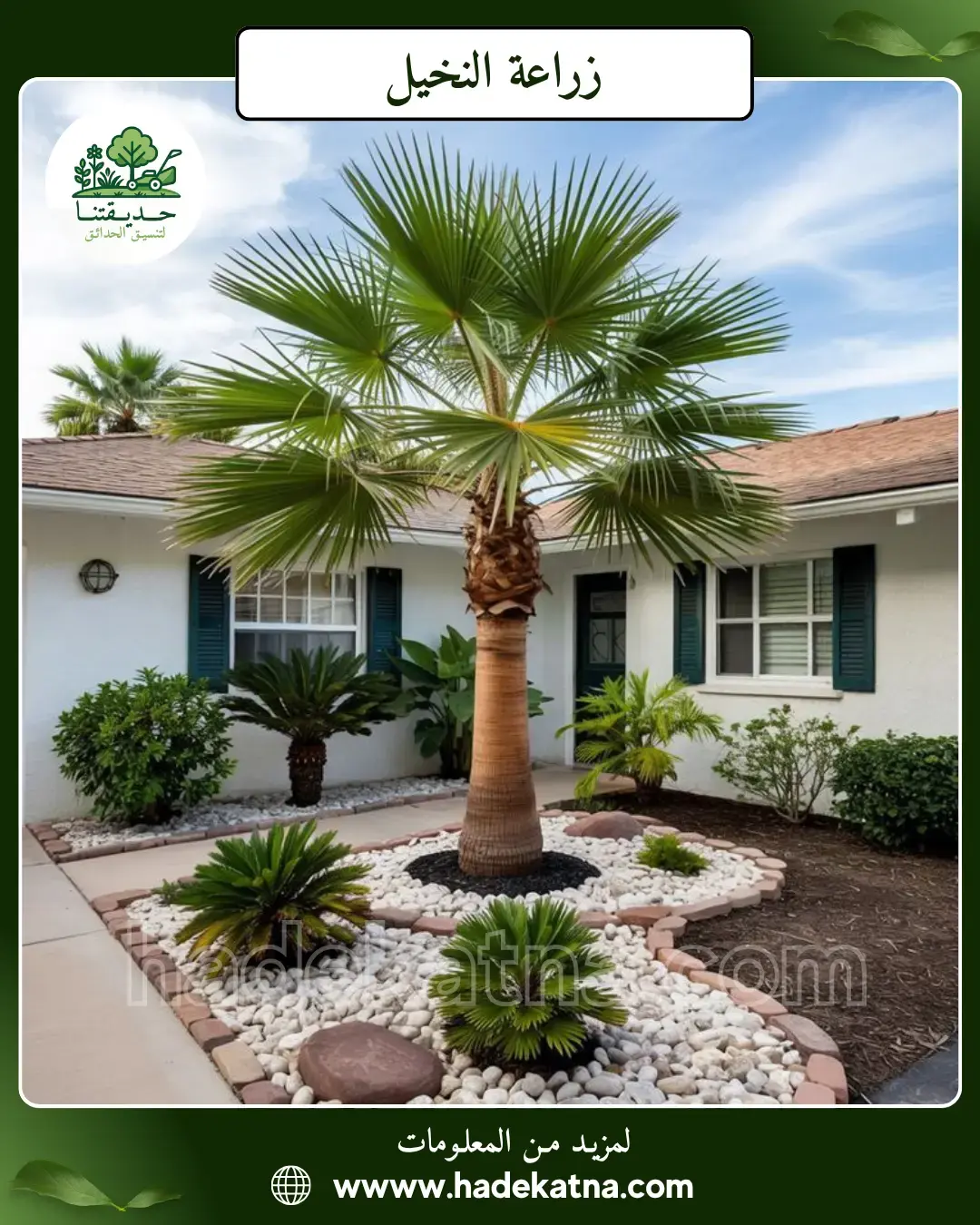
Preventing palm fungal problems in Kuwait requires a program that responds to changing conditions throughout the year rather than repeating the same action in every season. After rainfall, the priority is monitoring soil moisture and drainage, while during drier periods attention returns to adjusting irrigation according to site requirements. The goal is not to permanently reduce or increase water but to prevent extremes that leave the root zone repeatedly saturated or excessively dry.
The design of the planting area around the palm also plays a role. If paving or surrounding soil directs surface water toward the palm base, the problem may be related to the site itself. Any garden modification, such as changing paving or adding planting beds, should maintain appropriate drainage rather than unintentionally creating a new low area around the palm.
Prevention also includes how fronds are handled. Parts requiring pruning should be removed with appropriate clean tools while avoiding unnecessary wounds as much as possible. Routine fungicide spraying without diagnosis or a clear reason should not form the foundation of a preventive program because effective plant protection begins with managing the environment surrounding the palm.
From an economic perspective, a well-planned preventive program may reduce unnecessary interventions because it identifies problems before they become more serious. However, prevention cannot realistically guarantee that every infection will be avoided because plant diseases are influenced by multiple factors. The practical goal is to reduce favorable conditions, identify changes early, and respond appropriately when they occur.
-
Adjust irrigation according to rainfall and soil moisture rather than using one setting throughout the year because palm conditions in Kuwait change and irrigation operation should respond to actual site requirements
-
Review the direction of surface water after changing paving or planting beds so rainfall is not unintentionally directed toward one concentrated area around the palm base
-
Inspect drainage points before the rainy season and monitor them after rainfall because identifying water accumulation early is easier than waiting until palms begin showing signs of decline
-
Make pruning-tool hygiene a standard part of garden maintenance instead of introducing it only after disease appears because prevention begins with everyday maintenance practices
-
Do not depend on preventive spraying alone as a substitute for irrigation management drainage and inspection because fungicides cannot correct a continuing environmental problem around the roots
When Does an Affected Palm Need Treatment?
Knowing when an affected palm needs treatment helps avoid two common situations: delaying action while symptoms progress rapidly or applying treatment to a minor change that has not been properly diagnosed. If a symptom is limited and stable while the palm continues to produce normal growth, the first step may be monitoring and assessing surrounding conditions. If symptoms expand, appear on new parts, or are accompanied by general decline, the need for professional assessment becomes greater.
Signs that deserve faster attention include a noticeable change in new growth, damage spreading across several fronds within a relatively short period, soft tissue, or an unusual change around the palm base. If the soil also remains saturated for an extended period while the palm gradually declines, treating the fronds alone is not enough because the root zone and drainage conditions need to be evaluated.
Treatment itself does not always mean applying a fungicide. In some cases, the most important action may be adjusting irrigation, correcting water accumulation, or removing damaged tissue when appropriate. Other situations may require a specific treatment after the problem has been identified. This is why the question “What is the treatment?” should come after the question “What is causing the problem?”
When selecting a service provider, focus on inspection methods, clarity of diagnosis, and the follow-up plan rather than promises of a rapid solution from a single visit. If the condition requires several stages, those steps should be explained from the beginning together with what will be evaluated after each intervention.
-
Request faster assessment when symptoms begin affecting new growth or increase noticeably because changes in newer parts of the palm deserve more attention than an old spot that remains stable
-
Pay attention when general decline appears together with excessively wet soil because combining above-ground symptoms with an obvious drainage issue requires broader evaluation than treating fronds alone
-
Do not assume treatment always means fungicide application because some cases first require irrigation adjustment or improvement of site conditions before any chemical intervention is considered
-
Compare service providers according to their ability to explain why an intervention is needed and how follow-up will be handled rather than selecting a service that sprays every palm without a clear diagnosis
-
Monitor the palm after intervention and document changes because treatment success is judged by stabilization of the condition and subsequent healthy growth rather than the immediate disappearance of a visible spot
Conclusion
Proper management of palm fungal problems after rainfall begins with diagnosis rather than fungicide application. Standing water, poor drainage, continued irrigation after rainfall, wounds, and damaged plant tissues are all factors that should be included in the assessment before any treatment is selected. Spots and yellowing alone are also not sufficient evidence of a fungal disease because several different problems can produce similar symptoms. After the rainy season, it is better to inspect the soil, palm base, and fronds, document any changes, and monitor how they develop. If symptoms continue, reach newer growth, or are accompanied by general decline, professional assessment becomes more important than trying several different treatments. This approach keeps intervention connected to an identifiable cause and reduces random treatments that may waste time and money without correcting the underlying problem.
Frequently Asked Questions
Do spots on palm fronds after rainfall always indicate fungus?
Not necessarily. Spots can be associated with several different causes, so their appearance and spread should be evaluated together with frond condition, soil moisture, drainage, and irrigation before determining whether the problem is fungal or related to another factor.
Should I stop irrigating palm trees immediately after rainfall?
There is no fixed period that applies to every situation. The decision depends on rainfall quantity, soil moisture, drainage speed, and site conditions. It is better to inspect the soil and adjust the irrigation program accordingly rather than stopping or operating irrigation for a standard number of days without assessment.
Should palm fronds with spots always be removed?
The presence of a spot does not automatically mean the entire frond needs to be removed. The extent of damage, condition of the frond, and spread of the problem should be evaluated before pruning because removing large numbers of healthy or still-functional fronds is not a treatment objective by itself.
Is fungicide enough to treat palm problems after rainfall?
It depends on the cause. If excessive moisture or poor drainage contributes to the problem, treating the fronds alone will not correct conditions around the roots. Any fungicide use should be appropriate for the diagnosis and should follow the product label instructions.
When should I request professional palm inspection?
If symptoms are increasing, spreading to newer fronds, appearing with soft tissue, causing general decline, or occurring while the soil remains saturated and the palm continues to weaken, professional inspection is preferable to trying several treatments without a clear diagnosis.


