

Best Methods for Spraying Palm Trees Against Fungi in Kuwait
Palm trees are considered symbolic in Kuwaiti and Gulf environments, not only as an essential food source through dates but also as a fundamental element in agricultural and cultural heritage. However, palm growers in Kuwait face many challenges, the most prominent being the spread of fungal diseases that weaken the trees and affect their productivity and fruit quality. The hot climate, relative humidity, and irregular irrigation and fertilization practices make palms vulnerable to fungal infections such as root rot or leaf spot.
Therefore, spraying palms against fungi is both a preventive and curative measure that ensures the trees' protection and continuous production. The success of this process depends on several factors such as selecting the right fungicide, determining the optimal spraying time, using modern equipment, and following well-studied periodic programs. Early prevention also reduces economic losses and protects the surrounding agricultural environment.
In this comprehensive guide, we review the best ways to spray palms against fungi in Kuwait, starting from traditional methods to modern techniques and safe biological fungicides. We provide practical steps, expert tips, and approved preventive programs that farm and garden owners can effectively apply. The goal is to achieve a healthy and sustainable agricultural oasis that reflects the beauty of Kuwaiti palm trees and the quality of their production.
How to Spray Palm Trees to Control Fungi in Kuwait
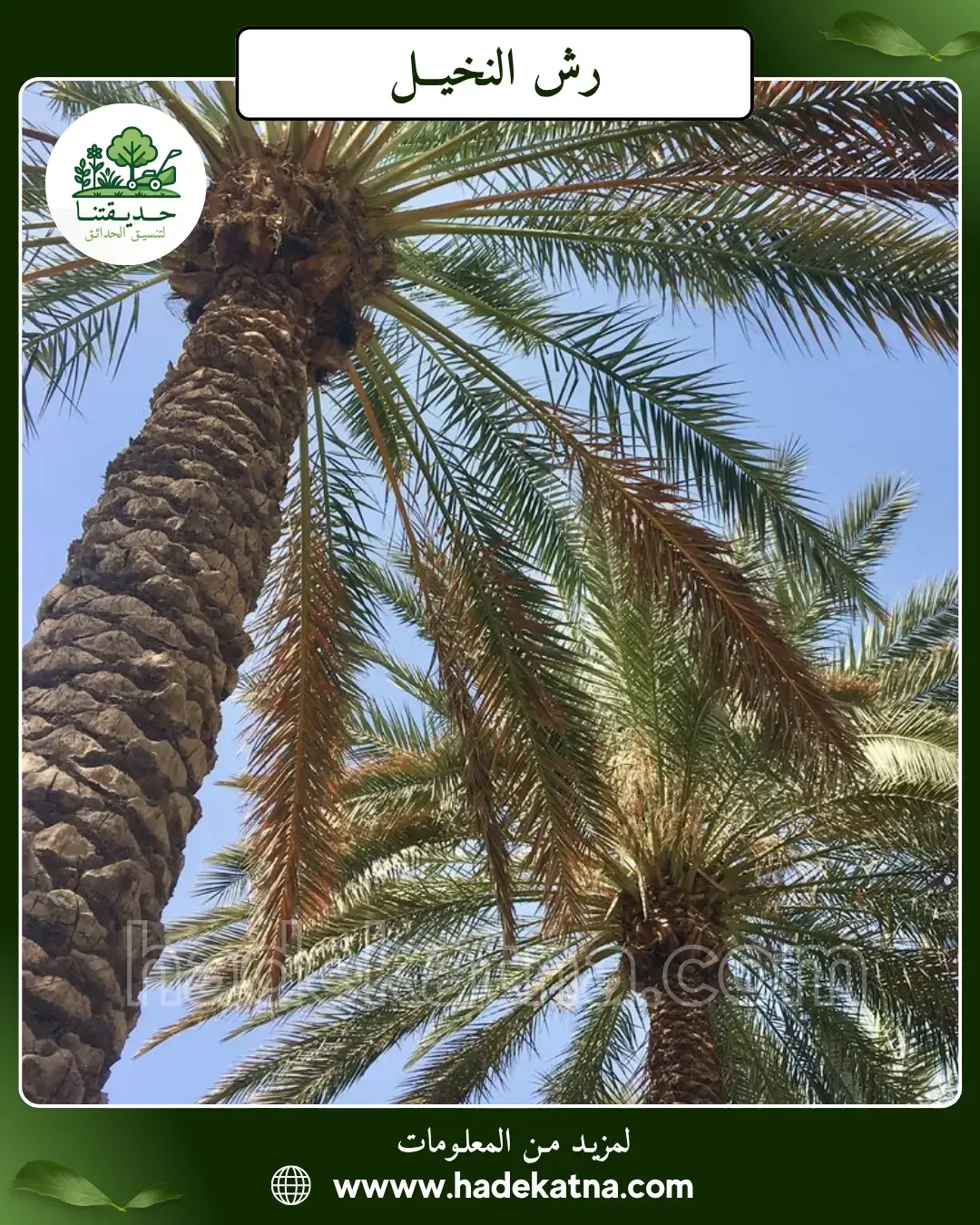
Spraying palm trees is one of the most effective methods to combat fungal diseases threatening tree health. The process begins with proper diagnosis of the type of fungus, whether root rot or leaf spot. Once identified, an appropriate fungicide approved by the Ministry of Agriculture is chosen, since different fungicides target different fungal strains.
It is always recommended to spray early in the morning or before sunset to avoid evaporation caused by the sun and to ensure better absorption by palm leaves. The spray solution should fully cover all tree parts, including leaves, fronds, and the trunk near the soil. Proper spraying equipment such as medium-pressure sprayers ensures even distribution of fungicides.
Equally important is adhering strictly to manufacturer instructions regarding dilution ratios and safety intervals before harvest. This ensures effective elimination of fungi while safeguarding human health, animals, and the environment.
Preventive Methods for Protecting Palms from Fungi in Kuwait
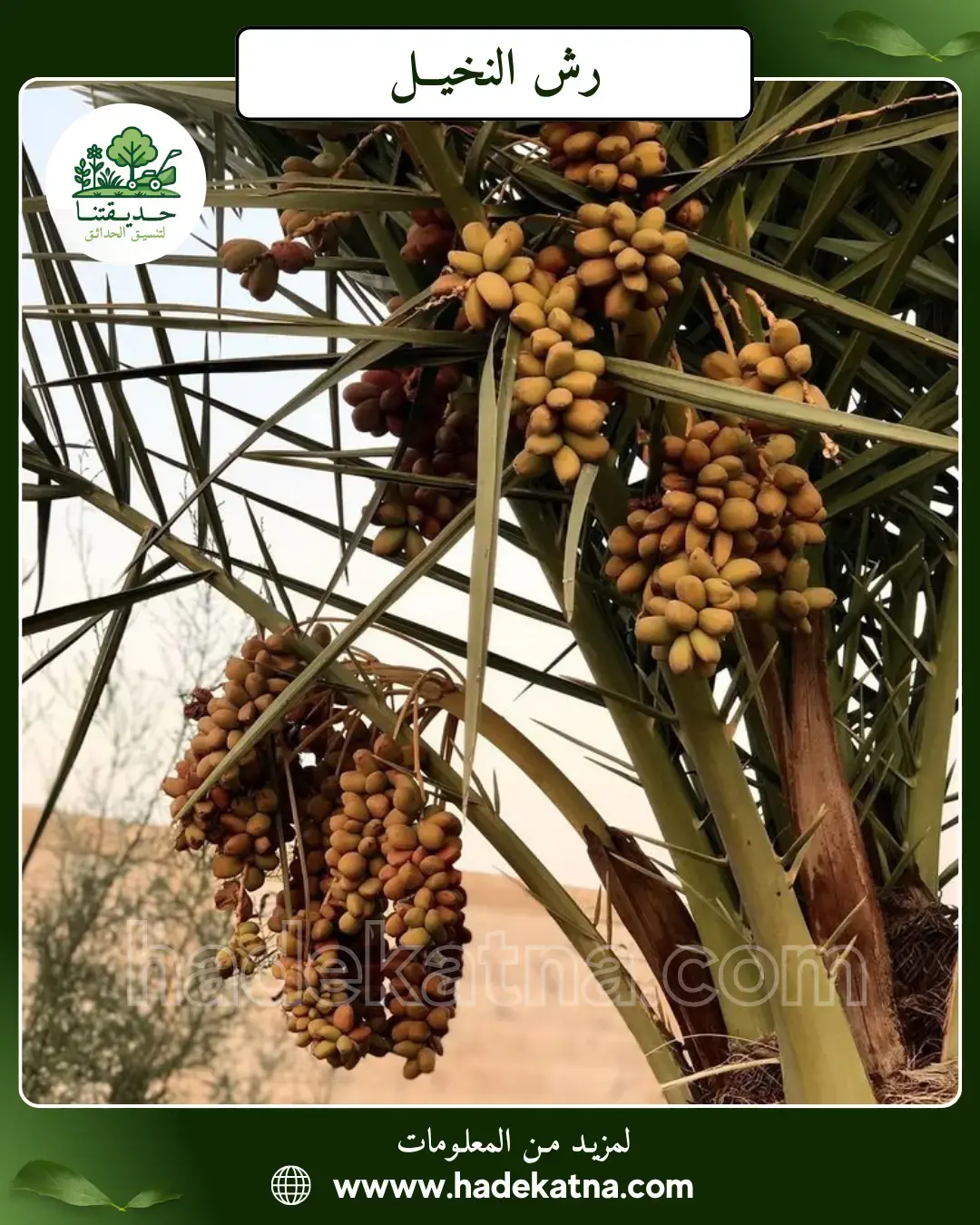
Prevention is the cornerstone of reducing fungal infections in palm trees. This begins with soil care—improving drainage to avoid waterlogging that creates favorable conditions for fungi. Balanced fertilization with organic and chemical fertilizers enhances the tree’s immunity and resistance.
Regular pruning is also crucial to remove dry or infected leaves, as they serve as breeding grounds for fungi. Pruning tools must be sterilized before being used on another tree to prevent spreading infections.
Preventive spraying with mild fungicides or biological products can be applied periodically, especially during humid seasons or after rainfall. Furthermore, educating farmers and garden owners about early signs of infection plays a vital role in enabling quick intervention and preventing severe damage.
Best Fungicides for Spraying Palms Against Fungi in Kuwait
Selecting the right fungicide is essential for effective control. Some of the most important options include:
-
Copper-based fungicides: Among the oldest and most widely used, effective against leaf spot and rust. They form a protective layer but must be used carefully to avoid copper accumulation in soil.
-
Triazole fungicides: Modern fungicides that interfere with fungal respiration and cell growth. Effective against root rot and internal fungal diseases. Must be applied with strict observance of pre-harvest intervals.
-
Systemic fungicides: They penetrate plant tissues and work internally, treating both roots and fronds. Highly effective in advanced infections but must be supervised by specialists.
-
Biological fungicides and plant extracts: Increasingly popular in Kuwait, especially in organic farms. Natural extracts like neem oil are safe but require frequent applications.
-
Fungicide rotation: Avoids fungal resistance by alternating products each season.
-
Officially approved products: Always purchase from authorized sources to ensure quality and effectiveness.
Spraying Program for Palm Fungus Prevention in Kuwait
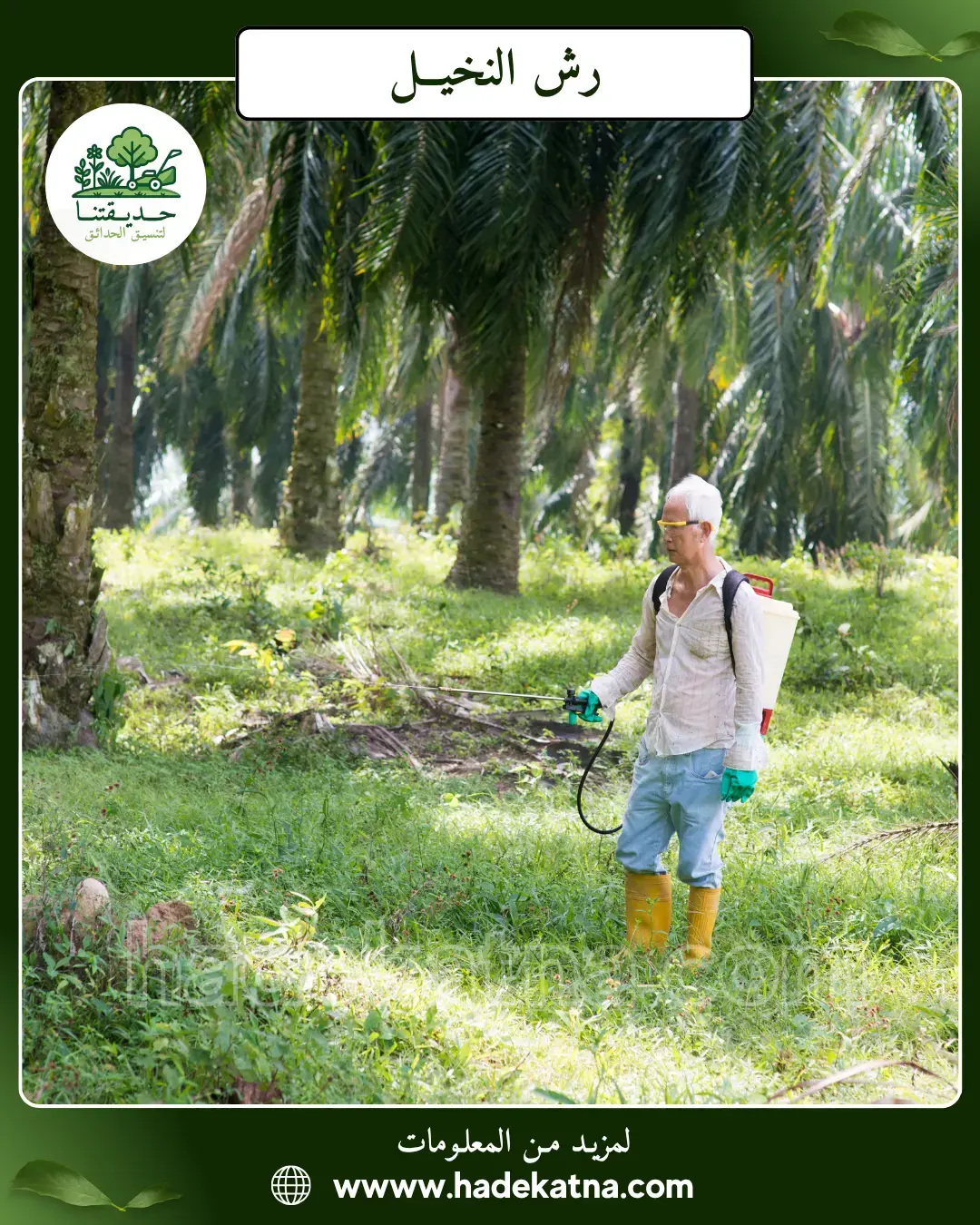
Effective prevention requires a structured program:
-
Start of the season: Apply mild fungicides or biological sprays early to create a protective barrier.
-
Regular intervals: Spray every 30–45 days, more frequently during rainy or humid periods.
-
Large farms vs. home gardens: Large farms require detailed schedules, while gardens can be sprayed every two months.
-
Record keeping: Document fungicide type, date, and dosage to monitor progress and adjust if needed.
-
Combine prevention and treatment: Use stronger fungicides immediately if symptoms appear while continuing preventive spraying on healthy trees.
-
Integration with farming practices: Balanced irrigation, fertilization, and pruning strengthen palms naturally.
Safe Methods to Control Palm Fungi in Kuwait
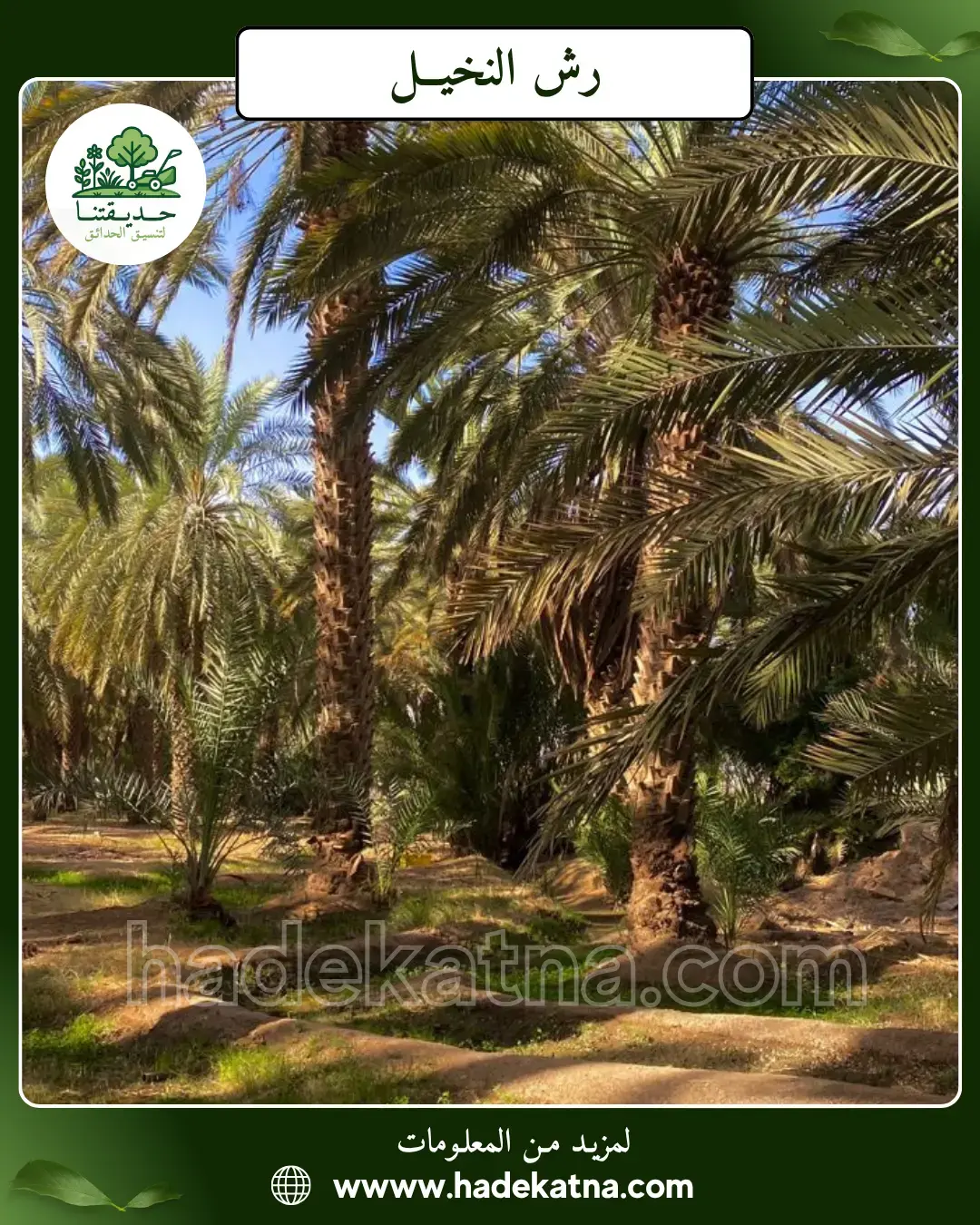
Ensuring safety in fungus control protects both trees and the environment:
-
Biological fungicides: Neem oil, garlic, and beneficial microbes such as Trichoderma.
-
Pruning and sanitation: Removing infected leaves and disposing of them properly.
-
Improving soil drainage: Prevents waterlogging that fosters fungi.
-
Balanced organic fertilization: Strengthens immunity.
-
Preventive spraying with low-toxicity products: Reduces chemical use.
-
Training workers: Proper safety gear and correct spraying techniques.
Step-by-Step Guide to Spraying Palms in Kuwait

-
Diagnosis – Identify the fungus accurately.
-
Select the right fungicide – Match product to disease type.
-
Prepare spraying equipment – Ensure proper pressure and cleanliness.
-
Choose correct timing – Early morning or late evening.
-
Cover all parts of the tree – Including lower fronds and trunk base.
-
Repeat spraying – Every 30–45 days depending on severity.
-
Monitor results – Adjust fungicide type or dosage if symptoms persist.
Most Dangerous Fungi Affecting Palms in Kuwait
-
Black mold: Causes leaf drying.
-
Root rot: Weakens and kills palms if untreated.
-
Brown leaf spot and rust: Reduces photosynthesis and lowers fruit yield.
FAQ
How many times should palms be sprayed per year?
Generally every 30–45 days during humid seasons. In heavily infected farms, intervals may be shortened to 20 days. For home gardens, once every two months is usually sufficient.
❓ Can biological fungicides alone protect palms?
They are highly safe and effective preventives but not strong enough for advanced infections. Combining them with chemical fungicides achieves the best results.
What is the difference between preventive and curative spraying?
-
Preventive spraying: Applied before infection to protect the tree.
-
Curative spraying: Applied after symptoms appear, using stronger fungicides.
❓ Do spraying companies in Kuwait provide service guarantees?
Yes, many professional companies offer guarantees, including free re-spraying if reinfection occurs within a specific period, and provide regular inspection visits.
Conclusion
Caring for palm trees in Kuwait is not just an agricultural duty but a responsibility to preserve a natural and cultural heritage. Protecting palms against fungal diseases requires early diagnosis, the right choice of fungicides, and adherence to regular spraying programs.
Combining biological solutions with modern technologies ensures sustainable farming practices while protecting human and environmental health. Regular monitoring and professional expertise maximize efficiency, ensuring palm trees remain a symbol of abundance and beauty in Kuwait.


