

Manual or Automatic Irrigation System for Small Farms in Kuwait
Choosing the right irrigation method for small farms in Kuwait is one of the important decisions that directly affects plant growth, water consumption, and long-term operating costs. Many small farm owners become confused when choosing between a manual or automatic irrigation system because each method has different advantages depending on farm size, crop type, and management style.
Manual irrigation is considered a simple and practical solution for some small areas that require direct supervision, while automatic irrigation provides higher accuracy in water distribution and reduces waste.
However, the right choice does not depend only on the installation cost. It requires studying the farm requirements, plant needs, and the time available for daily care.
Understanding the difference between both systems helps farm owners select the most efficient and suitable solution according to their conditions.
Manual or Automatic Irrigation System and the Factors Determining the Right Choice for Small Farms
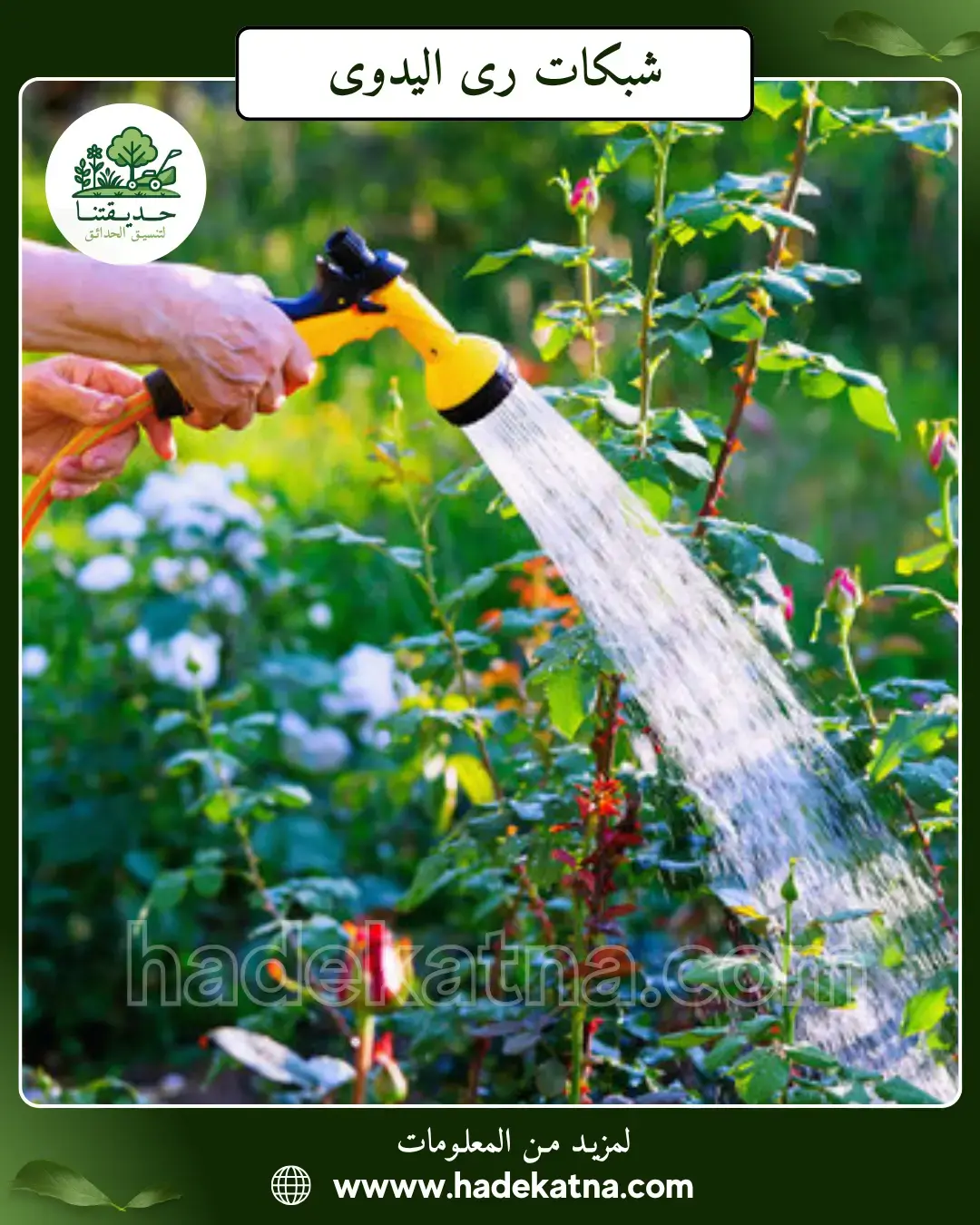
The question of manual or automatic irrigation system is one of the most common questions searched by small farm owners in Kuwait before installing an irrigation network because the irrigation method is one of the most important factors affecting plant health, production quality, and maintenance costs.
Choosing an irrigation system does not depend only on land size. It is connected to several details such as plant type, available working time, soil characteristics, required water quantity, and the owner’s ability to maintain a regular irrigation schedule.
Manual irrigation is one of the oldest methods used in small farms. It depends on the farmer personally distributing water using hoses or traditional tools, and this system can be suitable for limited areas with a small number of plants or trees.
The main advantage of manual irrigation is that it gives the farm owner direct control during watering. The owner can observe plant conditions, notice weak growth, changes in leaves, or areas that require additional water.
However, the success of manual irrigation depends greatly on daily commitment because delaying irrigation or providing an incorrect amount of water may affect plant health, especially during summer when plants require more attention due to Kuwait’s high temperatures.
Automatic irrigation, on the other hand, depends on a professionally designed network that distributes water according to a specific schedule through timers and control systems, helping achieve better consistency.
Through practical experience in preparing irrigation systems for small farms in Kuwait, many farm owners who depend on manual irrigation face problems with irregular water distribution, especially when the farm area becomes larger or when daily presence is not possible.
For example, some plants may receive more water than needed while other areas may receive insufficient amounts because of differences in manual watering methods.
Automatic systems help divide the farm into different irrigation zones, allowing each group of plants to receive the appropriate amount of water according to its requirements.
The initial installation cost should also be considered. Manual irrigation usually requires lower starting costs, while automatic irrigation requires a larger investment for equipment and installation but may provide long-term savings in water and time.
Therefore, the answer to the question of manual or automatic irrigation system depends on farm conditions and the owner’s goals. The best system is the one that creates the right balance between ease of use and irrigation efficiency.
Important points about manual or automatic irrigation system:
-
The choice depends on farm size and plant type, not only the installation cost.
-
Manual irrigation suits very small areas that require direct supervision.
-
Automatic irrigation provides better water distribution and reduces daily maintenance requirements.
Difference Between Manual and Automatic Irrigation in Cost Efficiency and Water Consumption
Understanding the difference between manual and automatic irrigation helps small farm owners choose the system that matches their needs because the difference between both methods is not only related to operating water, but also includes control level, water consumption, maintenance time, and its effect on plant growth.
In manual irrigation, the farm owner depends completely on personal effort. The person opens the water supply and directs it to plants according to requirements, providing direct control but requiring continuous time and effort.
Automatic irrigation depends on a prepared network that includes pipes, sprinklers or drip lines, and control devices that operate at specific times without requiring someone to perform the process manually.
Regarding water consumption, automatic irrigation is usually more accurate because it controls the amount of water provided to plants, helping reduce waste caused by overwatering or uneven distribution.
Manual irrigation may sometimes result in higher water consumption because measuring the exact amount of water is more difficult, especially when the farm contains different plant types.
In small farms in Kuwait, this factor is especially important because water conservation and efficient usage have become major considerations.
Regarding cost, manual irrigation has a lower initial expense because it does not require a complete irrigation network, while automatic irrigation requires installation costs including equipment and control systems.
However, when calculating long-term expenses, automatic irrigation may prove more economical because it reduces water waste and decreases the time required for daily irrigation tasks.
Through practical experience, farm owners who have other responsibilities or cannot visit the farm every day often benefit more from automatic systems because they maintain regular irrigation even when the owner is absent.
Automatic systems also provide greater flexibility because different irrigation schedules can be created for trees, vegetables, and small plants according to their individual needs.
Therefore, the difference between manual and automatic irrigation becomes clear when comparing convenience, accuracy, water consumption, and future costs.
Important points about the difference between manual and automatic irrigation:
-
Manual irrigation depends on personal supervision, while automatic irrigation works according to programmed schedules.
-
Automatic systems help reduce water waste and improve distribution accuracy.
-
Initial cost should not be the only factor; long-term benefits should also be considered.
Best Irrigation System for Small Farms and How to Choose the Suitable Solution
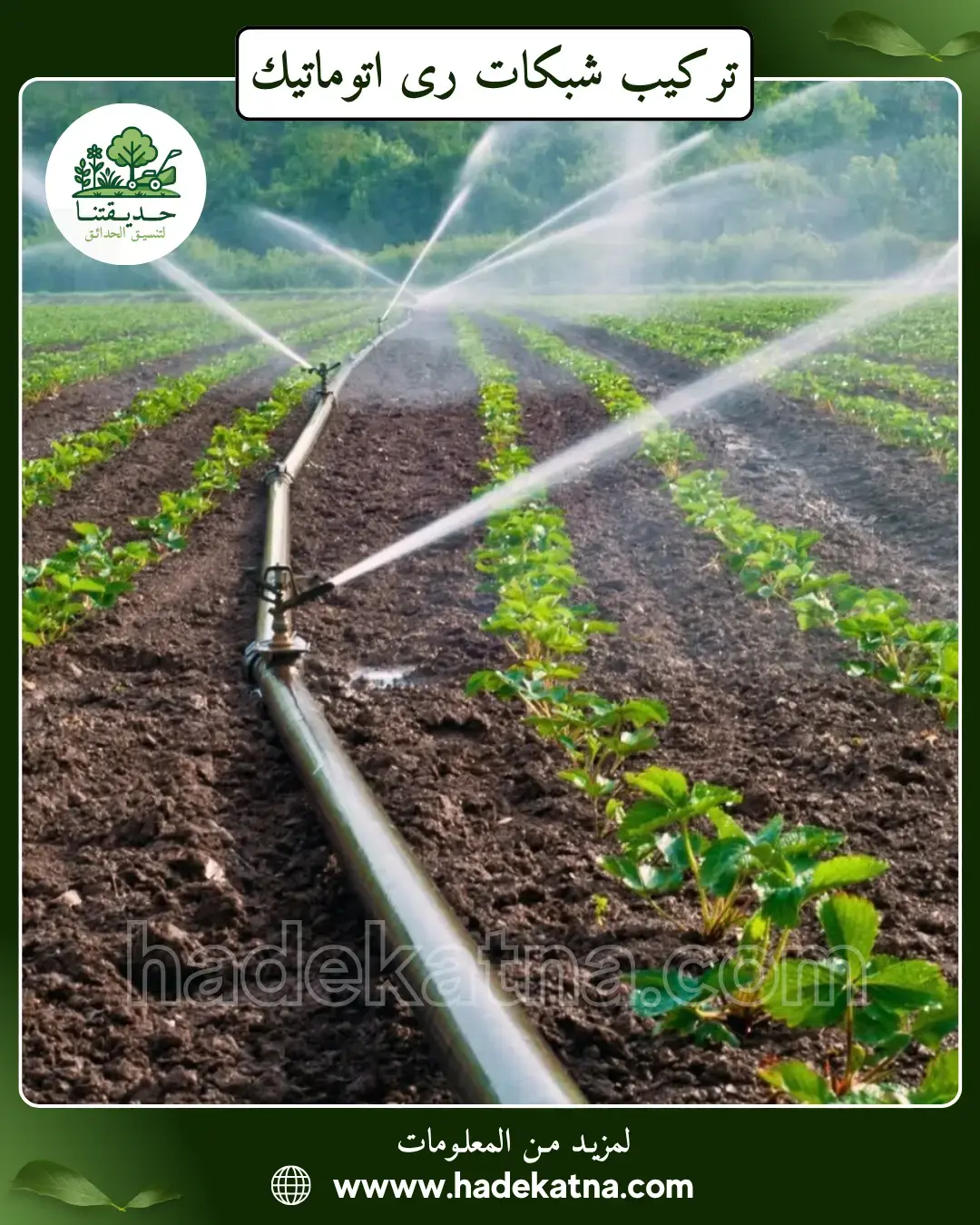
Choosing the best irrigation system for small farms requires studying the farm conditions before installation because the suitable system varies according to plant type, land area, water source, and farm management style.
Not every irrigation system is suitable for every location. A simple system may be the best choice for some farms, while other farms may need advanced solutions that provide better water control and reduce daily effort.
In small farms in Kuwait, water availability and efficient usage are among the most important factors that should be considered, especially because the climate is characterized by high temperatures and increased plant water requirements during certain periods of the year.
Drip irrigation is one of the systems that suits many small farms because it delivers water directly to plant roots, reducing water loss and helping maintain more stable soil moisture.
Sprinkler systems may be suitable for areas planted with grass or plants that require wider water distribution, but they need proper adjustment to avoid waste caused by evaporation or incorrect spraying direction.
Through practical experience in installing irrigation networks for farms and gardens in Kuwait, choosing the right system does not start with selecting equipment. It starts with understanding the land and plant requirements.
For example, a small farm containing fruit trees requires a different irrigation approach compared with a farm growing seasonal vegetables because water requirements and root systems vary between plants.
Farm size also affects the decision. Very small areas may not require complex systems, while farms with multiple planting zones can benefit from automatic irrigation networks divided into different sections.
The available time for farm management should also be considered. If the owner can provide daily care, manual irrigation may be sufficient. However, if the goal is comfort and reducing continuous supervision, automatic irrigation becomes a better option.
Choosing the best irrigation system for small farms does not mean selecting the most expensive solution. It means selecting the system that provides the highest efficiency according to usage requirements and available budget.
Proper planning before installation helps avoid problems that may lead to excessive water consumption, weak plant growth, or costly modifications in the future.
Important points about the best irrigation system for small farms:
-
The suitable system depends on plant type and farm size, not only the price.
-
Drip irrigation is suitable for many crops because it delivers water directly to roots.
-
Studying farm requirements before installation reduces future modification and maintenance costs.
Manual Irrigation Network for Small Farms and When It Is the Right Choice
A manual irrigation network for small farms remains one of the solutions used by many farmers because of its simplicity and low initial cost, especially in limited areas that do not require complex operation systems.
This method depends on the farmer or worker manually opening the water supply and controlling the irrigation process using hoses or simple irrigation lines according to plant requirements.
One of the main advantages of manual irrigation networks is easy installation. They do not require automatic controllers or electronic equipment, making them suitable for very small farms with a limited number of plants or trees.
They also provide the farm owner with the opportunity to directly observe plants during watering and notice any changes in soil condition, leaf appearance, or plant health.
However, despite these advantages, manual irrigation requires continuous commitment because its success depends on regular daily management.
During summer in Kuwait, this can become more challenging because plants may require frequent watering due to high temperatures, especially when the farm owner cannot be present every day.
Through practical experience, many farm owners start with manual irrigation because of its lower cost, but as the farm expands and the number of plants increases, they often realize the need for a more organized irrigation solution.
Manual water distribution may also not always be equal. Some plants may receive more water than necessary, while other areas may receive insufficient amounts.
Therefore, manual irrigation should be managed carefully with a clear watering schedule and regular monitoring of plant conditions.
This method is more suitable for small farms where the owner lives nearby and can provide daily supervision.
Important points about manual irrigation network for small farms:
-
It is an economical solution suitable for limited agricultural areas.
-
It requires daily monitoring and regular irrigation management.
-
It suits farmers who prefer direct control and personal plant observation.
Automatic Irrigation for Small Farms and the Benefits of Smart Irrigation Management
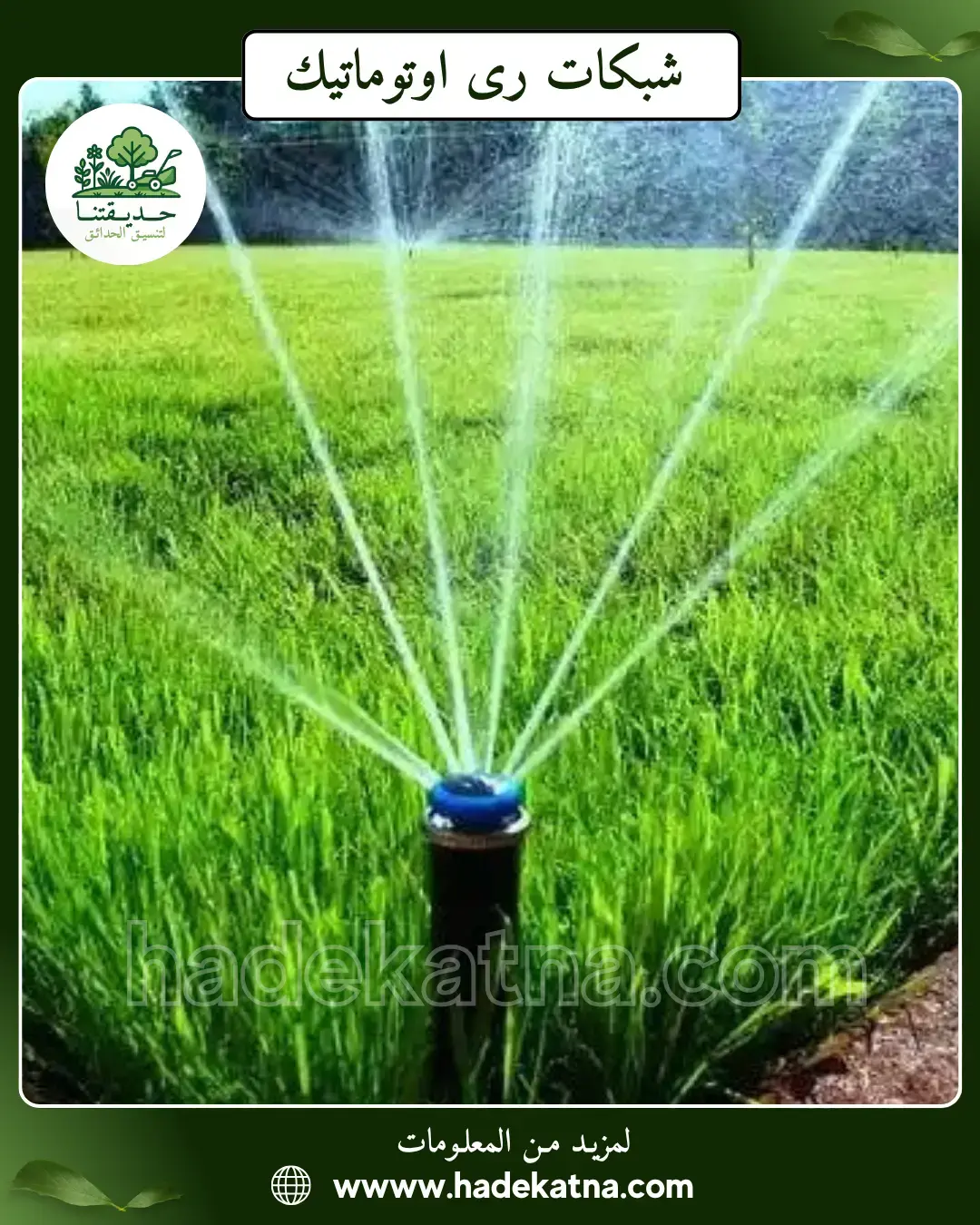
Automatic irrigation for small farms has become one of the modern solutions preferred by many farm owners who want to save time and improve water efficiency.
This system depends on a prepared irrigation network that operates according to a programmed schedule, where water starts and stops automatically without requiring someone to perform the process manually.
The main advantage of automatic irrigation is consistency. Plants receive water at scheduled times and in suitable quantities, helping improve growth and reducing problems caused by insufficient or excessive irrigation.
In small farms in Kuwait, this system provides significant convenience, especially during summer when plants require accurate irrigation management because of high temperatures.
Through practical experience, farm owners using automatic irrigation systems often notice improved water distribution and reduced time spent on daily irrigation tasks.
The system can also divide the farm into different irrigation zones, allowing each group of plants to receive the amount of water suitable for its needs.
This is especially important in farms that contain fruit trees, vegetables, and different plant varieties at the same time.
Automatic irrigation also helps reduce water waste because it prevents random operation and controls irrigation duration accurately.
However, achieving these benefits requires proper system design and professional installation because incorrect network planning or unsuitable equipment selection may affect performance.
Important points about automatic irrigation for small farms:
-
Saves time and reduces dependence on daily manual supervision.
-
Provides more accurate and consistent water distribution.
-
Requires proper design and installation to achieve maximum efficiency.
Water-Saving Irrigation System for Farms and Its Importance in Reducing Consumption
A water-saving irrigation system for farms is one of the most important solutions searched by small farm owners in Kuwait, especially with the importance of conserving water and achieving the best results from every amount used in irrigation.
The idea behind water-saving irrigation is not only reducing water quantity, but also delivering water correctly, in the right place, and at the right time according to plant requirements.
Drip irrigation is one of the most effective systems for saving water because it delivers water directly to the root zone instead of distributing it over large areas where part of the water may be lost through evaporation or inefficient watering.
Automatic control systems can also be combined with irrigation networks to determine operating times and irrigation duration according to plant needs, helping prevent excessive water use.
In small farms in Kuwait, this is especially important because high temperatures can increase water evaporation if the wrong irrigation method is used.
Through practical experience in preparing irrigation networks, many plant problems are not caused only by lack of water, but by poor distribution. Some areas may receive too much water while others remain dry.
A water-saving irrigation system creates better balance between plant needs and water usage, improving plant health and agricultural performance.
Reducing water consumption does not mean reducing irrigation quality. Proper distribution can actually produce better results because plants receive the required amount exactly where they need it.
This type of system is suitable for farmers who want to reduce long-term operating costs, especially with increasing maintenance and service requirements.
Therefore, choosing a water-saving irrigation system for farms is a practical investment that improves farm efficiency and protects valuable water resources.
Important points about water-saving irrigation system for farms:
-
Reduces water waste through accurate distribution.
-
Improves water delivery to plant roots.
-
Helps reduce future operating costs while maintaining plant health.
Advantages of Automatic Irrigation for Farms and How It Improves Irrigation Management
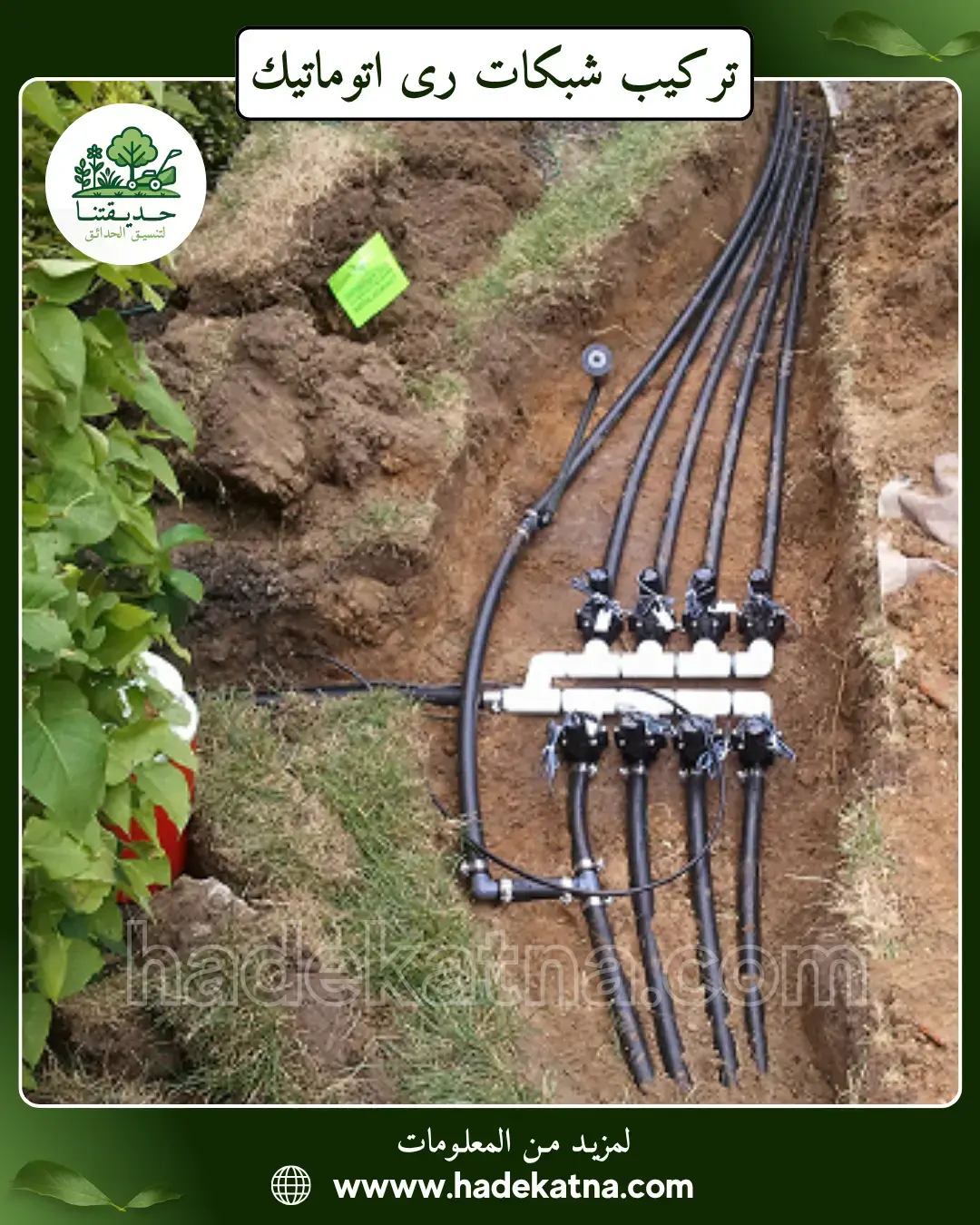
The advantages of automatic irrigation for farms are among the main reasons why this system has become a preferred choice for many small farm owners because it provides a more organized way to manage water compared with traditional irrigation methods.
One of the biggest advantages of automatic irrigation is saving time. The farm owner does not need to perform the irrigation process manually every day because the system operates according to a programmed schedule.
This is especially useful for people who cannot visit the farm regularly or have other responsibilities that prevent them from providing daily irrigation supervision.
Automatic irrigation also improves irrigation consistency because plants receive water at the same scheduled times and in suitable quantities, reducing problems caused by irregular watering.
Through practical experience in small farms in Kuwait, regular irrigation is one of the most important factors affecting plant growth quality, especially during periods of high temperatures.
Another important advantage is the ability to divide the irrigation network into different zones, allowing each area to be controlled according to the type of plants growing there.
Large trees may require different water quantities compared with small plants or vegetable areas, and this zoning capability makes the system more efficient.
Automatic irrigation also reduces the possibility of forgetting irrigation, which is a common problem when depending completely on manual methods.
It helps reduce water consumption because it prevents random operation and controls irrigation duration accurately.
However, achieving these advantages requires proper network design and selecting suitable equipment because a poorly designed system may not provide the expected results.
Therefore, the advantages of automatic irrigation for farms make it a practical solution for those looking for convenience, accuracy, and better water management.
Important points about the advantages of automatic irrigation for farms:
-
Saves time and reduces the need for continuous daily supervision.
-
Helps maintain regular irrigation and improve plant growth.
-
Allows irrigation zones to be adjusted according to different plant requirements.
Advantages and Disadvantages of Manual Irrigation Before Using It in Small Farms
Understanding the advantages and disadvantages of manual irrigation helps farm owners decide whether this method is suitable before choosing an irrigation system because although it is simple, it has both benefits and limitations.
One of the main advantages of manual irrigation is the low initial cost. It does not require automatic controllers or advanced equipment, making it suitable for very small farms or projects with limited budgets.
It also gives the farm owner direct control over the irrigation process, allowing personal observation of plants during watering and helping identify any changes in soil or plant condition.
Manual irrigation is also a simple system that does not require advanced technical knowledge for operation or basic maintenance.
However, manual irrigation requires continuous time and effort, especially when the farm area becomes larger or the number of plants increases.
In Kuwait, this challenge becomes more noticeable during summer because plants often require frequent irrigation and careful monitoring due to high temperatures.
Another disadvantage of manual irrigation is the difficulty of achieving precise water distribution across all areas. Water quantities may vary depending on the person’s method and experience.
Relying completely on human presence can also create problems during travel, absence, or situations where the farm cannot be visited regularly.
Through practical experience, manual irrigation works well for small areas that require simple monitoring, but it may become less efficient as the farm expands.
Therefore, farm owners should evaluate the size of the work and available time before choosing this method.
Important points about the advantages and disadvantages of manual irrigation:
-
It is an economical and simple option for small farms.
-
It allows direct monitoring of plants during watering.
-
It requires time and effort and may not suit larger agricultural areas.
Which Is More Economical Manual or Automatic Irrigation in Terms of Cost and Long-Term Use
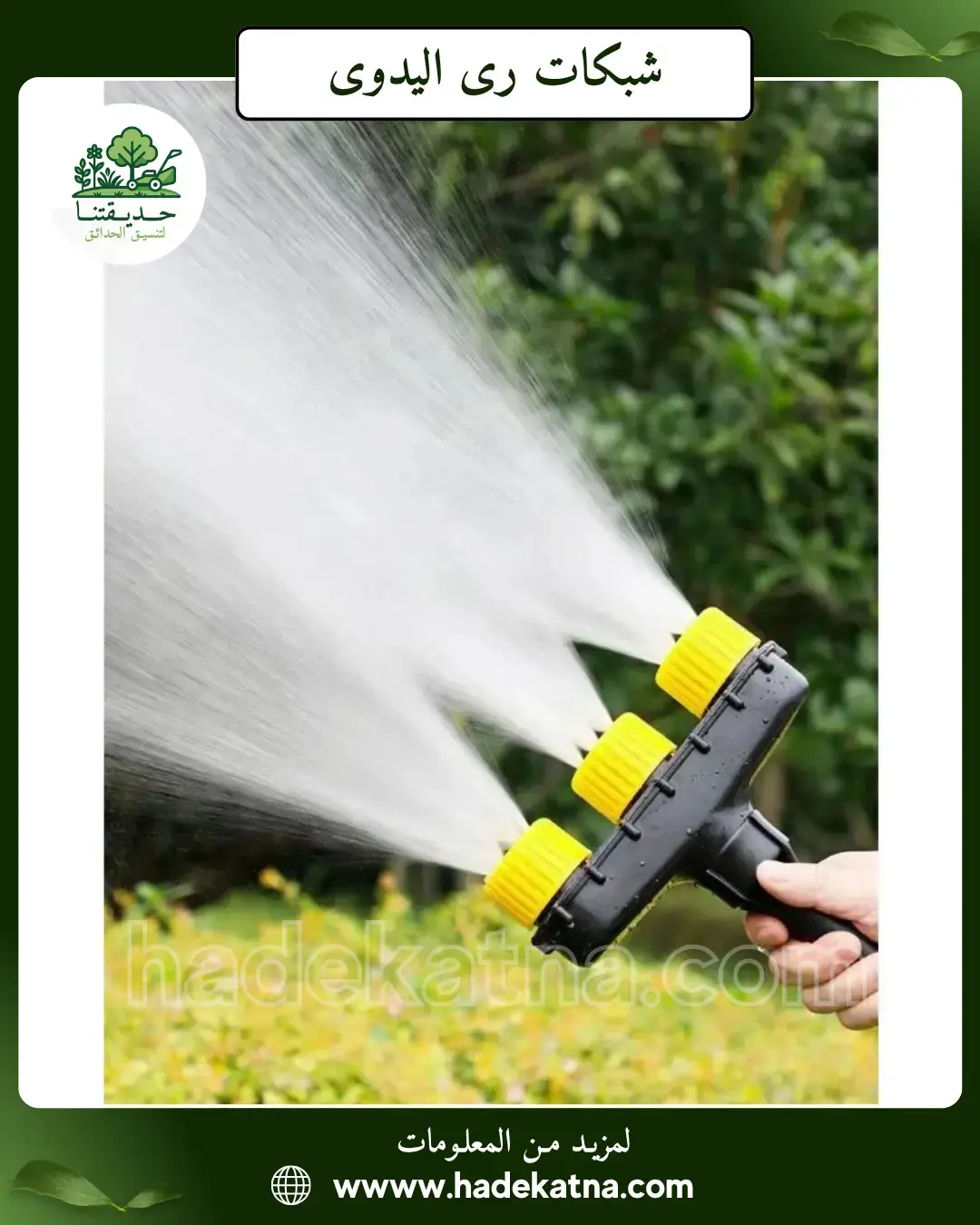
The question of which is more economical manual or automatic irrigation depends on how costs are calculated because the comparison should not be based only on the initial installation price.
The evaluation should include ongoing expenses, water consumption, required maintenance time, and the expected lifespan of the irrigation system.
Manual irrigation usually has a lower initial cost because it does not require many components. It can operate using hoses or simple irrigation lines without automatic controllers or advanced equipment.
This makes it suitable for very small farms or farmers who are starting with limited agricultural areas.
However, when calculating long-term costs, other factors become important. The daily time spent on irrigation represents an indirect cost, especially when the farm requires regular attention or contains many plants.
Automatic irrigation requires a higher initial investment because it includes pipes, drip lines or sprinklers, control systems, and professional installation.
However, it saves time and helps reduce water consumption through accurate distribution, which can create savings over the long term.
Through practical experience with irrigation systems in small farms in Kuwait, many farm owners begin with manual irrigation because of the lower starting cost, then move to automatic systems when the farm expands or daily irrigation becomes difficult.
Water saving is also an important factor in this comparison because a properly designed automatic system reduces waste caused by overwatering or poor distribution.
At the same time, manual irrigation can remain economical if the farm area is very small, the number of plants is limited, and the owner is located nearby.
Therefore, there is no single answer that applies to everyone. The most economical option depends on farm size, management style, and available time.
If the farm is very small and requires simple irrigation, manual methods may be sufficient. However, if the goal is comfort, water efficiency, and better management, automatic irrigation is usually a better long-term investment.
Important points about which is more economical manual or automatic irrigation:
-
Manual irrigation has lower starting costs but requires continuous time and effort.
-
Automatic irrigation requires initial investment but saves water and time in the future.
-
The economical choice depends on farm size and management requirements.
Choosing an Irrigation Network for a Small Farm According to Area Plant Type and Operation Method
Choosing an irrigation network for a small farm is one of the most important steps that determine irrigation success because the right network helps distribute water evenly, maintain plant health, and reduce problems caused by poor watering practices.
Before installing any system, the farm area and plant types should be studied because fruit trees have different water requirements compared with vegetables or decorative plants.
The available water source and water pressure should also be evaluated because some irrigation systems require specific pressure levels to operate efficiently, and some farms may need pumps or additional equipment.
Through practical experience in installing irrigation networks in Kuwait, one common mistake is selecting a system based only on land size, while other factors such as soil type, sunlight exposure, and plant arrangement are equally important.
A farm containing trees distributed in different locations may require a different design compared with a farm containing closely arranged planting beds.
Future expansion should also be considered. If the owner plans to increase the cultivated area, the network should be designed to allow additional lines without requiring complete reconstruction.
Selecting the right pipes, sprinklers, drip lines, and control devices directly affects network efficiency and lifespan.
Maintenance should also be considered because a good irrigation network should allow easy inspection and cleaning when needed.
In small farms in Kuwait, a balanced system that combines efficiency and ease of use is usually the best choice because the goal is not only delivering water but ensuring that each plant receives the correct amount.
Therefore, choosing an irrigation network for a small farm requires proper planning and experience to avoid mistakes and achieve the best water efficiency.
Important points about choosing an irrigation network for a small farm:
-
The network should be selected according to plant requirements, not only land size.
-
Water pressure and distribution design affect system efficiency.
-
Proper planning before installation reduces future maintenance and modification costs.
Conclusion
Choosing a manual or automatic irrigation system for small farms in Kuwait depends on each farm’s requirements and management style. There is no single system that is considered the best for everyone because every farm has different conditions related to area, plant types, available time, and budget.
Manual irrigation remains a suitable option for very small farms that require direct supervision and lower installation costs, while automatic irrigation provides more advanced solutions through better water distribution, time saving, and reduced waste.
When planning an irrigation network, the focus should not only be on the initial cost. Long-term benefits, water efficiency, plant health, and ease of farm management should also be considered.
Choosing a water-saving irrigation system has become increasingly important for modern farms because it helps achieve better agricultural results while using resources more efficiently.
In the end, the best decision is choosing the system that matches the farm conditions rather than simply selecting the most common option, while relying on proper design and professional installation to ensure long-lasting performance.
Frequently Asked Questions
Is manual irrigation or automatic irrigation better for small farms?
It depends on farm size and usage. Manual irrigation suits very small areas, while automatic irrigation is better for those who want to save time and improve water distribution.
What is the best irrigation system for small farms?
The best system depends on plant type and farm size, but drip irrigation and automatic systems are effective solutions for many small farms.
Does automatic irrigation save water?
Yes, when properly designed and installed, it reduces water waste by controlling irrigation quantity and timing accurately.
Is a manual irrigation network suitable for small farms?
Yes, it is suitable for farms with limited areas where the owner can provide regular daily supervision.
Which is more economical manual or automatic irrigation?
Manual irrigation has a lower initial cost, but automatic irrigation may be more economical long term because it saves water, time, and effort.
What are the main advantages of automatic irrigation for farms?
It provides regular watering, reduces water consumption, saves time, and delivers plant requirements more accurately.
What are the disadvantages of manual irrigation?
The main disadvantages include daily supervision requirements and difficulty controlling water quantity accurately as farm size increases.
How do I choose a suitable irrigation network for a small farm?
You should study farm area, plant types, water source, water pressure, and operation method before selecting the suitable system.
Is drip irrigation better for small farms?
In many cases, yes. It is an excellent option because it delivers water directly to roots and reduces water loss, especially for trees and agricultural crops.
Does an automatic irrigation network require maintenance?
Yes, it requires periodic inspection and cleaning of some components to maintain efficient operation.
What is the most common mistake when installing an irrigation network?
Choosing a system without studying farm requirements, which may lead to water waste and poor plant growth.


