

Interlocking Weather-Resistant Tile Installation in Kuwait
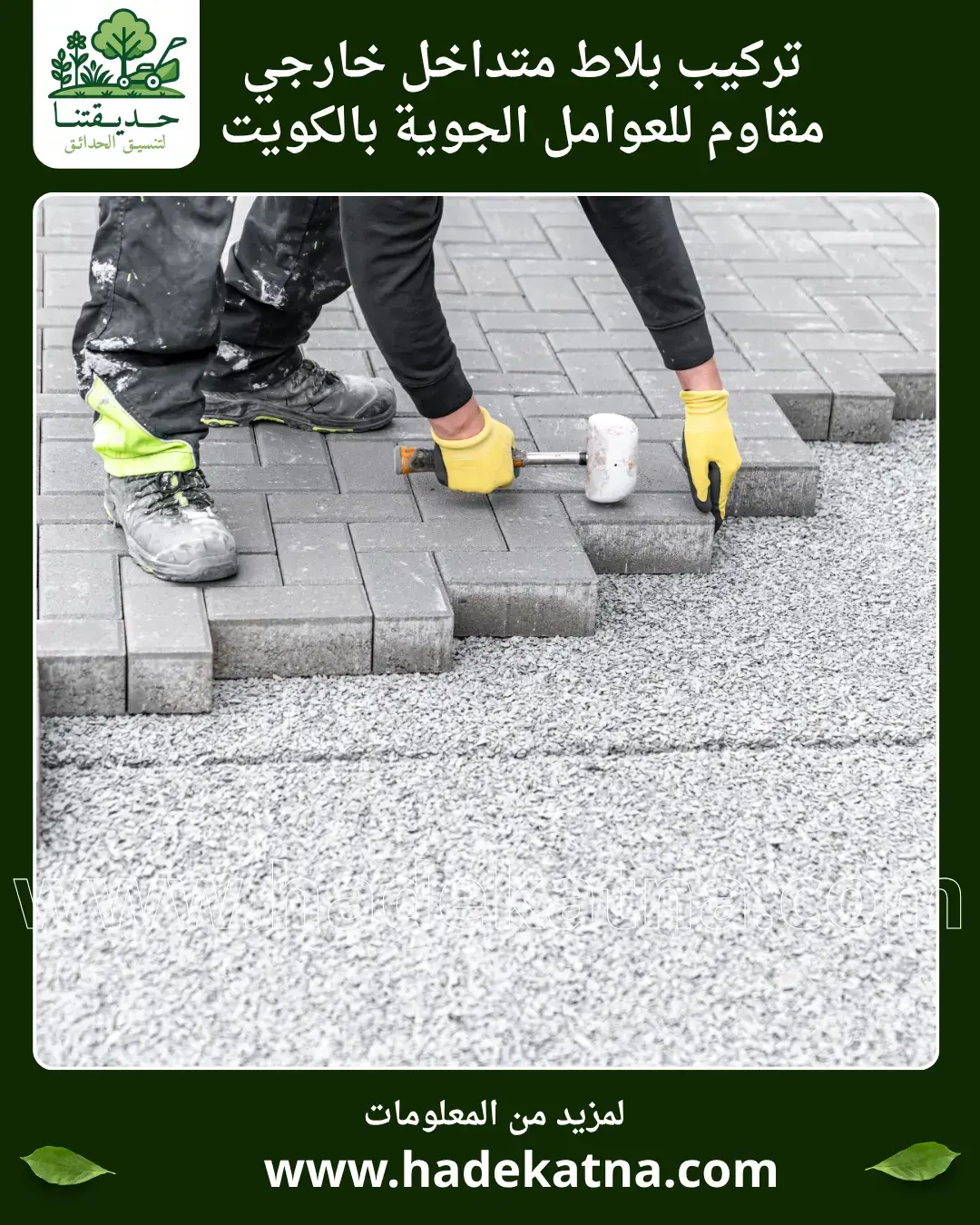
In a country like Kuwait, where the climate alternates between high summer temperatures and occasional winter rains, choosing the right type of flooring becomes not only an aesthetic decision but also a practical one. Many homeowners, villa owners, and even public institutions have turned to installation of interlocking weather-resistant tiles in Kuwait for their durability, elegance, and ability to withstand harsh weather conditions. Interlocking tiles are not just decorative elements; they are an engineered system designed to resist erosion and expansion caused by temperature changes, making them ideal for pathways, entrances, gardens, and public squares. Because installation requires technical expertise and precision, relying on a specialized company or skilled technician is the best choice to ensure long-lasting quality and accurate execution. This article discusses the main features, installation steps, and maintenance tips that guarantee durable and weather-resistant flooring across Kuwait.
Advantages of Interlocking Weather-Resistant Tiles
-
Made from a strong cement mixture that resists cracking and discoloration under extreme heat.
-
Contains additives that make it water and moisture resistant, ideal for outdoor use.
-
Designed with a non-slip surface, providing safety even in rainy conditions.
-
Available in various modern and classic designs, suitable for all tastes.
-
Easy to clean and maintain without losing its shine.
-
Resistant to friction and vehicle pressure, making it perfect for driveways and public entrances.
-
Long lifespan and economical investment compared to other floor types.
-
Can be easily reinstalled or replaced without complete demolition.
-
Environmentally friendly and made from natural, non-toxic materials.
-
Usually sold with a manufacturer’s quality guarantee, ensuring durability and reliability.
This combination of strength and elegance makes interlocking tiles a popular choice for modern infrastructure and landscaping projects in Kuwait.
The Role of a Professional Tile Installation Technician
-
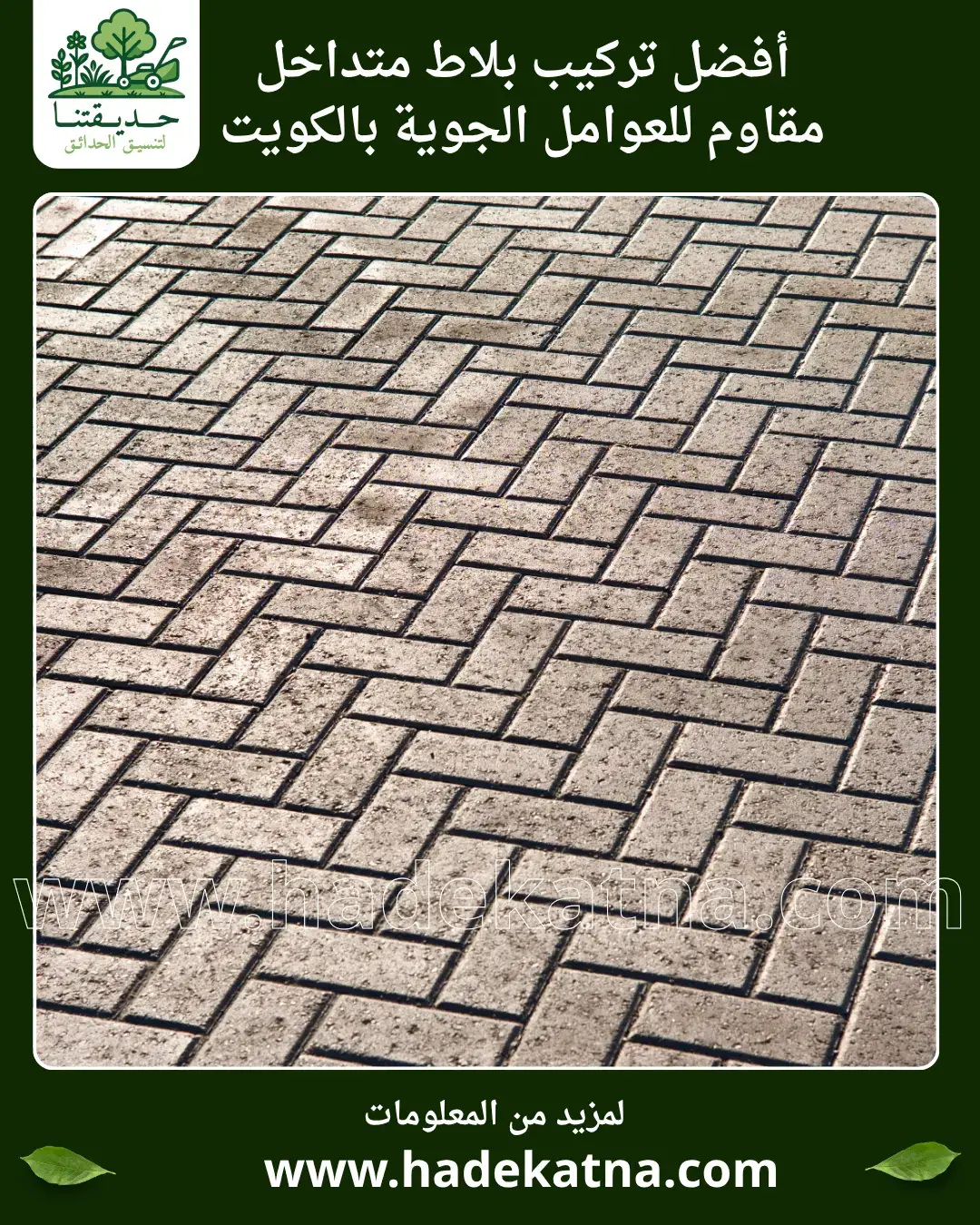
The technician begins by inspecting the ground and assessing its moisture and stability.
-
Uses precise leveling tools to ensure even distribution and balance.
-
Prepares the base with a compacted sand layer for long-term stability.
-
Plans the geometric pattern before starting installation to ensure symmetry.
-
Maintains exact spacing between tiles to allow natural expansion with temperature changes.
-
Uses high-quality adhesives or sand mixes for solid, long-lasting bonding.
-
Conducts post-installation testing to verify strength and resistance.
-
Provides maintenance guidance for cleaning and care.
-
Relies on years of hands-on experience to handle any on-site challenges.
-
Adheres to safety and quality standards during every phase of installation.
A skilled technician guarantees a professional, durable result that preserves both functionality and appearance.
Importance of Choosing a Specialized Company
-
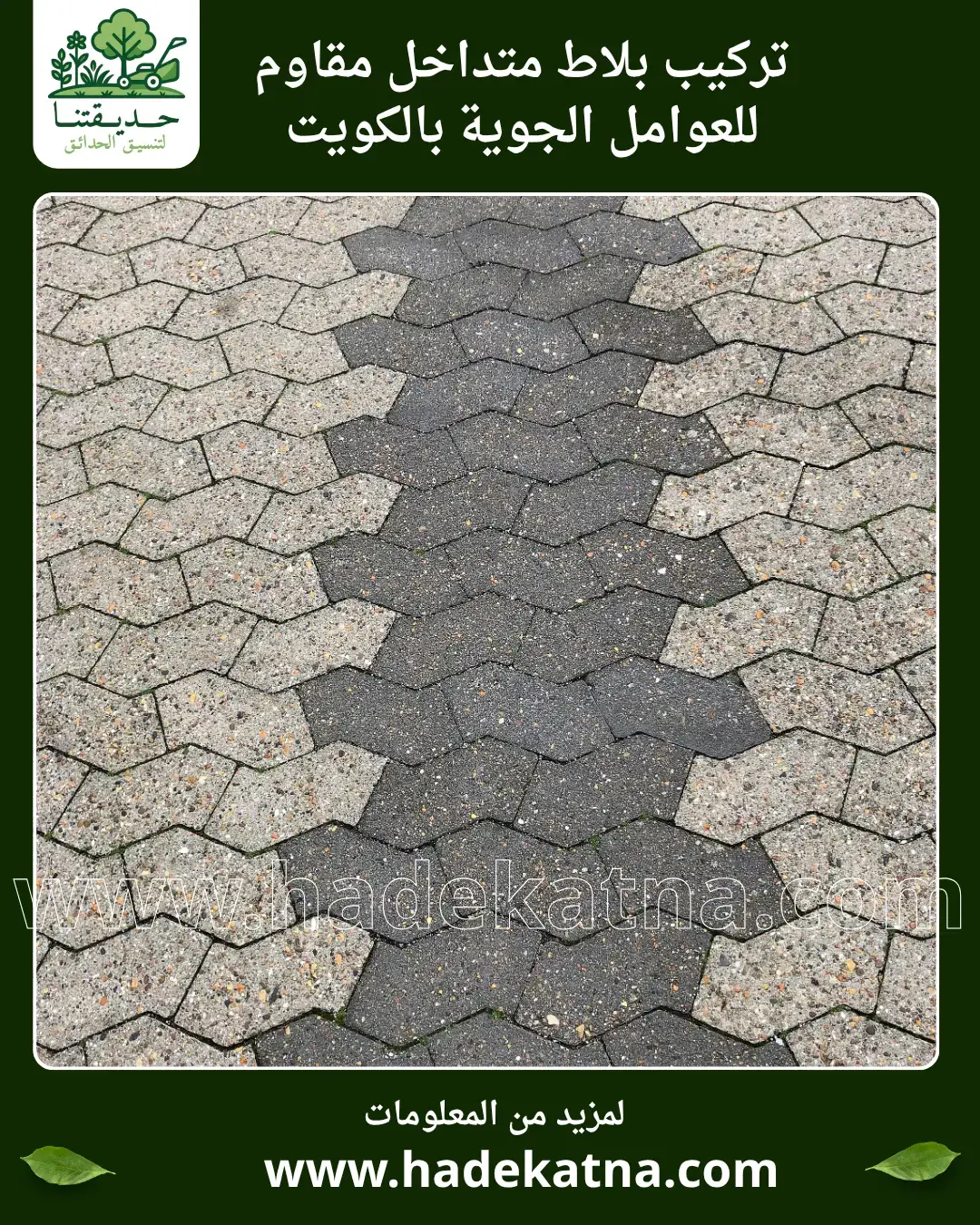
Employs trained teams of engineers, supervisors, and professional installers.
-
Uses certified raw materials from trusted global suppliers.
-
Operates with modern tools and laser-leveling machines for precision.
-
Provides written warranties and maintenance contracts for customer assurance.
-
Can execute large-scale projects like parks, commercial plazas, and villas efficiently.
-
Offers pre-installation technical consultations to choose the right design and materials.
-
Uses waterproof underlayers to protect the foundation from moisture.
-
Ensures after-service monitoring to maintain customer satisfaction.
-
Provides transparent pricing without hidden fees.
-
Maintains consistent quality regardless of project size.
Choosing a specialized company means guaranteed quality, reliability, and long-term performance.
Steps of Installing Interlocking Weather-Resistant Tiles
-
Site preparation: Cleaning debris, marking the area, and defining layout boundaries.
-
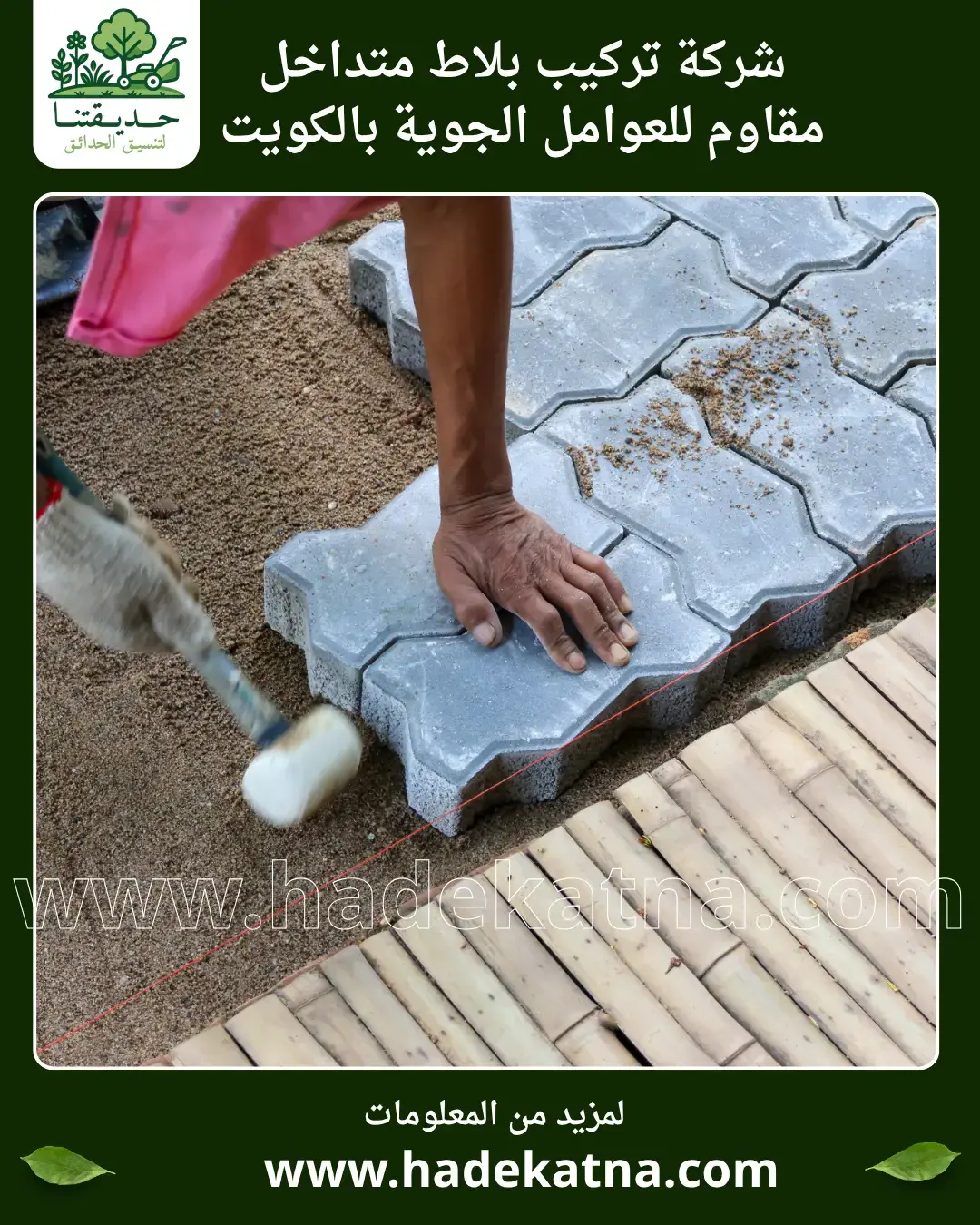
Leveling the ground: Compacting a clean sand layer using a vibrating plate for firmness.
-
Base layer formation: Mixing sand and gravel (10–15 cm thick) and compressing it firmly.
-
Design layout: Planning the interlocking pattern before installation.
-
Tile placement: Laying each tile with proper alignment and spacing.
-
Final compaction: Vibrating the surface again to secure the tiles.
-
Joint filling: Filling gaps with fine dry sand and compacting again.
-
Surface cleaning: Removing excess sand and ensuring a clean, level finish.
-
Final inspection: Checking alignment, uniformity, and balance.
Following these steps ensures long-lasting, durable results suitable for heavy use and weather fluctuations.
Applications of Interlocking Weather-Resistant Tiles
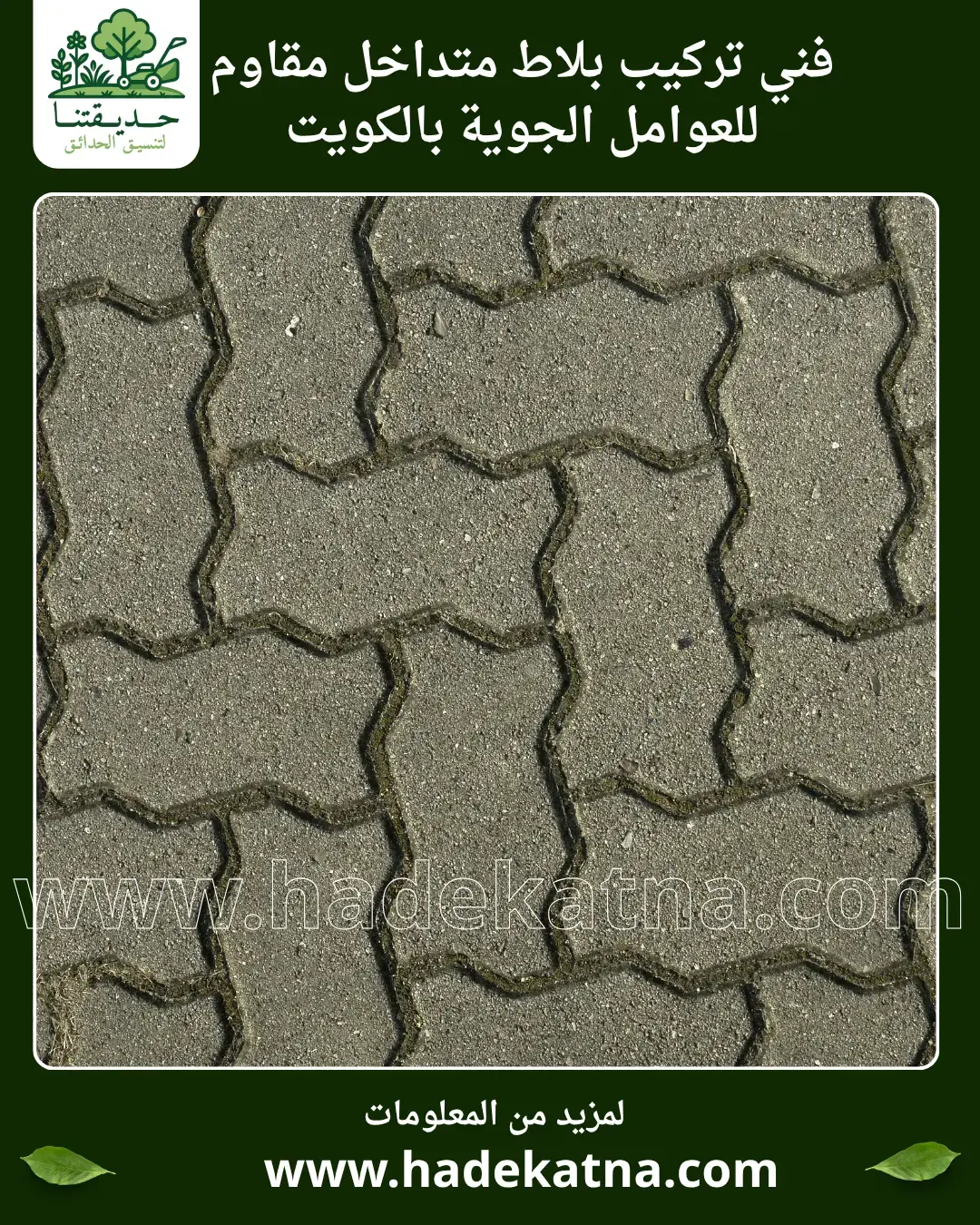
-
Public and private walkways: Offering an organized and elegant look.
-
Villa and building entrances: Reflecting luxury and stability for high-traffic areas.
-
Home gardens: Safe, non-slip surface ideal for outdoor furniture.
-
Parking areas: Withstanding high pressure from vehicles.
-
Parks and open spaces: Suitable for exposure to sun and rain.
-
Pool walkways: Resistant to moisture and chlorine damage.
-
Commercial zones and sidewalks: Easy to clean and maintain.
-
Hotels and resorts: Enhancing the aesthetic value of outdoor spaces.
-
Luxury villas: Can be customized in colors and patterns to match exteriors.
-
Schools and public facilities: Safe and durable for daily use.
Experienced Interlocking Tile Installation Technician in Kuwait
The versatility of interlocking tiles makes them a cornerstone of Kuwait’s modern landscaping projects.
Tips for Ensuring High-Quality Installation
-
Choose the right type: Use verified weather-resistant tile brands.
-
Hire experienced professionals: Poor installation may lead to surface instability.
-
Prepare the ground well: Ensure a smooth, dry, and compacted base.
-
Avoid rushing: Allow the base to settle before installation.
-
Mind the joints: Leave suitable gaps for expansion and contraction.
-
Use proper materials: Avoid low-quality adhesives and fillers.
-
Apply dry sand joints: For flexibility and even bonding.
-
Clean regularly: Prevent dust buildup and maintain appearance.
-
Inspect post-installation: Ensure all tiles are level and properly compacted.
-
Demand service warranty: Protect your investment with a written guarantee.
Adhering to these recommendations ensures your interlocking tile surface remains durable and beautiful for years.
Types of Interlocking Tiles Used in Kuwait
-
Cement-based interlocking tiles: the most common and highly durable.
-
Colored interlocking tiles: dyed with oxide pigments that resist fading.
-
Polished interlocking tiles: offer a glossy, elegant finish for entrances.
-
Textured interlocking tiles: ideal for wet areas due to anti-slip properties.
-
Thick interlocking tiles: suitable for parking lots and high-traffic zones.
-
Thin interlocking tiles: used in light-use pathways and gardens.
-
Patterned interlocking tiles: include decorative geometric engravings.
-
Waterproof interlocking tiles: prevent water absorption and cracking.
-
Machine-cut tiles: highly precise and uniform for easy installation.
-
Imported industrial tiles: provide superior texture and strength.
Choosing the right type depends on location, purpose, and design preferences.
Benefits of Installing Interlocking Weather-Resistant Tiles
-
Provides long-term ground stability and reduces maintenance costs.
-
Resists erosion from heavy use and friction.
-
Maintains cooler temperatures than traditional concrete.
-
Allows natural water drainage and prevents puddles.
-
Enhances property value through aesthetic appeal.
-
Environmentally friendly and chemical-free.
-
Reduces dust and improves air quality in the surroundings.
-
Easily replaceable without full removal of the surface.
-
Color-fast and resistant to UV exposure.
-
Adds visual harmony and artistic detail to any space.
This makes it both a practical and decorative flooring option, ideal for Kuwait’s environment.
Factors Affecting Installation Cost in Kuwait
-
Total project area: larger spaces require more materials and labor.
-
Type of tile: imported or patterned tiles cost more.
-
Tile thickness: thicker tiles are more durable but costlier.
-
Project location: transportation may affect pricing.
-
Ground preparation needs: uneven surfaces add to expenses.
-
Type of sand used: clean dry sand is preferable but pricier.
-
Technician expertise: skilled workers charge more for quality work.
-
Design complexity: intricate patterns require extra time and effort.
-
Equipment quality: modern tools ensure precision but add minor cost.
-
Warranty coverage: companies offering guarantees may charge slightly higher rates.
Understanding these factors helps plan a realistic and transparent project budget.
Importance of Using Original Materials
-
Original materials are stronger and more resistant to wear.
-
Maintain color stability under heat and UV rays.
-
Prevent moisture absorption and surface cracking.
-
Provide accurate sizing, ensuring seamless installation.
-
Backed by manufacturer warranties for performance assurance.
-
Offer smoother texture and consistent quality.
-
Lightweight and safe for handling during installation.
-
Provide long-term resistance against environmental impact.
-
Ensure sustainability and reliability in demanding climates.
-
Represent a long-term investment rather than short-term saving.
Using authentic materials ensures superior durability and aesthetic quality for years to come.
Safety Standards During Installation
-
Workers must wear protective gear such as gloves and non-slip boots.
-
Secure all electrical and vibrating equipment before operation.
-
Avoid storing heavy loads on unfinished areas.
-
Keep work zones dry to prevent accidents.
-
Use precision measuring tools to ensure level installation.
-
Block access to the site during installation for safety.
-
Follow manufacturer guidelines for each tile type.
-
Clean the area immediately after work to prevent hazards.
-
Conduct final checks to ensure stability and alignment.
-
Comply with Kuwait’s construction and safety regulations.
Following these standards ensures worker safety and professional execution of the project.
Tile Maintenance After Installation
-
Clean regularly with water to remove dust and sand.
-
Avoid strong chemicals that may damage color or texture.
-
Use mild soap and a soft brush for stubborn stains.
-
Ensure proper drainage and avoid water accumulation.
-
Check sand joints periodically and refill if necessary.
-
Avoid dragging heavy objects across the surface.
-
Recompact every two years in heavy-use areas.
-
Replace any broken tiles immediately to prevent spreading damage.
-
Perform steam cleaning occasionally for a natural shine.
-
Follow maintenance guidelines provided by the installation company.
Proper care keeps the tiles strong, clean, and visually appealing for decades.
Advantages of Interlocking Tiles for Villas and Gardens
-
Adds elegance and architectural harmony to villas and outdoor spaces.
-
Provides a safe, non-slip surface during wet conditions.
-
Withstands heavy furniture and foot traffic without damage.
-
Offers creative color combinations for artistic layouts.
-
Keeps ground temperature cooler in hot seasons.
-
Requires minimal maintenance and is easy to clean.
-
Ideal for pool surroundings due to water resistance.
-
Withstands sun and rain exposure without fading.
-
Increases property value and visual appeal.
-
Allows easy replacement of individual tiles if needed.
This makes it the preferred choice for luxury villas and landscaped gardens across Kuwait.
Guarantees Offered by Installation Companies
-
Comprehensive installation warranty ranging from 1 to 3 years.
-
Warranty on color fastness and weather resistance.
-
Free repairs for any workmanship defects within the warranty period.
-
Certified materials with verified quality assurance.
-
Regular follow-up visits to inspect stability and joints.
-
Detailed technical reports on materials and maintenance.
-
24/7 customer support for service inquiries.
-
Strict adherence to safety and quality standards.
-
Warranty on load-bearing strength and structural stability.
-
Extended maintenance plans for large-scale projects.
These warranties demonstrate professionalism and commitment to client satisfaction.
Criteria for Choosing the Best Tile Installation Company
-
Proven experience with similar previous projects.
-
Positive customer reviews and timely service records.
-
Certified technicians with expertise in weather-resistant tiles.
-
Use of original, high-standard materials.
-
Transparent contracts detailing costs and timelines.
-
Advanced tools and equipment for precision.
-
Pre-project consultation to select ideal design and material.
-
Official licenses and worker certifications.
-
Ability to handle projects of all scales consistently.
-
Reliable after-sales support and follow-up maintenance.
Selecting a reputable company ensures lasting quality and peace of mind.
Frequently Asked Questions
1. What is the lifespan of interlocking weather-resistant tiles?
They typically last between 10 to 20 years depending on material quality, installation, and care.
2. Can interlocking tiles be installed over existing flooring?
Yes, provided the surface is level and stable. A technician should assess the condition first.
3. What differentiates regular interlocking tiles from weather-resistant ones?
Weather-resistant tiles contain special additives that protect against heat, moisture, and fading.
4. Do interlocking tiles need regular maintenance?
Only light cleaning and checking sand joints occasionally to maintain stability.
5. Where are interlocking tiles best used in Kuwait?
They are ideal for pathways, entrances, gardens, parking areas, and pool surroundings.
Conclusion
In conclusion, installing interlocking weather-resistant tiles in Kuwait has become an essential element of modern outdoor design, combining beauty, durability, and minimal maintenance. Given Kuwait’s harsh climate, these tiles provide the perfect long-term flooring solution. To ensure optimal results, it is always recommended to rely on experienced technicians or reputable companies that use original materials and follow strict safety and quality standards. Attention to detail from the start ensures that your project remains sturdy, attractive, and enduring for many years.


