

Why Interlock Pavers Move or Shake Over Time and How to Fix Them
Interlock pavers are among the most commonly used types of outdoor flooring in Kuwait for gardens, courtyards, and walkways because they provide an organized appearance and can withstand outdoor conditions when installed correctly. However, after some time, some homeowners or property owners may notice movement in certain pieces or areas that feel unstable when walking on them.
The problem of interlock paver shaking does not usually appear without a reason. It is often related to installation methods, the condition of the layers beneath the pavers, or the effects of usage and outdoor factors.
Therefore, understanding the causes of the problem and the correct repair methods helps restore the flooring and prevents repeated sinking or movement in the future.
Interlock Paver Shaking and Why Movement Appears After Installation
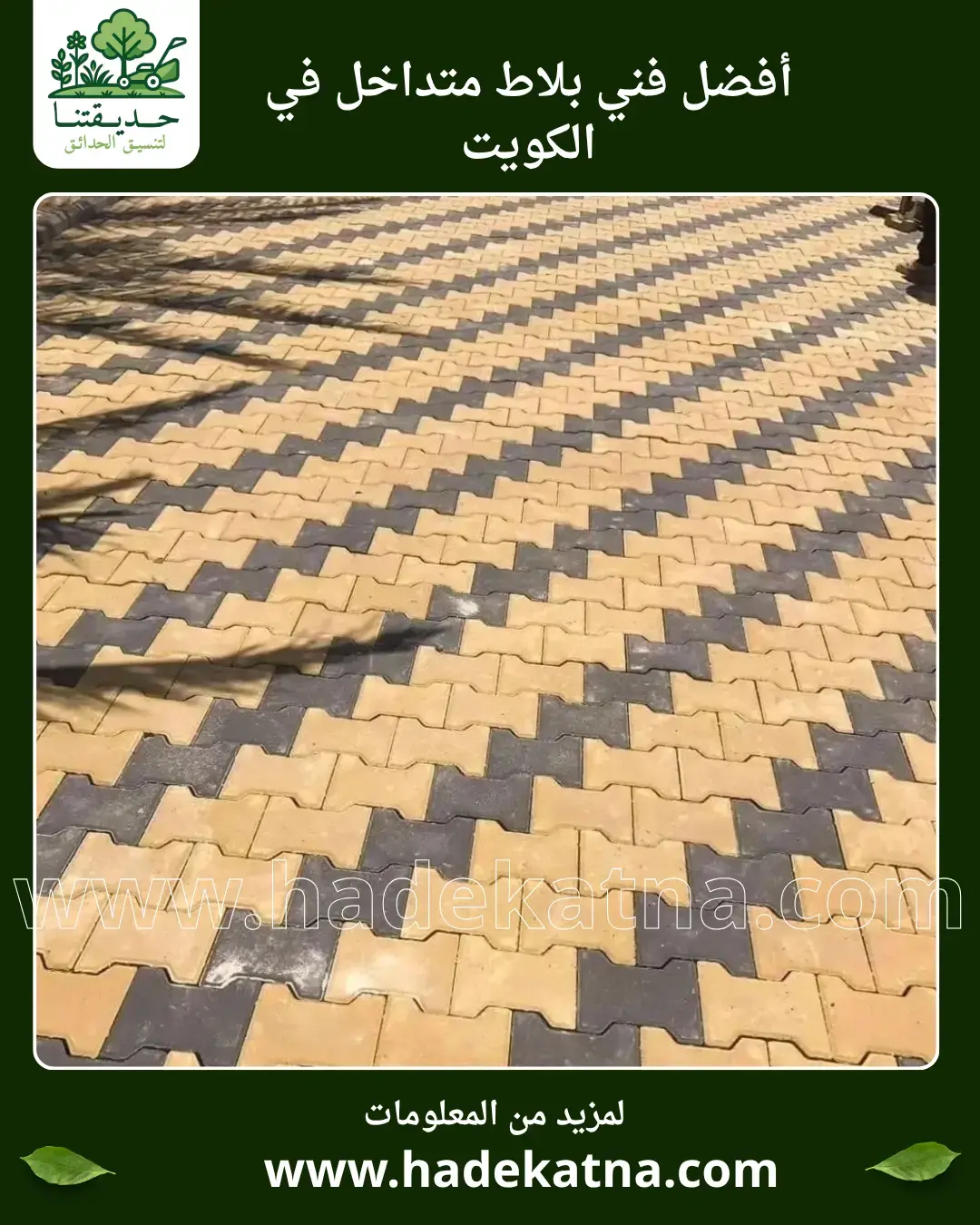
Interlock paver shaking is one of the common problems noticed by many owners of gardens, courtyards, and outdoor areas after some time. A person may feel that certain pieces move slightly when pressure is applied or when walking over them, while other pieces remain stable.
First, it is important to understand that interlock stability depends greatly on the layers beneath the pavers, not only on the paver pieces themselves. Proper installation requires preparing the ground, leveling it, and compacting the base layers correctly before placing the pavers.
Through practical experience in outdoor flooring projects in Kuwait, most interlock movement problems begin beneath the surface rather than from the paver itself because any weakness in the base layer or unstable soil can appear after continued use.
One of the common causes of shaking is the presence of empty spaces beneath some pieces, which prevents the paver from receiving full support and allows it to move when pressure is applied.
Water accumulation beneath the interlock can also affect the stability of the lower layers, especially when drainage is not properly prepared or when the ground is exposed to continuous moisture.
Installation methods also play an important role. Uneven sand layers or insufficient compaction may lead to unstable areas over time.
Heavy usage can also contribute to the problem, especially when vehicles pass over surfaces that were not prepared to handle such loads.
In some cases, natural factors such as soil movement or settlement in certain areas can cause instability, requiring treatment of the internal layers rather than only adjusting the surface.
Therefore, dealing with interlock paver shaking should begin with identifying the actual cause before starting any repair because temporary solutions may improve the appearance while leaving the main problem unresolved.
Important points about interlock paver shaking:
-
Paver movement is often caused by issues beneath the surface rather than the pavers themselves.
-
Correct diagnosis helps determine the appropriate repair method.
-
Treating the main cause prevents the problem from returning.
Causes of Interlock Paver Movement and How to Identify the Problem Before Repair
The causes of interlock paver movement vary depending on ground conditions, installation quality, and external factors affecting the flooring after installation. Understanding the cause is the first step toward achieving an effective repair.
One of the most common causes is weak base preparation. Interlock requires a stable foundation that helps distribute pressure and keeps the pieces firmly positioned.
If the sand layers or base materials beneath the pavers are not properly compacted, some areas may begin to sink or move with continuous use.
Through practical experience in interlock flooring maintenance in Kuwait, inspecting the affected area helps identify the issue by determining whether movement occurs in specific pieces or across a larger section.
Gaps between pavers or differences in height may indicate a problem beneath the flooring.
Weak edge support is also one of the factors that can affect stability because borders need proper reinforcement to prevent pieces from spreading or shifting over time.
Water leakage or accumulation beneath the pavers may change the condition of the lower layers, reducing the stability between the flooring components.
Another possible cause is removing and reinstalling some pieces without properly preparing the area again, which may cause the same location to become unstable.
Diagnosing the problem does not depend only on visual inspection but requires checking the condition of the pieces, the flooring level, and how pressure is distributed.
Therefore, understanding the causes of interlock paver movement helps ensure the correct repair method is used instead of replacing the entire flooring without addressing the real issue.
Important points about causes of interlock paver movement:
-
Weak base layers are among the main reasons for paver movement.
-
Inspecting the affected area helps determine the suitable repair solution.
-
Treating the source of the problem is more important than only rearranging the pavers.
Interlock Settlement After Installation and Why Some Areas Become Lower

Interlock settlement after installation is one of the problems that appears when certain parts of the flooring lose stability. Some pieces begin to sink below the normal level, creating uneven areas compared with the surrounding surface.
This issue affects not only the appearance of the flooring but may also cause water accumulation or difficulty walking, especially in frequently used pathways and outdoor areas.
The main cause of settlement is usually related to the layers beneath the interlock, as the ground requires proper preparation and strong support before installation.
Through practical experience in interlock projects in Kuwait, fixing settlement requires removing the affected area and checking the internal layers rather than simply adding more sand above the pavers.
In some cases, the cause is unstable soil that was not compacted properly, causing gradual sinking under the weight of the pavers and regular use.
Settlement may also occur due to water accumulation or poor drainage, as changes in soil conditions beneath the flooring affect the stability of the pieces.
The surrounding flooring level should also be reviewed because differences in height can help identify the reason behind the settlement.
Proper repair requires restoring the base layers, leveling the area, and reinstalling the interlock pieces correctly.
Simply lifting the pavers and placing them back without fixing the foundation may cause the same problem to appear again.
Therefore, interlock settlement after installation requires accurate evaluation and proper treatment of the internal layers to restore the flooring level.
Important points about interlock settlement after installation:
-
Settlement is usually related to problems beneath the pavers.
-
Proper repair starts from the base, not only the surface.
-
Reinstallation without leveling the ground may cause repeated problems.
Repairing Sunken Interlock and Restoring the Flooring to the Correct Level
Repairing sunken interlock requires accurate treatment because sinking is usually not caused by the paver piece itself but by changes in the layers beneath it or weak ground preparation before installation.
When some interlock pieces become lower than the surrounding surface, the first step is identifying the affected area and determining the cause because repairing a small section is different from treating a larger damaged area.
Through practical experience in interlock flooring maintenance in Kuwait, removing the affected pieces and inspecting the layers beneath them is one of the most important repair steps because the problem may result from empty spaces, weak soil, or poor base preparation.
After removing the pieces, the flooring level is checked and the area is prepared according to its condition. Additional suitable materials may be needed, followed by proper leveling and compaction before reinstalling the pavers.
Simply rearranging the pieces without treating the actual cause may cause the problem to return after a short period, especially if the lower layers continue to settle.
The repaired section should also be checked carefully to ensure that the restored pieces match the surrounding flooring level.
In some cases, the settlement may be limited to a small area that can be repaired locally, while larger affected sections may require wider base preparation.
The correct repair method depends on the size of the issue, the location, and how the area is used. Frequently used pathways require more accurate treatment than areas with limited movement.
Therefore, repairing sunken interlock is not only about lifting the pavers but also about restoring the foundation to ensure long-term stability.
Important points about repairing sunken interlock:
-
Identifying the reason behind settlement before repair prevents repeated issues.
-
Preparing the base layers is an essential part of successful treatment.
-
Proper leveling after repair maintains the flooring appearance.
Reinstalling Interlock Pavers and Maintaining Outdoor Flooring Stability
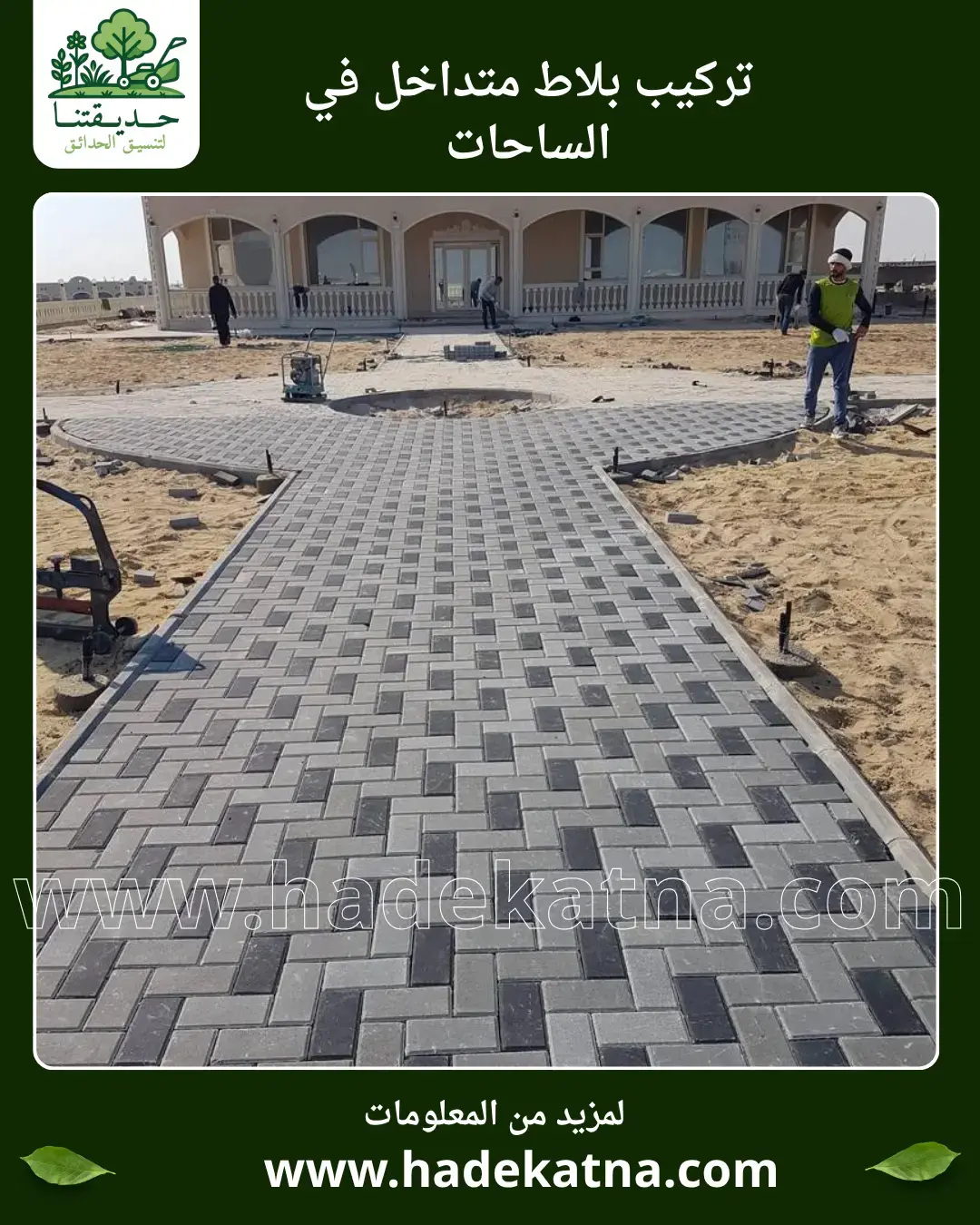
Reinstalling interlock pavers is one of the solutions used when certain pieces become loose or sections begin losing their stability. The process involves reorganizing the pavers after correcting the reasons that caused the movement.
Over time, some interlock flooring areas may be affected by factors such as soil changes, repeated usage, or weak sections beneath the pavers.
Reinstallation does not simply mean removing the pieces and putting them back. The area must first be checked to ensure that it is properly prepared and able to support the pavers again.
Through practical experience in interlock projects in Kuwait, successful reinstallation depends on cleaning the area, inspecting the lower layers, and adjusting the paver levels before completing the work.
When removing the pavers, good-condition pieces should be preserved whenever possible, especially when maintaining the existing design and color pattern is important.
After preparing the area, the pieces are placed again while ensuring proper alignment and preventing gaps that may affect stability.
Attention should also be given to the joints between the pavers because these spaces help improve the connection between the pieces.
Ignoring the joints or leaving them empty may increase the possibility of future movement.
The edges of the repaired area should also be reviewed because unsupported borders can contribute to repeated shifting.
Therefore, reinstalling interlock pavers requires careful execution and is not simply a matter of placing the pieces back in their original position.
Important points about reinstalling interlock pavers:
-
Successful reinstallation begins with correcting the original cause.
-
Checking the lower layers improves flooring stability.
-
Proper joints and edge support help prevent future movement.
Treating Gaps Beneath Interlock and Eliminating Causes of Instability
Treating gaps beneath interlock is an important step when flooring movement appears because empty spaces under the pavers prevent them from receiving complete support and allow them to shift when pressure is applied.
These gaps may develop due to uneven base preparation, soil settlement, or changes caused by water exposure over time.
When empty spaces exist beneath the pavers, the weight of pedestrians or vehicles may increase movement and cause some pieces to change position.
Through practical experience in interlock maintenance in Kuwait, detecting these gaps requires inspecting the affected area rather than relying only on the external surface appearance.
The affected pieces are usually removed and the internal layers are checked to determine the size and cause of the gap.
The area is then prepared and leveled again to provide equal support for all interlock pieces.
A common mistake is trying to solve the problem by adding materials above the interlock surface because this does not treat the empty space beneath the pavers.
Leaving gaps untreated may allow the problem to expand and affect additional areas of the flooring.
The suitable treatment method depends on the gap size and the way the area is used. Areas exposed to vehicle traffic require stronger preparation.
Therefore, treating gaps beneath interlock is essential for maintaining flooring stability and preventing larger problems in the future.
Important points about treating gaps beneath interlock:
-
Gaps beneath pavers are a major cause of movement.
-
Treating the internal cause prevents the issue from returning.
-
Proper base preparation maintains flooring stability.
Fixing Loose Interlock and Restoring Unstable Paver Sections
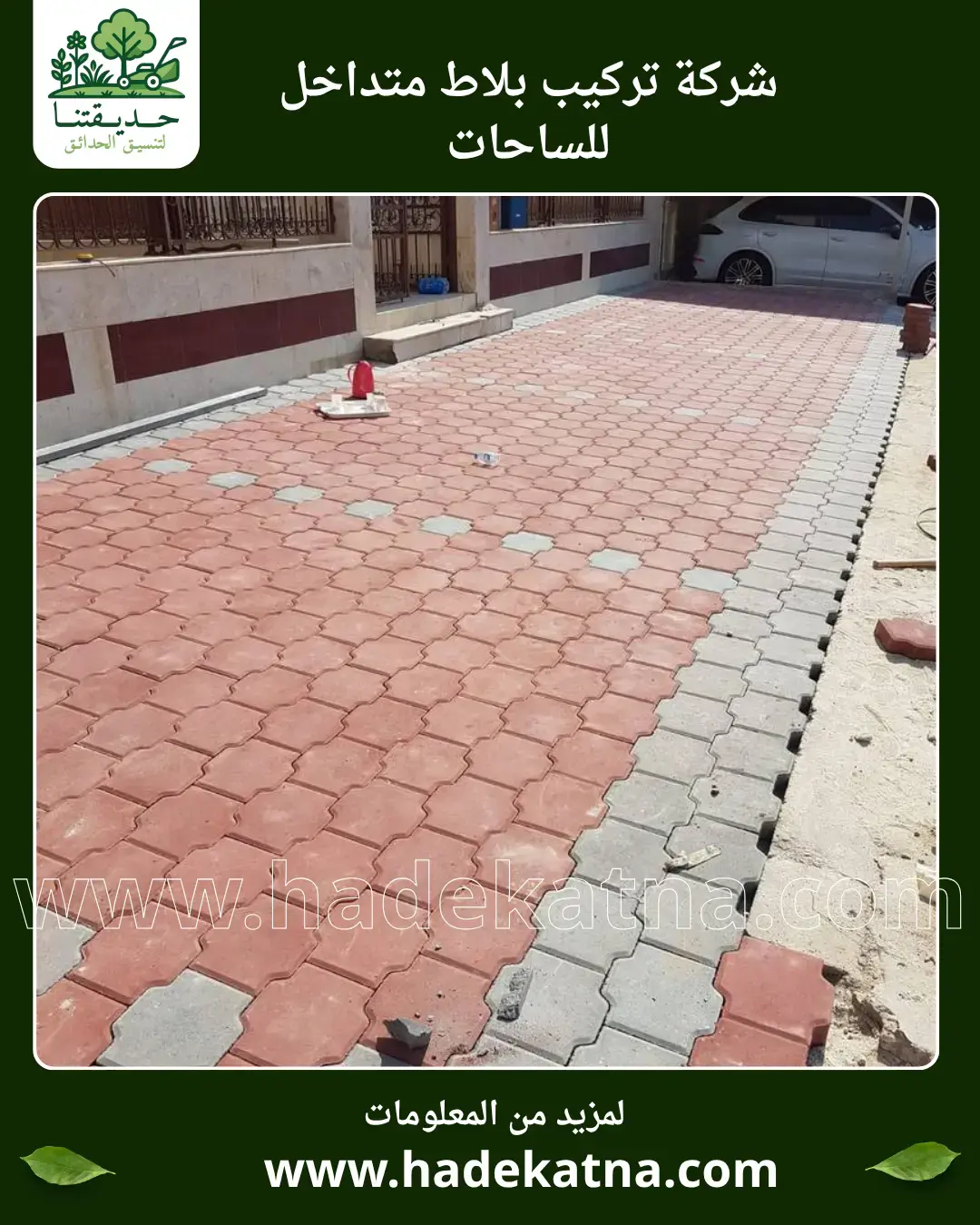
Fixing loose interlock helps restore the flooring appearance and prevents the problem from spreading because unstable pieces may affect surrounding pavers if they are not repaired.
Loose interlock usually appears in areas exposed to frequent use or sections where the base layers have become weak.
When moving pieces or visible gaps are noticed, the cause should be inspected before beginning the repair process.
Through practical experience in outdoor flooring work, treating loose pieces requires reorganizing the affected area rather than simply moving the pavers and placing them back.
The affected pieces are removed, the area is cleaned, and the condition of the surface beneath them is reviewed.
After preparing the location, the pieces are reinstalled while ensuring they are stable and level with the surrounding flooring.
The joints between the pieces should also be checked because they help distribute pressure and maintain the connection between interlock units.
In some cases, loose movement occurs because the edges of the flooring are not properly supported, requiring additional attention to the borders.
Early repair reduces the size of the problem and prevents the need for larger restoration work.
Therefore, fixing loose interlock requires an organized repair process that restores stability and maintains the overall appearance of the flooring.
Important points about fixing loose interlock:
-
Early treatment prevents loose areas from expanding.
-
Identifying the cause helps select the correct repair method.
-
Proper edge and joint support improves flooring stability.
Leveling Old Interlock Flooring and Improving the Condition of Outdoor Surfaces
Leveling old interlock flooring is an important solution when differences in surface levels appear or when some areas become uneven due to long-term use or changes in the layers beneath the pavers.
Over the years, interlock flooring may be affected by several factors such as soil movement, repeated pressure on certain areas, or water impact, which can create raised or lowered sections compared with the rest of the surface.
The issue is not always related to the interlock pieces themselves. In many cases, the main cause is found in the layers beneath the flooring, which means proper leveling requires evaluating the entire area.
Through practical experience in interlock flooring projects in Kuwait, dealing with old surfaces requires careful inspection before deciding on the repair method. Some cases can be improved by adjusting specific sections, while others may require rebuilding larger parts of the base layers.
The first step is identifying uneven areas and understanding why the level has changed. Then, the affected pieces are removed in an organized way to preserve them if they are still in good condition.
After that, the base layer is adjusted and any issues related to soil settlement or empty spaces are treated before reinstalling the pavers.
The repaired section should match the surrounding flooring to avoid visible differences in height or appearance.
In some older flooring systems, it may be necessary to rearrange larger sections of the pavers to achieve a more consistent level.
The suitable leveling method depends on the age of the flooring, its current condition, and how the area is used. Frequently used locations require more accurate treatment to maintain stability.
Therefore, leveling old interlock flooring is not only about improving appearance but also about restoring flooring stability and making outdoor areas more functional.
Important points about leveling old interlock flooring:
-
Evaluating the flooring condition determines the correct leveling method.
-
Treating the lower layers helps prevent repeated settlement.
-
Proper reinstallation maintains the overall appearance.
Interlock Flooring Maintenance in Kuwait and Preserving Stability and Appearance
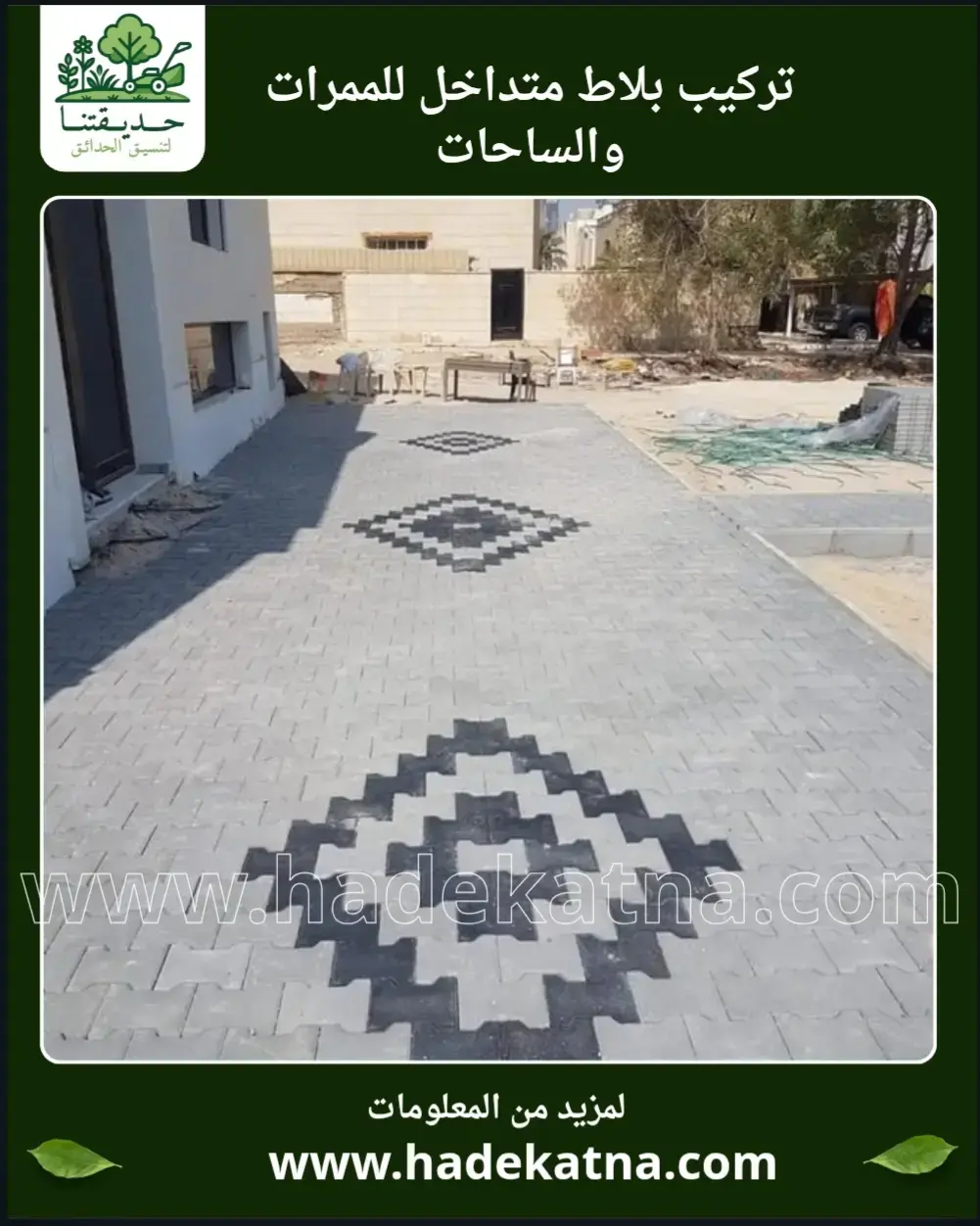
Interlock flooring maintenance in Kuwait is an important step for preserving the quality of outdoor pathways, courtyards, and garden areas because interlock, despite being durable, requires regular attention to maintain its stability and appearance over time.
Outdoor flooring in Kuwait is exposed to different conditions such as dust, high temperatures, and continuous use. These factors may affect joints, surface cleanliness, and the stability of some pieces if maintenance is neglected.
Regular maintenance helps identify small issues before they develop into larger problems that require extensive repairs.
Through practical experience in outdoor flooring projects, regular inspection helps determine the condition of the pavers, joints, and overall surface level.
Maintenance tasks include checking for moving or sunken pieces, cleaning joints, and removing accumulated dust that may affect the connection between pavers.
Water drainage around the flooring should also be monitored because long-term water accumulation may affect the layers beneath the interlock.
Proper cleaning methods help maintain the appearance of the pavers and reduce the buildup of dirt that affects the outdoor look.
Areas with heavy usage, such as building entrances and public walkways, require more frequent inspection because they experience greater pressure.
Treating problems as soon as they appear reduces repair requirements and helps preserve the flooring lifespan.
Therefore, interlock flooring maintenance in Kuwait is an essential part of protecting outdoor spaces and keeping them safe, attractive, and suitable for daily use.
Important points about interlock flooring maintenance in Kuwait:
-
Regular inspection helps detect problems early.
-
Cleaning joints and monitoring pieces preserve flooring stability.
-
Continuous maintenance reduces the need for major repairs.
Solving Interlock Movement Problems and Steps to Prevent Recurrence
Solving interlock movement problems requires understanding the real reason behind the movement before starting any treatment because simply rearranging the pavers may not be enough if the issue exists in the layers beneath the flooring.
The correct approach begins by inspecting the affected area and determining whether the movement is limited to specific pieces or affects a larger section. After that, the appropriate repair method can be selected.
In many cases, the solution involves removing affected pieces and preparing the area beneath them again, while some situations require wider treatment due to settlement or weak base layers.
Through practical experience in interlock installation and maintenance in Kuwait, proper initial installation quality is one of the most important factors in reducing future movement problems.
Choosing suitable materials and preparing the ground correctly before installation improves long-term stability.
After repair, the flooring should be checked to ensure proper leveling, complete joints, and the absence of gaps that may affect stability.
The repaired areas should also be monitored after some time to confirm that the treatment was successful and no new movement has appeared.
Paying attention to drainage and reducing factors that affect the lower layers helps maintain the repair results.
Therefore, solving interlock movement problems depends on combining accurate diagnosis, proper repair methods, and follow-up after treatment.
Important points about solving interlock movement problems:
-
Identifying the reason behind movement is the first repair step.
-
Treating the lower layers prevents repeated problems.
-
Follow-up after repair helps maintain flooring quality.
Conclusion
Interlock paver movement and shaking are common issues that may appear after installation, but they can usually be identified and treated when approached correctly.
Whether the problem involves interlock paver shaking, settlement, or gaps beneath the pavers, the best solution begins with understanding the actual cause rather than simply rearranging the pieces.
Proper installation, strong base preparation, and regular maintenance all help preserve outdoor flooring stability for a longer period.
In Kuwait, interlock flooring requires suitable follow-up due to weather conditions and continuous usage. Early inspection helps reduce the size of problems and lowers repair requirements.
By choosing the correct treatment method and maintaining the flooring regularly, outdoor surfaces can remain attractive, stable, and suitable for gardens, courtyards, and different walkway areas.
Frequently Asked Questions
Why do interlock pavers shake after installation?
The main causes are usually problems beneath the pavers, such as empty spaces, weak base preparation, or changes in the ground level.
What are the main causes of interlock paver movement?
Common causes include poor compaction of base layers, water accumulation, and insufficient edge support.
Can sunken interlock be repaired without replacing the entire flooring?
It depends on the size of the problem. Some cases can be repaired by treating only the affected area after checking the layers beneath.
How is sunken interlock repaired?
The affected area is removed, the lower layers are corrected and leveled, then the pavers are reinstalled properly.
Why do gaps appear beneath interlock pavers?
They may occur due to weak base preparation, soil settlement, or changes caused by water exposure.
Does reinstalling interlock pavers prevent future movement?
It can prevent movement when the original cause is treated and the area is properly prepared.
How can interlock flooring last longer?
Through regular maintenance, joint inspection, proper cleaning, and early repair of any movement issues.
Does rainwater affect interlock stability?
It may affect stability if drainage problems exist or if the layers beneath the pavers are weak.
When do interlock floors need maintenance?
When pieces start moving, levels change, gaps appear, or the overall appearance begins to deteriorate.
Can old interlock flooring be leveled?
Yes. Old interlock can be leveled by treating uneven areas, adjusting the base layers, and reinstalling the pavers correctly.


