

Installing a Turkish Fence in Kuwait: Privacy and Elegance Combined
In modern home design, especially in a luxurious and open architectural environment like Kuwait, combining privacy and aesthetics has become essential. This is where the importance of installing a Turkish fence emerges as a comprehensive solution that satisfies both aspects.
A Turkish fence is not just a barrier between spaces; it is a decorative element that adds elegance and charm to the area while ensuring security and privacy. Whether you're looking for a design to suit your home garden or need a modern exterior fence, Turkish Fence Kuwait offers a variety of options that cater to all tastes and fit different environments. In this article, we’ll explore the most frequently asked questions about this type of fencing.
Why Is Installing a Turkish Fence in Kuwait an Ideal Choice for Modern Homes?
Choosing a Turkish fence in Kuwait is no longer just a trend—it's a practical and logical direction for modern homeowners and villa owners. With the many options available in the market, Turkish fences maintain their appeal due to their balance of durability and attractive design. Here are the top reasons why installing one is the perfect choice:
-
Provides high privacy without compromising façade aesthetics
-
Available in various designs to match different architectural and décor styles
-
Made from strong materials that withstand Kuwait's harsh heat
-
Easily integrated with other decorative elements like lighting and plants
-
Adds a sense of luxury without high costs
-
Among the most in-demand fences in the Kuwaiti market
-
Suitable for gardens, home facades, and luxurious villas
-
Requires minimal maintenance if professionally installed
-
Quick installation compared to other types of fences
-
Increases property value and shows attention to design detail
Installing a Turkish fence is more than just an architectural addition; it's a long-term investment in your home's appearance and comfort.
Does an Exterior Turkish Fence Provide Security Without Affecting Aesthetics?
When considering the installation of an exterior Turkish fence, a common question arises:
“Will it provide enough security without making my house look closed off or harsh?”
The answer is simple: Yes. A Turkish fence is one of the best solutions that balances protection with aesthetics, setting it apart from many traditional fence types. Here's why:
-
Provides sufficient height to prevent intrusion without appearing excessive
-
Semi-open designs allow light and natural airflow
-
Features artistic details that add a decorative touch to the exterior
-
Made from wrought iron or coated aluminum, enhancing strength and stability
-
Can be painted to match the façade for seamless integration
-
Doesn’t block the view completely, making the space appear larger
-
Corrosion and rust resistant, ensuring long-term safety
-
Requires no additional reinforcements for necessary security
-
Easily integrates with surveillance cameras or security systems
-
Suitable for residential homes, villas, and commercial buildings
The result? A secure and elegant fence that makes your home look upscale from the outside and protected from the inside, without compromising on beauty or comfort.
How to Design a Turkish Garden Fence That Harmonizes With Green Spaces

When designing a home garden, choosing a Turkish garden fence can be the difference between an ordinary space and a stunning retreat that blends privacy and beauty. Harmonizing the fence with greenery is not just about color or material but about smart integration with nature. Here's what makes the ideal design:
-
Use earthy tones that match plants and soil
-
Choose simple designs that allow plants to climb or spread
-
Leave open spaces within the fence for natural light
-
Use materials like wood or iron with natural finishes
-
Add lighting bases or planting pots within the design
-
Position the fence to block unpleasant views and enhance beauty
-
Opt for curved corners rather than sharp edges for smoother integration with nature
-
Include small windows for visual ventilation and a sense of openness
-
Provide areas for hanging garden tools or décor
-
Coordinate with other features like artificial grass or wooden flooring
A well-chosen fence not only makes the space safer but also more comfortable, giving the garden a unique identity that reflects the homeowner's taste.
What Are the Advantages of Wrought Iron Turkish Fencing Compared to Other Types?
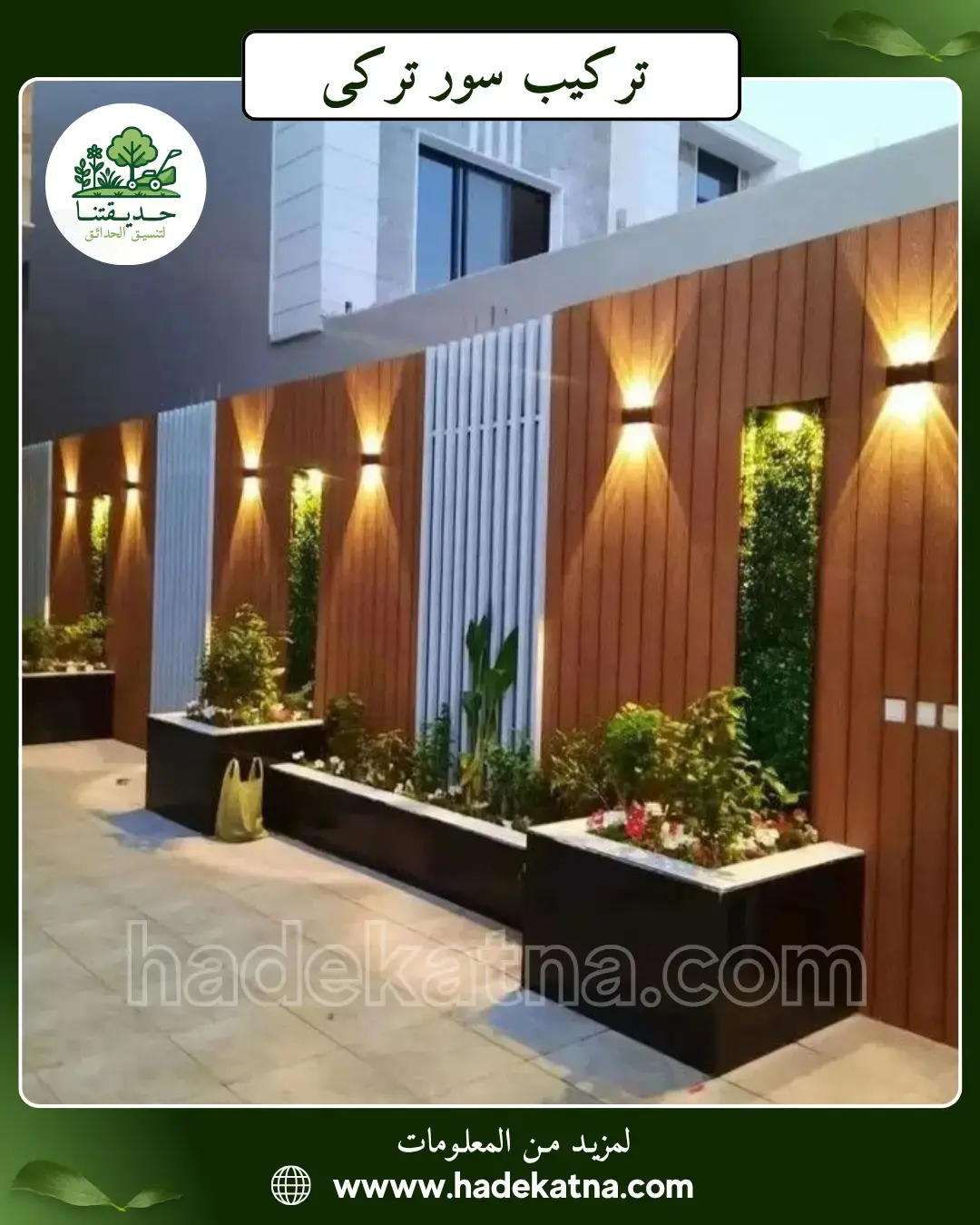
If you're looking for both strength and luxury, a wrought iron Turkish fence is the perfect choice. It not only looks elegant but is among the most durable options—especially in Kuwait’s harsh climate. Key features include:
-
High mechanical strength, resistant to bending or breaking
-
Offers a luxurious look with handcrafted metal decorations
-
Excellent corrosion resistance when coated with quality protective layers
-
Easily customizable in shape, height, and patterns
-
Ideal for classic or European-style homes and villas
-
Not easily affected by weather factors like wind or intense sun
-
Can be combined with glass or wood for a unique look
-
Requires little maintenance if properly painted and treated
-
Provides high security due to strong structure and complex design
-
Instantly gives an impression of elegance, increasing property value
Wrought iron Turkish fences serve both a security purpose and stand as a piece of art that reflects refined taste and enhances your home’s exterior.
How Is a Coated Aluminum Fence Installed for Stability and Beauty?
If you're seeking a blend of modern style and durability, a coated aluminum fence is the ideal solution—especially in a climate like Kuwait’s. To achieve the best results, proper steps must be followed to ensure both stability and elegance:
-
Begin by marking the installation area and measuring accurately
-
Prepare a concrete or metal base to fix the posts firmly
-
Use rust-resistant screws with rubber seals to fix the panels
-
Install at a suitable height to ensure privacy without excess
-
Maintain balanced spacing between posts for visual harmony
-
Apply UV-resistant coating to prevent color fading
-
Optionally integrate hidden lighting or decorative lines
-
Test fence stability post-installation for wind resistance
-
Clean immediately after installation to remove welding or paint residues
-
Provide the client with maintenance instructions for longevity
The final outcome is a stylish, weather-resistant fence aligned with modern exterior design trends—enhancing your property value with minimal maintenance.
Is a Turkish Wooden Garden Fence Suitable for Kuwait’s Hot Climate?
Although wood is known for its sensitivity to humidity and heat, a Turkish wooden garden fence has proven effective in hot climates—especially when properly selected and treated. In Kuwait, where summer temperatures exceed 40°C, Turkish wood remains one of the most appealing and suitable options for gardens. Here's why:
-
Uses heat-treated wood that withstands high temperatures
-
Coated with UV-protective layers
-
Installed on slightly elevated bases to reduce ground moisture exposure
-
Designed with ventilation gaps to prevent heat buildup
-
Reflects natural colors that evoke coolness and tranquility
-
Can be painted in light colors to reduce heat absorption
-
Doesn’t heat up like metal, making it more comfortable in open areas
-
Adds a warm and cozy touch to green spaces
-
Available in modern styles that match local architecture
-
Gives the garden a natural look and harmonious visual appeal
So, a Turkish wooden fence is not just an aesthetic option—it can be a practical one for hot climates when chosen carefully and installed correctly with regular maintenance.
What Is the Best Turkish Fence in Kuwait in Terms of Durability and Price?
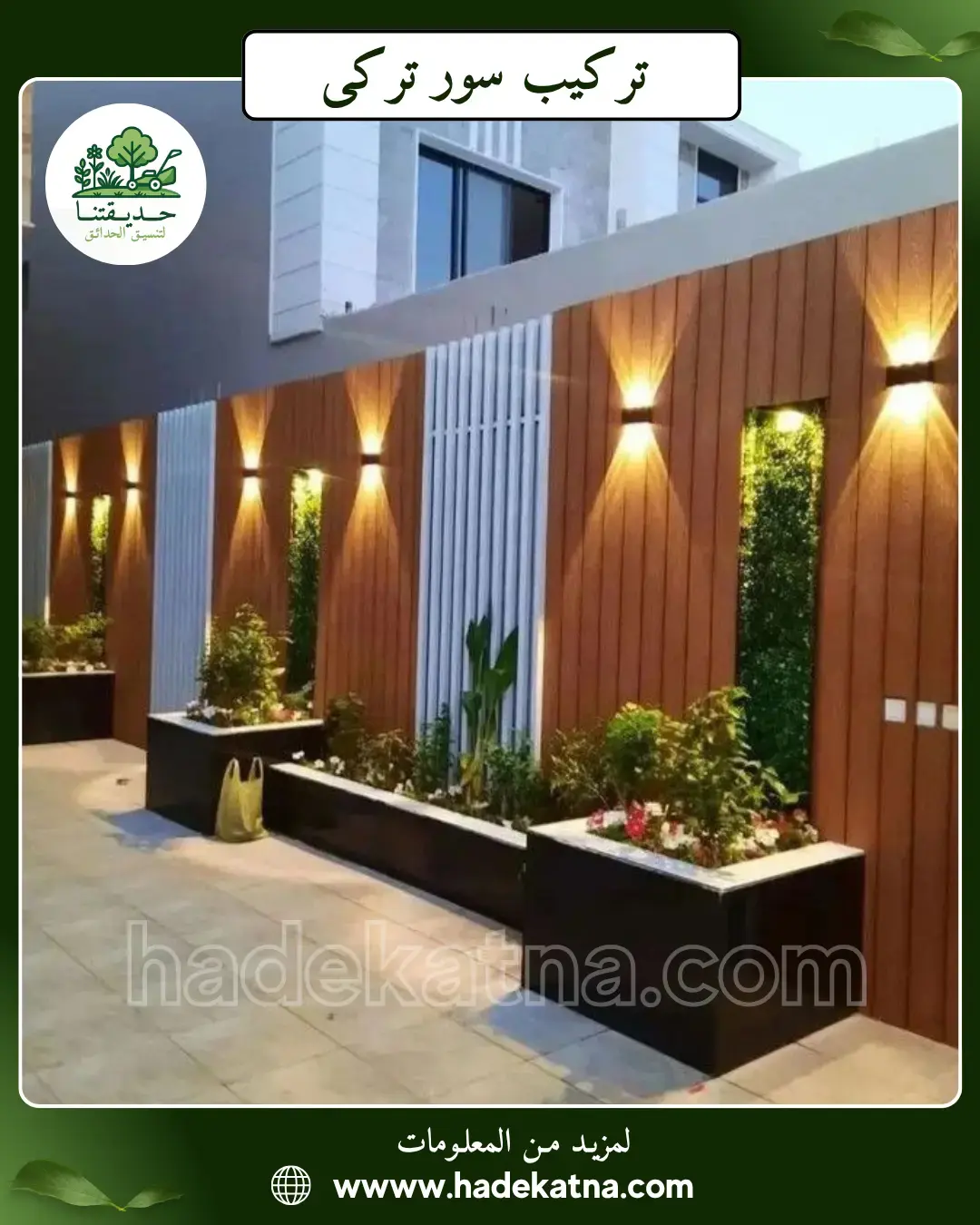
Choosing the best Turkish fence in Kuwait requires balancing quality and cost. Not all Turkish fences are created equal—materials and designs vary, and Kuwait’s climate demands highly durable materials. Here's what helps you choose the best option:
-
Wrought iron is ideal for exposed areas due to its strength
-
Coated aluminum is great for rust resistance and easy maintenance
-
Treated Turkish wood is suitable for gardens if heat-treated properly
-
Prices vary based on thickness, height, and type of coating used
-
Handcrafted decorative types are pricier but more elegant
-
Fences with glass or stone add luxury but increase the cost
-
Simple designs help reduce cost without sacrificing beauty
-
Local manufacturers may offer Turkish-style alternatives at lower prices
-
Compare offers from multiple suppliers before deciding
-
The best fence is one that lasts for years with minimal maintenance
Bottom line: There’s no single “best” fence—choose what fits your needs, budget, and installation location.
How Much Does It Cost to Install a Turkish Fence? Does It Vary by Material?
When planning to install a Turkish fence, the first question that usually comes to mind is:
"How much will this project cost?"
The truth is, Turkish fence installation prices vary greatly depending on several factors:
-
Material type: Wrought iron is the most expensive, followed by aluminum, then treated wood
-
Length and height: Larger dimensions mean higher cost
-
Design complexity: Handcrafted decorations cost more than standard designs
-
Installation method: Complex setups require more time and equipment
-
Site conditions: Uneven or rough terrain increases labor and cost
-
Labor rates: Vary by region and technician expertise
-
Extras: Lights, glass panels, or gates increase the final price
-
Coating type: Higher quality coatings come at a higher price
-
Urgency: Rush orders often come with extra fees
-
After-sales services: Some companies charge more for warranties or maintenance
Generally, Turkish fence installation costs in Kuwait range from 15 to 45 KWD per meter, and may increase with custom specifications. Always request a detailed quote before starting.
When Do You Need a Professional Turkish Fence Installer?
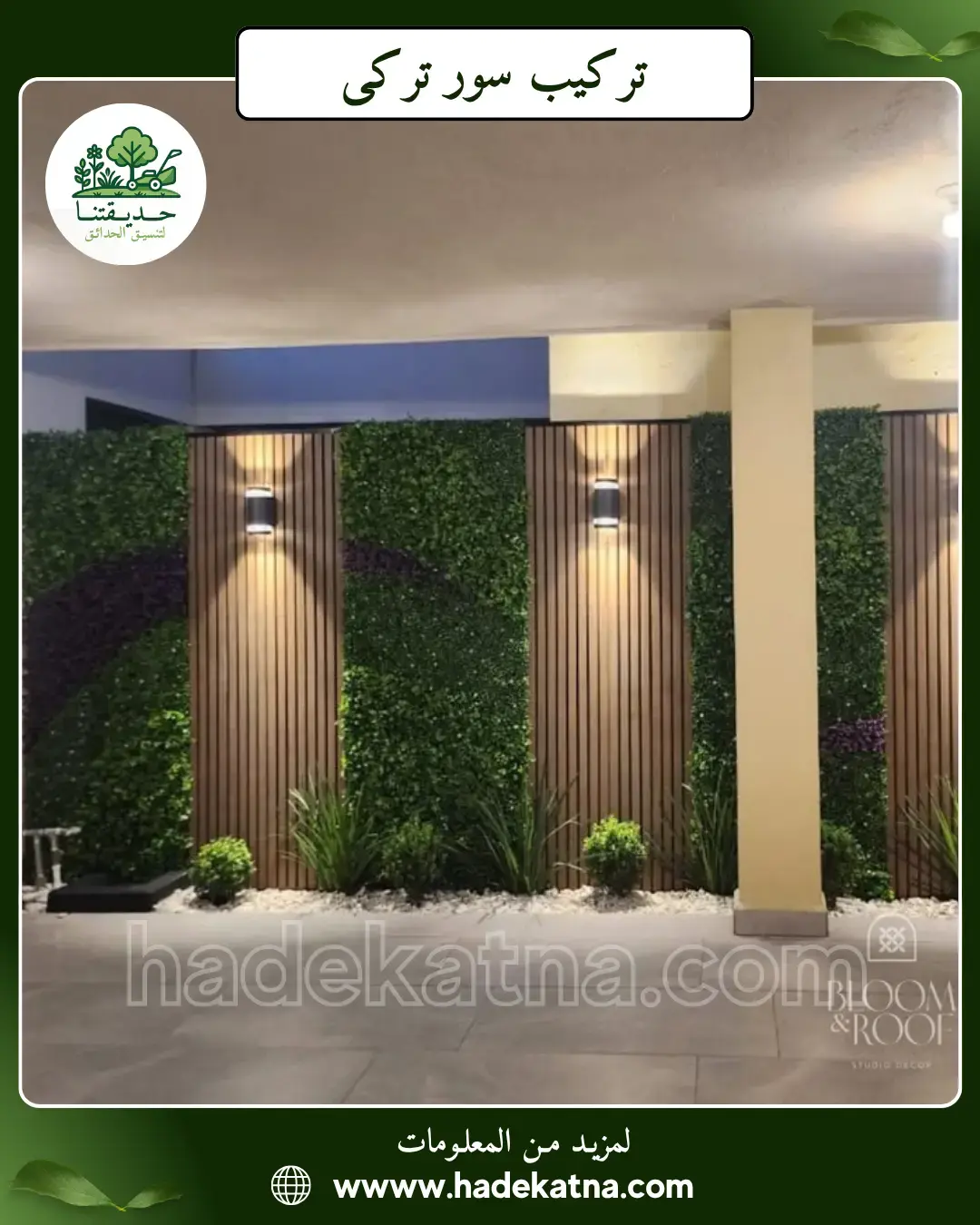
Although some fence types are DIY-friendly, hiring a professional Turkish fence installer is essential to ensure quality, stability, and precision. A minor installation mistake can lead to future issues such as leaning, damage, or an unsightly appearance. Here are scenarios where a professional is necessary:
-
Installing a long fence that requires precise anchoring
-
Uneven or sloped ground that complicates leveling
-
Heavy materials or those needing specialized tools
-
Decorative or complex fence designs
-
Integrating lighting or smart systems
-
Ensuring compliance with municipal codes or regulations
-
Fast-track projects with minimal error tolerance
-
Avoiding damage to infrastructure or underground pipes
-
Getting warranty from the supplier or contractor
A professional doesn’t just save effort—he ensures a high-quality, long-lasting result, making the investment safer and more sustainable.
How Does a Turkish Fence Help Create a Private, Complete Garden?
The dream of a peaceful, private home garden isn't complete without a fence that defines the space, offers protection, and creates a sense of security. Here’s how a Turkish fence helps achieve both privacy and functionality:
-
Blocks outside view, creating a quiet, isolated area
-
Lets you enjoy the outdoors without worrying about neighbors or passersby
-
Can be designed to the height you need without sacrificing beauty
-
Partially reduces outside noise, enhancing garden relaxation
-
Serves as a decorative backdrop for plants or seating areas
-
Helps divide the garden into zones (e.g., seating, play, water feature)
-
Can be color-coordinated with surrounding greenery
-
Supports night lighting or irrigation system installation
-
Provides a secure, enclosed space for children to play
-
Can be adapted to modern or traditional designs based on taste
A Turkish fence is not just a barrier—it’s an essential design element that gives you comfort, privacy, and aesthetic harmony in your personal garden.
Turkish Decorative Fence: 3 Creative Uses in Modern Design
A Turkish decorative fence does more than offer protection or define boundaries—it has become a distinctive architectural element reflecting personal taste and enhancing the aesthetic identity of your home or garden. Here are three innovative ways to use it in modern design:
1. Integrated Décor Element in the Home Façade
Used as an extension of the front design, the decorative Turkish fence is mounted along the exterior wall in artistic shapes, often combined with stone or lighting to highlight features.
2. Garden Backdrop for Outdoor Seating
Installed behind couches or BBQ areas, it creates a focal point and defines the space. It can also support climbing plants or hanging lanterns for added charm.
3. Visual Divider Between Indoor and Outdoor Spaces
Used within the garden or walkways as a soft divider between areas like kids’ zones and seating areas—offering segmentation without blocking visibility, creating both spaciousness and clarity.
This fence type allows creative freedom, transforming a functional element into a piece of art—without compromising on quality or durability.
Heat Resistance in Kuwait: 5 Features That Make Turkish Fences Ideal
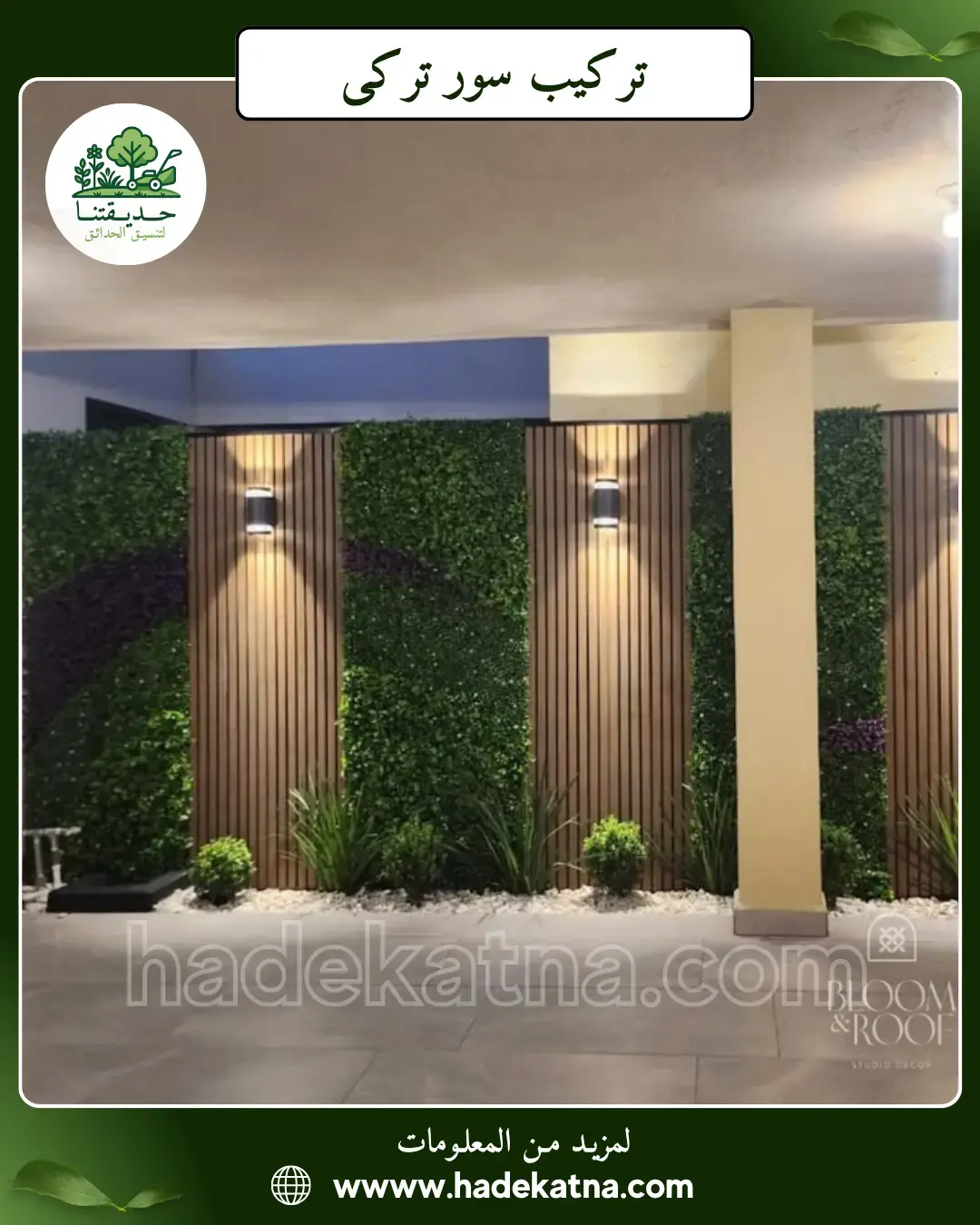
Kuwait’s intense heat is one of the biggest challenges for homeowners when choosing outdoor materials—especially for fencing. However, Turkish fences have proven their resilience in harsh climates. Here are five features that make them stand out:
-
Made from heat-treated materials like coated aluminum or wrought iron to withstand high temperatures without cracking or deteriorating
-
Coated with UV-resistant paint to prevent heat absorption and maintain color and appearance longer
-
Designed with airflow gaps that help reduce trapped heat behind the fence
-
Structurally stable, won’t expand or shrink due to heat—ensuring long-term integrity
-
Minimal maintenance needs, unlike poor-quality fences that require frequent repainting or repairs
If you’re looking for a fence that withstands Kuwait’s extreme temperatures while preserving elegance, the Turkish fence is unmatched.
Neutral Garden Fence: The Perfect Way to Divide Without Visual Clutter
In many cases, garden owners don’t want to completely isolate or block views between different areas of the yard. That’s where a neutral garden fence becomes a smart solution for organizing space without creating visual disruption or a feeling of tightness.
Neutral fences are typically not too tall, made from simple materials in earthy or muted colors that blend into the environment. These are perfect for separating seating areas from walkways, or for defining kids’ play areas, or highlighting garden features like fountains or BBQ zones.
They add a sense of organization and elegance without overwhelming the scene, and can be paired with low decorative plants or subtle lighting for enhanced harmony.
Whether your garden is large or small, a neutral fence brings order and balance—ideal for those seeking simplicity and smart functionality.
Quick Turkish Fence Installation: Simple Steps for Fast Results Without Compromising Quality
Many homeowners want a quick Turkish fence installation without getting bogged down in delays or losing quality. The key lies in careful planning and choosing the right materials.
Start with precise planning—measure the area, mark the post locations, and space them evenly. Then prepare the base (concrete or solid ground) to secure the posts. Pre-fabricated aluminum panels or coated parts are preferred for fast installations.
Having a skilled technician with the right tools speeds up the process, especially when dealing with varied terrain. After installation, the fence must be checked for alignment and wind resistance, followed by quick and professional finishing touches.
With this approach, you can complete the project quickly and beautifully, making Turkish fencing a smart choice for those who want excellent results without a long wait.
Turkish Fence Maintenance: How to Keep It Elegant and Durable for Years
Investing in a Turkish fence only pays off with regular maintenance to preserve its appearance and strength over the years. While Turkish fences are known for durability, neglect can cause fading or damage—especially in Kuwait’s tough environment.
Start with regular cleaning—wash with water and mild soap every month or two to remove dust. For stubborn stains or salt buildup, use a soft brush and appropriate cleaner without damaging the coating.
For aluminum fences, check the paint layer every few years and recoat if necessary. For iron fences, inspect for rust or corrosion and treat it immediately. Wooden fences require special care—apply protective oil or varnish annually.
Also, check post stability after strong winds or rain. With simple, regular attention, your fence will remain beautiful and strong—saving you major repair costs in the long run.
Frequently Asked Questions About Turkish Fence Installation in Kuwait:
-
Can Turkish fences withstand Kuwait’s extreme heat?
Yes, most Turkish fences are made from heat-resistant materials like wrought iron or coated aluminum, and treated with insulating paint layers to preserve color and strength—making them ideal for Kuwait's climate. -
Can I install a Turkish fence without a technician?
Some types are easier to install, but hiring a Turkish fence technician ensures proper quality and stability, especially for large areas or uneven terrain. -
What’s the best Turkish fence type for gardens?
Treated Turkish wood is ideal for gardens for its natural and warm look. Aluminum or decorative iron are also suitable depending on the overall garden style. -
How long does installation take?
It depends on the project size and materials, but typically ranges from 2 to 5 days for medium residential installations. Pre-fabricated panels can reduce the time. -
Does a Turkish fence require regular maintenance?
Yes, but maintenance is simple—just occasional cleaning and checking paint or coatings annually or biannually depending on the material. This keeps the fence looking great and extends its life.
In today’s modern design world, a fence is no longer just a boundary—it should be an extension of your home’s character and style. Installing a Turkish fence in Kuwait is a smart decision that combines security, privacy, and durability, while elevating the visual appeal of your outdoor spaces.
Thanks to the variety of materials like wrought iron, aluminum, and treated wood, you can choose a fence that matches your taste, budget, and practical needs.


