

Effective Solutions for Garden Drought Problems in Kuwait
Kuwait faces major climatic challenges, the most prominent of which are drought and low rainfall, directly affecting both private and public gardens. The hot desert climate leads to higher evaporation rates and reduced water availability for irrigation, putting garden owners in a dilemma of maintaining greenery and plants. However, with advancements in agricultural technologies and the emergence of innovative irrigation and plant care methods, new horizons have opened to overcome this problem.
The importance of finding effective solutions to drought in gardens in Kuwait lies in preserving the beauty of green spaces and their environmental role in improving air quality and reducing temperatures. Sustainability has also become a priority, as everyone seeks to rationalize water consumption through smart technologies and water-saving irrigation systems, along with selecting plants that can tolerate thirst and drought.
The presence of integrated strategies that include both natural and modern solutions ensures that gardens remain vibrant despite harsh conditions. In this article, we will review the best solutions and methods that can help combat the drought problem, through modern irrigation systems, suitable plants, and sustainable design ideas.
Smart Solutions to Address the Drought Problem in Kuwait’s Gardens
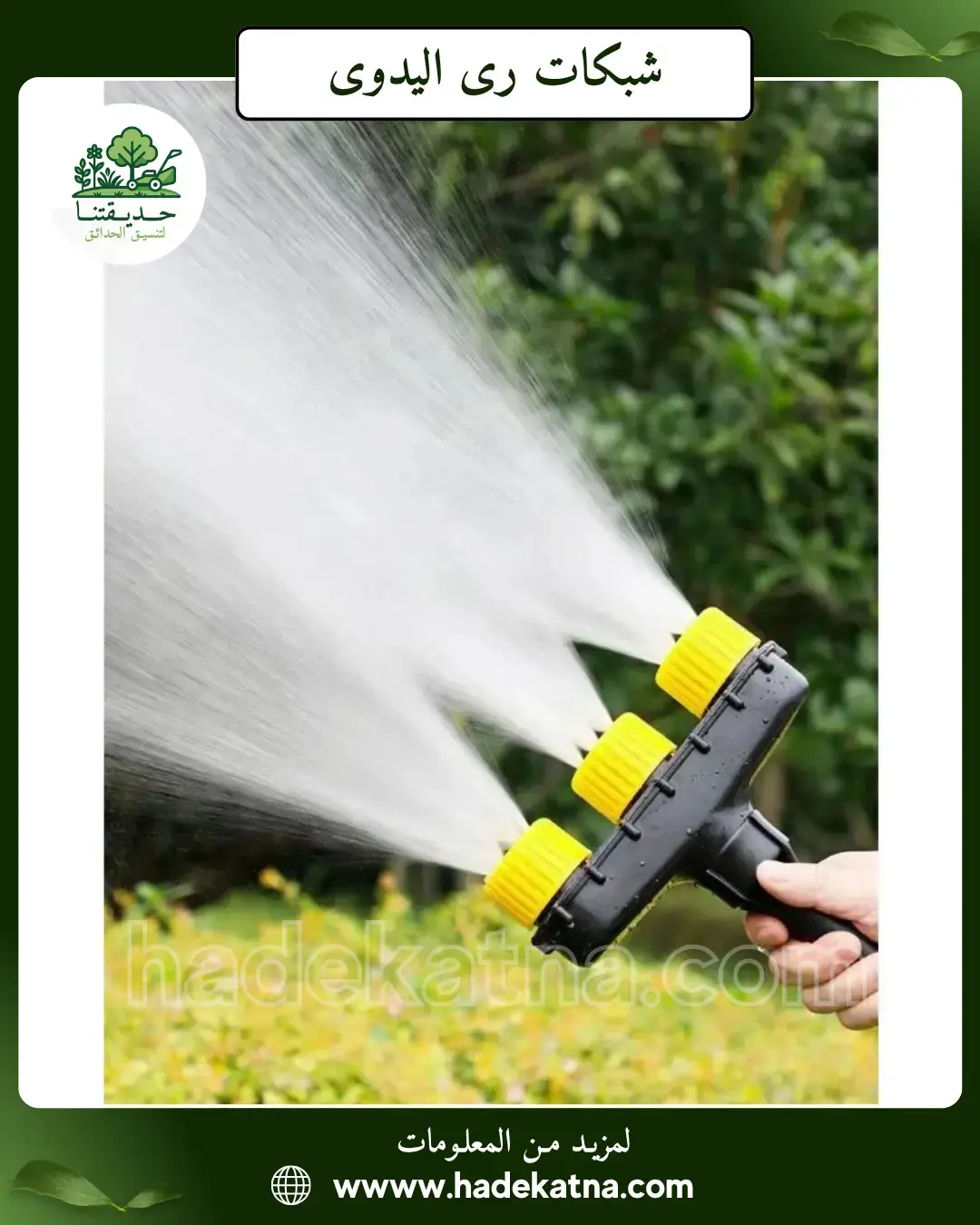
With rising temperatures in Kuwait, seeking smart solutions to tackle drought has become essential. Among the most notable are:
-
Smart irrigation systems: Rely on sensors that control water amounts based on soil moisture and actual plant needs.
-
Reusing greywater: Such as water from washing and bathing, after treatment, to irrigate gardens.
-
Mulching: Using tree bark or organic materials to cover the soil reduces evaporation and maintains moisture.
-
Vertical and container gardening: Helps reduce water consumption and provides better soil control.
-
Remote sensing technologies: To monitor plant and soil conditions and determine the best irrigation times and quantities.
These smart solutions are practical alternatives to maintaining greenery with minimal water and are long-term investments that help combat climate change in Kuwait.
Modern Methods to Reduce the Impact of Drought on Kuwait’s Gardens
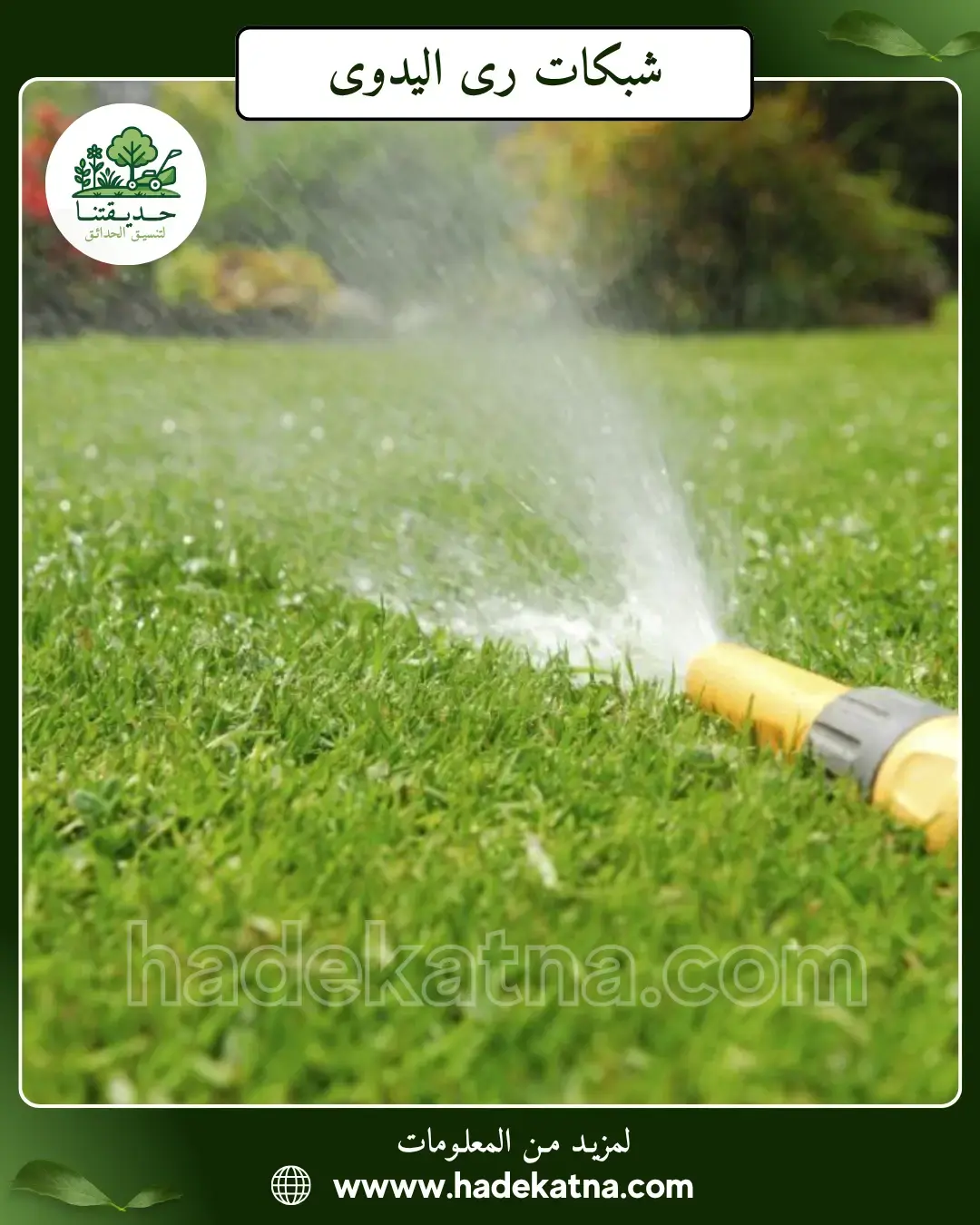
Today, it is possible to benefit from modern technologies to effectively combat the impact of drought in gardens. Key methods include:
-
Advanced drip irrigation systems: Ensure water reaches roots directly without loss through evaporation or runoff.
-
Computerized sprinkler systems: Can be programmed to operate at night or early morning to reduce evaporation.
-
Moisture sensors: Help control water amounts and prevent under- or over-irrigation.
-
Soil polymers: Substances that retain water and release it gradually when plants need it.
-
Plant shading fabrics: Reduce sun intensity and help preserve soil moisture.
These modern methods not only reduce drought impact but also save water and maintain healthy plants, making them ideal for Kuwait’s harsh climate.
Water-Saving Irrigation Systems to Combat Drought in Kuwait
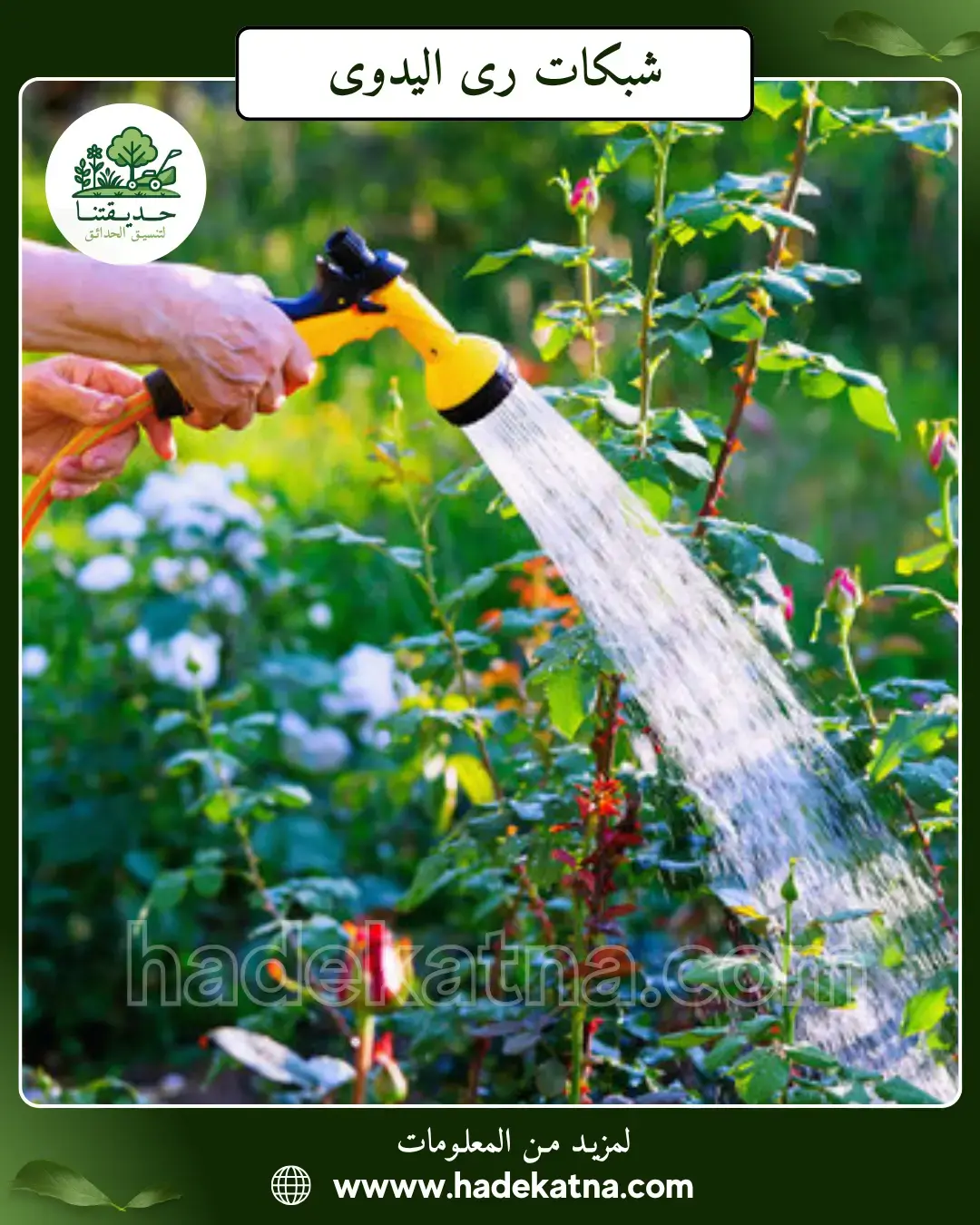
Amid water scarcity and high temperatures, water-efficient irrigation systems have become the best solution to keep gardens green and flourishing. These systems not only save water but also deliver it directly to plant roots. The most important include:
-
Drip irrigation: Among the most effective systems, slowly delivering water directly to the plant’s base.
-
Computerized sprinklers: Operate on set schedules, ideally at dawn or evening to reduce water loss.
-
Smart irrigation with sensors: Monitors soil moisture, providing plants only with the exact amount needed.
-
Subsurface irrigation pipes: Deliver water straight to the roots while significantly reducing evaporation.
Adopting these systems lowers water bills, preserves natural resources, and ensures gardens stay green despite Kuwait’s tough climate.
Best Drought-Tolerant Plants for Gardens in Kuwait

Choosing the right plants is one of the most crucial steps in addressing drought. Several plant species thrive with little water even under harsh conditions, such as:
-
Cactus: Extremely drought-tolerant and adds aesthetic value with diverse shapes.
-
Aloe Vera: Requires minimal watering and offers many health benefits.
-
Lantana: Flowers year-round and resists drought efficiently.
-
Bougainvillea: Very common in Kuwait, tolerates heat and drought, with stunning colorful blooms.
-
Desert Basil: Aromatic plant with high drought resistance.
These plants not only beautify gardens but also reduce irrigation needs, making them perfect for sustainable landscapes in Kuwait.
Sustainable Solutions for Water Shortage in Kuwait’s Gardens
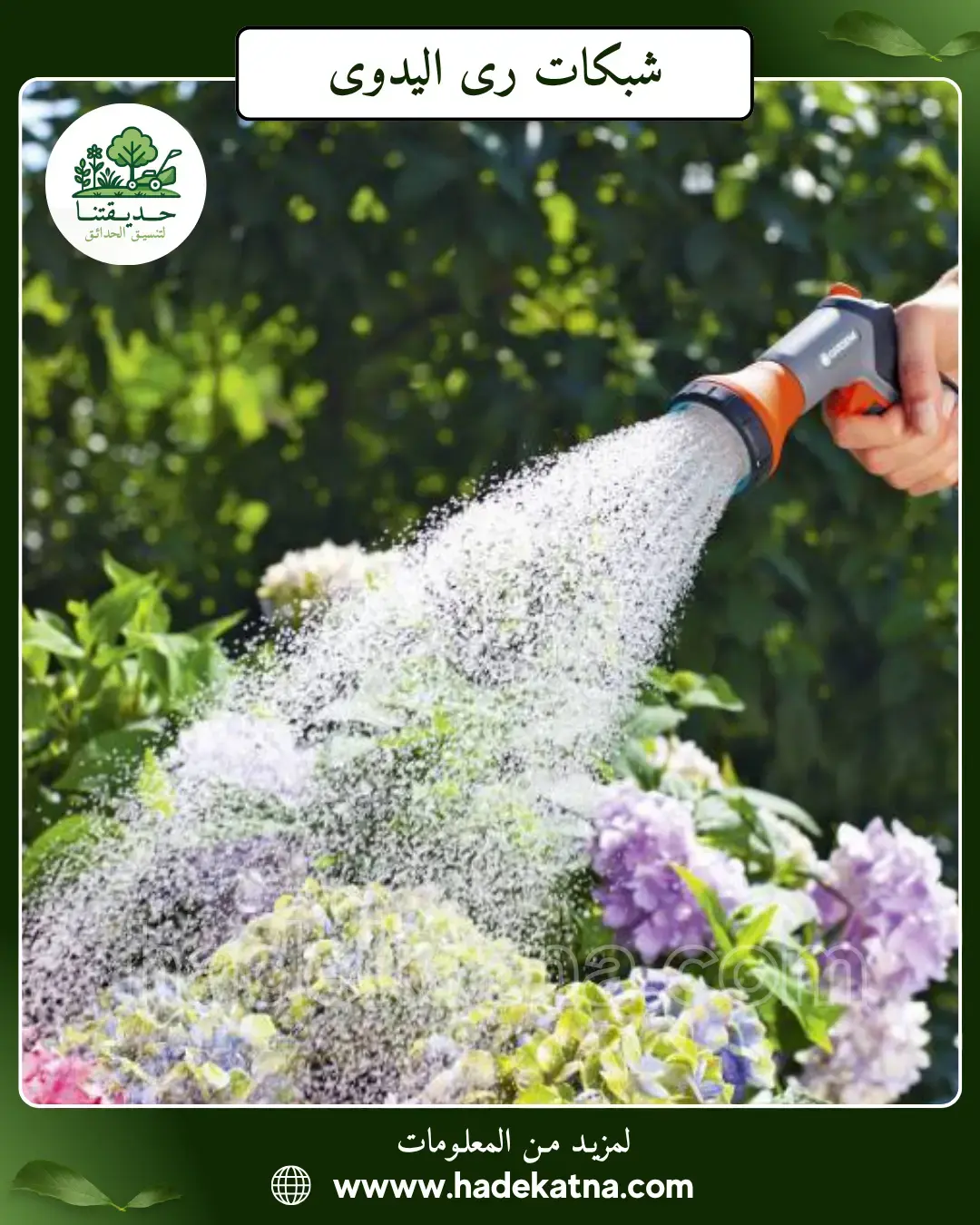
Sustainability is the best approach to tackling drought, balancing beauty and conservation of water resources. Key solutions include:
-
Greywater reuse: Treated greywater can be used for irrigation instead of being wasted.
-
Rainwater harvesting: Though rare, storing rainfall in special tanks can support gardens.
-
Mulching: Helps reduce evaporation and retain soil moisture longer.
-
Using native plants: Better adapted to Kuwait’s hot and dry climate.
-
Solar-powered irrigation systems: Reduce costs and protect the environment.
Such sustainable strategies create eco-friendly gardens that last longer and balance aesthetics with environmental awareness.
How to Keep Gardens Green Despite Drought in Kuwait
Maintaining greenery under Kuwait’s harsh climate requires well-planned strategies combining irrigation technologies, suitable plants, and natural soil care methods. Key steps include:
-
Choosing drought-resistant plants: Such as cactus, bougainvillea, and aloe vera.
-
Smart irrigation: Scheduling watering in early morning or evening to reduce evaporation.
-
Mulching: Using tree bark or gravel to preserve soil moisture.
-
Regular pruning: Helps reduce water demand and promotes healthy growth.
-
Modern irrigation networks: Such as drip or computerized systems that reduce waste.
By following these steps, gardens in Kuwait can remain vibrant and sustainable year-round.
Drip Irrigation Techniques to Combat Drought in Kuwait
Drip irrigation is one of the most effective solutions against drought, delivering water directly to roots slowly and steadily. Key advantages include:
-
Saves up to 50% of water compared to traditional methods.
-
Enhances plant growth by providing balanced hydration.
-
Flexible usage with adjustable timing and volume.
-
Reduces weed growth since water is concentrated at roots.
-
Perfectly suited to Kuwait’s hot, dry climate.
Integrating drip irrigation with smart sensors further boosts efficiency, making it a key step toward environmental sustainability.
Natural Solutions to Combat Soil Drought in Gardens in Kuwait
Soil dryness is a major challenge in Kuwait, but natural methods can improve fertility and retain moisture:
-
Mulching: Using bark, dry leaves, or plant remains reduces evaporation and shields soil from sun.
-
Organic compost: Improves soil structure and water retention.
-
Intercropping: Growing small plants under larger trees provides shade and reduces evaporation.
-
Gravel or coarse sand: Used to cover soil and limit water evaporation.
-
Beneficial microorganisms: Enhanced by organic matter, improving soil’s water absorption.
These eco-friendly solutions improve plant health and reduce the need for frequent irrigation.
Best Garden Care Practices During Drought in Kuwait
Effective garden care during drought requires smart practices that save water while keeping plants healthy:
-
Watering at proper times (dawn/evening).
-
Regular pruning to remove dry branches and reduce water demand.
-
Planting drought-resistant species like bougainvillea or cactus.
-
Aerating soil to improve water absorption.
-
Using smart irrigation like drip systems with sensors.
These practices keep gardens thriving even during harsh drought conditions while reducing costs.
Effective Strategies to Overcome Drought in Kuwait’s Gardens
To cope with Kuwait’s recurring drought, several effective strategies should be adopted:
-
Garden planning: Designing based on irrigation needs with zones for drought-resistant plants.
-
Diversified water sources: Greywater reuse and rainwater harvesting.
-
Awareness programs: Educating garden owners about water-saving practices.
-
Plant shading: Using nets or agricultural fabric to reduce direct sun.
-
Soil enhancement: Adding organic matter or polymers to retain moisture.
These strategies ensure sustainable, green gardens despite climate challenges.
Drought-Resistant Ornamental Plants for Kuwait’s Gardens
Ornamental plants are vital for beauty but must withstand Kuwait’s dry climate. Notable options include:
-
Bougainvillea: Brightly colored, drought-resistant flowering shrub.
-
Lantana: Colorful year-round blooms with drought resistance.
-
Dodonaea: Hardy shrub often used as natural fencing.
-
Rosemary: Aromatic, ornamental, and highly drought-tolerant.
-
Aloe Vera: Both ornamental and medicinal, highly resilient.
These plants beautify gardens while reducing water demand, also attracting birds and butterflies.
Water-Saving Solutions for Home Gardens in Kuwait
Water-saving is essential in Kuwait’s home gardens. Practical solutions include:
-
Drip irrigation: Direct water delivery to roots.
-
Irrigation scheduling: At dawn or dusk to reduce evaporation.
-
Greywater reuse: After treatment, used for irrigation.
-
Mulching: Tree bark, gravel, or organic cover reduce soil dryness.
-
Local plants: Require less frequent watering.
These solutions reduce monthly bills and support sustainability.
How to Design Drought-Resistant Gardens in Kuwait
Smart design ensures gardens withstand drought. Core principles include:
-
Choosing drought-tolerant plants like cactus, bougainvillea, and lantana.
-
Dividing gardens into zones based on water needs.
-
Using soil covers like gravel or mulch.
-
Strategically placing large trees for shading.
-
Integrating modern irrigation systems such as subsurface or smart irrigation.
Such designs ensure resilience and sustainability while enhancing aesthetics.
Innovative Ways to Reduce Water Consumption in Kuwait’s Gardens
With scarce water resources, innovative methods are vital:
-
Smart irrigation with sensors: Cuts water use by up to 40%.
-
Greywater recycling: Treated household water reused for irrigation.
-
Soil water-retaining polymers: Store and release water gradually.
-
Mulching with organic/inorganic materials: Reduces evaporation.
-
Xeriscaping design: Landscaping focused on drought-tolerant plants.
These innovations cut costs and align with sustainability trends.
Effective Solutions for Irrigating Gardens with Minimal Water in Kuwait
Efficient irrigation is critical in Kuwait’s climate. Solutions include:
-
Subsurface drip irrigation: Maximizes efficiency by watering directly at root zones.
-
Accurate irrigation scheduling: At dawn/night to minimize evaporation.
-
Garden zoning: Different irrigation for high/low water-demand plants.
-
Companion planting: Groundcover plants to retain soil moisture.
-
Using AC condensation water: Practical and cost-saving irrigation source.
These methods preserve green spaces with minimal water use while being eco-friendly.
FAQs
1. What are the most suitable water-saving irrigation systems for Kuwait’s gardens?
The most suitable include drip irrigation, subsurface irrigation, and smart irrigation with soil sensors. These prevent overwatering, reduce evaporation, and save money.
2. What are the best drought-resistant plants for Kuwait’s gardens?
Cactus, aloe vera, bougainvillea, lantana, and desert basil are highly drought-tolerant and decorative.
3. How can homeowners reduce water use in gardens?
By watering at proper times, mulching soil, reusing greywater, planting native drought-resistant plants, and using smart irrigation.
4. Can gardens remain green in Kuwait despite drought?
Yes, by selecting resilient plants, applying drip irrigation, mulching, pruning, and designing gardens with water-zoned layouts.
5. What are the best sustainable solutions to combat drought?
Greywater reuse, rainwater harvesting, solar-powered irrigation, mulching, and xeriscaping design with local plants.
Conclusion
The drought challenge in Kuwait’s gardens remains one of the toughest environmental issues for homeowners and plant lovers. Yet, modern and sustainable solutions have turned these challenges into real opportunities. By adopting water-saving irrigation systems like drip irrigation and smart technologies, along with natural methods like mulching and selecting drought-tolerant plants, green spaces can thrive with minimal water.
Ultimately, combating drought in Kuwait’s gardens requires awareness and cooperation between individuals and the community. By embracing innovative and practical solutions, gardens can continue to flourish despite scarce resources. Investing in these methods ensures a greener, healthier future for generations to come.


