

Wood Alternative or Interlock for Garden Flooring in Kuwait
Choosing the right garden flooring is one of the important decisions when designing outdoor spaces in Kuwait because the flooring affects the overall appearance of the garden, ease of use, maintenance requirements, and resistance to different weather conditions.
Many homeowners become confused when choosing between wood alternative or interlock because each option provides different advantages suitable for specific types of gardens.
The wood alternative provides a modern appearance close to natural wood and adds a luxurious touch to outdoor seating areas, while interlock flooring offers strength, durability, and practical performance.
However, the right choice does not depend only on appearance. It is related to several factors including the location of the flooring, usage method, available budget, and Kuwait’s climate conditions.
Therefore, comparing both options helps homeowners choose the most suitable flooring solution for their garden and outdoor requirements.
Wood Alternative or Interlock and the Factors Determining the Right Garden Flooring Choice
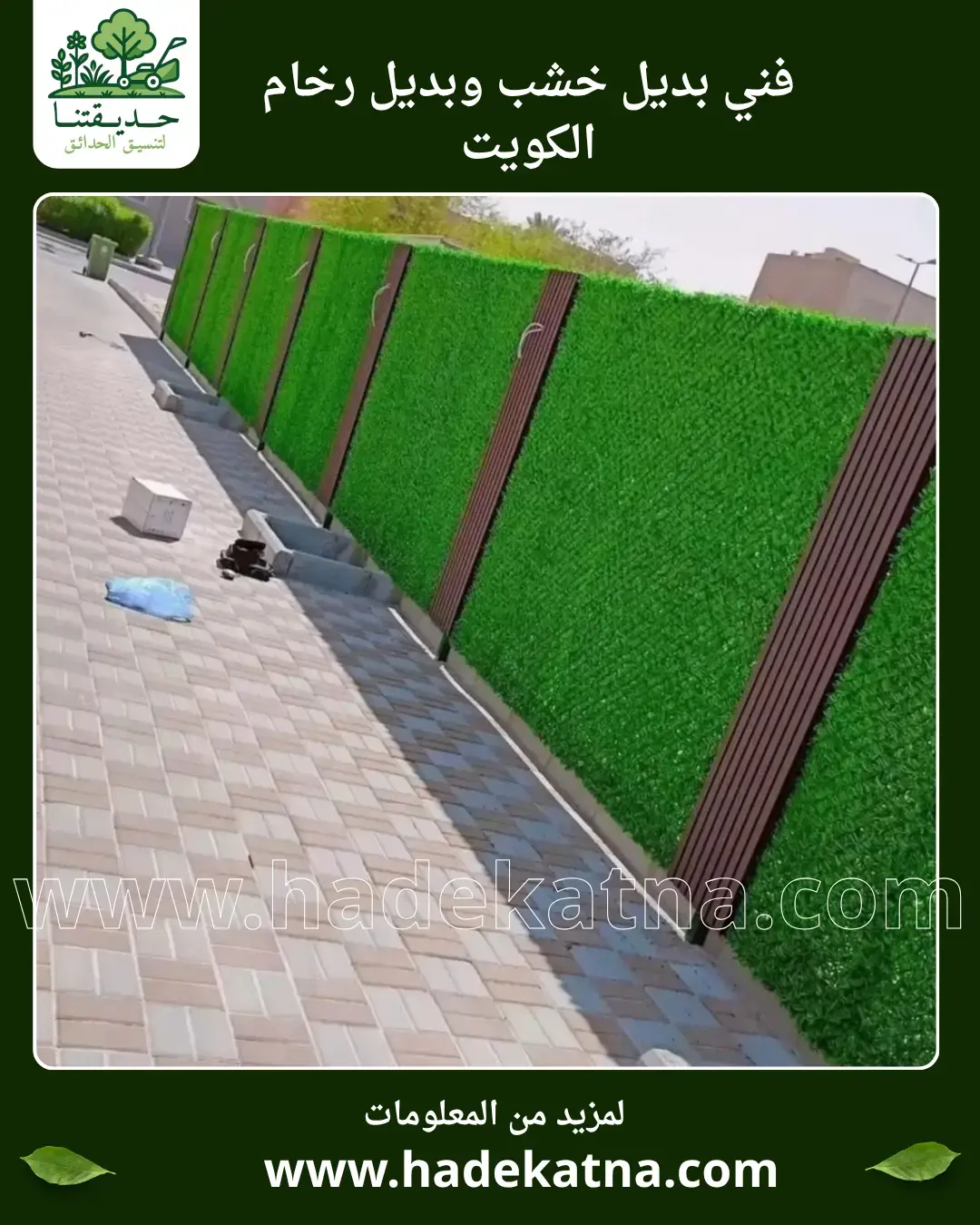
The question of wood alternative or interlock is one of the most common topics searched by villa and garden owners in Kuwait when preparing outdoor spaces because garden flooring is not only a visual element but also directly affects comfort, usability, and long-term maintenance costs.
When selecting garden flooring, the area purpose should be considered before making a decision. Flooring used around outdoor seating areas is different from flooring installed in garden pathways or areas with daily movement.
Wood alternative has become one of the popular choices in modern garden designs because of its elegant appearance that resembles natural wood. It provides a warm and luxurious feeling and is widely used around outdoor seating areas, swimming pools, terraces, and spaces where homeowners want to create a distinctive appearance.
Interlock flooring, on the other hand, is one of the practical solutions that has been used for many years in gardens and outdoor areas because of its strength and ability to handle daily usage and different loads.
Through practical experience in Kuwait landscaping projects, choosing between both options depends greatly on the homeowner’s purpose for the outdoor space.
If the priority is a modern appearance and elegant outdoor seating, wood alternative may be more suitable. However, if the goal is creating a practical flooring solution that can handle frequent movement and requires less maintenance, interlock may be a better option.
Kuwait’s weather conditions should also be considered because high temperatures and continuous sunlight exposure can affect some flooring materials if low-quality products are selected.
Outdoor WPC flooring provides better resistance compared with natural wood against moisture and external factors, but choosing a high-quality product and professional installation are necessary to maintain its performance.
Interlock flooring has the advantage of easy replacement, as damaged pieces can be removed and replaced without changing the entire flooring area.
One common mistake is selecting flooring based only on appearance without considering actual usage. A beautiful flooring option may not always be suitable for the purpose of the area.
Therefore, comparing wood alternative or interlock should depend on several factors including design, durability, maintenance, cost, and garden usage.
Important points about wood alternative or interlock:
-
The choice depends on garden usage, not appearance alone.
-
Wood alternative suits seating areas and modern designs, while interlock suits practical pathways and high-use areas.
-
Material quality and installation method directly affect flooring lifespan.
Wood Alternative or Interlock in Terms of Appearance Durability and Outdoor Maintenance
Understanding wood alternative or interlock helps garden owners select the right flooring according to their requirements because the difference between both options is not limited to appearance but also includes durability, cleaning, maintenance, and future costs.
Regarding design and visual appeal, wood alternative is considered one of the flooring options that adds a modern touch to gardens, especially in contemporary designs that combine outdoor seating with plants and lighting.
WPC provides a feeling close to natural wood without many problems that appear with traditional wood, such as moisture damage or the need for continuous painting.
Interlock flooring, however, provides a wide variety of colors and patterns and can be used to create different garden pathways and outdoor areas that match various design styles.
Regarding durability, interlock is known for its ability to withstand movement and heavy loads, making it suitable for pathways, outdoor spaces, and areas requiring higher strength.
Wood alternative is more suitable for areas where comfort and appearance are the priority, such as outdoor seating zones or spaces around swimming pools.
Regarding maintenance, both options require regular cleaning to maintain their appearance, but the maintenance process differs between them.
Wood alternative requires cleaning and dust removal while maintaining installation gaps, whereas interlock may require adjustment of some pieces or cleaning between the flooring joints.
Through practical experience in Kuwait garden projects, some customers choose wood alternative because of its luxurious appearance but later discover that the area requires stronger performance, making interlock a more practical solution.
On the other hand, some homeowners choose interlock for the entire garden and later realize that certain areas, such as seating zones, need a warmer and more decorative flooring option.
Therefore, the choice should not be based on selecting the better or worse option, but rather selecting the flooring that matches the function of each garden area.
Important points about wood alternative or interlock:
-
Wood alternative focuses on beauty and modern design.
-
Interlock provides strength and durability for high-use areas.
-
Choosing flooring according to location provides better practical and visual results.
WPC or Interlock for Gardens and Which One Fits Outdoor Designs Better
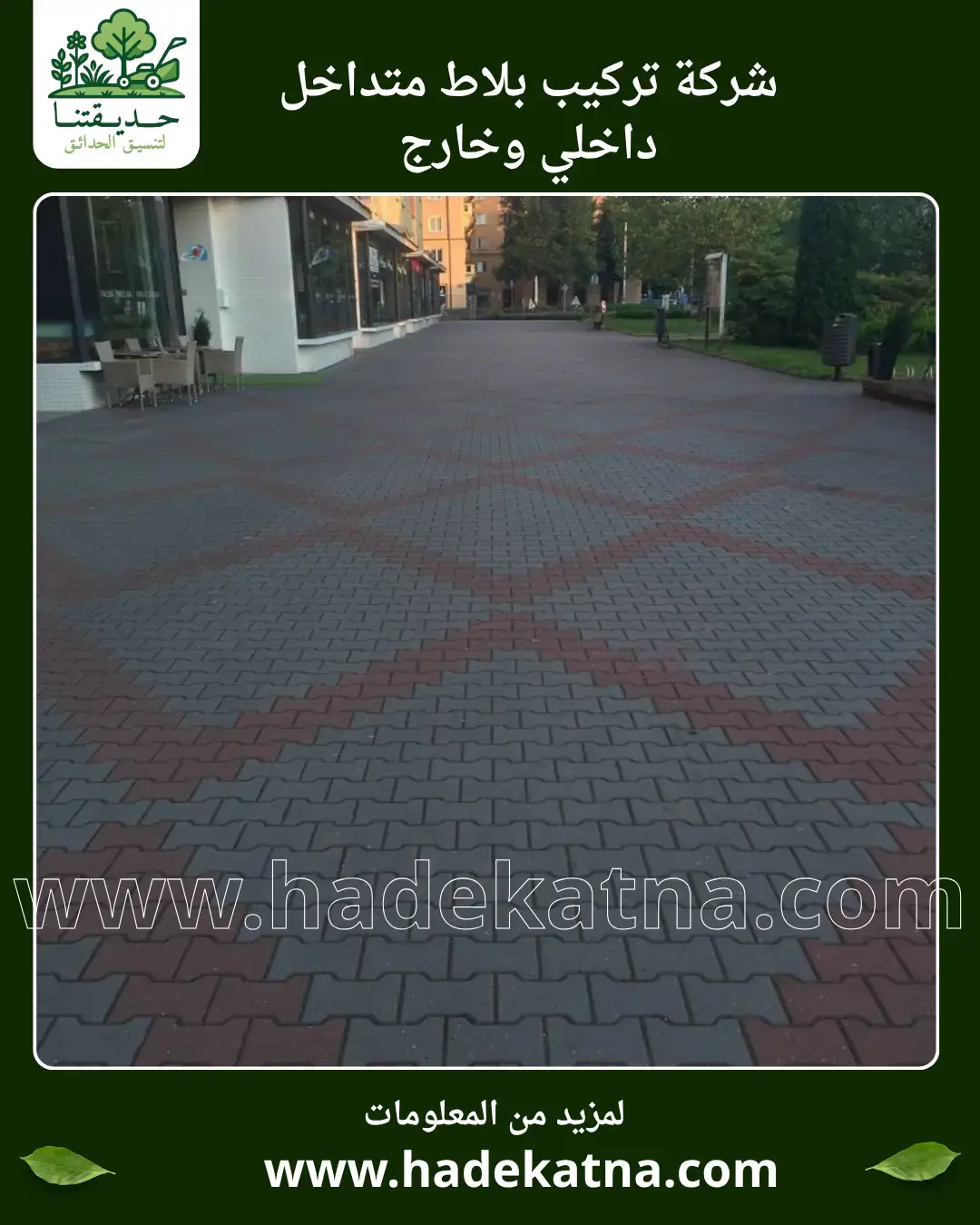
The comparison between WPC or interlock for gardens has become important for many homeowners in Kuwait because modern outdoor designs increasingly use different materials to improve garden appearance and functionality.
WPC or wood plastic composite is considered a modern material that combines the appearance of wood with better resistance to outdoor conditions, making it suitable for areas that require an elegant appearance with reduced natural wood problems.
Interlock, on the other hand, is a flooring system made of connected pieces installed in a way that provides stability and easy maintenance when required.
In modern garden designs, WPC is often used in outdoor seating areas because it creates a warmer and more comfortable atmosphere.
Interlock is usually used for pathways, yards, and areas requiring stronger resistance against daily movement.
Through practical experience, the best outdoor designs do not always depend on using one flooring type throughout the entire garden. Different materials can be combined according to the function of each area.
For example, wood alternative can be used around outdoor seating areas, while interlock can be used for pathways leading to these areas, creating a balanced design between beauty and practicality.
Weather exposure and water contact should also be considered because some areas require materials with stronger resistance.
Therefore, choosing WPC or interlock for gardens depends on garden design and usage requirements, not only on the popularity of a specific material.
Important points about WPC or interlock for gardens:
-
WPC suits areas requiring a luxury and modern appearance.
-
Interlock suits pathways and areas requiring higher durability.
-
Combining both materials can provide excellent results in many garden designs.
Best Outdoor Garden Flooring and How to Choose the Suitable Material for Your Space
Choosing the best outdoor garden flooring requires studying the garden conditions and how the space will be used because outdoor flooring differs from indoor flooring due to continuous exposure to sunlight, dust, moisture, and changing weather conditions.
There is no single flooring type that can be considered the best for every garden. Each outdoor area has different requirements. Flooring used around family seating areas needs an attractive appearance and comfort during use, while pathways and high-traffic zones require stronger and more durable materials.
In modern gardens in Kuwait, flooring selection has become an essential part of landscape design because choosing the right material helps transform the garden into a practical and beautiful space that can be used throughout the year.
Wood alternative is one of the options that provides a luxurious and contemporary appearance, especially when combined with outdoor lighting, plants, and modern seating designs.
Interlock flooring is another practical solution that provides strength, durability, and easy installation, and it is widely used for pathways and outdoor areas.
There are also other options such as natural stone, outdoor tiles, and rubber flooring depending on the purpose of the area, but the final choice depends on usage requirements and available budget.
Through practical experience in Kuwait landscaping projects, the best results are achieved when flooring is selected according to different garden zones rather than using one material for the entire space.
For example, one flooring type can be used for outdoor seating areas while another material can be used for pathways, creating a more professional design and making better use of each material.
The ground preparation process should also be considered because the quality of the base and leveling directly affects flooring stability and lifespan.
Even the highest-quality flooring materials may develop problems if they are installed on an improperly prepared surface or without considering water drainage requirements.
Therefore, identifying the best outdoor garden flooring requires balancing appearance, durability, maintenance, and environmental conditions.
Important points about the best outdoor garden flooring:
-
Flooring selection should depend on the purpose of the area, not appearance alone.
-
Proper ground preparation before installation affects flooring lifespan.
-
Combining different flooring materials can create a more balanced garden design.
Wood Alternative for Garden Flooring and the Benefits of Using WPC Outdoors
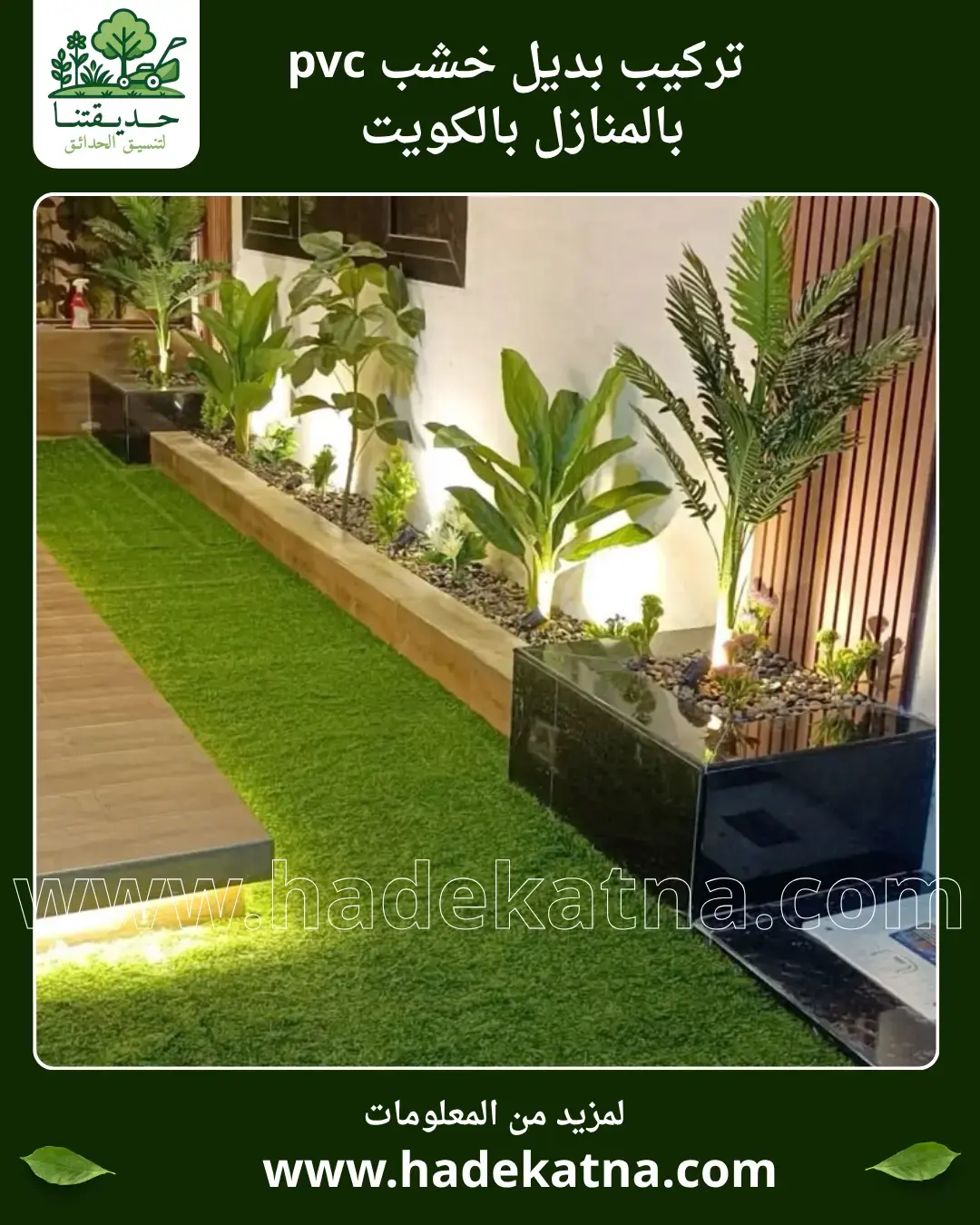
Wood alternative for garden flooring is one of the modern solutions that has become increasingly popular in Kuwait garden designs, especially among villa owners looking for the appearance of natural wood with better resistance against outdoor conditions.
Wood alternative is usually made from WPC, which is a combination of wood fibers and plastic materials. This gives it a wood-like appearance while providing better resistance against moisture and external factors compared with traditional wood.
One of the main reasons for its popularity is that it gives gardens an elegant and warm appearance, especially when used in outdoor seating areas, around swimming pools, or on terraces.
In Kuwait landscaping projects, wood alternative is used to add a decorative element that balances plants and outdoor structures, especially in modern garden designs.
However, selecting the right type is important because WPC quality varies between manufacturers, and some low-quality products may experience color changes or performance issues over time due to high temperatures or incorrect installation.
Installation method also plays a major role in the final result because proper expansion gaps and strong fixing systems are required to handle temperature changes.
One of the advantages of wood alternative is that it provides a comfortable walking surface and a warmer feeling compared with some types of outdoor tiles.
However, it should be avoided in areas that require extremely heavy loads or intensive movement unless the selected product is designed for such usage.
Therefore, wood alternative for garden flooring is an excellent choice for homeowners looking for beauty and comfort, while selecting a high-quality product and professional installation remains essential.
Important points about wood alternative for garden flooring:
-
Provides a modern appearance similar to natural wood.
-
Requires selecting high-quality WPC materials for outdoor durability.
-
Best suited for seating areas and decorative garden spaces.
Interlock for Garden Flooring and When It Is the Most Practical Option
Interlock for garden flooring is one of the most commonly used outdoor flooring solutions in Kuwait because of its strength, easy installation, and ability to withstand continuous usage.
Interlock consists of connected paving pieces installed in a way that provides good stability while allowing individual pieces to be removed and replaced when maintenance is required.
One of its main advantages is suitability for pathways, outdoor yards, and driveways because it can handle pressure and frequent movement better than some decorative flooring options.
It is also available in many colors and designs, allowing homeowners to create different patterns that match the style of the house and garden.
In landscaping projects, interlock is widely used for creating pathways between plants or around seating areas because it combines practical performance with an organized appearance.
Through practical experience, many homeowners prefer interlock in high-traffic areas because of its easy maintenance and simple replacement process when damage occurs.
Its installation method also allows drainage through the joints between pieces, which is an important factor for outdoor areas.
However, installation quality must be considered because poor ground preparation may lead to uneven surfaces or sinking pieces over time.
The design and color selection are also important to ensure that the interlock matches the rest of the garden elements.
Therefore, interlock for garden flooring is a practical option for homeowners looking for strong outdoor flooring with reasonable maintenance requirements.
Important points about interlock for garden flooring:
-
Suitable for pathways, yards, and high-use outdoor areas.
-
Allows easy maintenance and replacement of damaged pieces.
-
Proper ground preparation is necessary for long-lasting results.
Difference Between WPC and Interlock in Usage Lifespan and Maintenance
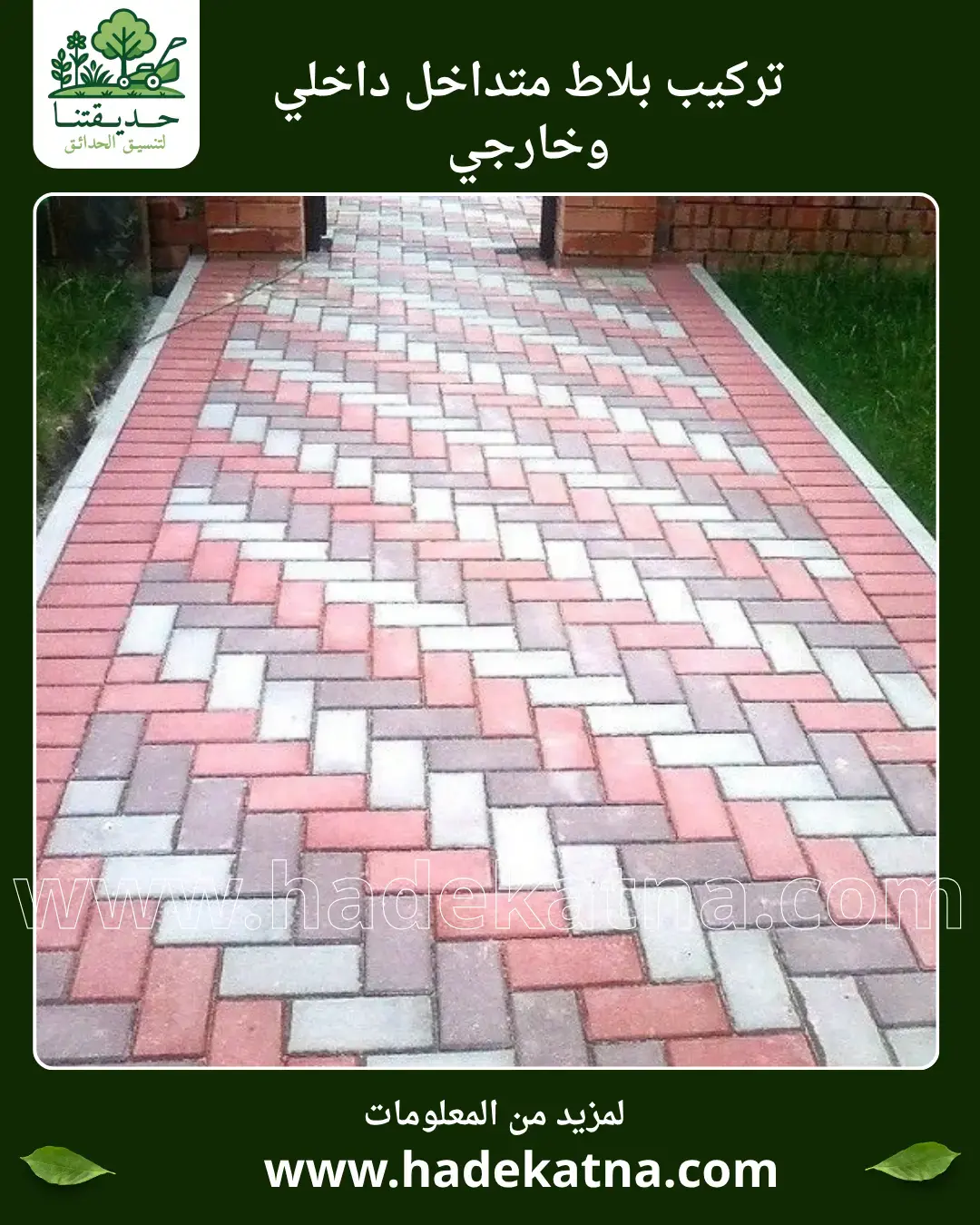
Understanding the difference between WPC and interlock helps garden owners select the suitable flooring according to their project requirements because each material has different applications and advantages.
In terms of appearance, WPC provides a look closer to natural wood and adds a luxurious and calm atmosphere, while interlock offers practical designs with different colors and patterns.
Regarding durability, interlock has high resistance against pressure and continuous movement, making it suitable for areas requiring stronger performance.
WPC, however, is more suitable for areas where comfort and visual appearance are the main priorities, such as outdoor seating spaces.
Regarding maintenance, both materials require regular cleaning, but the maintenance method differs depending on the material and usage conditions.
Through practical experience, choosing the wrong material for the wrong location is one of the main reasons for flooring problems. Installing WPC in a heavy-traffic area may reduce its lifespan, while using interlock in a luxury seating area may not provide the desired appearance.
Therefore, understanding the difference between WPC and interlock before installation helps homeowners choose the right material according to each area’s function.
Important points about the difference between WPC and interlock:
-
WPC focuses on beauty and comfort, while interlock focuses on strength and practicality.
-
Proper usage increases the lifespan of both materials.
-
Flooring selection should depend on the area purpose, not appearance only.
Advantages of Outdoor Wood Alternative and Why It Is Preferred for Modern Gardens
The advantages of outdoor wood alternative are among the main reasons why this material has become popular in garden and villa designs in Kuwait, especially with the increasing demand for outdoor spaces that combine elegant appearance with practical performance.
One of the most important advantages of wood alternative is that it provides an appearance very close to natural wood, adding a warm and luxurious feeling to the garden, especially when used with outdoor seating areas or relaxation spaces.
WPC also provides better resistance against moisture and outdoor factors compared with natural wood because it does not react in the same way as traditional wood when exposed to external conditions.
This makes it suitable for gardens in Kuwait, where outdoor materials are exposed to high temperatures, dust, and occasional humidity.
Through practical experience in landscaping projects, many customers choose wood alternative because they want an elegant appearance without the continuous maintenance required by natural wood.
It is also relatively easy to clean, as dust and dirt can be removed using simple cleaning methods to maintain its appearance.
Another advantage is the ability to use it in different designs, including flooring, outdoor steps, seating areas, and spaces around swimming pools.
However, attention should be paid to product quality because low-quality materials may experience color changes or performance issues over time due to high temperatures or poor manufacturing.
Installation method is also an essential factor because proper expansion gaps and strong fixing systems help maintain flooring stability for a longer period.
Therefore, the advantages of outdoor wood alternative make it a suitable option for homeowners looking for flooring that combines beauty and practicality, provided that a high-quality product and professional installation are selected.
Important points about the advantages of outdoor wood alternative:
-
Provides a luxurious appearance similar to natural wood.
-
Offers better resistance to moisture and outdoor conditions compared with traditional wood.
-
Suitable for modern garden seating areas and decorative outdoor designs.
Disadvantages of Interlock for Gardens and Things to Consider Before Installation
Although interlock is considered a practical garden flooring solution, understanding the disadvantages of interlock for gardens helps homeowners make a better decision before installation because every flooring type has advantages and challenges depending on usage.
One of the main challenges that may appear with interlock is the possibility of some pieces sinking or becoming uneven if the ground base is not properly prepared before installation.
Interlock depends greatly on correct leveling and proper foundation preparation. Any mistake during this stage may lead to gaps or differences in height between paving pieces over time.
The joints between interlock pieces can also collect dust or allow weed growth if regular cleaning and maintenance are not performed.
Regarding appearance, interlock may not provide the same luxurious and warm feeling that wood alternative offers, especially in seating areas where homeowners want a more elegant and comfortable atmosphere.
However, this depends on the selected design, as modern interlock options can create attractive garden patterns and decorative appearances.
Through practical experience in Kuwait landscaping projects, most interlock problems are not caused by the material itself, but rather by poor installation or choosing an unsuitable type for the intended use.
Some low-quality interlock products may also be affected by heavy loads or temperature changes faster compared with high-quality options.
Therefore, the installation location should be studied carefully. Interlock is excellent for pathways and outdoor yards, but it may not be the first choice for homeowners looking for a luxury seating flooring solution.
Important points about the disadvantages of interlock for gardens:
-
Installation quality greatly affects flooring stability.
-
Regular cleaning may be needed to maintain the joints between pieces.
-
It may not provide the same warm appearance as wood alternative in some areas.
Which Is Better WPC or Interlock for Choosing the Right Garden Flooring
The question of which is better WPC or interlock cannot be answered with one solution for all gardens because the right choice depends on the purpose of the flooring and how the outdoor area will be used.
If the goal is creating an elegant outdoor seating area or a modern relaxation space, WPC or wood alternative may be the better choice because of its natural appearance and comfortable feeling.
However, if the priority is durability and daily practical use, interlock is considered a strong option because of its ability to handle movement and different loads.
In large gardens, the best solution may be combining both materials instead of choosing only one type.
For example, wood alternative can be used in outdoor seating areas to add a decorative touch, while interlock can be installed in pathways or areas requiring higher durability.
Through practical experience in Kuwait garden designs, the best results are achieved when flooring is selected according to the function of each garden section rather than choosing one material for the entire area.
Budget should also be considered because installation costs vary depending on material type, project size, and installation requirements.
Wood alternative may require a higher initial investment, but it provides strong aesthetic value, while interlock offers a practical and economical solution for areas requiring durability.
Future maintenance should also be considered because the best flooring is the one that matches the homeowner’s lifestyle and usage habits.
Therefore, the answer to which is better WPC or interlock depends on the garden design, usage requirements, and the final result expected by the homeowner.
Important points about which is better WPC or interlock:
-
WPC suits luxury designs and outdoor seating areas.
-
Interlock suits pathways and high-use outdoor spaces.
-
Combining both materials can provide the best balance between beauty and durability.
Conclusion
Choosing between wood alternative or interlock for garden flooring in Kuwait depends on the requirements of the space and how it will be used. There is no single option that fits all gardens because every project has different needs related to appearance, durability, maintenance, and budget.
Wood alternative is an excellent choice for homeowners looking for a modern design and flooring that adds a luxurious touch to outdoor seating areas and decorative spaces.
Interlock flooring provides a practical and strong solution for pathways and areas that require higher durability and regular usage.
Before making the final decision, homeowners should consider the flooring location, expected usage level, weather conditions, material quality, and installation method.
The best garden designs do not always depend on using one material only. Combining different flooring solutions can create a better balance between beauty and functionality.
In the end, the right flooring choice is the one that meets the homeowner’s needs and provides comfortable usage while matching the overall design of the house and outdoor space.
Frequently Asked Questions
Is wood alternative better than interlock for gardens?
It depends on the usage. Wood alternative is suitable for seating areas and modern designs, while interlock is suitable for pathways and areas requiring higher durability.
What is the difference between WPC and interlock?
WPC provides a wood-like appearance and focuses on beauty, while interlock provides strength, durability, and practical performance.
Can outdoor wood alternative withstand Kuwait heat?
Yes, high-quality types can handle outdoor conditions, but selecting suitable materials and proper installation are necessary.
Is interlock suitable for garden flooring?
Yes, it is considered a practical option for pathways and outdoor areas because of its strength and easy maintenance.
What are the disadvantages of interlock for gardens?
The main disadvantages include possible sinking or uneven surfaces if the ground is not properly prepared before installation.
Does WPC require maintenance?
It requires regular cleaning to maintain its appearance but does not need the same level of maintenance as natural wood.
Which is more affordable wood alternative or interlock?
Interlock is usually less expensive initially, while wood alternative provides higher aesthetic value depending on the project design.
Can WPC and interlock be installed together in the same garden?
Yes, combining both materials can create a balanced design that combines beauty and practical performance.
What is the best outdoor garden flooring in Kuwait?
The best choice depends on usage. Seating areas may suit WPC flooring, while pathways often suit interlock flooring.
What is the most important thing before installing garden flooring?
Proper ground preparation and selecting suitable materials for outdoor conditions are more important than appearance alone.


