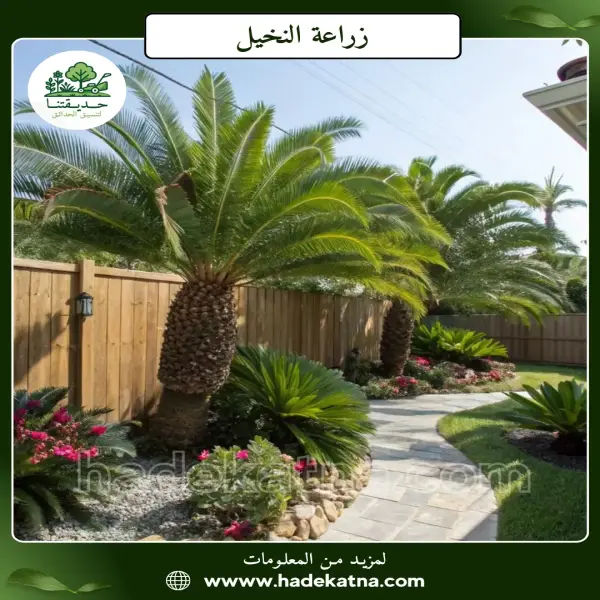

Tree and Palm Planting in Kuwait – Best Types and Planting Locations
Kuwait is considered a desert environment that requires precision in selecting plant and tree species suitable for its climate and soil. With growing awareness of the importance of green spaces, planting trees and palm species in Kuwait has become a necessary choice to improve quality of life and beautify the environment. The greatest challenge lies in choosing types that can adapt to harsh climatic conditions such as high temperatures and water scarcity. In this article, we explore the most important types of trees and palms suitable for cultivation in Kuwait, ideal planting locations, and key information on soil, drought resistance, and interplanting strategies — all presented in a simplified and structured way that answers the most frequently asked questions.
What are the key advantages of palm cultivation in Kuwait, and how can it succeed in desert conditions?
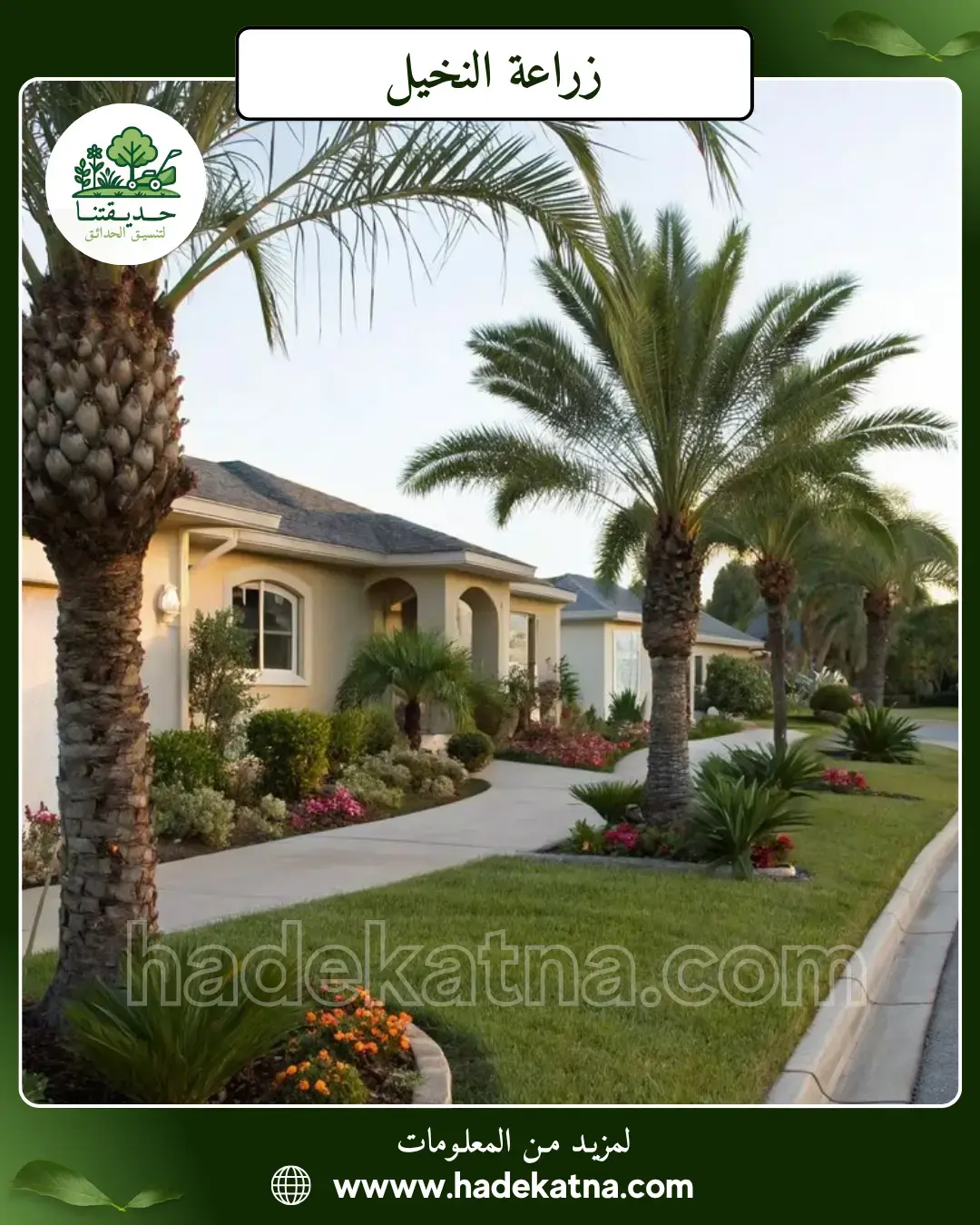
Palm cultivation is one of the oldest and most important agricultural activities in Kuwait, closely linked to the local environment and cultural heritage. The palm tree is not only a symbol of connection to the land but also a strategic crop that adapts well to the harsh desert climate. For successful cultivation, it is essential to follow sound agricultural practices. Key advantages and success factors include:
-
Tolerates high temperatures up to 50°C.
-
Requires minimal water and can be irrigated via drip systems.
-
Deep roots absorb moisture from deep soil layers.
-
Resistant to strong winds and sandstorms.
-
Suits sandy soils common in Kuwaiti land.
-
Produces high-quality dates, especially varieties like Khalas and Barhi.
-
Reduces evaporation around it, benefiting nearby plants.
-
Provides shade for other crops in mixed farming.
-
Long productive lifespan — can last decades.
-
Enhances aesthetics and improves air quality.
To ensure successful cultivation, it’s best to use offshoots from trusted sources, prepare planting pits with organic compost, and follow a consistent irrigation and fertilization program based on recommended guidelines.
Why is Khalas palm one of the most popular types in Kuwait?

Khalas palms are widely favored in Kuwait due to their unique agricultural traits and high-quality fruit. Here’s what makes them stand out:
-
Produces dates with a well-balanced, sweet taste loved by Kuwaitis.
-
Amber-colored with soft texture, making them highly marketable.
-
Excellent tolerance to heat and drought.
-
Yields quickly compared to some other varieties.
-
Low-maintenance, ideal for hobbyists and professionals alike.
-
Low pest incidence when simple preventive measures are applied.
-
Economically viable for commercial farming.
-
Works well with modern irrigation systems like drip irrigation.
-
Strong roots help stabilize in sandy soil.
-
Suitable for both home gardens and farms.
Khalas palms are a smart choice for anyone seeking a profitable, hardy, and low-maintenance tree for Kuwait’s hot climate.
What’s the difference between Barhi and Sukkari palms, and which is better for home gardens?

Barhi and Sukkari are among the most well-known palm types in the Arab world, each with unique features that appeal to different growers. In Kuwait, the better choice depends on your purpose and site conditions. Here's a comparison:
-
Barhi: produces soft, golden dates with a light sweet taste and moist texture.
-
Sukkari: produces firmer dates with a golden-brown hue and a more intense sweetness.
-
Barhi is preferred in home gardens for its moderate height and quick yield.
-
Sukkari is often used in commercial farms for its high productivity and resilience.
-
Barhi requires regular irrigation, especially in summer, while Sukkari is more drought-tolerant.
-
Both thrive in sandy soil, especially with organic improvements.
-
Sukkari has slightly better disease resistance.
-
Barhi matures faster, while Sukkari takes slightly longer.
-
Both are high-yielding, but Sukkari preserves quality longer post-harvest.
-
Both enhance garden aesthetics.
For home gardens, Barhi is often favored for its moist texture and easy harvesting, while Sukkari is ideal for long-term commercial cultivation.
How do drought-resistant Sidr (Ziziphus) trees support sustainable environments?

Drought-resistant Sidr trees are among the top choices for greening desert areas like Kuwait. They provide not just shade and beauty but also environmental value in combating desertification and promoting sustainability. Here's how Sidr contributes:
-
Survives long periods of drought without frequent watering.
-
Deep roots stabilize soil and prevent erosion.
-
Grows in poor or sandy soils without major amendment.
-
Supports beneficial insects and birds.
-
Produces nutritious and medicinal fruits (jujube).
-
Used in traditional medicine and skincare.
-
Dense canopy reduces local temperatures.
-
Easily propagated by cuttings or seeds.
-
Low-cost planting and maintenance long-term.
-
Ideal for environmental projects, schools, farms, and home gardens.
Planting Sidr is not just aesthetic — it’s a smart investment in a green infrastructure that supports climate resilience and ecological balance.
Can Ghaf trees thrive in Kuwait’s desert climate?

Planting Ghaf trees in desert climates has proven highly successful thanks to their exceptional hardiness and tolerance of extreme conditions like drought and heat. As afforestation efforts grow in Kuwait, Ghaf trees are gaining prominence. Reasons for their success:
-
Withstands temperatures over 50°C.
-
Requires minimal water, surviving on seasonal rains.
-
Grows in sandy or saline soils with little treatment.
-
Enhances soil quality by fixing nitrogen.
-
Long roots extract deep moisture.
-
Serves as windbreak and reduces sand erosion.
-
Provides broad shade that benefits nearby plants.
-
Needs minimal care — a “climate-smart” tree.
-
Eco-friendly and enhances biodiversity.
-
Grows relatively quickly — suitable for farms and public projects.
Thanks to their environmental benefits, Ghaf trees are ideal for boosting vegetation in desert areas and supporting Kuwait’s sustainability initiatives.
How widespread is Ghaf tree use in Kuwait and why do farmers prefer it?

In recent years, Ghaf tree cultivation in Kuwait has increased significantly due to its strong adaptability to desert conditions. Widely used by farmers and municipalities for landscaping and afforestation, its appeal stems from:
-
Faster growth compared to other desert species.
-
Doesn’t require daily care or frequent watering.
-
Tolerates salinity, drought, and tough soil.
-
Provides dense shade to cool open areas.
-
Planted along roads, in public parks, and farms.
-
Serves as natural windbreak for crop protection.
-
Roots help fix sand and reduce erosion.
-
Leaves feed some farm animals.
-
Adds a natural aesthetic to open spaces.
-
Symbolic in green campaigns as a sign of resilience.
Farmers value Ghaf for its ecological and practical benefits, helping to create greener, more stable environments without high water needs.
What is the importance of Terminalia trees in coastal areas, and how do they stabilize soil?
In coastal or saline environments, Terminalia trees are among the best-suited species. They play a major role in ecological balance and coastal erosion control. Key benefits include:
-
Tolerates high salinity and salt-laden winds.
-
Planted as green belts on beaches and shorelines.
-
Strong roots stabilize sand and prevent shifting.
-
Provides natural plant cover to reduce erosion.
-
Grown in public gardens near the sea for their visual appeal.
-
Adapts to poor or sandy soils.
-
Produces dense green foliage that cools surroundings.
-
Reduces the impact of strong coastal winds.
-
Low-maintenance and doesn’t need constant watering.
-
Also used as ornamental plants in modern landscaping.
Thanks to these features, Terminalia trees are a vital element in coastal landscaping across Kuwait, serving both environmental and aesthetic functions.
How is Sidr Maqdisi cultivated in Kuwaiti gardens, and what are the success factors?
Sidr Maqdisi is an excellent option for beautifying Kuwaiti gardens due to its heat and drought tolerance, visual appeal, and environmental benefits. For successful cultivation in home or public gardens, follow these steps:
-
Choose a fully sunny location — Sidr loves direct light.
-
Dig a deep, wide hole to allow root spread.
-
Improve sandy soil by mixing in organic compost.
-
Plant during winter or early spring for best results.
-
Water moderately at first, then reduce frequency over time.
-
Protect young trees from strong winds in early stages.
-
Prune as needed to shape and manage growth.
-
Add organic mulch around roots to retain moisture.
-
Monitor for pests early and manage appropriately.
-
Once established, requires minimal maintenance.
Sidr Maqdisi grows quickly in Kuwait if properly cared for, offering both beauty and function in any garden setting.
What are the best shade trees for Kuwaiti gardens?
Given Kuwait’s high temperatures, many seek suitable shade trees to create cooler, more comfortable outdoor spaces. The best trees for this climate must withstand drought, suit sandy soils, and provide ample shade. Top types include:
-
Indian Neem: Fast-growing with dense shade.
-
Ghaf: Ideal for desert, salt-tolerant.
-
Sidr: Permanent shade, dense foliage, highly drought-tolerant.
-
Conocarpus: Commonly used in gardens and farms.
-
Albizia (Lebbek): Large leaves and wide canopy.
-
Christ's Thorn (Ziziphus spina-christi): Natural beauty and heat tolerance.
-
Mango: Offers both shade and fruit; needs moderate care.
-
Royal Poinciana: Beautiful foliage and striking orange flowers.
-
Flame Tree: Decorative and provides shade.
-
Fig Tree: Comfortable shade, adaptable growth.
Choose the right type based on garden location, soil type, and available space — ideally native or well-adapted species.
What makes the red Flamenco tree a standout for ornamental landscaping?
The red Flamenco tree is one of the most stunning trees used in garden and landscape design. Its vivid flowers and elegant foliage make it a favorite among landscape designers in Kuwait. Key features include:
-
Produces bright red flowers with strong visual impact.
-
Grows in an umbrella-like shape — perfect for shade.
-
Ideal for gardens, entrances, and open walkways.
-
Tolerates high temperatures — perfect for Kuwait’s climate.
-
Grows quickly, reaching maturity in just two years.
-
Minimal leaf drop — keeps areas tidy.
-
Easily shaped with regular pruning.
-
Blooms for extended periods during spring and summer.
-
Pairs well with ornamental plants and lawns.
-
Adds a luxurious and modern touch at low cost.
More than just an ornamental plant, the Flamenco tree is a full-fledged design element that enhances outdoor aesthetics and promotes comfort.
Why is the drought-resistant Moringa plant ideal for hot climates?
In harsh, dry climates like Kuwait’s, drought-resistant Moringa is a top-tier choice for home gardens and sustainable agriculture. Its benefits go far beyond survival — offering food, medicine, and aesthetics. Reasons it's ideal:
-
Tolerates prolonged drought without stress.
-
Needs minimal watering — ideal for water-scarce areas.
-
Grows in poor sandy soil without major amendment.
-
Leaves are edible and rich in vitamins and minerals.
-
Strong medicinal properties, used in folk remedies.
-
Fits well in sustainable and eco-friendly gardens.
-
Fast-growing — begins producing in the first year.
-
Roots don’t harm infrastructure or foundations.
-
Naturally pest-resistant, requiring few chemicals.
-
Blooms and produces continuously throughout the year.
Moringa isn’t just tough — it’s a valuable partner in creating green, healthy, and low-cost environments in Kuwait’s challenging climate.
Can white mangrove trees be successfully cultivated on Kuwait’s coasts?
With growing interest in coastal conservation in Kuwait, white mangrove cultivation has become a key topic in marine protection and restoration projects. Despite challenges, success is possible with the right conditions. Supporting factors:
-
Tolerates high salinity — suitable for coastal waters.
-
Dense roots stabilize coastal soil and prevent erosion.
-
Creates natural habitats for marine fish and birds.
-
Thrives in tidal zones found on some Kuwaiti shores.
-
Reduces ambient temperatures through shade and soil cooling.
-
Absorbs CO₂, helping fight climate change.
-
Low-maintenance after initial establishment.
-
Enhances coastal biodiversity.
-
Used in shoreline restoration projects.
-
Improves water quality by filtering pollutants and sediments.
For success, choose the correct species, ensure suitable tidal conditions, and support the project with ongoing environmental monitoring.
What are the benefits of planting beetroot and lemon between palm trees in Kuwaiti farms?
Mixed cropping is one of the best techniques for maximizing yield and land use — especially in Kuwait. A popular example is interplanting beetroot and lemon between palm trees, which offers several agricultural and economic advantages:
-
Beetroot improves soil structure due to its strong roots.
-
Lemon trees flower year-round, ensuring constant production.
-
Makes use of empty space between palms.
-
Partial palm shade protects beetroot from scorching sun.
-
Plant diversity reduces pest infestations.
-
Promotes ecological balance and beneficial insects.
-
Increases farm productivity without expanding land.
-
Beetroot can be used for food or livestock feed.
-
Lemon has high market demand.
-
Reduces water consumption with coordinated irrigation.
This method represents smart agriculture — maximizing efficiency and crop diversity, especially in resource-limited environments.
Frequently Asked Questions on Tree and Palm Planting in Kuwait
1. What is the best time to plant palm trees in Kuwait?
Late winter or early spring is ideal, as moderate temperatures help the saplings establish before the harsh summer.
2. Can plants grow in sandy soil without amendment?
Some species, like Ghaf and Sidr, tolerate sandy soil well, but it's always better to enrich the soil with organic compost to enhance moisture retention.
3. Can different plants be grown in the same area?
Yes, mixed planting (e.g., beetroot and lemon between palms) is effective, improves soil health, and reduces pests.
4. Do drought-tolerant trees need regular watering?
Initially, yes. Once established, they can tolerate long dry periods and require only occasional watering based on weather and soil.
5. What’s the difference between local Sidr and Sidr Maqdisi?
Sidr Maqdisi grows faster and needs less water, while the local variety is more adapted to the environment but grows slower. Both thrive in Kuwait when properly planted.
Planting trees and palms in Kuwait isn’t just a hobby or decoration — it’s a long-term environmental and economic investment. Choosing the right species — such as palm, Sidr, Ghaf, and Moringa — enhances the beauty of a place and contributes to creating a healthier, more balanced environment, even in the harshest climates.
Thanks to advancements in irrigation and modern farming techniques, the climate is no longer a barrier to landscaping or home gardening. What matters most is understanding the plant’s characteristics, the nature of the soil, and defining the purpose — whether for shade, food production, or visual appeal.
Start with simple, well-planned steps. Choose heat- and drought-resistant species, and combine trees and plants smartly, keeping space, water, and cost in mind. With a little care, your sandy space can transform into a thriving green oasis.


