

How to Protect Artificial Grass from Cracking Under Kuwait Sun
Artificial grass has become one of the most popular choices for home gardens and outdoor areas in Kuwait because of its organized appearance and lower maintenance requirements compared with natural grass. However, this does not mean that it requires no care, especially with the strong sunlight and high temperatures during summer.
Many homeowners believe that artificial grass is completely unaffected by heat, but after some time they may notice cracks, changes in appearance, or reduced quality.
Understanding how to protect artificial grass from sunlight helps maintain its beauty, extend its lifespan, and reduce the need for replacement.
Proper care begins with selecting the right type of artificial grass, professional installation, and following simple maintenance steps that preserve its quality throughout the year.
Protecting Artificial Grass from Sunlight and the Best Ways to Maintain Its Quality in Kuwait
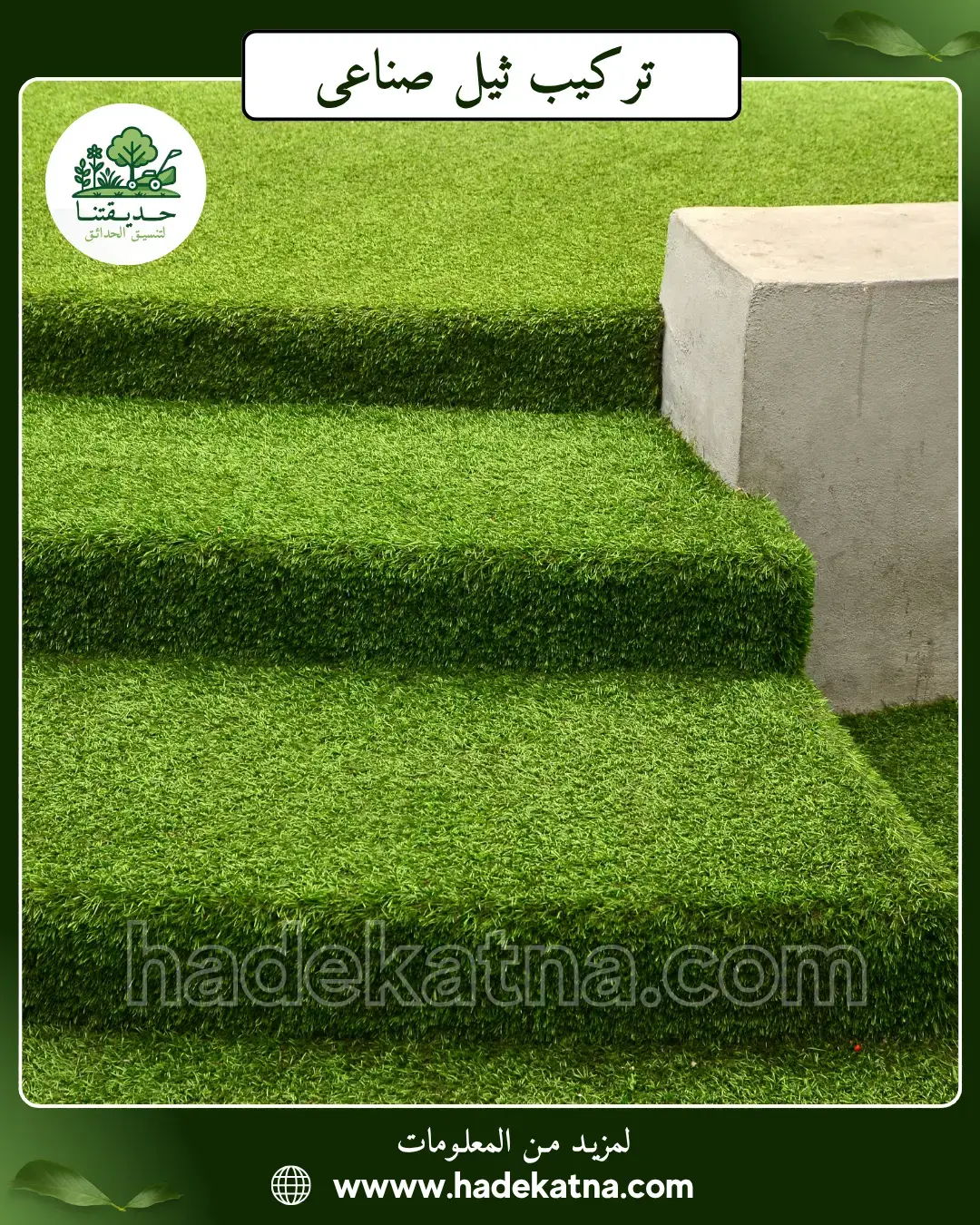
Protecting artificial grass from sunlight is one of the most important aspects that homeowners should consider after installing artificial grass in Kuwait gardens because local weather conditions are different from many other regions due to high temperatures and strong sunlight exposure for long periods.
Many homeowners choose artificial grass because of its practical benefits, including reduced irrigation needs and fewer maintenance tasks compared with natural grass. However, some people believe that artificial grass requires no care after installation.
In reality, the quality of artificial grass and the way it is maintained play a major role in preserving its appearance and extending its lifespan.
Continuous exposure to sunlight does not necessarily mean artificial grass will become damaged, but high temperatures can affect low-quality products or installations that were not completed correctly.
Through practical experience in Kuwait landscaping projects, most artificial grass problems are related to three main factors: choosing unsuitable material, poor installation, or neglecting regular cleaning and maintenance.
One of the most important protection methods is selecting artificial grass designed for outdoor use with UV resistance features because this helps reduce the impact of sunlight on fibers and maintain color stability.
Proper installation with suitable ground preparation also prevents issues such as shrinking, movement, or surface deformation.
Regular cleaning helps remove dust and dirt that accumulate between fibers and may affect ventilation and heat resistance.
In some gardens, shaded areas or pergolas can be used to reduce direct sunlight exposure on certain sections, especially in outdoor seating areas or frequently used spaces.
It is also recommended to avoid placing materials that increase heat concentration on the grass surface, such as reflective glass surfaces nearby that may intensify heat in specific areas.
Maintaining artificial grass does not depend on one single step, but on a combination of actions that begin with selecting the correct product and continue through daily care.
Therefore, protecting artificial grass from sunlight is an ongoing process that helps preserve garden appearance and reduces future repair or replacement costs.
Important points about protecting artificial grass from sunlight:
-
Choosing UV-resistant artificial grass helps increase lifespan.
-
Proper installation reduces heat-related problems and surface damage.
-
Regular cleaning and maintenance preserve grass appearance and quality.
Artificial Grass Cracking Causes and How to Prevent This Problem
Artificial grass cracking is one of the issues that concerns garden owners, especially when gaps, surface changes, or visible damage begin appearing after a period of use.
Cracking does not always mean that the artificial grass itself is poor quality. The problem may be related to installation methods, ground preparation, or surrounding conditions.
One common cause is using artificial grass that is not suitable for outdoor areas, as some types are designed for indoor use or locations with lower sunlight exposure.
Temperature expansion and contraction can also affect artificial grass if it is not installed with proper allowance for natural material movement.
Through practical experience in Kuwait artificial grass projects, ground preparation before installation is one of the most important stages affecting final results.
If the base layer is uneven or not properly prepared, problems may appear later, including surface waves, separation, or cracking.
Using unsuitable fixing materials or incorrect installation techniques can also reduce grass stability.
Weather conditions are not the only factor. Daily usage also affects performance, such as placing heavy objects in the same area for long periods or using tools that damage fibers.
To prevent artificial grass cracking, homeowners should focus on product quality, professional installation, and regular inspection.
Small problems should be repaired early instead of waiting until damage spreads and affects larger areas.
In Kuwait, selecting artificial grass designed for high temperatures is essential because outdoor grass faces extreme conditions during summer months.
Therefore, understanding cracking causes helps homeowners take preventive steps that preserve artificial grass for a longer period.
Important points about artificial grass cracking:
-
Cracking may result from installation issues or material quality, not only heat.
-
Proper ground preparation prevents many future problems.
-
Early repair reduces maintenance costs.
Artificial Grass Heat Damage and How High Temperatures Affect Grass Performance
.webp)
Artificial grass heat damage is one of the problems that may appear in Kuwait gardens, especially when unsuitable materials are used or outdoor conditions are not considered before installation.
Artificial grass is designed for outdoor use, but durability levels vary depending on product quality and manufacturing standards.
High temperatures may affect some artificial grass fibers and cause appearance changes or reduced performance over time.
Signs of heat damage may include color changes, loss of fiber flexibility, flattened areas, or problems with the fixing layer.
Through practical experience, many damage cases are not caused by sunlight alone but by a combination of factors such as low-quality materials, poor installation, and lack of maintenance.
Areas surrounded by reflective surfaces or locations that trap heat may experience more problems compared with open areas.
Choosing artificial grass suitable for Kuwait’s climate is an essential step because products vary in their ability to resist heat and UV exposure.
Proper cleaning and avoiding strong chemical products also help preserve fiber quality.
Therefore, preventing artificial grass heat damage starts from the purchasing and installation stage, not only after problems appear.
Important points about artificial grass heat damage:
-
Material quality determines heat resistance.
-
Location conditions and installation methods affect lifespan.
-
Proper maintenance reduces the impact of high temperatures.
Artificial Grass Summer Care and the Best Steps to Maintain It in Kuwait
Artificial grass summer care is one of the essential practices that help maintain grass appearance and quality because Kuwait summers create challenging conditions due to high temperatures, strong sunlight, and increased dust exposure.
Although artificial grass requires less maintenance than natural grass, it still needs some simple care steps to remain in good condition and preserve its appearance for a longer period.
One of the most important care steps is cleaning the grass surface regularly to remove dust and dirt that accumulate between fibers. Dust buildup can affect the overall appearance and reduce proper airflow between the grass blades.
It is also recommended to remove dry leaves and garden debris continuously, especially in gardens that contain trees and plants around the artificial grass area.
Through practical experience in Kuwait garden maintenance, many artificial grass problems begin because of simple neglect rather than poor material quality.
The condition of the grass should also be inspected periodically to ensure there are no raised areas, loose sections, or changes in the surface structure.
During summer, it is preferable to avoid placing heavy objects in the same location for long periods because continuous pressure may affect fiber shape or the fixing layer.
Water can be used for cleaning when needed because it helps remove dust and may reduce surface temperature in some situations. However, proper drainage should be available to prevent water accumulation.
One common mistake is using strong cleaning chemicals or unsuitable tools that may damage artificial grass fibers, so suitable cleaning methods should always be followed.
Cleaning the surrounding garden area also helps reduce the transfer of dirt and insects onto the artificial grass surface.
Therefore, artificial grass summer care does not require significant effort, but it requires consistency and attention to small details that preserve grass quality.
Important points about artificial grass summer care:
-
Regular cleaning maintains fiber appearance and prevents dirt accumulation.
-
Periodic inspection helps detect problems before they become serious.
-
Proper usage habits help extend artificial grass lifespan.
Protecting Artificial Turf from Heat and the Best Ways to Reduce Sun Impact
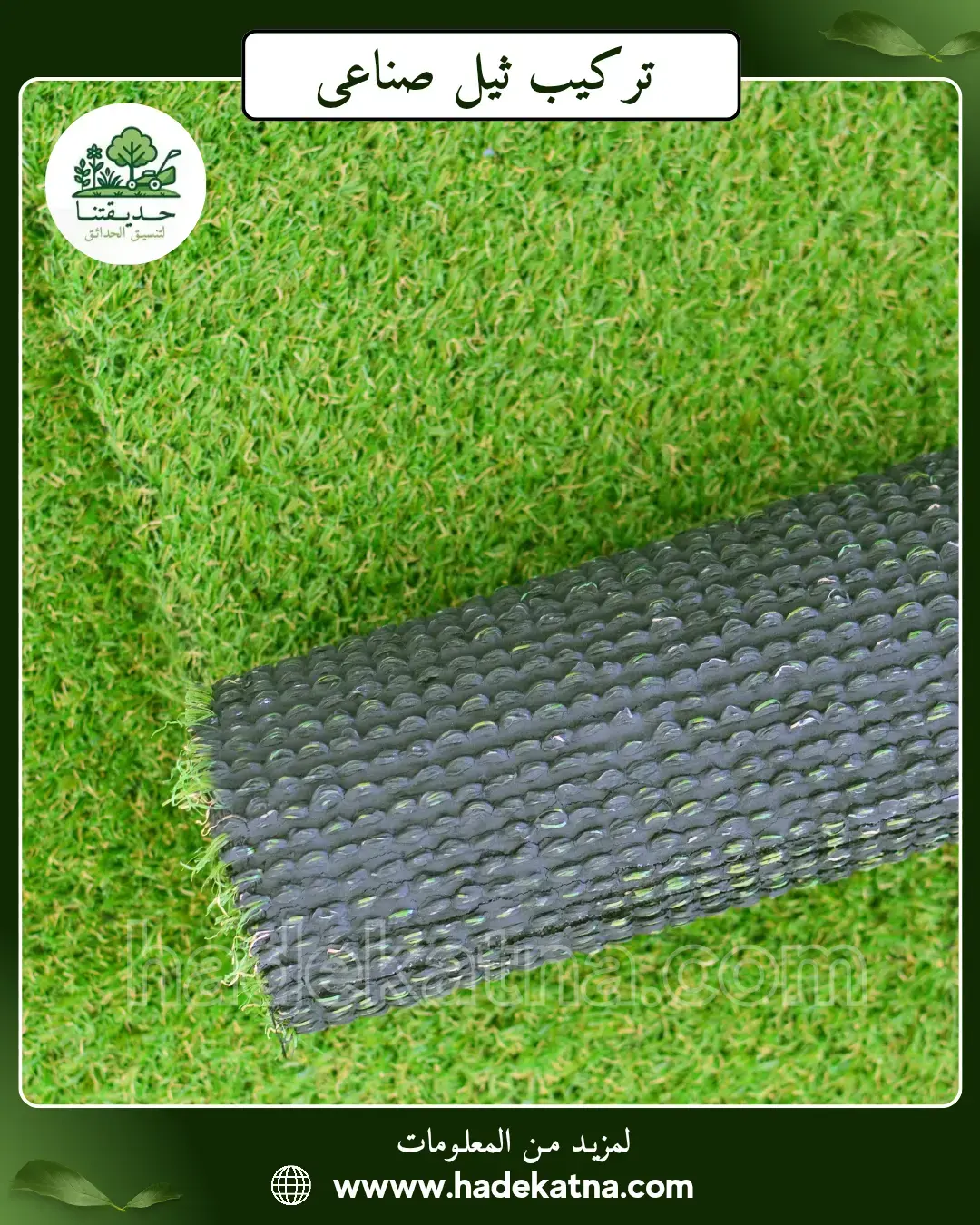
Protecting artificial turf from heat is an important step, especially in Kuwait, where outdoor areas experience high temperatures and direct sunlight for many hours during summer.
High-quality artificial turf is designed for outdoor use, but taking preventive measures improves performance and reduces the long-term effects of heat.
One of the most important protection methods is selecting turf with UV-resistant treatment because this feature helps reduce color fading and fiber damage caused by continuous sunlight exposure.
Proper installation also plays a major role because a suitable base layer improves stability and reduces problems caused by temperature changes.
Through practical experience in installing artificial turf in Kuwait, the installation location has a significant impact on turf lifespan.
Areas exposed to sunlight throughout the day require higher-quality materials compared with areas that receive partial shade.
Pergolas or shade structures can also be used in some locations to reduce direct sunlight exposure, especially around outdoor seating areas.
Proper ventilation should also be considered, and artificial turf should not be covered for long periods with materials that prevent airflow because this may affect surface condition.
Fast removal of stains and dirt is also recommended because cleanliness helps maintain turf appearance and quality.
Therefore, protecting artificial turf from heat depends on selecting the right product, professional installation, and continuous maintenance.
Important points about protecting artificial turf from heat:
-
UV-resistant materials reduce the impact of sunlight.
-
Shade solutions help protect areas exposed to intense heat.
-
Installation quality is essential for heat resistance.
Does Artificial Grass Withstand Kuwait Sun and What Factors Affect Its Durability
The question does artificial grass withstand Kuwait sun is one of the most common questions homeowners ask before installing outdoor artificial turf because strong sunlight and high temperatures are major challenges in Kuwait’s environment.
The answer depends on artificial grass quality and installation method because not all products have the same level of heat resistance.
Artificial grass designed for outdoor use and manufactured from high-quality materials can handle sunlight and heat better, especially when it includes UV protection features.
However, some low-quality products may experience faster issues, including color fading, weak fibers, or fixing problems.
Through practical experience, selecting the right product for the local climate is more important than focusing only on the purchase price because cheaper materials may lead to higher future costs due to repairs or replacement.
Installation quality also affects heat resistance because proper ground preparation and suitable fixing methods are necessary.
Garden location also plays a role. Artificial grass installed in a completely open area performs differently from grass placed in a partially shaded location.
Regular maintenance also helps preserve performance because removing dust and cleaning the surface prevents buildup that may affect appearance.
Therefore, the answer to does artificial grass withstand Kuwait sun is yes, provided that the right product is selected, installation is performed correctly, and regular care is followed.
Important points about does artificial grass withstand Kuwait sun:
-
Not all artificial grass types have the same heat resistance.
-
Quality and proper installation determine sunlight performance.
-
Simple maintenance helps preserve durability for longer periods.
Extending Artificial Grass Lifespan and the Best Practices for Long-Term Protection
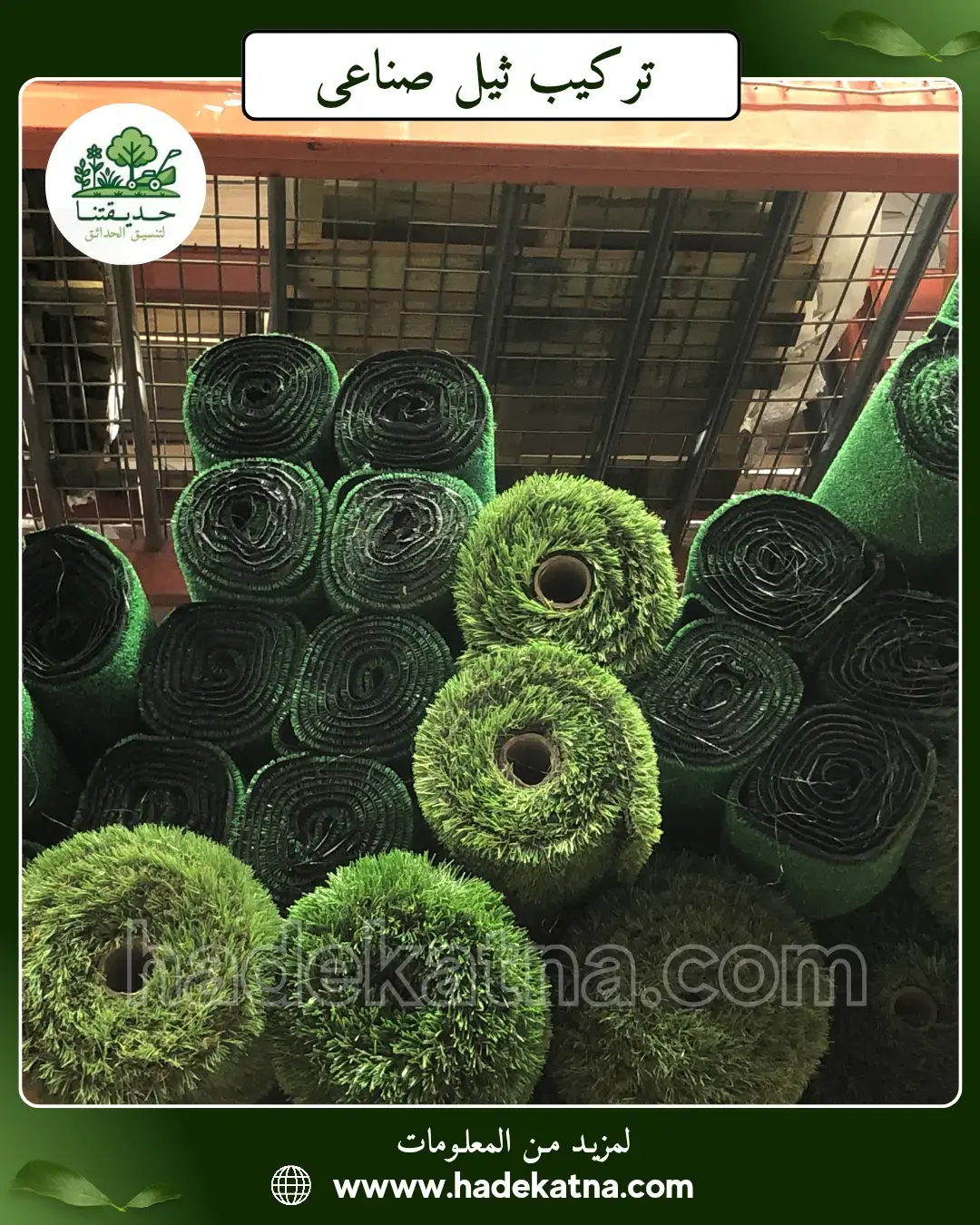
Extending artificial grass lifespan is an important goal for every homeowner who installs artificial turf in their garden because proper care reduces replacement needs and maintains outdoor appearance.
Artificial grass lifespan does not depend only on product quality. It is also affected by installation method, cleaning habits, and daily usage.
One of the most important steps for extending lifespan is regular cleaning and preventing dust or debris from accumulating for long periods.
Using artificial grass correctly also reduces fiber damage, such as avoiding dragging heavy objects across the surface or using sharp tools that may harm the material.
Through practical experience in Kuwait gardens, artificial grass that receives simple and regular care maintains its appearance longer compared with neglected installations.
Homeowners should also inspect grass edges and fixing areas periodically to ensure there is no movement or separation.
Choosing suitable cleaning products and avoiding strong chemicals also helps protect fibers.
In addition, proper drainage should be maintained because long-term water accumulation may affect the installation base.
Therefore, extending artificial grass lifespan depends on simple habits that protect quality and prevent future problems.
Important points about extending artificial grass lifespan:
-
Regular cleaning maintains grass appearance and performance.
-
Proper usage reduces fiber damage.
-
Monitoring fixing and drainage improves lifespan.
Treating Artificial Grass Sun Damage and the Right Steps to Restore Its Condition
Treating artificial grass sun damage requires accurate assessment before starting any repair because damage may result from several causes, not only heat exposure.
When homeowners notice color changes or damaged areas caused by long-term sunlight exposure, the first step is determining whether the issue is only related to surface fibers or whether it has affected the fixing layer and installation base.
In some cases, the damage may only involve changes in fiber appearance or dust accumulation caused by heat and outdoor conditions. These issues can often be improved through proper cleaning and restoring fiber direction using suitable tools.
However, if there is shrinking, separation, or movement in parts of the artificial grass, the affected area may require refixing or partial repair.
Through practical experience in Kuwait garden maintenance, attempting repairs without identifying the real cause usually provides only temporary solutions. Therefore, the grass type and installation method should be inspected before deciding on the appropriate treatment.
If the problem is caused by using a material unsuitable for intense sunlight, the best solution may be replacing the damaged section with a higher-quality outdoor product.
Protection methods can also be improved by adding shade solutions or reducing exposure to factors that accelerate damage.
The drainage system should also be checked because heat combined with trapped moisture may negatively affect the installation quality.
Early treatment is always the better option because repairing a small damaged area is easier and less expensive than replacing a large section later.
Therefore, treating artificial grass sun damage depends on identifying the real cause and choosing the correct solution instead of relying on temporary repairs.
Important points about treating artificial grass sun damage:
-
Identifying the damage cause is the first step toward effective treatment.
-
Some problems can be repaired without replacing the entire grass area.
-
The correct solution depends on grass condition and installation quality.
Artificial Grass Problems Under Sun and Common Mistakes That Cause Damage
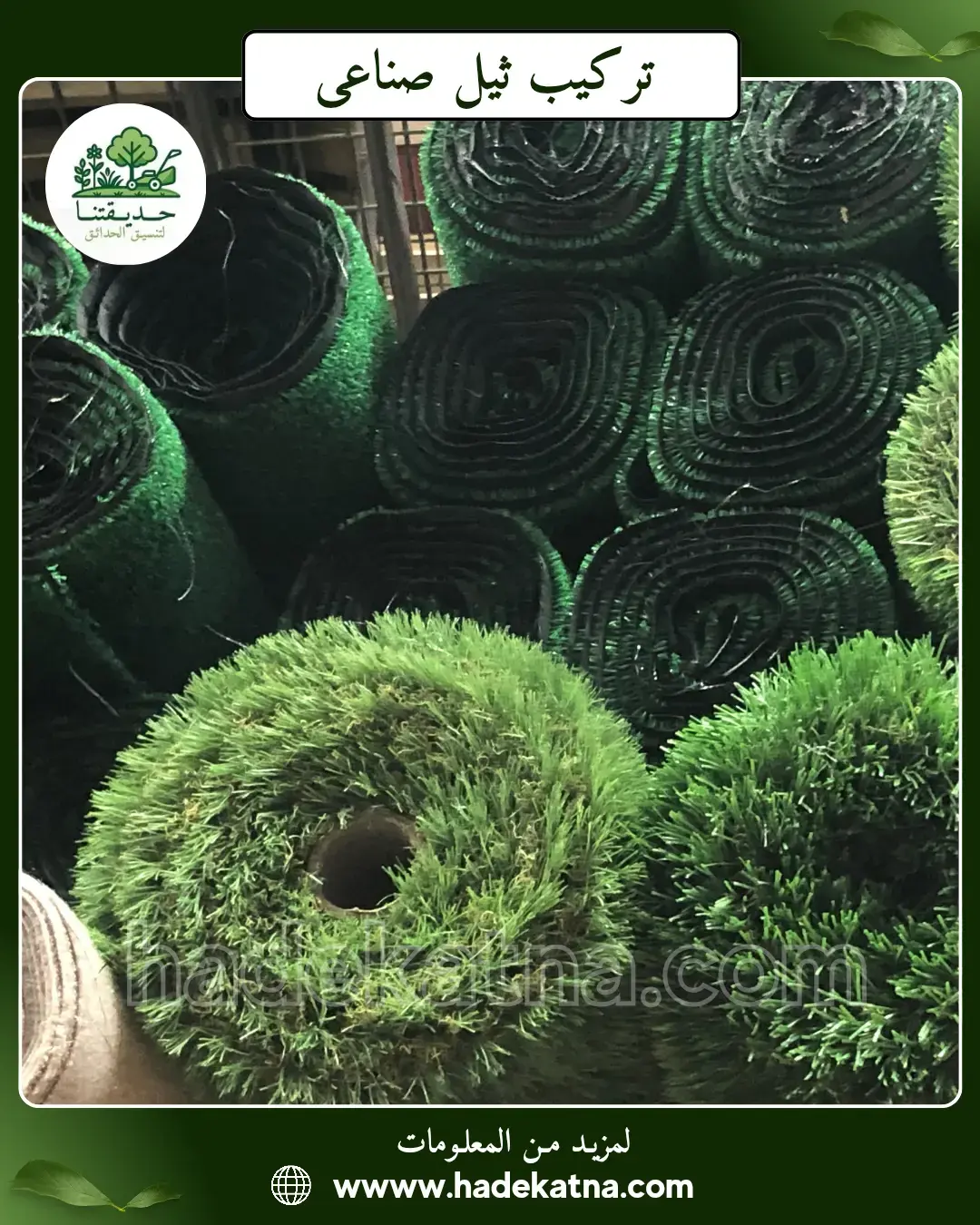
Artificial grass problems under sun usually appear because of several factors related to product quality, installation, or daily usage habits rather than sunlight alone.
One of the most common problems is color fading over time, especially when the artificial grass does not contain sufficient UV protection against continuous sun exposure.
Another issue is losing fiber flexibility or becoming flattened due to long-term heat exposure or improper usage.
Other problems may include edge separation or surface waves, which are often connected to poor installation or improper ground preparation.
Through practical experience in Kuwait artificial grass projects, choosing the cheapest product without considering specifications is one of the most common mistakes that leads to future problems.
Neglecting cleaning also causes dust buildup between fibers, making the grass appearance less attractive and making future cleaning more difficult.
Placing direct heat sources or reflective surfaces near the grass may also increase temperatures in specific areas and accelerate damage.
Daily usage has an impact as well. Heavy loads or dragging objects across the surface may damage certain sections.
Understanding artificial grass problems under sun helps homeowners avoid mistakes before they happen and maintain better garden appearance.
Selecting suitable materials for Kuwait’s climate, professional installation, and regular care make artificial grass more resistant to outdoor conditions.
Important points about artificial grass problems under sun:
-
Heat is not the only cause of damage; quality and installation are major factors.
-
Proper cleaning and usage habits reduce problems.
-
Choosing suitable grass for Kuwait improves performance and lifespan.
Maintaining Artificial Grass in Summer and the Best Daily Care Routine
Maintaining artificial grass in summer is essential for preserving garden appearance, especially during Kuwait’s summer months when temperatures are high and direct sunlight exposure continues for long periods.
Although artificial grass requires less maintenance than natural grass, regular simple steps help keep it in excellent condition.
One of the most important maintenance steps is removing dust regularly because dirt accumulation is one of the biggest factors affecting outdoor garden appearance in Kuwait.
Stains and debris should also be removed quickly instead of being left for long periods because early cleaning makes the process easier and protects fiber appearance.
Through practical experience in garden maintenance, a simple periodic inspection helps detect problems early, such as loose sections, movement, or weak fixing areas.
Strong cleaning chemicals should be avoided because they may affect fiber quality or change the grass appearance.
For areas exposed to direct sunlight all day, homeowners can consider solutions that reduce heat impact, such as shade structures or better garden design planning.
Proper water drainage should also be maintained to prevent water accumulation beneath the artificial grass.
Maintaining artificial grass does not require extensive work, but it requires consistency and following methods suitable for this type of material.
Therefore, maintaining artificial grass in summer helps preserve garden beauty and reduces the possibility of expensive repairs.
Important points about maintaining artificial grass in summer:
-
Regular cleaning maintains appearance and prevents dirt buildup.
-
Periodic inspection detects problems before they become larger.
-
Avoiding incorrect usage extends artificial grass lifespan.
Conclusion
Protecting artificial grass from cracking and damage under Kuwait sun does not depend on one single factor. It begins with choosing high-quality grass suitable for outdoor conditions, followed by proper installation and regular maintenance.
Problems such as artificial grass cracking, color changes, or fiber damage can often be prevented by paying attention to small details and avoiding maintenance neglect.
Understanding proper cleaning methods, checking installation stability, selecting suitable products, and reducing direct heat exposure help maintain artificial grass for a longer period.
Artificial grass remains a practical choice for Kuwait gardens, but its success depends on correct handling rather than simply purchasing and installing it.
In the end, every garden requires attention. Even artificial grass, which requires less care than natural grass, needs regular monitoring to maintain its appearance, quality, and ability to provide an attractive outdoor space for many years.
Frequently Asked Questions
Does artificial grass withstand Kuwait sun?
Yes, high-quality artificial grass designed for outdoor use can withstand Kuwait sunlight when installed and maintained correctly.
How can I protect artificial grass from sunlight?
You can protect it by choosing UV-resistant grass, cleaning it regularly, ensuring proper installation, and reducing direct sun exposure when possible.
What causes artificial grass cracking?
Cracking may result from poor material quality, incorrect installation, improper ground preparation, or long-term heat effects.
Can heat damage artificial grass?
Heat may affect low-quality artificial grass, but high-quality products with proper installation are more resistant to high temperatures.
How can I maintain artificial grass in summer?
Regular cleaning, removing debris, checking fixing areas, and avoiding damaging usage habits help maintain artificial grass during summer.
What are the signs of artificial grass sun damage?
Signs include color fading, reduced fiber shape, cracking, surface changes, or separation in some areas.
Can artificial grass sun damage be repaired?
Yes, some damage can be repaired depending on severity, while heavily damaged areas may require replacement.
How long does artificial grass last?
Lifespan depends on material quality, installation method, usage level, and regular maintenance.
Does artificial grass need maintenance?
Yes, it requires cleaning and periodic inspection to maintain appearance and prevent future problems.
What is the best way to extend artificial grass lifespan?
Choosing quality materials, professional installation, and following a regular care routine are the best ways to extend lifespan.


